
The Malacca Strait, a narrow waterway that separates the Malay Peninsula from the Indonesian island of Sumatra, serves as one of the most crucial maritime passages in the world. Stretching approximately 550 miles, this strait connects the Andaman Sea to the South China Sea, facilitating a vital link for international shipping routes. The strait is not only significant for its geographical positioning but also for its role in global trade, as it is one of the busiest shipping lanes on the planet.
The passage is a lifeline for many nations, particularly those in East Asia, which rely heavily on the transport of goods and energy resources through this corridor. The strategic importance of the Malacca Strait cannot be overstated. It is estimated that around 40% of the world’s trade passes through this narrow channel, including a substantial portion of oil shipments destined for major economies such as China, Japan, and South Korea.
The strait’s significance is further amplified by its proximity to key economic hubs and its role in connecting the Indian Ocean with the Pacific Ocean. As global trade continues to expand, the Malacca Strait remains a focal point for maritime activities, making its security and stability paramount for international commerce.
Key Takeaways
- The Malacca Strait is a crucial maritime passage with significant historical and strategic importance for global trade.
- Securing the strait is vital due to its role as a major shipping route and the presence of various security threats.
- Challenges in securing the strait include piracy, territorial disputes, and environmental concerns.
- Naval presence and international cooperation are key components in maintaining the security and stability of the Malacca Strait.
- Future developments focus on enhancing security measures while addressing environmental protection to ensure safe and sustainable passage.
Historical significance of the Malacca Strait
Historically, the Malacca Strait has been a critical maritime route since ancient times. It has served as a conduit for trade between East and West, facilitating cultural exchanges and economic interactions long before the advent of modern shipping. The strait was integral to the spice trade during the 15th and 16th centuries, attracting European powers such as Portugal, Spain, and the Netherlands, who sought to control this lucrative trade route.
The strategic location of the strait made it a focal point for colonial ambitions, leading to conflicts and power struggles that shaped the region’s history. In addition to its role in trade, the Malacca Strait has also been a site of significant geopolitical maneuvering. The establishment of various sultanates along its shores, such as the Sultanate of Malacca in the 15th century, underscored its importance as a center of commerce and culture.
The strait’s historical significance is further highlighted by its role in shaping maritime laws and practices that govern international shipping today. As nations recognized the strait’s value, efforts were made to ensure safe passage for vessels traversing these waters, laying the groundwork for contemporary maritime security frameworks.
Importance of securing the Malacca Strait
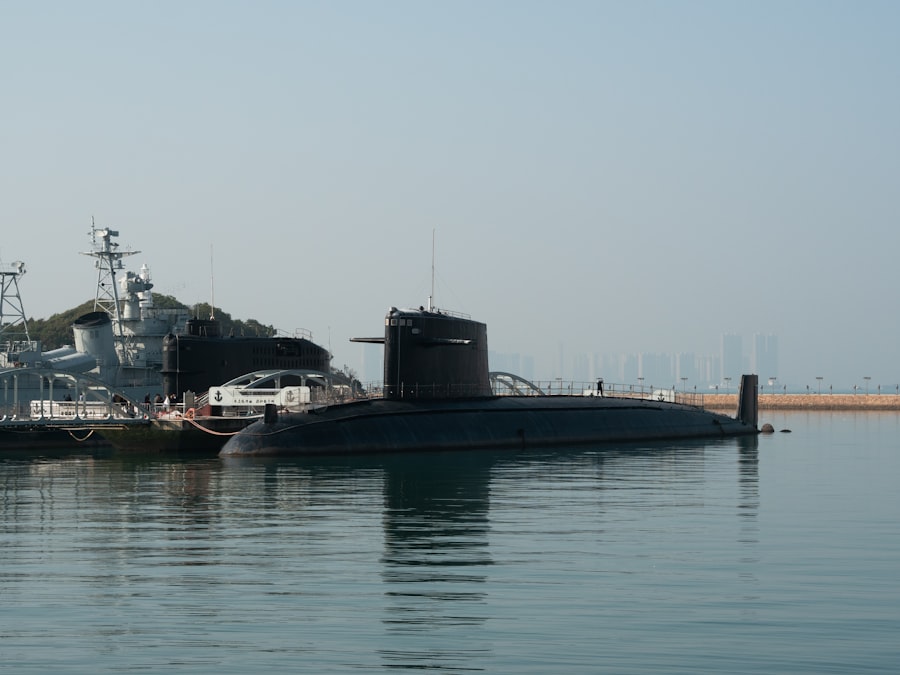
Securing the Malacca Strait is essential not only for regional stability but also for global economic health. Given that a significant portion of the world’s oil and goods transit through this narrow passage, any disruption could have far-reaching consequences. The potential for piracy, smuggling, and other illicit activities poses a constant threat to maritime security in the region.
Therefore, ensuring safe navigation through the strait is critical for maintaining uninterrupted trade flows and protecting national interests. Moreover, the security of the Malacca Strait is intertwined with broader geopolitical dynamics. As nations vie for influence in Southeast Asia, maintaining stability in this vital waterway becomes increasingly important.
The strait serves as a strategic chokepoint; thus, any conflict or instability could lead to increased shipping costs and delays, impacting economies far beyond the immediate region. Consequently, securing this passage is not merely a local concern but a global imperative that requires concerted efforts from various stakeholders.
Challenges in securing the Malacca Strait
Despite its importance, securing the Malacca Strait presents numerous challenges. One of the primary issues is the sheer volume of maritime traffic that navigates these waters daily. With thousands of vessels passing through each year, monitoring and ensuring safety becomes an arduous task.
The strait’s narrowness and complex geography further complicate navigation and increase vulnerability to accidents and incidents. Additionally, piracy remains a significant concern in the Malacca Strait. Although incidents have decreased in recent years due to increased naval patrols and international cooperation, the threat persists.
Criminal organizations often exploit the strait’s busy shipping lanes to carry out attacks on vessels, leading to loss of cargo and endangering crew members’ lives. Addressing these challenges requires not only enhanced surveillance and enforcement measures but also collaboration among regional nations to develop comprehensive strategies for maritime security.
Role of naval presence in securing the Malacca Strait
| Country | Number of Naval Vessels in Malacca Strait | Type of Vessels | Patrol Frequency (per month) | Primary Objective |
|---|---|---|---|---|
| Indonesia | 15 | Patrol Boats, Frigates | 20 | Maritime Security, Anti-Piracy |
| Malaysia | 12 | Patrol Boats, Corvettes | 18 | Territorial Defense, Anti-Smuggling |
| Singapore | 10 | Patrol Vessels, Missile Corvettes | 15 | Maritime Surveillance, Security |
| India | 5 | Frigates, Destroyers | 8 | Strategic Presence, Anti-Piracy |
| China | 4 | Frigates, Patrol Ships | 6 | Strategic Presence, Maritime Security |
| United States | 3 | Destroyers, Patrol Vessels | 5 | Freedom of Navigation, Security |
A robust naval presence is crucial for ensuring security in the Malacca Strait. Various nations have recognized this need and have deployed naval forces to patrol these waters actively.
Regular patrols and joint exercises among regional navies enhance interoperability and foster trust among nations sharing this vital waterway. Furthermore, naval forces play a pivotal role in responding to emergencies and incidents that may arise in the strait.
The commitment of nations to maintain a visible naval presence underscores their recognition of the strait’s strategic importance and their willingness to collaborate in safeguarding it.
International cooperation in securing the Malacca Strait
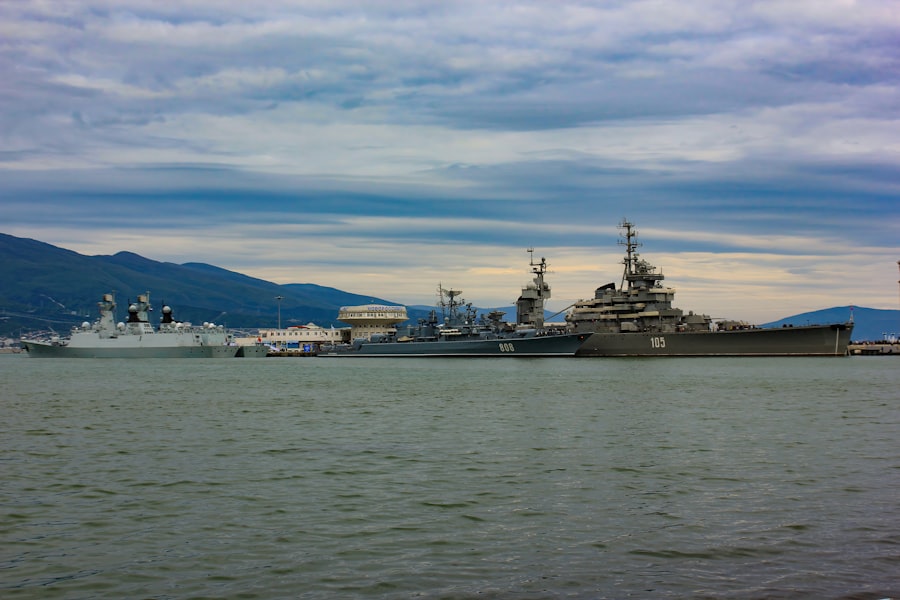
International cooperation is essential for effectively securing the Malacca Strait. Given its significance as a global trade route, no single nation can address security challenges alone. Collaborative efforts among countries bordering the strait—such as Malaysia, Indonesia, and Singapore—have proven effective in enhancing maritime security.
Initiatives like the Malacca Strait Patrols exemplify how regional nations can work together to share intelligence, conduct joint exercises, and coordinate responses to threats. Moreover, partnerships with external powers also play a vital role in bolstering security in the strait. Countries like the United States have engaged in cooperative security arrangements with regional nations to enhance maritime domain awareness and provide training and resources for local navies.
Such collaborations not only strengthen regional capabilities but also foster a sense of shared responsibility among nations that rely on this critical waterway for their economic well-being.
Strategic importance of the Malacca Strait for global trade
The strategic importance of the Malacca Strait extends beyond regional borders; it is integral to global trade networks. As one of the busiest maritime corridors in the world, it facilitates a significant portion of international shipping traffic. The strait serves as a shortcut for vessels traveling between Europe and Asia, reducing transit times and costs associated with longer routes around Africa or through other waterways.
The economic implications of securing this passage are profound. Disruptions in the Malacca Strait can lead to increased shipping costs that ripple through global supply chains, affecting everything from consumer goods prices to energy costs. As economies become increasingly interconnected, ensuring smooth navigation through this vital waterway is essential for maintaining economic stability worldwide.
Environmental concerns in the Malacca Strait
While securing maritime routes is paramount for trade and security, environmental concerns in the Malacca Strait cannot be overlooked. The strait’s rich marine biodiversity faces threats from pollution, overfishing, and habitat destruction due to increased shipping activities. Oil spills from tanker accidents pose significant risks to marine life and coastal communities reliant on fishing for their livelihoods.
Efforts to balance economic interests with environmental protection are crucial in ensuring sustainable use of this vital waterway. Regional governments must implement stringent regulations on shipping practices while promoting awareness about environmental conservation among stakeholders involved in maritime activities. Collaborative initiatives aimed at protecting marine ecosystems can help mitigate adverse impacts while ensuring that trade continues to flow through this essential corridor.
Security threats in the Malacca Strait
The Malacca Strait faces various security threats that necessitate ongoing vigilance from regional authorities and international partners alike. Piracy remains one of the most pressing concerns; despite improvements in security measures over recent years, incidents still occur sporadically. Criminal organizations often target commercial vessels traversing these waters, leading to thefts and hostage situations that endanger crew members’ lives.
In addition to piracy, other security threats include smuggling operations involving drugs or weapons trafficking across borders via maritime routes. These illicit activities not only undermine national security but also contribute to broader regional instability. Addressing these multifaceted threats requires comprehensive strategies that encompass law enforcement cooperation, intelligence sharing among nations, and community engagement initiatives aimed at reducing vulnerabilities within coastal populations.
Future developments in securing the Malacca Strait
Looking ahead, future developments in securing the Malacca Strait will likely focus on enhancing technological capabilities alongside traditional naval presence. Advancements in surveillance technologies such as drones and satellite monitoring systems can provide real-time data on maritime activities within this busy corridor. Integrating these technologies into existing security frameworks will enable more effective monitoring while allowing authorities to respond swiftly to emerging threats.
Furthermore, fostering greater collaboration among regional nations will be essential for addressing evolving security challenges effectively. As geopolitical dynamics shift and new threats emerge—such as cyberattacks targeting maritime infrastructure—nations must remain adaptable in their approaches to securing this vital waterway. By prioritizing international cooperation and investing in innovative solutions, stakeholders can work together towards ensuring long-term stability within one of the world’s most critical maritime passages.
Ensuring the security of the Malacca Strait
In conclusion, ensuring the security of the Malacca Strait is paramount for both regional stability and global economic health. As one of the busiest maritime corridors worldwide, its significance cannot be overstated; disruptions here could have cascading effects on international trade networks. Addressing challenges such as piracy, environmental concerns, and evolving security threats requires concerted efforts from nations bordering this vital waterway as well as international partners committed to safeguarding it.
The future will demand innovative solutions alongside traditional naval presence while fostering collaboration among stakeholders invested in maintaining safe passage through these waters. By prioritizing security measures that encompass both economic interests and environmental sustainability, nations can work together towards ensuring that this critical passage remains open and secure for generations to come.
The strategic importance of naval presence in the Malacca Strait is underscored by various geopolitical factors, including trade routes and regional security dynamics. For a deeper understanding of these issues, you can read the article on this topic at My GeoQuest, which explores the implications of naval operations in this critical maritime corridor.
WATCH THIS! 🌍 THE $15 TRILLION GAMBLE: What Happens If The Strait of Malacca Closes For One Week?
FAQs
What is the significance of the Malacca Strait in global maritime trade?
The Malacca Strait is one of the world’s most important shipping lanes, connecting the Indian Ocean to the South China Sea and the Pacific Ocean. It serves as a critical passage for approximately 25% of the world’s traded goods, including a significant portion of global oil shipments.
Why is naval presence important in the Malacca Strait?
Naval presence in the Malacca Strait is crucial for ensuring the security and safety of maritime navigation. It helps deter piracy, smuggling, and other illegal activities, while also maintaining freedom of navigation in this strategically vital waterway.
Which countries maintain a naval presence in the Malacca Strait?
Countries with strategic interests in the region, including Malaysia, Indonesia, Singapore, China, India, and the United States, maintain naval forces or conduct patrols in or near the Malacca Strait to safeguard their maritime interests and ensure security.
What are the main security challenges faced in the Malacca Strait?
The Malacca Strait faces challenges such as piracy, armed robbery at sea, smuggling, and potential territorial disputes. The narrowness of the strait also poses risks of maritime accidents and environmental hazards.
How do regional countries cooperate to ensure security in the Malacca Strait?
Regional countries engage in joint patrols, intelligence sharing, and coordinated maritime exercises through initiatives like the Malacca Strait Patrols (MSP) to enhance security and combat threats collectively.
What role does international law play in the naval presence in the Malacca Strait?
International law, particularly the United Nations Convention on the Law of the Sea (UNCLOS), governs navigation rights and responsibilities in the Malacca Strait, ensuring freedom of passage while respecting the sovereignty of littoral states.
How does naval presence impact the environment in the Malacca Strait?
While naval operations are essential for security, they must be managed carefully to minimize environmental impacts such as pollution, disruption to marine life, and risks of oil spills in this ecologically sensitive area.
What measures are in place to prevent accidents in the Malacca Strait?
Measures include traffic separation schemes, vessel traffic services, strict navigation regulations, and coordinated monitoring by regional maritime authorities to reduce the risk of collisions and groundings in the busy strait.