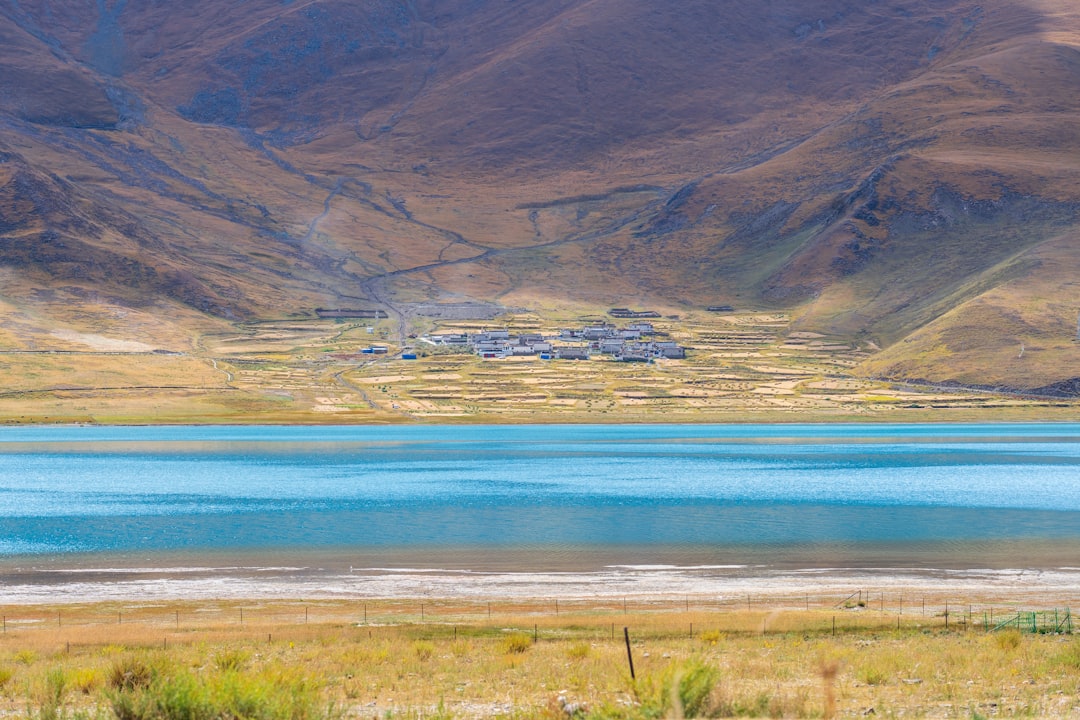
Tibet, often referred to as the “Roof of the World,” is a region of immense ecological significance, primarily due to its vast water resources. The Tibetan Plateau is the source of several major rivers, including the Yangtze, Yellow, and Mekong, which are vital for billions of people across Asia. These rivers not only provide essential water for drinking and agriculture but also support diverse ecosystems and contribute to the livelihoods of millions.
The unique geographical and climatic conditions of Tibet create a natural reservoir that plays a crucial role in regulating water flow and maintaining regional hydrology. Moreover, Tibet’s water resources are not just limited to surface water; they also encompass significant groundwater reserves. These aquifers are essential for sustaining local communities, particularly in areas where surface water is scarce.
The interplay between glaciers, snowpack, and seasonal rainfall further enhances the region’s water supply, making it a critical area for both local and downstream populations. As such, understanding and preserving Tibet’s water resources is paramount for ensuring food security, economic stability, and environmental health across the broader Asian continent.
Key Takeaways
- Tibet’s water resources are of great importance for the region and the world, providing water for millions of people and supporting diverse ecosystems.
- Threats to Tibet’s water resources include pollution, over-extraction, and the impacts of climate change, which are putting pressure on the region’s water supply.
- Climate change is having a significant impact on Tibet’s water resources, leading to changes in precipitation patterns, glacial melt, and altered river flows.
- Tibet’s water resources play a crucial role in regional and global water security, affecting the livelihoods and well-being of people in downstream areas.
- Sustainable management of Tibet’s water resources is essential to ensure the long-term availability of water for both human needs and the environment.
The Threats to Tibet’s Water Resources
Despite their importance, Tibet’s water resources face numerous threats that jeopardize their sustainability. One of the most pressing issues is the rapid industrialization and urbanization occurring in the region. Increased demand for water from agriculture, mining, and urban centers has led to over-extraction and pollution of both surface and groundwater sources.
This not only diminishes the quality of water available for consumption but also disrupts the delicate balance of local ecosystems. Additionally, geopolitical tensions surrounding water rights exacerbate the situation. As countries downstream rely heavily on Tibetan rivers, disputes over water allocation can lead to conflicts that further strain these vital resources.
The lack of comprehensive legal frameworks governing transboundary water management complicates efforts to address these challenges collaboratively. Without effective governance and cooperation among nations sharing these water resources, the risk of depletion and degradation remains high.
The Impact of Climate Change on Tibet’s Water Resources
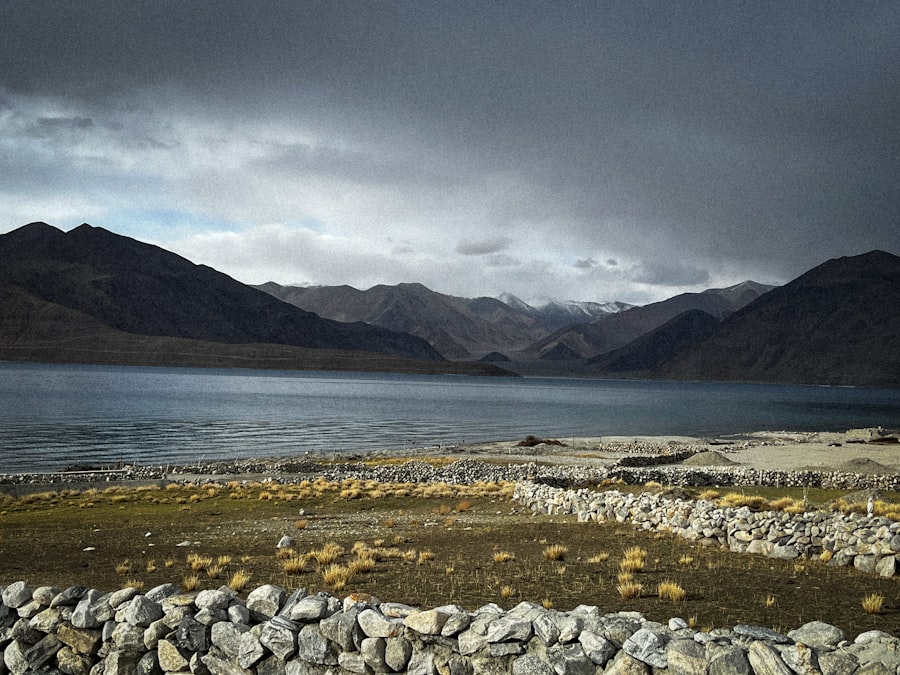
Climate change poses a significant threat to Tibet’s water resources, with far-reaching implications for both the environment and human populations. Rising temperatures have led to accelerated glacier melt, which initially increases river flow but ultimately threatens long-term water availability as glaciers recede. This phenomenon is particularly concerning for communities that depend on glacial meltwater during dry seasons.
As glaciers shrink, the reliability of this critical water source diminishes, leading to potential shortages in the future. Furthermore, changing precipitation patterns due to climate change can disrupt the seasonal flow of rivers. Increased variability in rainfall can result in both flooding and drought conditions, creating challenges for agricultural practices and water management.
The unpredictability of these changes makes it difficult for local communities to adapt, often leaving them vulnerable to food insecurity and economic instability. As climate change continues to impact Tibet’s hydrology, it becomes increasingly important to develop strategies that enhance resilience and ensure sustainable water management.
The Role of Tibet’s Water Resources in Regional and Global Water Security
| Metrics | Data |
|---|---|
| Tibet’s Total Annual Runoff | Estimated at 1,500 billion cubic meters |
| Contribution to Major Rivers | Supplies water to major rivers including the Yangtze, Yellow, Brahmaputra, Mekong, and Indus |
| Regional Water Security | Crucial for the water security of downstream countries such as China, India, Bangladesh, and Southeast Asian nations |
| Global Water Security | Impacts global water security due to its influence on major river systems and water availability for millions of people |
Tibet’s water resources are not only vital for local communities but also play a crucial role in regional and global water security. The rivers originating from the Tibetan Plateau serve as lifelines for millions across Asia, providing essential water for drinking, agriculture, and industry. Countries such as China, India, Nepal, and Bangladesh rely heavily on these rivers for their economic development and social stability.
As such, any disruption to Tibet’s water resources can have cascading effects on regional stability and cooperation. Moreover, the significance of Tibet’s water extends beyond immediate neighbors; it has implications for global water security as well. With increasing population pressures and climate change exacerbating water scarcity in many parts of the world, the sustainable management of Tibet’s water resources becomes a matter of international concern.
Ensuring that these vital resources are preserved and managed responsibly is essential not only for regional stability but also for global efforts to address water scarcity and promote sustainable development.
The Need for Sustainable Management of Tibet’s Water Resources
Given the myriad threats facing Tibet’s water resources, there is an urgent need for sustainable management practices that prioritize conservation and equitable distribution. Sustainable management involves a holistic approach that considers ecological health, community needs, and long-term viability. This includes implementing policies that regulate water extraction, protect watersheds, and promote efficient irrigation practices in agriculture.
Community involvement is also crucial in developing sustainable management strategies. Local populations possess valuable traditional knowledge about water use and conservation practices that can inform modern approaches. By integrating indigenous practices with contemporary scientific methods, stakeholders can create more effective solutions that respect cultural values while addressing environmental challenges.
Ultimately, sustainable management of Tibet’s water resources is essential for ensuring their availability for future generations.
The Potential for Hydropower Development in Tibet

Tibet’s abundant water resources present significant opportunities for hydropower development, which could contribute to both local energy needs and broader energy security goals.
As countries seek to transition to renewable energy sources, harnessing Tibet’s hydropower potential could play a pivotal role in achieving these objectives.
However, hydropower development must be approached with caution to avoid negative environmental impacts. Large-scale dam projects can disrupt river ecosystems, displace local communities, and alter sediment transport patterns. Therefore, it is essential to conduct thorough environmental assessments and engage with local stakeholders before proceeding with any hydropower initiatives.
By prioritizing sustainable practices in hydropower development, it is possible to harness Tibet’s energy potential while safeguarding its vital water resources.
The Importance of Preserving Tibet’s Glaciers and Snowpack
The glaciers and snowpack of Tibet are critical components of the region’s hydrological system, serving as natural reservoirs that store freshwater. As climate change accelerates glacier melt, preserving these ice formations becomes increasingly important for maintaining long-term water availability. Glaciers act as buffers against seasonal fluctuations in river flow, ensuring a steady supply of water during dry periods when demand is high.
Efforts to preserve Tibet’s glaciers must include strategies aimed at mitigating climate change impacts as well as local conservation initiatives. Protecting glacial environments from pollution and human encroachment is essential for maintaining their integrity. Additionally, raising awareness about the importance of glaciers among local communities can foster stewardship and encourage sustainable practices that benefit both people and ecosystems.
The Impact of Mining and Deforestation on Tibet’s Water Resources
Mining activities and deforestation pose significant threats to Tibet’s water resources by disrupting natural ecosystems and degrading water quality. Mining operations often lead to soil erosion, sedimentation in rivers, and contamination from heavy metals and chemicals used in extraction processes. These impacts not only harm aquatic life but also compromise the safety of drinking water supplies for local communities.
Deforestation exacerbates these issues by reducing vegetation cover that helps regulate water flow and maintain soil stability. Trees play a crucial role in capturing rainfall and facilitating groundwater recharge; their removal can lead to increased runoff and decreased groundwater levels. To protect Tibet’s water resources effectively, it is essential to implement strict regulations on mining practices and promote reforestation efforts that restore natural habitats.
The Role of International Cooperation in Protecting Tibet’s Water Resources
Given the transboundary nature of Tibet’s rivers, international cooperation is vital for protecting its water resources. Collaborative efforts among countries sharing these waterways can lead to more effective management strategies that address shared challenges such as pollution control, flood management, and equitable distribution of water resources. Establishing frameworks for dialogue and cooperation can help mitigate tensions over water rights while fostering mutual understanding among nations.
International organizations can play a crucial role in facilitating cooperation by providing platforms for dialogue and sharing best practices in water management. By promoting joint research initiatives and capacity-building programs, stakeholders can work together to develop sustainable solutions that benefit all parties involved. Ultimately, fostering international cooperation is essential for ensuring the long-term health of Tibet’s water resources.
The Importance of Traditional Knowledge and Indigenous Practices in Water Management
Traditional knowledge and indigenous practices offer valuable insights into sustainable water management in Tibet. Local communities have developed time-tested methods for conserving water resources that are often well-adapted to the region’s unique ecological conditions. These practices include rainwater harvesting, crop rotation, and community-based irrigation systems that prioritize efficiency and sustainability.
Integrating traditional knowledge with modern scientific approaches can enhance the effectiveness of water management strategies while respecting cultural values. Engaging local communities in decision-making processes ensures that their voices are heard and their needs are met. By valuing indigenous practices alongside contemporary methods, stakeholders can create more resilient systems that safeguard Tibet’s precious water resources.
The Future of Tibet’s Water Resources: Challenges and Opportunities
The future of Tibet’s water resources is fraught with challenges but also presents opportunities for innovation and collaboration. As climate change continues to impact hydrological patterns, there is an urgent need for adaptive management strategies that enhance resilience among local communities. Investing in research and technology can provide new insights into sustainable practices while fostering economic development through green initiatives.
Moreover, raising awareness about the importance of preserving Tibet’s water resources at both local and global levels can galvanize support for conservation efforts. Engaging diverse stakeholders—from governments to NGOs to local communities—can create a unified approach toward protecting these vital resources. By embracing both challenges and opportunities, there is potential for a sustainable future where Tibet’s water resources continue to thrive for generations to come.
The future of Tibet’s water resources is a critical issue that has garnered significant attention due to its implications for both local ecosystems and downstream communities. For a deeper understanding of the challenges and opportunities surrounding this vital topic, you can read a related article on the subject at My Geo Quest. This resource provides valuable insights into the management and sustainability of water resources in the Tibetan region.
WATCH THIS! Tibet’s Emptiness Is No Accident
FAQs
What are the major water resources in Tibet?
Tibet is the source of several major rivers in Asia, including the Yangtze, Yellow, Mekong, and Brahmaputra rivers. These rivers provide water for millions of people in China, India, and Southeast Asia.
How is climate change affecting Tibet’s water resources?
Climate change is causing glaciers in Tibet to melt at an accelerated rate, leading to increased water flow in the short term but potentially causing water shortages in the long term. This could have significant impacts on the millions of people who rely on these rivers for water and agriculture.
What are the potential implications of the future of Tibet’s water resources?
The future of Tibet’s water resources has significant implications for the millions of people who rely on these rivers for water, agriculture, and hydropower. Changes in water flow and availability could lead to conflicts over water resources and have far-reaching impacts on regional and global water security.
What are some potential solutions to address the challenges facing Tibet’s water resources?
Some potential solutions to address the challenges facing Tibet’s water resources include improved water management, investment in water infrastructure, and international cooperation to manage and protect these shared water resources. Additionally, efforts to mitigate climate change and reduce greenhouse gas emissions could help slow the rate of glacier melt in Tibet.