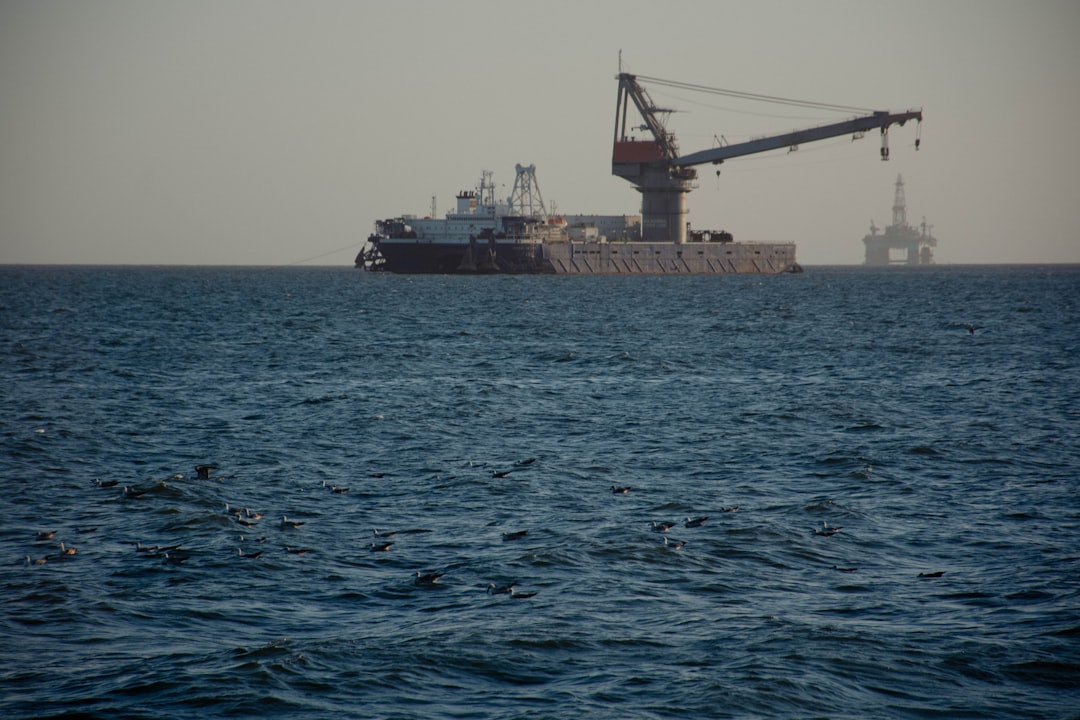
The Caspian Sea, a vast inland sea bordered by five littoral states—Azerbaijan, Iran, Kazakhstan, Russia, and Turkmenistan—remains a region of immense strategic and economic importance. As we look towards 2026, the imperative to ensure maritime safety across its waters is not merely a matter of routine; it is a vital undertaking that underpins regional stability, economic prosperity, and environmental protection. The challenges are multifaceted, stemming from a complex geopolitical landscape, increasing maritime traffic, and the inherent environmental vulnerabilities of the Caspian. This article will explore the current state and anticipated future of maritime safety in the Caspian Sea, examining the critical elements that will shape its security in the coming year.
The foundational pillar of maritime safety rests upon robust and modern navigational infrastructure. Without clear channels, accurate charting, and reliable aids, vessels are akin to ships sailing without a compass in a fog. In 2026, the Caspian Sea will continue to rely on a network of aids to navigation, but the effectiveness and reach of this network are subject to ongoing development and potential vulnerabilities.
Port Development and Vessel Traffic Management Systems (VTMS)
Ports serve as the gateways to maritime commerce and, consequently, are critical nodes for safety. In 2026, the continued development and modernization of Caspian ports will be a key determinant of maritime safety. This includes not only the physical expansion of berths and handling facilities but also the integration of advanced Vessel Traffic Management Systems (VTMS). These systems act as the eyes and ears of port authorities, providing real-time situational awareness of maritime traffic within their jurisdiction.
- Upgrading Existing Port Facilities: Several Caspian ports, particularly those in Kazakhstan and Turkmenistan, have undergone or are slated for upgrades in the pre-2026 period. These improvements are essential to accommodate larger vessels and enhance efficiency. However, the pace of modernization can be uneven, leading to potential bottlenecks and increased risks in less developed port areas. The focus in 2026 will be on ensuring that these upgrades not only increase capacity but also incorporate the latest safety technologies.
- Implementation and Expansion of VTMS: Effective VTMS are crucial for preventing collisions, managing traffic flow, and responding to emergencies. While some major ports already possess sophisticated VTMS, the full coverage and interoperability of these systems across the entire Caspian remain a work in progress. In 2026, the emphasis will be on expanding VTMS coverage to cover more sea lanes and ensuring seamless data exchange between different national VTMS, forging a more coherent maritime picture. This interconnectedness is paramount for a region where borders are primarily defined by water.
- Challenges in Interoperability and Data Sharing: A significant hurdle to comprehensive VTMS effectiveness is the lack of standardized protocols and consistent data-sharing agreements among the littoral states. In 2026, efforts to bridge these gaps through bilateral and multilateral initiatives will be crucial. The sharing of radar data, AIS (Automatic Identification System) information, and other critical navigation data, even across national waters, will significantly enhance situational awareness and reduce the risk of incidents.
Hydrographic Surveying and Charting
Accurate and up-to-date hydrographic charts are the backbone of safe navigation. Outdated or incomplete charts can lead vessels into treacherous waters, posing a grave threat to life and cargo. The nature of the Caspian Sea, with its fluctuating water levels and occasional shifts in seabed topography, necessitates continuous hydrographic surveying.
- The Importance of Real-Time Data: Traditional paper charts are gradually being supplemented and superseded by Electronic Navigational Charts (ENCs). In 2026, the reliance on ENCs will only deepen, making it imperative to ensure their accuracy and timely updates. This requires regular and systematic hydrographic surveys using modern techniques such as multibeam echosounders and side-scan sonar.
- Challenges in Surveying Resources and Frequency: The availability of specialized survey vessels and trained personnel, along with the significant financial investment required for extensive hydrographic campaigns, can be a limiting factor for some littoral states. In 2026, continued investment in these areas, possibly through joint capabilities or international partnerships, will be essential to maintain comprehensive and current charting of the Caspian. The goal is to move beyond static representations of the seabed to a more dynamic understanding of its potential hazards, much like a doctor constantly monitors a patient’s vital signs.
- Addressing Navigational Hazards: The Caspian Sea is known to have submerged wrecks, uncharted shoals, and other navigational hazards. Regular surveying helps identify and demarcate these dangers, ensuring they are clearly marked on charts and, where feasible, on physical buoys. In 2026, a proactive approach to hazard identification and charting will remain a priority for preventing groundings and collisions.
As discussions around Caspian Sea maritime security continue to evolve, a related article that provides valuable insights into the geopolitical dynamics of the region is available at MyGeoQuest. This article delves into the strategic interests of the bordering nations and the implications for regional stability as we approach 2026. It highlights the importance of cooperative security measures and the potential for conflict over maritime resources, making it a crucial read for anyone interested in the future of Caspian Sea security.
Regulatory Framework and Enforcement
Beyond the physical infrastructure, a robust regulatory framework, coupled with effective enforcement, forms the invisible scaffolding of maritime safety. This framework provides the rules of the road, guidelines for conduct, and mechanisms for accountability.
Harmonization of National Maritime Regulations
The Caspian Sea’s complex geopolitical reality means that navigating its waters involves adhering to the regulations of multiple sovereign states. Harmonizing these national regulations with international standards and with each other is crucial for creating a predictable and safe maritime environment.
- Adherence to International Conventions: The International Maritime Organization (IMO) sets global standards for maritime safety. In 2026, continued adherence to and implementation of key IMO conventions, such as SOLAS (Safety of Life at Sea), MARPOL (Marine Pollution Prevention), and STCW (Standards of Training, Certification and Watchkeeping for Seafarers), will be paramount. While most Caspian states are signatories to these conventions, the extent and effectiveness of their domestic implementation can vary.
- Bilateral and Multilateral Agreements: Specific to the Caspian, bilateral and multilateral agreements among the littoral states play a significant role in governing maritime activities. These can cover issues ranging from search and rescue coordination to pollution response. In 2026, the refinement and strengthening of these agreements, particularly in areas like shared response protocols, will be essential for cohesive action.
- Challenges in Enforcement and Compliance: A well-designed regulation is only effective if it is enforced. In 2026, the challenge for many Caspian states will be to strengthen their maritime enforcement capabilities, including the capacity for boardings, inspections, and the prosecution of violations. This requires adequate resources, trained personnel, and a commitment to consistent application of the law.
Search and Rescue (SAR) Operations and Emergency Response
Maritime incidents, however well-prevented, can still occur. The ability to mount swift and effective Search and Rescue (SAR) operations is a critical component of maritime safety, offering a lifeline to those in distress.
- Coordinated SAR Frameworks: The vastness of the Caspian Sea and the potential for incidents far from shore necessitate a coordinated SAR framework. In 2026, the effectiveness of existing SAR agreements and the establishment of additional cooperative arrangements between littoral states will be under scrutiny. This includes the designation of rescue coordination centers, allocation of assets (vessels, aircraft), and prompt communication protocols.
- Inter-Agency Cooperation: SAR operations often involve multiple agencies – maritime authorities, coast guards, naval forces, and even civilian rescue organizations. In 2026, fostering seamless inter-agency cooperation within each nation and across borders will be vital. Joint training exercises and the development of common operating procedures can significantly improve response times and effectiveness.
- Technological Enhancements for SAR: Advances in technology are increasingly being integrated into SAR operations. This includes the use of satellite-based distress alerting systems (like Cospas-Sarsat), advanced communication equipment, and specialized rescue craft. In 2026, the adoption and integration of such technologies will enhance the probability of successful rescues, turning potential tragedies into manageable incidents.
Environmental Protection and Risk Management
The Caspian Sea is an ecologically sensitive environment, home to unique biodiversity, including the iconic Caspian seal and sturgeon populations. Maritime activities, if not managed responsibly, pose significant threats to this fragile ecosystem.
Preventing Pollution from Shipping
Shipping is a major source of potential pollution in any marine environment. In the Caspian context, this risk is amplified by the presence of oil and gas infrastructure, which also contributes to environmental vulnerabilities.
- MARPOL Compliance and Enforcement: The International Convention for the Prevention of Pollution from Ships (MARPOL) provides the global framework for preventing pollution by ships. In 2026, robust enforcement of MARPOL annexes, covering oil, noxious liquid substances, harmful substances in packaged form, sewage, and garbage, will be essential. This includes ensuring that vessels are equipped with appropriate pollution prevention equipment and that operational discharges are strictly controlled.
- Ballast Water Management: The introduction of invasive aquatic species through ballast water discharge is a significant ecological threat. The IMO’s Ballast Water Management Convention aims to mitigate this risk. In 2026, the ongoing implementation and enforcement of ballast water management plans by Caspian vessels will be crucial to prevent the disruption of the Caspian’s delicate ecosystem.
- Response to Spills and Accidental Discharges: Despite preventative measures, accidental spills can occur. In 2026, the preparedness and capacity of littoral states to respond to oil spills and other accidental discharges from vessels will be a key aspect of environmental safety. This includes having trained response teams, readily available containment and cleanup equipment, and clear procedures for containment and remediation.
Managing Risks Associated with Offshore Operations
The Caspian Sea is a major hub for oil and gas exploration and production. While economically vital, these activities introduce unique maritime safety risks, including the potential for platform accidents and pipeline leaks, which can have devastating environmental consequences.
- Safety Standards for Offshore Installations: Ensuring that offshore oil and gas installations meet stringent safety standards is paramount. In 2026, adherence to international best practices and national regulations for the design, construction, operation, and decommissioning of these platforms will be critical. Regular inspections and audits by regulatory bodies are essential to verify compliance.
- Pipeline Integrity and Monitoring: Extensive underwater pipeline networks transport oil and gas across the Caspian floor. Maintaining the integrity of these pipelines is vital to prevent leaks. In 2026, continued investment in pipeline monitoring technologies, such as inline inspection (ILI) tools and remote sensing, will be crucial. Regular surveys to detect corrosion, external damage, or geohazard-induced stress will mitigate the risk of ruptures.
- Emergency Preparedness for Offshore Incidents: Accidents on offshore platforms or pipeline failures can lead to large-scale pollution events and pose risks to maritime traffic. In 2026, coordinated emergency preparedness plans involving offshore operators, national authorities, and potentially international response organizations will be crucial. This includes plans for personnel evacuation, firefighting, containment of spills, and the immediate cessation of operations in affected areas. The sheer scale of potential impact demands a proactive and highly coordinated approach.
Maritime Security and Piracy Prevention

While not as prone to piracy as some other global maritime theaters, the Caspian Sea is not entirely immune to security threats. Maintaining a secure maritime environment is essential to facilitate safe trade and protect critical infrastructure.
Counter-Piracy and Maritime Crime Prevention
Although direct acts of piracy targeting large commercial vessels are rare in the Caspian, other forms of maritime crime, such as smuggling, illegal fishing, and theft from vessels, remain concerns.
- Patrol and Surveillance Capabilities: Effective patrol and surveillance of the Caspian’s vast expanse is the first line of defense against maritime crime. In 2026, the continued enhancement of naval and coast guard patrol capabilities, including the use of modern patrol vessels, aircraft, and unmanned aerial vehicles (UAVs), will be crucial. These assets allow for better monitoring of sea lanes and the faster detection of suspicious activities.
- Intelligence Sharing and Cooperation: Information is a powerful weapon against maritime crime. In 2026, strengthening intelligence sharing networks between the littoral states’ maritime security agencies will be vital. This includes sharing information on known criminal networks, suspicious vessel movements, and emerging threats.
- Port Security Measures: The security of ports themselves is a critical element in preventing the infiltration of illicit goods and individuals. In 2026, continued investment in port security infrastructure, including access control, cargo screening, and surveillance systems, as mandated by the International Ship and Port Facility Security (ISPS) Code, will be essential.
Protection of Critical Maritime Infrastructure
The Caspian Sea is home to vital energy infrastructure, including offshore platforms, pipelines, and terminals, which are attractive targets for sabotage or attack. Protecting these assets is a matter of national and regional security.
- Naval Patrols and Escorts: Dedicated naval patrols in the vicinity of critical infrastructure are essential to deter potential threats. In 2026, the strategic deployment of naval assets to provide security escorts for laden tankers or vessels transiting near sensitive areas will remain a significant measure. The presence of well-armed and vigilant vessels acts as a powerful deterrent.
- Maritime Domain Awareness (MDA): A comprehensive understanding of what is happening within the maritime domain is crucial for identifying potential threats to critical infrastructure early on. In 2026, the enhancement of Maritime Domain Awareness capabilities, through the integration of radar, AIS, satellite imagery, and intelligence from various sources, will be a key priority. This allows for the proactive identification of unusual activity and the rapid deployment of response forces.
- Cybersecurity of Maritime Systems: As maritime operations become increasingly digitized, the cybersecurity of related systems is of growing importance. In 2026, protecting critical maritime infrastructure from cyber-attacks, which could disrupt operations or compromise safety systems, will be a significant focus. This includes ensuring the resilience of communication networks, navigation systems, and control systems for offshore facilities. The digital realm is a new frontier for security, and its vulnerabilities must be addressed with the same rigor as physical threats.
As discussions around Caspian Sea maritime security continue to evolve, the implications for regional stability and international relations are becoming increasingly significant. A recent article highlights the strategic importance of the Caspian Sea and its surrounding nations in the context of emerging security challenges. For further insights, you can read more about these developments in the article on maritime security in the Caspian region. This analysis provides a comprehensive overview of the geopolitical dynamics at play and their potential impact on future security frameworks. For more information, visit this link.
Human Factors and Capacity Building
| Metric | 2026 Projection | Details |
|---|---|---|
| Number of Maritime Security Incidents | 12 | Includes piracy, smuggling, and territorial disputes |
| Naval Patrol Hours per Month | 1,200 hours | Joint patrols by Caspian littoral states |
| Number of Maritime Security Agreements | 5 | Multilateral agreements focused on joint security and resource protection |
| Investment in Maritime Security Infrastructure | Moderate Increase | Upgrading coastal radar and surveillance systems |
| Number of Joint Military Exercises | 3 | Exercises involving all Caspian Sea bordering nations |
| Illegal Fishing Incidents | Reduced by 15% | Due to enhanced monitoring and enforcement |
| Maritime Traffic Volume | Increased by 8% | Growth in commercial shipping and energy transport |
Ultimately, the effectiveness of any maritime safety system hinges on the competence and well-being of the people operating within it. Human error remains a significant factor in many maritime incidents.
Training and Certification of Seafarers
The skills, knowledge, and diligence of seafarers are paramount to safe navigation and operations at sea. In 2026, the ongoing need for high-quality training and robust certification processes for all maritime personnel will remain a cornerstone of safety.
- STCW Compliance and Beyond: The STCW Convention sets the international minimum standards for the training and qualification of seafarers. In 2026, all Caspian littoral states will continue to strive for full compliance with the latest STCW amendments. This includes ensuring that maritime training institutions offer up-to-date curricula covering new technologies, emergency procedures, and human factors.
- Simulator Training and Practical Skills: Modern maritime training increasingly relies on advanced simulators that replicate various shipboard scenarios, from navigation and maneuvering to emergency responses. In 2026, the widespread use of such simulators will be crucial to honing practical skills and building confidence in dealing with challenging situations. This allows seafarers to prepare for the unexpected in a controlled environment.
- Addressing Human Element Issues: Beyond technical skills, the human element encompasses factors like fatigue, stress, communication, and leadership. In 2026, a greater emphasis will be placed on addressing these issues through training programs that promote crew resource management (CRM) and a strong safety culture onboard vessels. A well-rested, well-communicated, and safety-conscious crew is a vital safeguard against accidents.
Capacity Building and International Cooperation
Recognizing that maritime safety is a shared responsibility, ongoing capacity building and international cooperation are essential to elevate safety standards across the entire Caspian region.
- Joint Training Exercises and Knowledge Sharing: Collaborative initiatives such as joint search and rescue exercises, pollution response drills, and maritime security training sessions foster mutual understanding and improve coordinated responses. In 2026, the continuation and expansion of these cooperative efforts will be invaluable in standardizing practices and building trust among the littoral states.
- Technical Assistance and Resource Sharing: Some Caspian states may have greater resources or specialized expertise in certain areas of maritime safety. In 2026, mechanisms for providing technical assistance and sharing resources, such as specialized equipment or training modules, will be crucial for bridging capability gaps. This can be facilitated through regional organizations or bilateral agreements.
- Promoting a Safety Culture: Fostering a strong safety culture at all levels – from governmental policy-making to the individual seafarer – is perhaps the most enduring factor in maritime safety. In 2026, continuous efforts to promote safety awareness, encourage incident reporting without fear of reprisal, and learn from past mistakes will be vital in creating a self-sustaining culture of maritime safety in the Caspian Sea. This culture, like a healthy coral reef, provides a resilient basis for all other safety measures to flourish.
In conclusion, securing the Caspian Sea through enhanced maritime safety in 2026 will be a dynamic and ongoing challenge. It demands a holistic approach that integrates technological advancements with robust regulatory frameworks, effective enforcement, environmental stewardship, and a steadfast commitment to human capacity building. The littoral states, by working collaboratively and diligently addressing the multifaceted issues outlined above, can ensure that the Caspian Sea remains a region of safe and prosperous maritime activity for years to come.
FAQs
What is the current status of maritime security in the Caspian Sea?
Maritime security in the Caspian Sea involves cooperation among the littoral states—Russia, Iran, Kazakhstan, Turkmenistan, and Azerbaijan—to address issues such as territorial disputes, illegal fishing, smuggling, and environmental protection. Efforts include joint patrols, information sharing, and legal agreements to ensure safe navigation and resource management.
What are the main security challenges facing the Caspian Sea region by 2026?
By 2026, key security challenges in the Caspian Sea include managing territorial and resource disputes, preventing illegal trafficking and smuggling, addressing environmental threats like pollution and oil spills, and ensuring the safety of offshore energy infrastructure amid geopolitical tensions.
How do the Caspian littoral states cooperate on maritime security?
The Caspian littoral states cooperate through multilateral agreements, joint naval exercises, coordinated border patrols, and information exchange mechanisms. They also work within frameworks established by the Convention on the Legal Status of the Caspian Sea to regulate navigation, resource exploitation, and security measures.
What role do international organizations play in Caspian Sea maritime security?
International organizations such as the United Nations and regional bodies support maritime security by facilitating dialogue, promoting legal frameworks, and providing technical assistance. However, the Caspian Sea’s unique legal status means that primary responsibility lies with the littoral states themselves.
How is maritime security expected to evolve in the Caspian Sea by 2026?
By 2026, maritime security in the Caspian Sea is expected to improve through enhanced cooperation among littoral states, increased investment in surveillance and enforcement technologies, and the development of joint protocols to address emerging threats such as cyber-attacks on maritime infrastructure and environmental hazards.