
Southeast Asia’s maritime domain encompasses strategically vital waterways that facilitate approximately 25% of global maritime trade. The region’s sea lanes, including the Strait of Malacca, Strait of Hormuz, and South China Sea, connect major economies and serve as essential routes for energy supplies, particularly oil and liquefied natural gas shipments to East Asian markets. The maritime security landscape in Southeast Asia faces multiple interconnected challenges.
Territorial disputes, particularly in the South China Sea, involve competing claims from China, Vietnam, Philippines, Malaysia, and Brunei over islands, reefs, and maritime boundaries. Piracy incidents, while declining from peak levels in the early 2000s, continue to occur in key chokepoints.
Additionally, transnational crimes including human trafficking, drug smuggling, and arms trafficking exploit maritime routes. These security challenges directly impact regional economic stability and international shipping costs. Disruptions to major shipping lanes can affect global supply chains, while ongoing territorial disputes complicate resource exploration and maritime boundary delimitation.
The involvement of external powers, particularly the United States and China, adds geopolitical complexity to regional security dynamics. Addressing these challenges requires coordinated responses involving naval cooperation, information sharing, capacity building, and multilateral diplomatic engagement among Southeast Asian nations and their international partners.
Key Takeaways
- Southeast Asia faces complex maritime security challenges rooted in historical disputes and evolving geopolitical dynamics.
- Major powers significantly influence the region’s maritime security through strategic interests and military presence.
- Southeast Asian countries are increasingly collaborating regionally and internationally to address threats like piracy, territorial disputes, and illegal fishing.
- Legal frameworks and technological innovations play crucial roles in enhancing maritime governance and security capabilities.
- Environmental concerns and resource management are integral to future maritime security strategies in Southeast Asia.
Historical Context of Maritime Security Challenges in the Region
The historical backdrop of maritime security challenges in Southeast Asia is marked by a legacy of colonialism, territorial disputes, and geopolitical rivalries. The colonial era saw European powers exerting control over various territories, leading to the establishment of artificial boundaries that often disregarded the cultural and historical ties of local communities. This legacy has contributed to ongoing disputes over maritime boundaries and resources, particularly in areas such as the South China Sea, where competing claims by multiple nations have led to heightened tensions.
In addition to colonial legacies, the Cold War period further complicated maritime security in the region. The strategic importance of Southeast Asia attracted the attention of superpowers, leading to military alliances and interventions that often exacerbated local conflicts. The aftermath of these geopolitical maneuvers has left a complex tapestry of alliances and rivalries that continue to shape maritime security dynamics today.
As nations seek to assert their sovereignty over contested waters, historical grievances and nationalistic sentiments often fuel tensions, making it imperative for regional actors to navigate these challenges with care.
Current Threats to Maritime Security in Southeast Asia
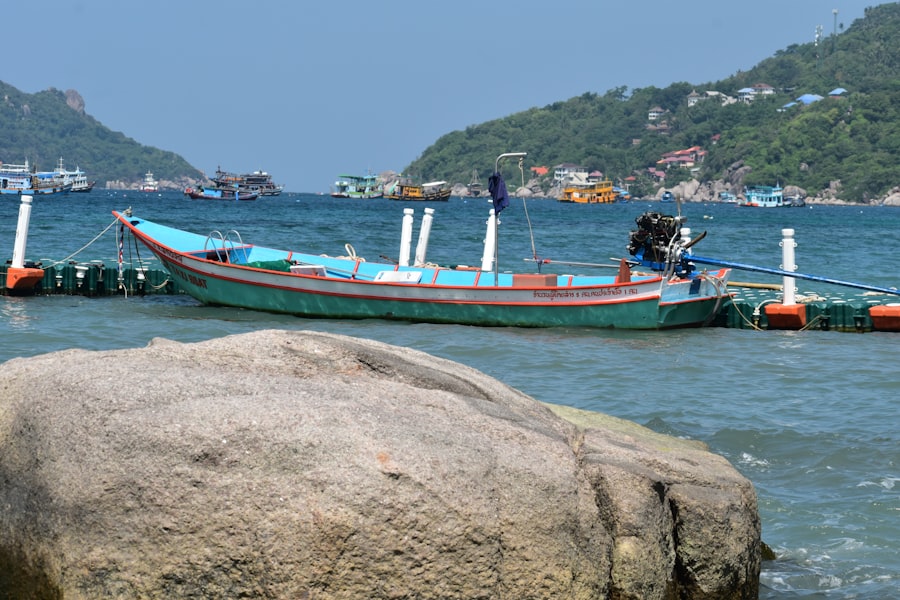
Today, Southeast Asia faces a multitude of threats to its maritime security that pose significant risks to both national and regional stability. Piracy remains a persistent issue, particularly in the Strait of Malacca, one of the busiest shipping lanes in the world. Despite concerted efforts by regional navies and international coalitions to combat piracy, incidents continue to occur, threatening not only commercial shipping but also the safety of seafarers.
The economic implications of piracy are profound, as increased insurance costs and shipping delays can ripple through global supply chains. In addition to piracy, illegal fishing has emerged as a critical challenge for maritime security in Southeast Asia.
Nations are increasingly recognizing the need to protect their marine resources from exploitation, leading to confrontations with foreign fishing vessels. These encounters can escalate into broader conflicts, particularly when they occur in disputed waters. Furthermore, environmental degradation due to pollution and climate change poses long-term threats to the region’s maritime ecosystems, necessitating urgent action from both governments and civil society.
Role of Major Powers in Shaping Maritime Security in Southeast Asia
The role of major powers in shaping maritime security in Southeast Asia cannot be overlooked. The United States, China, and other influential nations have significant interests in the region’s stability and security. The U.S. has historically maintained a strong naval presence in Southeast Asia as part of its commitment to ensuring freedom of navigation and supporting its allies. This presence serves as a counterbalance to China’s growing influence in the region, particularly in light of its assertive claims in the South China Sea. China’s expanding maritime ambitions have led to increased tensions with neighboring countries and have prompted a reevaluation of alliances within Southeast Asia. As China invests heavily in its naval capabilities and infrastructure projects under initiatives like the Belt and Road Initiative, concerns about its intentions have grown among regional actors. The interplay between these major powers creates a complex security environment where smaller nations must navigate their relationships carefully to safeguard their interests while avoiding entanglement in larger geopolitical rivalries.
Efforts by Southeast Asian Countries to Address Maritime Security Challenges
| Metric | Value | Details |
|---|---|---|
| Number of Piracy Incidents (2023) | 45 | Reported cases in Southeast Asia maritime zones |
| Maritime Security Patrols | 1200+ | Joint patrols conducted by ASEAN countries in 2023 |
| Maritime Disputes | 5 Major Disputes | Ongoing territorial disputes in the South China Sea |
| Maritime Security Cooperation Initiatives | 8 | Multilateral agreements and exercises in 2023 |
| Illegal Fishing Incidents | 300+ | Reported illegal fishing activities in regional waters |
| Maritime Security Budget Allocation (2023) | Varies by country | National budgets focused on maritime security enhancement |
| Number of Maritime Security Vessels | Approx. 150 | Combined naval and coast guard vessels in Southeast Asia |
In response to the myriad challenges facing their maritime domains, Southeast Asian countries have undertaken various initiatives aimed at enhancing maritime security. Regional organizations such as the Association of Southeast Asian Nations (ASEAN) have played a pivotal role in fostering dialogue and cooperation among member states. Through platforms like the ASEAN Regional Forum (ARF) and the ASEAN Defense Ministers’ Meeting-Plus (ADMM-Plus), countries have sought to address common security concerns collaboratively.
Bilateral agreements between nations have also emerged as crucial tools for enhancing maritime security. For instance, joint patrols and information-sharing initiatives have been established to combat piracy and illegal fishing effectively. These collaborative efforts not only strengthen regional capabilities but also build trust among nations that may otherwise be wary of each other’s intentions.
As Southeast Asian countries recognize the interconnectedness of their maritime challenges, they are increasingly inclined to work together toward shared solutions.
International Cooperation and Partnerships in Securing Southeast Asia’s Maritime Domain
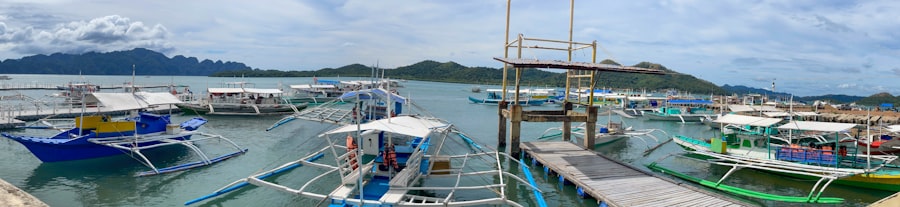
International cooperation is essential for addressing the complex maritime security challenges faced by Southeast Asia. Various partnerships have been established between regional nations and external powers to enhance collective security efforts. For example, joint exercises involving navies from different countries serve not only to improve operational readiness but also to foster mutual understanding and trust among participants.
Moreover, multilateral frameworks such as the East Asia Summit (EAS) provide platforms for dialogue on maritime security issues among a diverse group of stakeholders. These forums facilitate discussions on best practices, capacity building, and information sharing, enabling countries to learn from one another’s experiences. As global attention on maritime security intensifies, international partnerships will play an increasingly vital role in ensuring that Southeast Asia’s waters remain safe and secure for all users.
Legal and Governance Issues in Southeast Asia’s Maritime Security
Legal frameworks governing maritime security in Southeast Asia are often complex and fragmented. The United Nations Convention on the Law of the Sea (UNCLOS) provides a foundational legal framework for maritime activities; however, differing interpretations and competing claims complicate its implementation in practice. Disputes over territorial waters and exclusive economic zones (EEZs) can lead to tensions between nations, particularly when valuable resources are at stake.
Furthermore, governance issues related to enforcement capabilities pose significant challenges for many Southeast Asian countries. Limited resources and varying levels of institutional capacity hinder effective monitoring and enforcement of maritime laws. As a result, illegal activities such as smuggling and unregulated fishing persist despite existing legal frameworks.
Strengthening governance structures and enhancing legal cooperation among nations will be crucial for addressing these challenges effectively.
Technology and Innovation in Maritime Security in Southeast Asia
The integration of technology and innovation into maritime security efforts presents both opportunities and challenges for Southeast Asia. Advances in surveillance technologies, such as satellite imagery and unmanned aerial vehicles (UAVs), have enhanced situational awareness for regional navies and coast guards. These tools enable more effective monitoring of vast maritime areas, allowing authorities to respond swiftly to emerging threats.
However, the rapid pace of technological change also necessitates ongoing investment in training and capacity building for personnel tasked with utilizing these tools effectively. Additionally, cybersecurity concerns are becoming increasingly relevant as digital systems play a more prominent role in maritime operations. Ensuring that technological advancements are harnessed responsibly while addressing potential vulnerabilities will be essential for maintaining robust maritime security in the region.
Environmental and Resource Security Concerns in Southeast Asia’s Maritime Domain
Environmental degradation poses significant risks to maritime security in Southeast Asia’s waters. Issues such as marine pollution, habitat destruction, and climate change threaten not only marine biodiversity but also the livelihoods of coastal communities that depend on healthy ecosystems. The degradation of marine environments can exacerbate existing tensions over resource competition among nations.
Resource security is another critical concern within this context. As demand for fishery resources continues to rise globally, competition over access to these resources intensifies among nations bordering shared waters. This competition can lead to confrontations between fishing vessels from different countries, particularly when illegal fishing practices are involved.
Addressing environmental concerns while ensuring sustainable resource management will be vital for fostering long-term stability in Southeast Asia’s maritime domain.
Future Trends and Projections for Maritime Security in Southeast Asia
Looking ahead, several trends are likely to shape the future landscape of maritime security in Southeast Asia. The increasing frequency of natural disasters due to climate change will necessitate greater collaboration among nations for disaster response and recovery efforts within maritime contexts. Additionally, as global trade patterns evolve, shifts in shipping routes may impact regional dynamics and necessitate adaptive responses from governments.
Furthermore, the rise of non-state actors involved in illicit activities at sea may complicate traditional notions of maritime security. As criminal networks become more sophisticated, regional authorities will need to enhance their capabilities for intelligence sharing and joint operations to counter these threats effectively. The interplay between traditional state-centric security concerns and emerging non-traditional threats will define the future trajectory of maritime security efforts in Southeast Asia.
Strategies for Enhancing Maritime Security in Southeast Asia
In conclusion, enhancing maritime security in Southeast Asia requires a multifaceted approach that addresses historical grievances while fostering cooperation among nations. Strengthening legal frameworks and governance structures will be essential for ensuring effective enforcement against illegal activities at sea. Additionally, investing in technology and innovation can bolster surveillance capabilities while promoting sustainable resource management practices.
International partnerships will play a crucial role in addressing shared challenges while building trust among nations with competing interests. By prioritizing collaboration over confrontation, Southeast Asian countries can work together toward a more secure maritime future that benefits all stakeholders involved. Ultimately, a comprehensive strategy that encompasses legal, technological, environmental, and cooperative dimensions will be vital for safeguarding the region’s vital maritime domain against emerging threats.
Maritime security in Southeast Asia is a critical issue, given the region’s strategic waterways and the increasing threats from piracy and territorial disputes. A related article that delves into the complexities of this topic can be found at MyGeoQuest, where it explores the various challenges and collaborative efforts among Southeast Asian nations to enhance maritime security and ensure safe navigation in these vital waters.
WATCH THIS! 🌍 THE $15 TRILLION GAMBLE: What Happens If The Strait of Malacca Closes For One Week?
FAQs
What is maritime security in Southeast Asia?
Maritime security in Southeast Asia refers to the measures and strategies implemented to protect the region’s vast and strategically important waterways from threats such as piracy, smuggling, illegal fishing, territorial disputes, and maritime terrorism.
Why is maritime security important in Southeast Asia?
Maritime security is crucial in Southeast Asia because the region hosts some of the world’s busiest shipping lanes, including the Strait of Malacca. These waterways are vital for global trade, energy supplies, and regional economic stability. Ensuring security helps maintain safe navigation and protects national sovereignty.
What are the main threats to maritime security in Southeast Asia?
The main threats include piracy and armed robbery at sea, illegal, unreported, and unregulated (IUU) fishing, maritime terrorism, smuggling of goods and people, territorial disputes, and environmental degradation.
Which countries are involved in maritime security efforts in Southeast Asia?
Countries involved include the ten member states of the Association of Southeast Asian Nations (ASEAN) such as Indonesia, Malaysia, Singapore, Thailand, the Philippines, Vietnam, Brunei, Cambodia, Laos, and Myanmar, as well as external partners like China, the United States, Japan, and Australia.
What organizations support maritime security in Southeast Asia?
Key organizations include ASEAN, the ASEAN Regional Forum (ARF), the ASEAN Maritime Forum, the Regional Cooperation Agreement on Combating Piracy and Armed Robbery against Ships in Asia (ReCAAP), and various bilateral and multilateral partnerships.
How do Southeast Asian countries cooperate on maritime security?
Cooperation includes joint patrols, information sharing, capacity building, coordinated law enforcement operations, and diplomatic engagement to resolve disputes and enhance regional maritime governance.
What role does technology play in maritime security in Southeast Asia?
Technology such as satellite surveillance, automatic identification systems (AIS), radar, drones, and maritime domain awareness platforms are used to monitor sea lanes, detect illegal activities, and coordinate responses.
How do territorial disputes affect maritime security in Southeast Asia?
Territorial disputes, particularly in the South China Sea, create tensions that can escalate into conflicts, complicate cooperation, and pose risks to freedom of navigation and regional stability.
What measures are being taken to combat piracy in Southeast Asia?
Measures include increased naval patrols, regional information sharing through ReCAAP, capacity building for coast guards, and international cooperation to apprehend and prosecute pirates.
How does maritime security impact the economy of Southeast Asia?
Secure maritime routes ensure the smooth flow of trade, protect fisheries and marine resources, and attract investment, all of which are vital for the economic growth and development of Southeast Asian countries.