Securing Energy: The Lithium Mining Quest
The modern world, awash in the glow of screens and propelled by the hum of electric vehicles, is powered by a hidden engine. This engine, increasingly, relies on a shimmering silvery-white metal: lithium. As the global demand for batteries – the lifeblood of renewable energy storage and portable electronics – continues an inexorable upward climb, so too does the urgency and complexity surrounding lithium mining. The quest for this vital element is not merely an industrial pursuit; it is a geopolitical imperative, an environmental challenge, and an economic gamble, all intertwined in a global dance for energy security. Understanding the intricacies of lithium extraction is crucial to grasping the future trajectory of our technological and ecological landscape.
Lithium’s meteoric ascent from relative obscurity to a cornerstone of modern technology is a story of chemistry and innovation. Its unique properties make it an ideal element for electrochemical energy storage, a fact that has revolutionized industries ranging from consumer electronics to transportation and utility-scale power grids. Before its widespread adoption in batteries, lithium found niche applications in glass and ceramics, lubricants, and psychiatric medication. However, the advent of the lithium-ion battery in the late 20th century irrevocably altered its destiny.
The Chemistry of Concentration: Why Lithium Powers Our Devices
The fundamental advantage of lithium in battery technology lies in its high electrochemical potential. This means that lithium ions can readily donate their electrons, facilitating a powerful and efficient flow of electricity. In a lithium-ion battery, lithium ions shuttle back and forth between the anode and cathode during charging and discharging cycles. This reversible process, facilitated by an electrolyte, allows for high energy density, meaning a significant amount of energy can be stored in a relatively small and lightweight package. This is precisely why our smartphones can last for hours and electric vehicles can achieve substantial ranges.
Beyond the Smartphone: The Expanding Lithium Battery Ecosystem
While portable electronics were the initial drivers of lithium demand, the landscape has dramatically expanded. The electrification of transportation is arguably the most significant catalyst for future lithium consumption. As governments worldwide implement policies to curb emissions and promote sustainable mobility, electric vehicles (EVs) are transitioning from niche products to mainstream commodities. The batteries required for these vehicles are orders of magnitude larger than those in smartphones, creating a voracious appetite for lithium. Furthermore, the burgeoning renewable energy sector necessitates robust energy storage solutions to buffer the intermittency of solar and wind power. Large-scale battery installations are becoming indispensable for grid stability, further escalating the demand for lithium.
A Finite Resource, An Infinite Demand? The Supply-Side Dilemma
The challenge lies in the fact that lithium, while not exceedingly rare geologically, is not uniformly distributed. Its extraction and processing are complex, energy-intensive, and often accompanied by significant environmental considerations. The current global supply chain is heavily concentrated, and the pace of new mine development and technological innovation in extraction methods is struggling to keep pace with the projected exponential growth in demand. This looming imbalance is the central concern driving the current lithium mining quest.
As the world increasingly shifts towards renewable energy sources, the demand for lithium has surged, making lithium mining a critical component in the quest for energy security. An insightful article that delves into the implications of lithium extraction on both the environment and global energy policies can be found at this link. This resource explores the balance between harnessing lithium for sustainable energy solutions and the environmental challenges posed by its mining processes.
The Global Veins: Where Lithium Is Found and Extracted
Lithium is not a monolithic commodity to be mined from a single, easily accessible deposit. Instead, it is found in various geological settings, each presenting unique extraction challenges and requiring distinct technological approaches. The principal sources of lithium today can be broadly categorized into brines and hard-rock deposits. The geographical distribution of these resources has profound geopolitical and economic implications.
The Salty Seas of Fortune: Lithium Brines
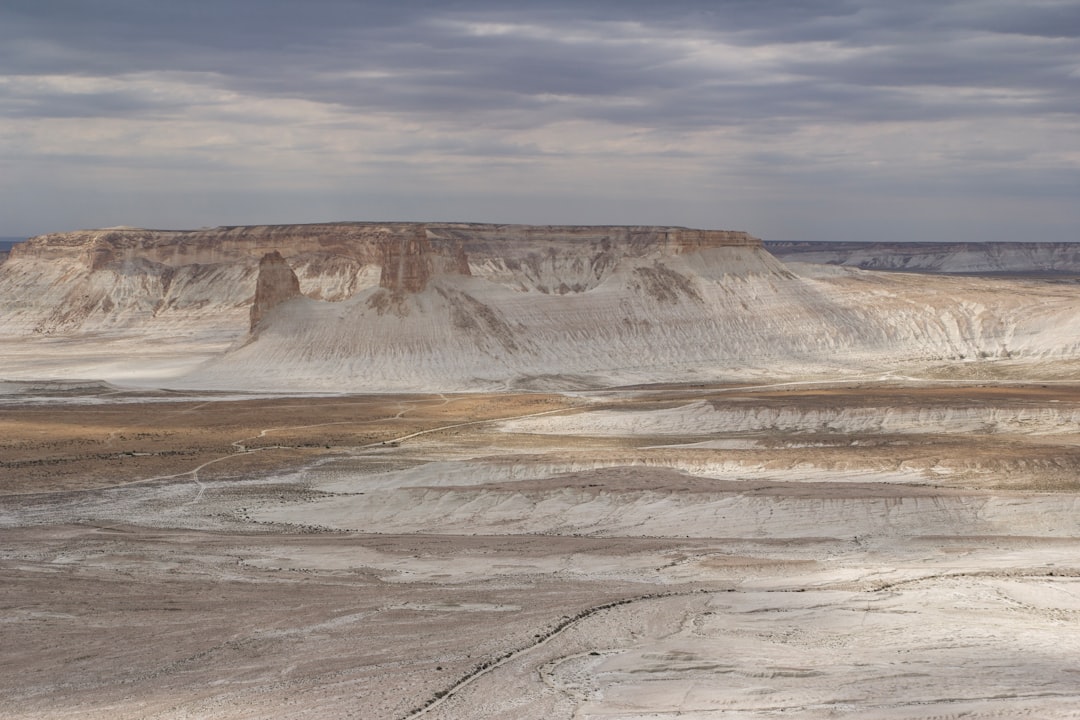
Perhaps the most iconic image associated with lithium extraction is that of vast, shimmering salt flats in arid regions. These “salars” are home to lithium-rich brines, subsurface reservoirs of saline water containing dissolved lithium salts. South America’s “Lithium Triangle,” encompassing parts of Argentina, Bolivia, and Chile, is the world’s leading producer of lithium from brines. The Suzuki method, a dominant extraction technique, involves pumping brine to the surface into large evaporation ponds. The intense solar evaporation concentrates the lithium salts over months, or even years, allowing for subsequent chemical processing to extract the pure lithium.
Pond Perfection: The Evaporation Process
The evaporation process is the heart of brine extraction. Natural sunlight and prevailing winds are harnessed to slowly reduce the water content of the pumped brine. As the water evaporates, the concentration of dissolved salts, including lithium chloride, increases. Different salts precipitate out at different concentrations, allowing for fractional separation. Historically, this process was time-consuming and relied heavily on favourable climatic conditions. Modern operations often employ a series of interconnected ponds, each designed to achieve specific concentration levels, and employ techniques to optimize evaporation rates.
From Salt to Solution: Chemical Processing and Refinement
Once sufficiently concentrated, the brine undergoes further chemical processing. This typically involves precipitation of impurities and then the extraction of lithium itself, often as lithium carbonate or lithium hydroxide. These compounds are then further refined to battery-grade purity, a critical step as even minor impurities can significantly impact battery performance and longevity. The efficiency and environmental impact of these chemical processes are areas of ongoing research and development.
As the world increasingly turns to renewable energy sources, the demand for lithium has surged, prompting a closer examination of lithium mining practices and their implications for energy security. A recent article discusses the challenges and opportunities associated with lithium extraction, highlighting its critical role in the transition to sustainable energy solutions. For more insights on this topic, you can read the full article on lithium mining and energy security. This exploration not only sheds light on the environmental concerns linked to mining but also emphasizes the importance of securing a stable supply of this essential resource.
The Rocky Heart of the Matter: Hard-Rock Lithium Deposits
Away from the sun-drenched salars, significant lithium reserves are locked within hard-rock minerals. The most commercially viable of these are spodumene, petalite, and lepidolite. Australia is currently the world’s largest producer of lithium from hard-rock sources, primarily from spodumene-rich pegmatite deposits in Western Australia. Extraction involves traditional mining techniques, similar to those used for other hard-rock minerals.
Crushing and Grinding: Liberation of the Lithium
Hard-rock mining begins with open-pit or underground extraction of the lithium-bearing ore. Once extracted, the ore is transported to a processing plant where it undergoes crushing and grinding to reduce the particle size. This liberation process is crucial for subsequent mineral separation. The finer the particles, the easier it is to separate the lithium-bearing minerals from the waste rock.
Flotation and Beneficiation: Concentrating the Prize
Following milling, the finely ground ore is typically subjected to froth flotation, a process that separates valuable minerals from waste based on their surface properties. Chemicals are added to the ore slurry, making the lithium-bearing minerals hydrophobic (water-repellent). Air is then bubbled through the slurry, causing the hydrophobic minerals to attach to the air bubbles and rise to the surface as froth, which is then collected. This beneficiation step concentrates the lithium minerals, reducing the volume of material that needs further processing.
Thermal Treatment and Chemical Conversion: Unlocking the Lithium
The concentrated lithium minerals, particularly spodumene, often require high temperatures to convert them into a form that can be chemically processed. This is typically achieved through calcination, a roasting process in a furnace. Spodumene, for example, is converted into a more reactive alpha-spodumene phase. Following calcination, the material undergoes chemical leaching, usually with sulfuric acid, to dissolve the lithium. This leached solution is then processed to extract and refine lithium carbonate or hydroxide to battery-grade specifications.
Emerging Frontiers: Alternative Lithium Sources
Beyond brines and traditional hard-rock mining, the quest for lithium is spurring innovation in alternative extraction methods. These include geothermal brines, where lithium is present in hot springs and geysers, and even the feasibility of extracting lithium from wastewater or industrial sludge. Direct lithium extraction (DLE) technologies, which aim to selectively remove lithium from brines without extensive evaporation, are also gaining traction, promising faster, more efficient, and potentially less environmentally impactful extraction.
The Environmental Footprint: A Thorny Issue in the Lithium Quest
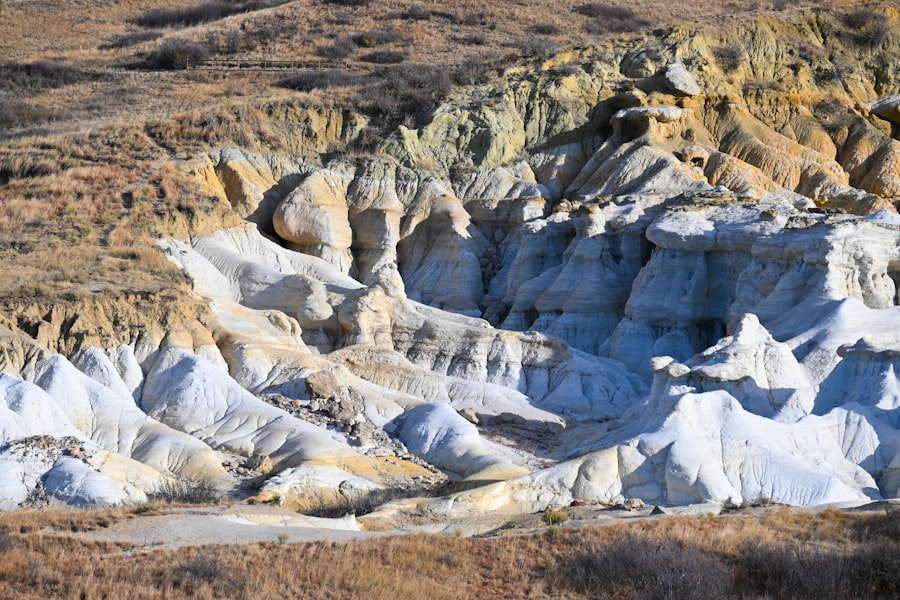
The insatiable demand for lithium, while powering a cleaner energy future, casts a long shadow over the environments where it is extracted. The environmental impact of lithium mining is a complex and often contentious issue, with significant variations depending on the extraction method, geological setting, and local regulatory frameworks. Addressing these impacts is paramount for ensuring that the transition to renewable energy is truly sustainable.
Water, Water Everywhere, Nor Any Drop to Drink? Brine Extraction Concerns
Lithium brine extraction, particularly in arid regions like the South American Lithium Triangle, raises significant concerns about water usage. The evaporation process, while seemingly passive, relies on vast quantities of water to maintain the brine in the ponds. This water is often drawn from local aquifers, which are already scarce resources in these communities. The potential for aquifer depletion and the impact on local ecosystems, including wetlands and dependent biodiversity, are serious environmental considerations. Furthermore, the discharge of spent brines, residual salts, and processing chemicals can pose risks of soil and water contamination if not managed responsibly.
Scarce Resources, Salinated Lands: Water Scarcity and Impact
The communities living in and around salar regions often depend on precariously balanced water resources for agriculture, livestock, and human consumption. The large-scale pumping of groundwater for brine evaporation can directly compete with these needs, exacerbating existing water scarcity and potentially leading to land subsidence. The process can also lead to salinization of surrounding land as evaporation ponds inevitably leak or overflow, rendering land unusable for agriculture.
Chemical Cocktails and Ecosystem Stress: Pollution Risks
While brine extraction primarily relies on evaporation, chemical processing is still involved. The potential for leakage of processing chemicals into surrounding water bodies or soil is a constant risk. Heavy metals, as well as
FAQs
What is lithium mining and why is it important?
Lithium mining is the process of extracting lithium, a key metal used primarily in rechargeable batteries for electric vehicles and energy storage systems. It is important because lithium is essential for the transition to clean energy and the development of sustainable technologies.
How does lithium contribute to energy security?
Lithium contributes to energy security by enabling the production of batteries that store renewable energy and power electric vehicles. This reduces dependence on fossil fuels and helps countries diversify their energy sources, enhancing resilience against supply disruptions.
Where are the major lithium mining regions located?
Major lithium mining regions include the “Lithium Triangle” in South America (Chile, Argentina, and Bolivia), Australia, and China. These areas have large lithium reserves and are key suppliers to the global market.
What are the environmental concerns associated with lithium mining?
Environmental concerns include water depletion, habitat disruption, and pollution from mining operations. Lithium extraction can consume significant water resources, especially in arid regions, and improper waste management can harm local ecosystems.
How is the demand for lithium expected to change in the future?
The demand for lithium is expected to grow significantly due to increasing adoption of electric vehicles, renewable energy storage, and portable electronics. This growth is driving investments in new mining projects and recycling technologies to secure supply.