The deep sea, often referred to as the final frontier of Earth, is home to a wealth of resources and assets that are increasingly becoming targets for various threats. These threats can range from environmental hazards to human-induced risks such as piracy, illegal fishing, and even terrorism. The vastness and remoteness of the deep sea create a unique set of challenges for those tasked with protecting these valuable assets.
As industries such as oil and gas exploration, deep-sea mining, and marine research expand, understanding the multifaceted threats to these underwater treasures becomes paramount. Moreover, the threats to deep sea assets are not limited to physical attacks.
Additionally, the potential for geopolitical tensions over maritime boundaries and resource claims adds another layer of complexity. As nations vie for control over these underwater resources, the security of deep sea assets must be prioritized to ensure their protection against both natural and human threats.
Key Takeaways
- Deep sea assets face various threats including piracy, terrorism, and sabotage
- Physical security measures such as barriers and access control are crucial for protecting deep sea assets
- Advanced surveillance technology like underwater drones and sonar systems can enhance security in deep sea environments
- Security protocols for offshore platforms should include regular drills and emergency response plans
- Securing underwater infrastructure requires specialized equipment and monitoring systems
Implementing Physical Security Measures
To safeguard deep sea assets effectively, implementing robust physical security measures is essential. This includes establishing secure perimeters around offshore platforms and underwater installations. Physical barriers such as fences, gates, and access control systems can deter unauthorized personnel from gaining entry to sensitive areas.
Furthermore, employing security personnel trained in maritime operations can enhance the overall security posture of these assets. Their presence not only acts as a deterrent but also ensures that any suspicious activities are promptly addressed. In addition to personnel and barriers, the design of offshore facilities plays a crucial role in physical security.
Structures should be built with resilience in mind, capable of withstanding harsh marine conditions while also being fortified against potential attacks. Regular maintenance and inspections of these facilities are vital to identify vulnerabilities that could be exploited by malicious actors. By combining human resources with well-designed infrastructure, organizations can create a comprehensive physical security strategy that protects deep sea assets from various threats.
Utilizing Advanced Surveillance Technology
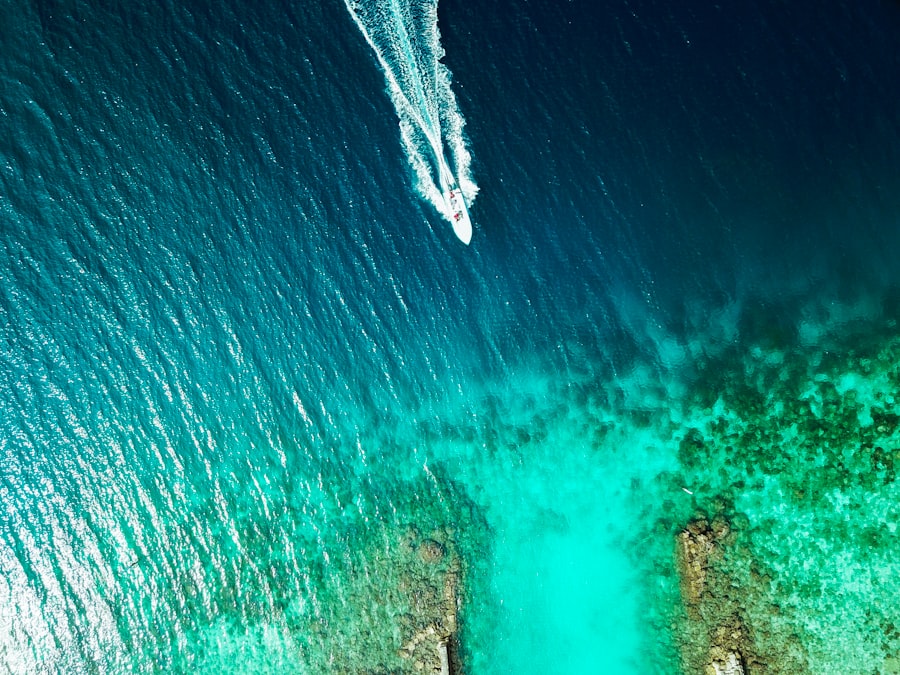
The integration of advanced surveillance technology is revolutionizing the way deep sea assets are monitored and protected. Drones equipped with high-resolution cameras can provide real-time aerial surveillance of offshore platforms, allowing security teams to detect potential threats from above. These unmanned aerial vehicles (UAVs) can cover vast areas quickly, offering a level of situational awareness that was previously unattainable.
Additionally, underwater drones equipped with sonar technology can monitor the seabed for any unauthorized activities or intrusions. Moreover, the use of satellite technology enhances surveillance capabilities by providing global coverage and tracking movements in real-time. This technology allows for the monitoring of shipping routes and fishing activities, helping to identify illegal operations that may threaten deep sea assets.
By leveraging these advanced surveillance tools, organizations can create a proactive security environment that not only detects threats but also enables rapid response measures when necessary.
Developing Security Protocols for Offshore Platforms
| Security Protocols | Offshore Platforms |
|---|---|
| Encryption | 256-bit AES |
| Authentication | Multi-factor authentication |
| Access Control | Role-based access control |
| Monitoring | 24/7 security monitoring |
Establishing comprehensive security protocols is critical for the protection of offshore platforms and their associated assets. These protocols should encompass a wide range of procedures, from access control measures to emergency response plans. A well-defined protocol ensures that all personnel understand their roles and responsibilities in maintaining security, thereby minimizing the risk of human error.
Regular training sessions should be conducted to keep staff updated on the latest security practices and technologies. Furthermore, security protocols must be adaptable to evolving threats. As new risks emerge, organizations should be prepared to revise their protocols accordingly.
This includes conducting regular drills and simulations to test the effectiveness of existing measures and identify areas for improvement. By fostering a culture of continuous improvement in security practices, organizations can enhance their resilience against potential threats to deep sea assets.
Securing Underwater Infrastructure
The protection of underwater infrastructure is a critical component of deep sea asset security. This infrastructure includes pipelines, cables, and other installations that are essential for energy production and communication. Given their vulnerability to both natural disasters and human interference, securing these assets requires specialized strategies.
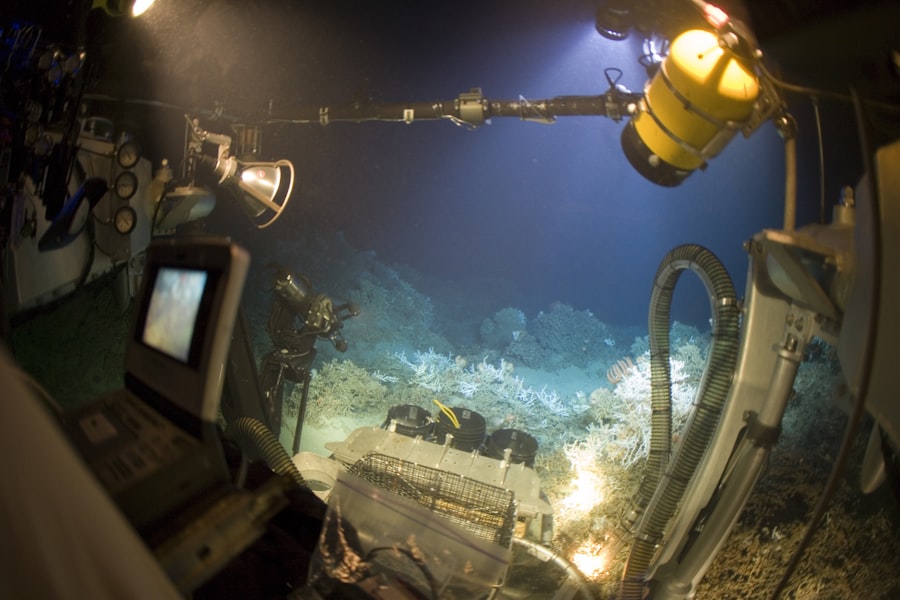
For instance, employing advanced materials that can withstand harsh underwater conditions can help mitigate risks associated with corrosion and damage. Additionally, regular inspections and maintenance of underwater infrastructure are vital for identifying potential weaknesses before they become critical issues. Utilizing remotely operated vehicles (ROVs) equipped with cameras and sensors allows for thorough assessments of underwater installations without putting personnel at risk.
By prioritizing the security of underwater infrastructure, organizations can ensure the integrity of their operations while minimizing the potential for costly disruptions.
Establishing a Rapid Response Plan for Emergencies
In the event of a security breach or emergency situation involving deep sea assets, having a rapid response plan in place is essential. This plan should outline clear procedures for responding to various scenarios, including unauthorized access, environmental disasters, or equipment failures. A well-structured response plan enables organizations to act swiftly and effectively, minimizing potential damage and ensuring the safety of personnel.
Moreover, coordination with local authorities and emergency services is crucial for an effective response. Establishing communication channels with maritime law enforcement agencies ensures that assistance can be mobilized quickly when needed. Regular drills involving all stakeholders can help familiarize personnel with emergency procedures and improve overall response times.
By prioritizing rapid response planning, organizations can enhance their preparedness for any eventuality that may threaten deep sea assets.
Training Security Personnel for Deep Sea Operations
The effectiveness of any security strategy hinges on the competence of the personnel responsible for its implementation. Therefore, training security personnel specifically for deep sea operations is paramount. This training should encompass a variety of topics, including maritime law, emergency response procedures, and the use of advanced surveillance technologies.
By equipping personnel with the necessary skills and knowledge, organizations can ensure that they are prepared to handle any situation that may arise. Additionally, ongoing training programs should be established to keep security personnel updated on emerging threats and best practices in maritime security. This could involve partnerships with specialized training institutions or participation in industry conferences focused on deep sea operations.
By investing in the continuous development of their security teams, organizations can foster a culture of excellence that enhances the overall security posture of their deep sea assets.
Coordinating with Maritime Law Enforcement Agencies
Collaboration with maritime law enforcement agencies is essential for enhancing the security of deep sea assets. These agencies possess valuable resources and expertise that can significantly bolster an organization’s security efforts. Establishing strong relationships with local coast guards and naval forces allows for better coordination during emergencies or security incidents.
Furthermore, sharing intelligence regarding potential threats can lead to more effective preventive measures. Joint training exercises between private security teams and law enforcement agencies can also improve overall readiness for various scenarios. These exercises provide an opportunity for personnel from both sectors to familiarize themselves with each other’s protocols and capabilities, fostering a sense of teamwork that is crucial during real-life incidents.
By working together with maritime law enforcement agencies, organizations can create a more secure environment for their deep sea operations.
Implementing Cybersecurity Measures for Deep Sea Assets
In an increasingly digital world, cybersecurity has become a critical aspect of protecting deep sea assets. The reliance on technology for monitoring and controlling operations makes these systems vulnerable to cyberattacks that could disrupt activities or compromise sensitive data. Implementing robust cybersecurity measures is essential to safeguard against these threats.
This includes employing firewalls, encryption protocols, and intrusion detection systems to protect networks from unauthorized access. Moreover, regular cybersecurity training for personnel is vital in fostering awareness about potential cyber threats and best practices for mitigating risks. Employees should be educated on recognizing phishing attempts and other common tactics used by cybercriminals.
By creating a culture of cybersecurity awareness within the organization, companies can significantly reduce their vulnerability to cyberattacks targeting deep sea assets.
Conducting Regular Risk Assessments and Security Audits
To maintain an effective security posture for deep sea assets, conducting regular risk assessments and security audits is essential. These assessments help identify vulnerabilities within existing security measures and provide insights into potential threats that may have emerged since the last evaluation. By systematically analyzing risks associated with both physical and cyber aspects of operations, organizations can prioritize their resources effectively.
Security audits should encompass all facets of operations, including personnel training, technology usage, and emergency response protocols. Engaging third-party experts in these audits can provide an objective perspective on security practices and highlight areas needing improvement. By committing to regular assessments and audits, organizations can ensure that their security measures remain robust and responsive to evolving threats.
Collaborating with International Partners for Deep Sea Security
Given the global nature of deep sea operations, collaboration with international partners is crucial for enhancing security measures across borders. Many threats to deep sea assets are transnational in nature; therefore, sharing intelligence and best practices among nations can lead to more effective responses to common challenges. Establishing partnerships with other countries’ maritime agencies fosters a collective approach to securing shared resources.
International collaborations can also facilitate joint training programs and exercises aimed at improving readiness for various scenarios involving deep sea assets. By working together on initiatives such as information sharing platforms or joint patrols in contested waters, nations can strengthen their collective security posture while ensuring the protection of vital underwater resources. Through collaboration on an international scale, organizations can enhance their ability to safeguard deep sea assets against an array of threats while promoting sustainable practices in marine environments.
A related article that delves into these methods can be found on MyGeoQuest, which provides valuable insights into the best practices for safeguarding underwater resources. For more information, you can read the article here: MyGeoQuest.
WATCH THIS! The Map You Can’t See is Controlling the World
FAQs
What are deep sea assets?
Deep sea assets refer to any valuable resources or infrastructure located in the deep sea, such as oil and gas platforms, underwater pipelines, communication cables, and mining operations.
Why is it important to secure deep sea assets?
Securing deep sea assets is important to protect them from theft, vandalism, and sabotage, as well as to ensure the safety of personnel and the environment. Additionally, securing these assets helps to maintain the integrity of critical infrastructure and prevent disruptions to global supply chains.
What are some security risks associated with deep sea assets?
Security risks associated with deep sea assets include piracy, unauthorized access, cyber attacks, natural disasters, and geopolitical tensions. These risks can pose significant threats to the safety and security of deep sea operations.
How can deep sea assets be secured?
Deep sea assets can be secured through a combination of physical security measures, such as perimeter fencing, surveillance cameras, and security personnel, as well as technological solutions, such as encrypted communication systems and cybersecurity protocols. Additionally, international cooperation and maritime law enforcement play a crucial role in securing deep sea assets.
What are the potential consequences of failing to secure deep sea assets?
Failing to secure deep sea assets can lead to theft, environmental damage, loss of life, and disruption of critical infrastructure. Additionally, it can result in financial losses for companies and governments, as well as negative impacts on global trade and energy supply.