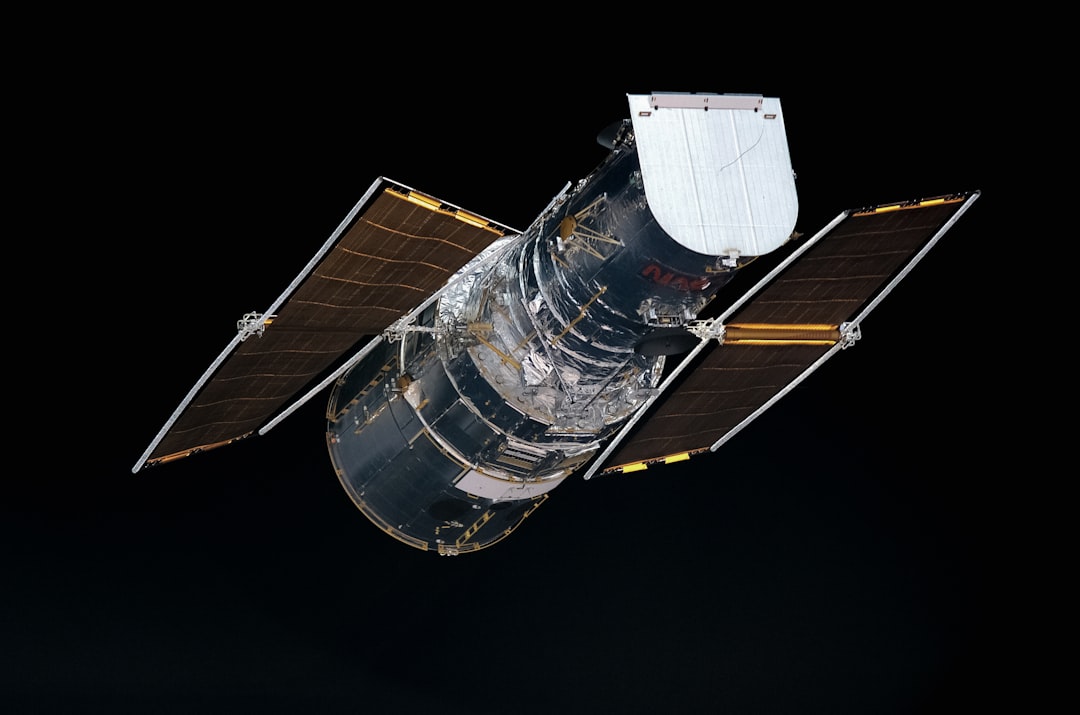
Ground subsidence has become an increasingly important concern for urban development, infrastructure maintenance, and environmental protection. Satellite-based subsidence detection mapping represents a significant advancement in monitoring Earth’s surface changes. This technology uses satellite imagery and remote sensing to collect precise data on ground movement, allowing researchers and planners to identify vulnerable areas and implement preventive measures.
The significance of satellite subsidence detection mapping lies in its practical applications for growing urban areas. As cities expand and resource demands increase, unsustainable practices often contribute to ground instability. Satellite monitoring provides essential information about subsidence patterns, supporting evidence-based planning that balances development with safety and environmental concerns.
This article examines ground movement mechanisms, satellite monitoring capabilities, and the technology’s applications across various industries.
Key Takeaways
- Satellite subsidence detection mapping uses satellite technology to monitor ground movement and detect subsidence accurately.
- Various techniques like InSAR enable precise measurement of ground deformation over time.
- This technology is crucial for industries such as construction, mining, and urban planning to manage risks related to ground instability.
- While offering significant advantages in coverage and accuracy, satellite detection has limitations like data resolution and atmospheric interference.
- Future advancements aim to improve real-time monitoring, enhancing public safety and supporting sustainable development efforts.
Understanding Ground Movement and Subsidence
Ground movement encompasses a range of geological phenomena, including subsidence, uplift, and lateral displacement. Subsidence specifically refers to the gradual sinking or settling of the Earth’s surface, which can occur due to various factors such as natural geological processes, human activities, or a combination of both. Understanding the underlying causes of subsidence is essential for effective monitoring and mitigation strategies.
Natural causes may include the compaction of sediments, tectonic activity, or the dissolution of underground materials like limestone, leading to sinkholes. Human activities also play a significant role in ground movement. Urbanization, mining operations, groundwater extraction, and the construction of large infrastructure projects can all contribute to subsidence.
For instance, excessive withdrawal of groundwater can lead to a decrease in pore pressure within soil layers, causing them to compact and settle. As cities continue to grow and develop, recognizing these contributing factors becomes increasingly vital for urban planners and environmental scientists alike. Learn about the environmental impacts of lithium mining in this informative video.
The Role of Satellites in Monitoring Ground Movement
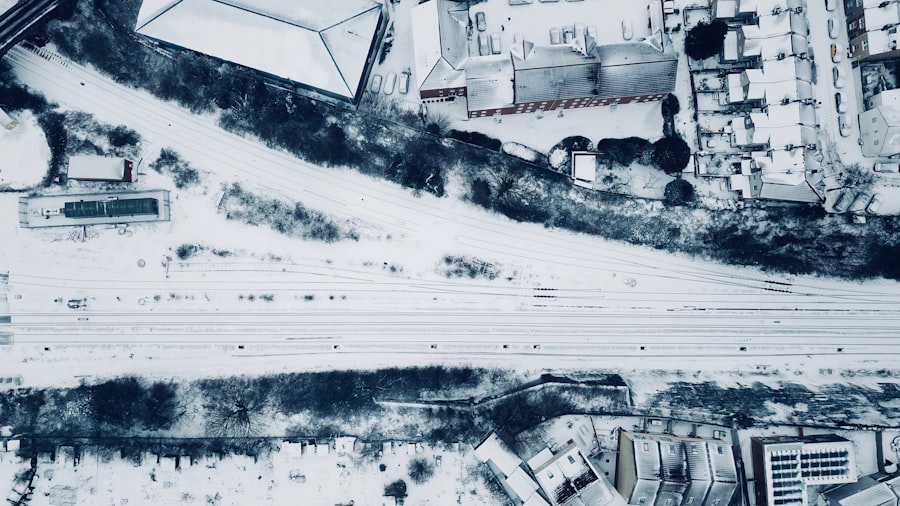
Satellites have revolutionized the way scientists monitor and analyze ground movement. Equipped with advanced sensors and imaging technology, satellites can capture high-resolution images of the Earth’s surface over time. This capability allows for the detection of minute changes in elevation that may indicate subsidence.
By employing techniques such as Synthetic Aperture Radar (SAR) interferometry, researchers can create detailed maps that illustrate ground movement patterns with remarkable precision. The ability to monitor large areas from space provides a comprehensive view of subsidence trends that would be challenging to achieve through traditional ground-based methods. Satellites can cover vast regions in a relatively short time frame, making them invaluable for tracking changes in urban environments or natural landscapes.
Furthermore, satellite data can be integrated with Geographic Information Systems (GIS) to enhance analysis and visualization, enabling stakeholders to make informed decisions based on real-time information.
Techniques and Methods for Satellite Subsidence Detection Mapping
Several techniques are employed in satellite subsidence detection mapping, each with its unique advantages and applications. One of the most widely used methods is Interferometric Synthetic Aperture Radar (InSAR), which utilizes radar signals to measure ground displacement with millimeter-level accuracy. By comparing radar images taken at different times, scientists can identify changes in elevation and create detailed maps of subsidence patterns.
Another technique involves optical remote sensing, which uses visible light to capture images of the Earth’s surface. While optical methods may not provide the same level of precision as InSAR, they can still be effective for monitoring larger-scale changes over time. Additionally, optical imagery can be combined with other data sources to enhance analysis and provide a more comprehensive understanding of ground movement.
Moreover, advancements in machine learning and artificial intelligence are beginning to play a role in satellite subsidence detection mapping. These technologies can analyze vast datasets more efficiently than traditional methods, identifying patterns and anomalies that may indicate subsidence. As these techniques continue to evolve, they hold the potential to improve the accuracy and efficiency of monitoring efforts significantly.
Case Studies of Satellite Subsidence Detection Mapping
| Metric | Description | Typical Range/Value | Unit | Data Source |
|---|---|---|---|---|
| Subsidence Rate | Vertical ground displacement rate detected by satellite | 0 to 50 | mm/year | InSAR (Sentinel-1, TerraSAR-X) |
| Spatial Resolution | Size of the smallest detectable subsidence feature | 5 to 30 | meters | Satellite SAR imagery |
| Temporal Resolution | Frequency of satellite revisit for subsidence monitoring | 6 to 12 | days | Sentinel-1, COSMO-SkyMed |
| Detection Accuracy | Precision of subsidence measurement | ±1 to ±5 | mm | InSAR processing algorithms |
| Area Coverage | Typical size of monitored region per satellite pass | 100 to 250,000 | km² | Satellite SAR swath width |
| Interferometric Coherence | Measure of signal quality for subsidence detection | 0.3 to 1.0 | Unitless (0-1 scale) | InSAR data processing |
| Processing Time | Time required to generate subsidence maps from raw data | Hours to days | Time | Computational resources and algorithms |
Numerous case studies illustrate the effectiveness of satellite subsidence detection mapping in various contexts. One notable example is the monitoring of land subsidence in Mexico City. The city has experienced significant subsidence due to excessive groundwater extraction from aquifers beneath its surface.
Researchers utilized InSAR technology to create detailed maps that revealed areas experiencing rapid sinking. This information has been instrumental in guiding urban planning efforts and implementing sustainable water management practices. Another compelling case study involves the detection of subsidence in Venice, Italy.
The city is renowned for its intricate canal system and historic architecture but faces ongoing challenges related to ground movement. Satellite data has been used to monitor subsidence rates across different neighborhoods, providing valuable insights into which areas are most at risk. This information has informed preservation efforts and infrastructure improvements aimed at safeguarding Venice’s cultural heritage.
Advantages and Limitations of Satellite Subsidence Detection Mapping

The advantages of satellite subsidence detection mapping are numerous. One of the primary benefits is the ability to monitor large areas quickly and efficiently. Unlike traditional ground-based surveys that may require extensive manpower and time, satellite technology allows for rapid data collection over vast regions.
Additionally, satellite data provides a level of precision that enhances understanding of subsidence patterns. The ability to detect changes at millimeter scales enables researchers to identify trends that may not be apparent through other methods.
Furthermore, satellite imagery can be archived and analyzed over time, allowing for long-term studies that contribute to a deeper understanding of ground movement dynamics. However, there are limitations associated with satellite subsidence detection mapping as well. One challenge is the reliance on clear weather conditions for optimal data collection; cloud cover can obstruct satellite imagery and hinder accurate measurements.
Additionally, while satellite technology provides valuable insights into large-scale trends, it may not capture localized variations in subsidence that could be critical for specific infrastructure projects or environmental assessments.
Applications of Satellite Subsidence Detection Mapping in Different Industries
The applications of satellite subsidence detection mapping extend across various industries, each benefiting from enhanced monitoring capabilities. In civil engineering and construction, for instance, understanding ground movement is essential for ensuring the stability of structures. By utilizing satellite data during the planning phase of construction projects, engineers can identify potential risks associated with subsidence and design foundations accordingly.
In agriculture, satellite monitoring can help farmers assess land stability and make informed decisions about crop management practices. For example, areas experiencing subsidence may require different irrigation strategies or soil management techniques to mitigate potential impacts on crop yields. Similarly, environmental scientists use satellite data to monitor ecosystems affected by ground movement, enabling them to develop conservation strategies that account for changing landscapes.
Moreover, insurance companies are increasingly incorporating satellite subsidence detection mapping into their risk assessment models. By understanding areas prone to subsidence-related damage, insurers can better evaluate risks associated with property coverage and adjust premiums accordingly.
Future Developments in Satellite Subsidence Detection Mapping Technology
As technology continues to advance, the future of satellite subsidence detection mapping looks promising. Innovations in sensor technology are expected to enhance the resolution and accuracy of satellite imagery further. For instance, next-generation satellites equipped with improved radar systems may provide even more precise measurements of ground movement over time.
Additionally, the integration of artificial intelligence and machine learning algorithms into data analysis processes holds significant potential for improving monitoring capabilities. These technologies can automate pattern recognition tasks and identify anomalies more efficiently than traditional methods, allowing researchers to focus on interpreting results rather than data processing. Furthermore, collaborations between governmental agencies, research institutions, and private companies are likely to drive advancements in this field.
By pooling resources and expertise, stakeholders can develop comprehensive monitoring systems that leverage satellite data alongside ground-based observations for a more holistic understanding of subsidence dynamics.
Environmental Impacts of Ground Movement and Subsidence
Ground movement and subsidence have far-reaching environmental impacts that extend beyond immediate structural concerns. Ecosystems can be significantly affected by changes in land elevation; for instance, wetlands may experience altered hydrology due to subsiding land levels. This shift can disrupt habitats for various species and lead to declines in biodiversity.
Moreover, subsidence can exacerbate flooding risks in low-lying areas by reducing natural drainage capacity. As land sinks below sea level or adjacent water bodies rise due to climate change effects such as melting ice caps or increased rainfall events, communities may face heightened vulnerability to flooding disasters. Understanding these environmental implications is crucial for developing effective mitigation strategies that prioritize ecosystem health alongside human safety.
Satellite subsidence detection mapping plays a vital role in this process by providing data that informs conservation efforts and sustainable land management practices.
Public Safety and Infrastructure Concerns Related to Ground Movement
Public safety is a paramount concern when it comes to ground movement and subsidence. Infrastructure such as roads, bridges, pipelines, and buildings can be severely compromised by shifting ground levels. In urban areas where populations are dense, the consequences of infrastructure failure can be catastrophic—leading not only to property damage but also posing risks to human life.
Governments and urban planners must prioritize monitoring efforts to identify areas at risk before significant damage occurs. Satellite subsidence detection mapping serves as an essential tool in this regard; by providing real-time data on ground movement trends, authorities can implement timely interventions such as reinforcing structures or adjusting land use policies. Additionally, public awareness campaigns are crucial for educating communities about the risks associated with ground movement.
By fostering an understanding of how subsidence occurs and its potential impacts on safety and infrastructure integrity, stakeholders can encourage proactive measures that enhance resilience against these challenges.
The Importance of Satellite Subsidence Detection Mapping for Sustainable Development
In conclusion, satellite subsidence detection mapping represents a critical advancement in understanding ground movement dynamics and their implications for society and the environment. As urbanization continues to accelerate globally, the need for effective monitoring tools becomes increasingly urgent. By harnessing satellite technology’s capabilities, stakeholders can gain valuable insights into subsidence patterns that inform sustainable development practices.
The integration of satellite data into various industries—from civil engineering to agriculture—demonstrates its versatility as a tool for enhancing decision-making processes across sectors. Furthermore, ongoing advancements in technology promise even greater accuracy and efficiency in monitoring efforts moving forward.
As communities strive toward resilience against ground movement challenges, this innovative approach will play a pivotal role in shaping a sustainable future.
Satellite subsidence detection mapping is a crucial tool for monitoring ground deformation and ensuring the safety of infrastructure. For a deeper understanding of the methodologies and technologies involved in this field, you can refer to a related article on MyGeoQuest. This resource provides valuable insights into the latest advancements in satellite technology and its applications in subsidence detection. To explore this further, visit MyGeoQuest.
WATCH THIS! 🌍 “THE WATER IS GONE: Inside the Desert Killing the EV Revolution
FAQs
What is satellite subsidence detection mapping?
Satellite subsidence detection mapping is a technique that uses satellite data to monitor and measure ground surface deformation, specifically the sinking or settling of the Earth’s surface over time.
How does satellite subsidence detection work?
It works by analyzing satellite radar images taken at different times to detect changes in the Earth’s surface elevation. Techniques like Interferometric Synthetic Aperture Radar (InSAR) compare phase differences between images to identify subsidence patterns.
What are the common causes of subsidence detected by satellites?
Common causes include natural processes such as groundwater extraction, mining activities, oil and gas extraction, soil compaction, and geological factors like tectonic movements.
What types of satellites are used for subsidence detection?
Satellites equipped with Synthetic Aperture Radar (SAR) sensors, such as Sentinel-1, TerraSAR-X, and RADARSAT, are commonly used for subsidence detection due to their ability to capture high-resolution radar images regardless of weather or lighting conditions.
What are the applications of satellite subsidence detection mapping?
Applications include urban planning, infrastructure monitoring, disaster management, environmental studies, mining safety, and assessing the impact of groundwater extraction on land stability.
What are the advantages of using satellite data for subsidence detection?
Satellite data provides wide-area coverage, high spatial resolution, frequent revisit times, and the ability to monitor inaccessible or hazardous areas without ground-based equipment.
Are there limitations to satellite subsidence detection mapping?
Yes, limitations include signal decorrelation in vegetated or water-covered areas, atmospheric disturbances affecting data accuracy, and the need for specialized processing techniques to interpret the data correctly.
How accurate is satellite subsidence detection mapping?
Accuracy can vary but typically ranges from millimeter to centimeter-level precision, depending on the satellite sensor, processing methods, and environmental conditions.
Can satellite subsidence detection mapping predict future subsidence events?
While it can identify trends and ongoing subsidence, predicting future events requires integrating satellite data with geological and hydrological models for comprehensive risk assessment.
Is satellite subsidence detection mapping accessible to the public?
Many satellite datasets, such as those from the European Space Agency’s Sentinel missions, are freely available, and various software tools exist for processing and analyzing subsidence data, making it accessible to researchers and the public.