
Salt Lake City 2030: A Vision for the Future
As Salt Lake City stands on the precipice of a new decade, it is a metropolis in flux, a city actively shaping its future. The year 2030 represents not a fixed destination, but a significant waypoint in a dynamic journey. This vision for Salt Lake City in 2030 is not a utopian dream unanchored from reality, but rather a pragmatic extrapolation of current trends, strategic initiatives, and community aspirations. It is an examination of how the city might evolve, the challenges it will likely face, and the opportunities it can seize to solidify its position as a vibrant, sustainable, and prosperous urban center.
Salt Lake City’s economic landscape is a tapestry woven from threads of technology, life sciences, and government. By 2030, this tapestry is projected to become even richer and more resilient. The city’s strategic focus on innovation, coupled with a burgeoning workforce, positions it to attract and nurture a wider array of industries. This economic diversification is not merely an option; it is a necessity for long-term stability, buffering the city against the cyclical nature of any single sector.
The Continued Ascent of the Tech Sector
The “Silicon Slopes” narrative is more than just a catchy slogan; it is a tangible economic reality. In 2030, Salt Lake City is expected to retain and amplify its status as a key player in the tech ecosystem. The existing infrastructure, a growing pool of skilled talent graduating from local universities, and a favorable business climate will continue to draw tech companies, from startups to established international firms. The focus will likely shift beyond software and cloud computing to encompass emerging fields such as artificial intelligence, cybersecurity, and advanced data analytics. Investment in research and development will be critical, fostering an environment where new technological frontiers can be explored and commercialized. This sustained growth in tech will translate into high-paying jobs, driving consumer spending and further stimulating local businesses.
Nurturing Startup Culture and Entrepreneurship
The spirit of entrepreneurship is a vital engine for economic growth. By 2030, Salt Lake City will have further refined its mechanisms for supporting nascent businesses. This includes enhanced access to seed funding, mentorship programs connecting experienced entrepreneurs with aspiring innovators, and co-working spaces designed to foster collaboration and idea exchange. Initiatives aimed at reducing regulatory barriers and streamlining the process of business formation will play a key role in lowering the hurdles for new ventures. The city will aim to become a “proving ground” for groundbreaking ideas, where the risk of failure is mitigated by robust support systems.
Attracting and Retaining Tech Talent
The war for talent is a constant in the technology industry. Salt Lake City’s vision for 2030 includes robust strategies for attracting and retaining a diverse and highly skilled workforce. This extends beyond competitive salaries and benefits to encompass quality of life factors. Affordable housing options, ample recreational opportunities, and a vibrant cultural scene will be crucial in making the city an attractive place to live and work for tech professionals. Furthermore, ongoing investment in STEM education at all levels, from K-12 to postgraduate programs, will ensure a steady pipeline of qualified local talent, reducing reliance on external recruitment.
The Maturation of the Life Sciences Industry
The life sciences sector, encompassing biotechnology, pharmaceuticals, and medical technology, is another cornerstone of Salt Lake City’s economic future. By 2030, this industry is poised for significant expansion, driven by federal and private investment in biomedical research and innovation. The presence of leading research institutions and hospitals provides a fertile ground for discoveries to be translated into commercial products and services.
Expanding Research and Development Capabilities
The commitment to research and development in the life sciences sector will be a defining characteristic of Salt Lake City in 2030. This will involve increasing funding for university research programs, fostering collaborations between academic institutions and private companies, and supporting the development of specialized research facilities. The focus will be on translating scientific breakthroughs into tangible advancements in healthcare, diagnostics, and therapeutic treatments. Investment in specialized equipment and laboratories will be paramount.
Strengthening the Medical Device and Biotechnology Ecosystem
Salt Lake City has already established a strong foothold in medical devices and biotechnology. By 2030, the city will aim to deepen this expertise, fostering the growth of both established companies and innovative startups. This includes providing incentives for manufacturing and production facilities, supporting the development of specialized training programs for technicians and scientists, and creating regulatory pathways that facilitate the swift and safe introduction of new medical technologies to the market. The goal is to create a fully integrated ecosystem that supports the entire lifecycle of a life science product, from initial discovery to patient accessibility.
The Persistent Influence of Government and Public Sector Employment
As the state capital, Salt Lake City benefits from a stable base of government and public sector employment. In 2030, this sector will continue to provide a significant number of jobs and contribute to the city’s economic stability. However, there will be an increased emphasis on modernizing public services, leveraging technology to improve efficiency and accessibility, and adapting to evolving societal needs.
Enhancing Public Service Delivery Through Technology
The vision for 2030 includes a proactive integration of technology into public service delivery. This means developing user-friendly online platforms for accessing government services, utilizing data analytics to identify areas for improvement, and investing in smart city technologies that enhance urban management and citizen engagement. The aim is to create a more responsive, efficient, and citizen-centric government.
Investing in a Modernized Public Workforce
A forward-looking public sector requires a skilled and adaptable workforce. By 2030, Salt Lake City will have invested in continuous training and professional development for its public employees, equipping them with the skills needed to navigate an increasingly complex world. This includes training in digital literacy, data analysis, and emerging management techniques. The goal is to foster a public workforce that is innovative, efficient, and capable of meeting the evolving needs of the populace.
As Salt Lake City looks towards 2030, various initiatives are being discussed to enhance urban sustainability and community well-being. A related article that delves into these future plans and the potential transformations in the city can be found at this link. This article explores the anticipated developments in infrastructure, green spaces, and public transportation that aim to create a more livable and environmentally friendly urban landscape.
Sustainable Urban Development and Environmental Stewardship
The dramatic natural beauty surrounding Salt Lake City serves as a constant reminder of the importance of environmental stewardship. By 2030, the city’s commitment to sustainability will be a defining characteristic, woven into the fabric of its urban development and daily life. This is not merely about environmental protection; it is about building a resilient and livable city for generations to come.
Advancing Green Infrastructure and Renewable Energy
The transition to a more sustainable energy future is a critical component of Salt Lake City’s 2030 vision. This involves a multi-pronged approach to increasing the adoption of renewable energy sources and enhancing energy efficiency across the urban landscape. The city aims to be a leader in demonstrating how urban environments can harmonize with nature.
Expanding Solar and Wind Power Integration
The integration of solar and wind power into the city’s energy grid will be significantly expanded by 2030. This will include incentivizing residential and commercial solar installations, investing in larger-scale solar and wind farms, and exploring opportunities for community solar projects. Policies will be put in place to encourage energy independence and reduce reliance on fossil fuels. This shift will be like planting a forest of clean energy generators across the city.
Promoting Energy Efficiency in Buildings and Transportation
Energy efficiency will be a cornerstone of new construction and retrofitting projects. By 2030, building codes will likely mandate higher standards for energy performance, encouraging the use of sustainable materials and energy-saving technologies. In transportation, the vision includes a continued push towards electric vehicles, improved public transit infrastructure, and expanded pedestrian and cycling networks, all contributing to a lower carbon footprint.
Enhancing Public Transportation and Transit-Oriented Development
Salt Lake City’s public transportation system serves as the circulatory system of the metropolis. By 2030, this system will be more robust, accessible, and integrated, fostering a shift away from car dependency and promoting more sustainable urban living patterns. The focus will be on creating vibrant communities that are easily navigable without a personal vehicle.
Expanding and Modernizing the Public Transit Network
The expansion and modernization of bus routes, light rail, and commuter rail services will be a key feature of Salt Lake City’s 2030 vision. This includes increasing frequency, extending service areas to underserved neighborhoods, and incorporating technological advancements like real-time tracking and mobile ticketing. The aim is to make public transit a convenient and attractive choice for a larger segment of the population.
Fostering Transit-Oriented Communities
Transit-oriented development (TOD) will be a central strategy for shaping the city’s future growth. By 2030, areas around major transit hubs will be designed to be mixed-use, walkable, and vibrant, integrating residential, commercial, and recreational spaces. This approach will reduce sprawl, support local businesses, and create more desirable living environments that are intrinsically linked to public transportation.
Water Conservation and Resource Management
As a city situated in an arid region, water conservation is not an option but a fundamental imperative. By 2030, Salt Lake City will have implemented advanced strategies and technologies to ensure responsible water management and promote a culture of conservation. This is about safeguarding a precious resource for the present and the future.
Implementing Advanced Water Recycling and Management Systems
The vision for 2030 includes significant investments in advanced water recycling and management systems. This could involve expanded use of reclaimed water for landscaping and industrial purposes, the development of smart water grids that monitor usage and detect leaks, and the promotion of xeriscaping and drought-tolerant landscaping in public and private spaces.
Promoting Water-Conscious Behavior and Education
Beyond technological solutions, fostering water-conscious behavior among residents and businesses will be paramount. By 2030, educational campaigns and incentive programs will be in place to encourage water-saving practices in homes, businesses, and public spaces. This cultural shift will be as important as any technological advancement in ensuring long-term water security.
Social Equity and Community Vibrancy
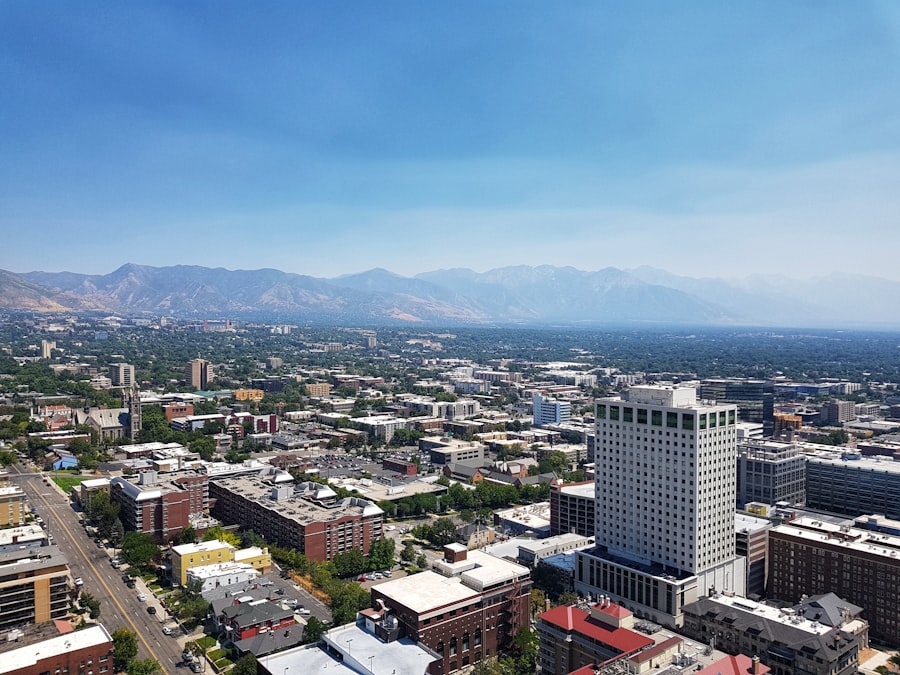
A truly thriving city is one that provides opportunity and belonging for all its residents. Salt Lake City’s vision for 2030 places a strong emphasis on social equity and fostering a vibrant, inclusive community where diversity is celebrated and all individuals have the chance to reach their full potential. This is the bedrock upon which a strong society is built.
Addressing Housing Affordability and Accessibility
The rising cost of housing is a significant challenge facing many urban centers, and Salt Lake City is no exception. By 2030, the city is committed to implementing comprehensive strategies to ensure that housing remains affordable and accessible to a diverse range of incomes and household types. This is about ensuring that the city remains a place where people of all backgrounds can live and thrive.
Expanding Affordable Housing Initiatives
The vision for 2030 includes a significant expansion of affordable housing initiatives. This could involve increased investment in the development of new affordable housing units, the creation of housing trust funds, and the implementation of zoning reforms that encourage the inclusion of affordable housing in new developments. Partnerships with non-profit organizations and private developers will be crucial to achieving these goals.
Implementing Policies to Prevent Displacement
As the city grows and gentrification pressures increase, policies to prevent the displacement of long-term residents will be a priority. By 2030, this could include tenant protection programs, rent stabilization measures in certain areas, and community land trusts that preserve long-term affordability. The city aims to grow inclusively, without pushing out its existing residents.
Fostering Inclusive Economic Opportunities
Economic prosperity in 2030 will be defined not just by growth, but by its equitable distribution. Salt Lake City’s vision includes a commitment to fostering inclusive economic opportunities, ensuring that all residents have access to good jobs, skill development, and pathways to economic advancement. This is about building a city where everyone has a stake in its success.
Supporting Workforce Development and Job Training Programs
Targeted workforce development and job training programs will be crucial for equipping residents with the skills needed for the jobs of the future. By 2030, these programs will likely focus on in-demand sectors such as technology, healthcare, and advanced manufacturing, with an emphasis on providing accessible training and pathways to employment for underserved populations. This is like providing the tools and blueprints for success.
Promoting Small Business Support and Entrepreneurship in Underserved Communities
The vision for 2030 includes a renewed focus on supporting small businesses and fostering entrepreneurship, particularly within underserved communities. This could involve providing access to capital, mentorship, and technical assistance for aspiring entrepreneurs, as well as initiatives to support existing small businesses in navigating the challenges of growth and expansion. This is about empowering local economies from the ground up.
Strengthening Community Engagement and Civic Participation
A vibrant and resilient city is built on the active participation of its citizens. By 2030, Salt Lake City aims to deepen community engagement and foster a culture where civic participation is encouraged, valued, and accessible to all. This is about building a democratic city that is responsive to the needs and aspirations of its people.
Enhancing Citizen Feedback Mechanisms and Participatory Governance
The development of robust citizen feedback mechanisms and participatory governance models will be a priority. By 2030, this could include expanded use of online platforms for public input on policy decisions, the establishment of neighborhood councils with greater influence, and the implementation of participatory budgeting processes. This is about giving citizens a direct voice in shaping their city.
Supporting Local Arts, Culture, and Recreation
Investing in local arts, culture, and recreation is essential for fostering a vibrant and connected community. By 2030, the city will continue to support a diverse range of cultural institutions, public art initiatives, and recreational facilities, ensuring that these amenities are accessible to all residents and contribute to the overall quality of life in Salt Lake City. This is like nurturing the soul of the city.
Infrastructure Modernization and Resilient Urban Design
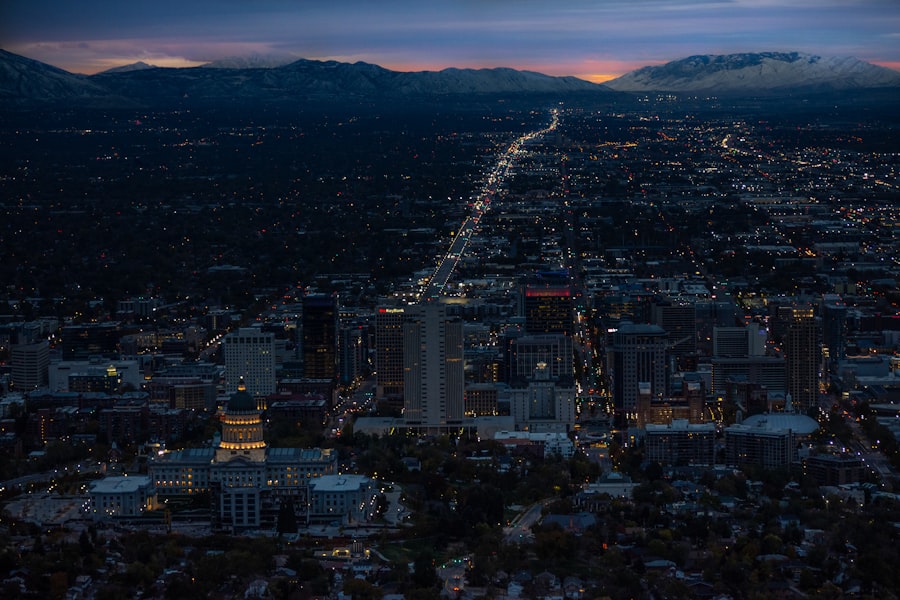
The physical framework of Salt Lake City, its infrastructure, plays a vital role in its functionality, safety, and resilience. By 2030, the city is committed to a comprehensive program of infrastructure modernization, ensuring that its systems are robust, adaptable, and capable of meeting the challenges of a growing population and a changing climate. This is about building a city that can withstand the tests of time and change.
Upgrading Transportation Networks and Smart Mobility Solutions
The movement of people and goods is the lifeblood of any city. By 2030, Salt Lake City will have a significantly upgraded transportation network, embracing smart mobility solutions to enhance efficiency, safety, and sustainability. The goal is to create a seamless and integrated transportation experience.
Implementing Intelligent Traffic Management Systems
The deployment of intelligent traffic management systems will be a key feature of Salt Lake City’s modernized transportation infrastructure. By 2030, this will involve the use of sensors, data analytics, and adaptive signal control to optimize traffic flow, reduce congestion, and improve overall road safety. This is akin to giving the city a sophisticated nervous system for traffic.
Expanding and Integrating Multimodal Transportation Options
The vision for 2030 includes a significant expansion and integration of multimodal transportation options. This means creating seamless connections between public transit, ride-sharing services, micro-mobility options like e-scooters and bike-sharing, and pedestrian pathways. The aim is to provide residents with a diverse range of convenient and sustainable travel choices.
Strengthening Utility Infrastructure and Smart Grid Technologies
Reliable and efficient utility services are fundamental to urban life. By 2030, Salt Lake City will have a strengthened utility infrastructure, incorporating smart grid technologies to enhance reliability, resilience, and sustainability. This is about ensuring that essential services are delivered effectively and efficiently.
Modernizing Water and Wastewater Systems
The modernization of water and wastewater systems will be a significant undertaking by 2030. This involves upgrading aging infrastructure to ensure reliability, improve water quality, and meet the demands of a growing population. Investments in advanced treatment technologies and leak detection systems will be crucial.
Implementing Smart Grid Technologies for Energy Distribution
The adoption of smart grid technologies for energy distribution will enhance the efficiency and reliability of Salt Lake City’s power supply. By 2030, this will involve the implementation of advanced metering, demand-response capabilities, and automated grid management systems to optimize energy flow, integrate renewable energy sources more effectively, and improve outage response times.
Investing in Public Safety and Emergency Preparedness
The safety and security of its residents are paramount. By 2030, Salt Lake City will have invested in advanced public safety measures and enhanced emergency preparedness capabilities to ensure the well-being of its community in the face of potential threats and natural disasters. This is about building a city that is as prepared as it is resilient.
Enhancing Law Enforcement Technology and Community Policing
The vision for 2030 includes the enhancement of law enforcement technology and the strengthening of community policing initiatives. This means leveraging data analytics, advanced communication systems, and evidence-based policing strategies to improve public safety, while also fostering stronger relationships between law enforcement and the communities they serve through increased presence and engagement.
Developing Comprehensive Disaster Preparedness and Response Plans
Comprehensive disaster preparedness and response plans will be a cornerstone of Salt Lake City’s resilience efforts by 2030. This includes developing robust plans for responding to earthquakes, floods, wildfires, and other potential emergencies, as well as investing in early warning systems, public education campaigns, and resource stockpiling to ensure effective mitigation and rapid recovery.
As Salt Lake City looks towards 2030, various factors will shape its future, including urban development, sustainability initiatives, and community engagement. A recent article discusses the potential transformations the city may undergo, highlighting the importance of innovative planning and infrastructure improvements. For those interested in exploring these developments further, you can read more about it in this insightful piece on the future of urban living in Salt Lake City by visiting MyGeoQuest.
Innovation in Governance and Citizen Engagement
| Metric | 2023 Value | Projected 2030 Value | Notes |
|---|---|---|---|
| Population | 1.2 million | 1.5 million | Steady growth due to urban development and migration |
| Renewable Energy Usage | 25% | 60% | Increased investment in solar and wind energy |
| Public Transit Ridership | 50 million trips/year | 85 million trips/year | Expansion of light rail and bus rapid transit systems |
| Green Space per Capita | 15 sq meters | 20 sq meters | More parks and urban green initiatives planned |
| Average Commute Time | 25 minutes | 22 minutes | Improved infrastructure and transit options |
| Air Quality Index (AQI) Annual Average | 65 (Moderate) | 45 (Good) | Stricter emissions regulations and cleaner energy |
| Affordable Housing Units | 12,000 units | 20,000 units | Focus on reducing housing shortage |
The way a city is governed and how it engages with its citizens are crucial indicators of its forward-thinking nature. By 2030, Salt Lake City aims to be a leader in innovative governance, leveraging technology and citizen-centric approaches to create a more responsive, transparent, and participatory municipal government. This is about building a partnership between the city and its people.
Embracing Data-Driven Decision Making and Open Data Initiatives
Data is the new currency of effective urban management. By 2030, Salt Lake City will fully embrace data-driven decision making, utilizing comprehensive data collection and analysis to inform policy, optimize resource allocation, and improve service delivery. This will be complemented by robust open data initiatives, making city data accessible to the public, fostering transparency, and enabling innovation. This is like opening the city’s control panel to its citizens.
Utilizing Analytics for Urban Planning and Service Optimization
The application of advanced analytics will inform critical urban planning decisions, from transportation routes to land use. By 2030, city departments will be equipped with the tools and expertise to leverage data for optimizing service delivery, predicting future needs, and identifying areas for improvement. This is about making informed choices that benefit all residents.
Promoting Transparency Through Open Data Platforms
Open data platforms will be a key mechanism for promoting transparency and accountability. By 2030, Salt Lake City will have comprehensive datasets readily available to the public, empowering researchers, entrepreneurs, and citizens to analyze city performance, identify trends, and contribute to civic discourse. This also fosters innovation, as developers can build applications and services utilizing this open data.
Fostering a Culture of Innovation and Agility in City Administration
The pace of change in the 21st century demands a nimble and innovative approach to city administration. By 2030, Salt Lake City will cultivate a culture that encourages innovation, embraces experimentation, and fosters agility within its municipal departments. This is about ensuring the city can adapt and thrive in an ever-evolving world.
Implementing Agile Methodologies in Project Management
The adoption of agile methodologies will streamline project management within city departments, allowing for more flexible and iterative approaches to developing and implementing new initiatives. This will lead to faster problem-solving, better adaptation to changing requirements, and more efficient use of resources.
Encouraging Cross-Departmental Collaboration and Idea Sharing
Breaking down departmental silos and fostering cross-collaboration will be a key focus. By 2030, initiatives will be in place to encourage idea sharing, joint problem-solving, and the exchange of best practices across different city agencies, leading to more integrated and effective solutions.
Empowering Citizens Through Digital Tools and Platforms
The digital revolution offers unprecedented opportunities for citizen empowerment. By 2030, Salt Lake City will have embraced digital tools and platforms to enhance citizen engagement, streamline communication, and provide more accessible avenues for civic participation. This is about making the city more accessible and responsive to its residents.
Developing User-Friendly Digital Portals for City Services
The development of user-friendly digital portals will provide residents with a single point of access for a wide range of city services, from paying bills to reporting issues. These platforms will be designed with accessibility and ease of use in mind, ensuring that all residents can benefit from digital convenience.
Leveraging Social Media and Digital Platforms for Civic Dialogue
Social media and other digital platforms will be actively utilized for fostering civic dialogue and gathering public input. By 2030, city officials will engage with residents online, solicit feedback on policy proposals, and facilitate discussions on important community issues. This is about creating an ongoing conversation between the city government and its citizens.
The vision for Salt Lake City in 2030 is one of considered progress, a city actively building upon its strengths while addressing its challenges head-on. It is a vision of a forward-looking metropolis, grounded in the principles of sustainability, equity, and innovation, and driven by the collective aspirations of its people. The path to 2030 is not without its complexities, but the trajectory is clear: a commitment to creating a more resilient, prosperous, and livable city for all.
FAQs
What are the key development projects planned for Salt Lake City by 2030?
Salt Lake City has several major development projects planned by 2030, including expansions in public transportation, sustainable housing initiatives, and the enhancement of green spaces. The city aims to improve infrastructure to support a growing population while focusing on environmental sustainability.
How is Salt Lake City addressing environmental concerns for the future?
Salt Lake City is implementing various measures to address environmental concerns, such as increasing renewable energy usage, promoting electric vehicle adoption, and enhancing air quality monitoring. The city is also investing in water conservation programs and urban forestry to combat pollution and climate change effects.
What role will technology play in Salt Lake City’s future by 2030?
Technology is expected to play a significant role in Salt Lake City’s future, with smart city initiatives aimed at improving traffic management, public safety, and energy efficiency. The city plans to integrate advanced data analytics and IoT devices to create a more connected and responsive urban environment.
How is Salt Lake City planning to accommodate population growth by 2030?
To accommodate population growth, Salt Lake City is focusing on expanding affordable housing, improving public transit options, and developing mixed-use neighborhoods. The city is also working on policies to ensure equitable access to services and amenities for all residents.
What transportation improvements are expected in Salt Lake City by 2030?
Transportation improvements in Salt Lake City by 2030 include the expansion of light rail and bus rapid transit systems, increased bike lanes, and the promotion of pedestrian-friendly infrastructure. These efforts aim to reduce traffic congestion and lower carbon emissions while enhancing mobility for residents.