
The removal of dams has emerged as a pivotal strategy in the effort to restore salmon populations across various river systems. Dams, while historically significant for water management and energy production, have often created barriers that disrupt the natural migratory patterns of salmon. When these structures are dismantled, the immediate effect is a resurgence in salmon populations, as they regain access to upstream spawning habitats that had been previously blocked.
This newfound access allows for greater genetic diversity and healthier populations, as salmon can return to their ancestral breeding grounds, which are crucial for their life cycle. Moreover, the ecological benefits of dam removal extend beyond just the salmon themselves. The reestablishment of natural river flow patterns leads to improved water quality and habitat restoration for a myriad of aquatic species.
As salmon thrive, they contribute to the overall health of the ecosystem, providing nutrients that support other wildlife and plant life. The positive ripple effects of dam removal underscore its significance not only for salmon but for the entire riverine ecosystem, highlighting the interconnectedness of species and their habitats.
Key Takeaways
- Dam removal significantly improves salmon populations by restoring natural migration routes and habitats.
- Historical dam construction disrupted salmon life cycles, leading to population declines.
- Successful case studies show salmon can rapidly return and thrive after dam removal.
- Collaboration among stakeholders and supportive government policies are crucial for effective dam removal projects.
- Public involvement and awareness play a key role in advancing salmon conservation and dam removal efforts.
The History of Dam Construction and Its Effects on Salmon
The history of dam construction in North America is a tale of ambition and unintended consequences. Beginning in the late 19th century, the proliferation of dams was driven by the need for hydroelectric power, irrigation, and flood control. However, these structures often came at a steep cost to the environment, particularly for salmon populations.
The construction of dams altered river flows, created stagnant pools, and blocked access to critical spawning grounds. As a result, salmon populations began to decline dramatically, leading to concerns about their long-term survival. The impact of these barriers was not immediately apparent; however, over decades, the consequences became increasingly evident.
Salmon runs that once numbered in the millions dwindled to mere thousands in some regions. The loss of genetic diversity due to restricted access to spawning sites further exacerbated the decline. This historical context is essential for understanding the current movement towards dam removal as a means of reversing these detrimental effects and restoring salmon populations to their former glory.
The Benefits of Dam Removal for Salmon Habitat

The benefits of dam removal extend far beyond simply allowing salmon to migrate freely; they encompass a comprehensive restoration of habitat that is vital for the species’ survival. When dams are removed, rivers can return to their natural state, which includes the restoration of sediment transport and natural flow regimes. This process revitalizes riverbanks and floodplains, creating diverse habitats that support not only salmon but also other fish species and wildlife.
The reestablishment of these ecosystems is crucial for maintaining biodiversity and ensuring the resilience of aquatic environments. Additionally, dam removal can lead to improved water quality. Dams often create stagnant water bodies that can become breeding grounds for harmful algae blooms and reduce oxygen levels necessary for fish survival.
By restoring flowing water conditions, dam removal enhances oxygenation and reduces pollutants, creating a healthier environment for salmon and other aquatic organisms. The cumulative benefits of these changes contribute significantly to the overall health of river ecosystems, making dam removal a critical component in salmon conservation efforts.
Case Studies of Successful Salmon Return After Dam Removal
| Case Study | Location | Dam Removed | Year of Removal | Salmon Species | Return Rate Increase (%) | Time to Salmon Return (Years) | Additional Notes |
|---|---|---|---|---|---|---|---|
| Elwha River | Washington, USA | Elwha and Glines Canyon Dams | 2011-2014 | Chinook, Coho, Pink | 400% | 2 | Largest dam removal project in US history; rapid salmon recolonization observed. |
| Penobscot River | Maine, USA | Veazie and Great Works Dams | 2012-2013 | Atlantic Salmon, Alewife | 300% | 3 | Part of a larger river restoration effort improving fish passage. |
| Elwha River Tributary | Washington, USA | Ediz Hook Dam | 2012 | Chinook | 250% | 1 | Smaller dam removal with immediate positive impact on salmon spawning. |
| Boardman River | Michigan, USA | Brown Bridge Dam | 2013 | Steelhead Trout, Chinook | 350% | 2 | Dam removal led to restored river connectivity and improved habitat. |
| White Salmon River | Washington, USA | Condon Dam | 2011 | Chinook, Coho | 200% | 2 | Salmon populations rebounded quickly after dam removal. |
Numerous case studies illustrate the positive outcomes associated with dam removal and the subsequent return of salmon populations. One notable example is the Elwha River in Washington State, where two large dams were removed in 2011. This ambitious project marked one of the largest dam removals in U.S.
history and aimed to restore over 70 miles of habitat for salmon. Following the removal, researchers observed a remarkable increase in salmon populations, with species such as Chinook and coho returning in numbers not seen for decades. The Elwha River serves as a powerful testament to the potential for recovery when natural river systems are restored.
Another compelling case is found in the Penobscot River in Maine, where a collaborative effort led to the removal of two dams while allowing another to remain operational with fish passage improvements. This innovative approach resulted in significant increases in migratory fish populations, including Atlantic salmon. The success of these projects highlights not only the ecological benefits but also the potential for community engagement and economic revitalization through improved fisheries and recreational opportunities.
The Role of Dam Removal in Restoring Natural River Ecosystems
Dam removal plays a crucial role in restoring natural river ecosystems by reestablishing hydrological processes that have been disrupted for decades. Rivers are dynamic systems that rely on sediment transport, seasonal flooding, and natural flow variations to maintain their ecological integrity. When dams are removed, these processes can resume, leading to healthier habitats for fish and other wildlife.
The restoration of natural sediment transport helps rebuild riverbanks and create diverse habitats that support various life forms. Furthermore, the reintroduction of natural flow patterns can enhance riparian zones—areas adjacent to rivers that are critical for biodiversity. These zones provide essential habitat for numerous species while also serving as buffers against pollution and erosion.
By removing dams, communities can witness a revitalization of their local ecosystems, fostering a sense of stewardship and connection to nature that benefits both wildlife and human populations.
The Economic and Environmental Benefits of Salmon Thriving
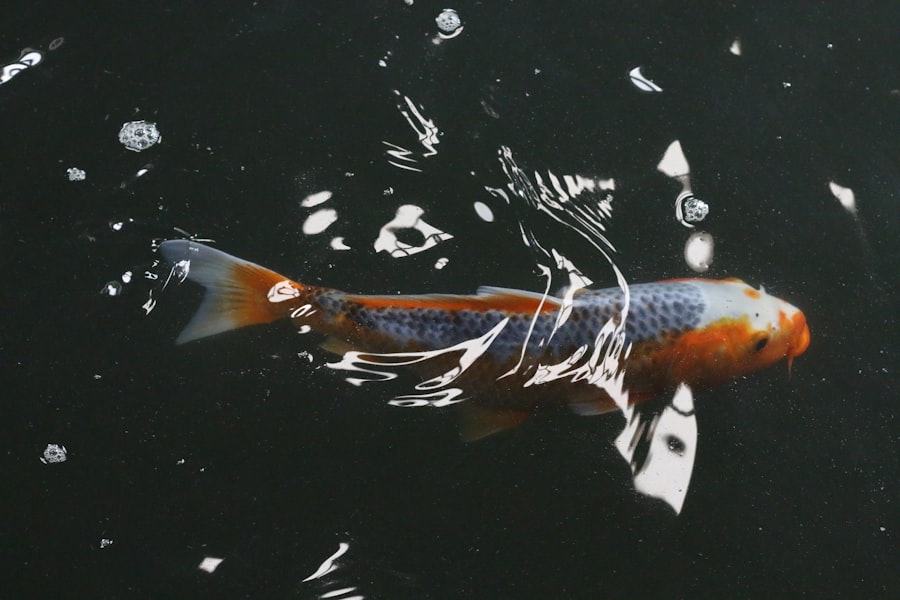
The thriving of salmon populations post-dam removal brings with it a host of economic and environmental benefits that extend beyond mere fish counts. Healthy salmon runs contribute significantly to local economies through commercial fishing, tourism, and recreational activities such as fishing and wildlife watching. Communities that embrace salmon conservation often find new opportunities for sustainable economic development that aligns with environmental stewardship.
Moreover, thriving salmon populations play an essential role in maintaining ecological balance within river systems. As apex predators and keystone species, salmon contribute nutrients to both aquatic and terrestrial ecosystems through their life cycles. When they spawn and die, they provide vital nourishment for other wildlife, including bears, eagles, and even trees along riverbanks.
Challenges and Obstacles in the Process of Dam Removal
Despite the clear benefits associated with dam removal, several challenges and obstacles can impede progress in these initiatives.
Securing this funding often involves navigating complex bureaucratic processes that can delay projects for years.
Additionally, there are social and political challenges to consider. Stakeholders may have differing opinions on dam removal based on their interests—such as energy production or recreational use—which can lead to conflicts during planning stages. Engaging with local communities and addressing their concerns is crucial for building consensus around dam removal projects.
Without strong community support, efforts may falter or face significant opposition.
The Importance of Collaboration and Stakeholder Involvement in Dam Removal Projects
Collaboration among stakeholders is vital for the success of dam removal projects. Engaging local communities, government agencies, environmental organizations, and industry representatives fosters a sense of shared responsibility and ownership over river restoration efforts. By bringing diverse perspectives together, stakeholders can develop comprehensive plans that address ecological needs while considering economic implications.
Public involvement is particularly important in building trust and ensuring transparency throughout the process. Community meetings, educational workshops, and outreach programs can help inform residents about the benefits of dam removal while also addressing any concerns they may have about potential impacts on local resources or livelihoods. When stakeholders work together towards a common goal—restoring healthy river ecosystems—the likelihood of successful project implementation increases significantly.
The Role of Government Policies and Regulations in Facilitating Dam Removal
Government policies play a crucial role in facilitating dam removal initiatives by providing regulatory frameworks that support environmental restoration efforts. Federal agencies such as the U.S. Fish and Wildlife Service and state environmental departments often oversee permitting processes related to dam removals.
These regulations ensure that projects adhere to environmental standards while also considering public safety and resource management. In recent years, there has been a growing recognition among policymakers about the importance of restoring natural ecosystems for both ecological health and community resilience. This shift has led to increased funding opportunities for dam removal projects through grants and conservation programs aimed at enhancing fish habitats.
By prioritizing policies that support sustainable river management practices, governments can help pave the way for more successful dam removals across the country.
The Future of Salmon Conservation and Dam Removal Efforts
The future of salmon conservation is closely tied to ongoing efforts surrounding dam removal initiatives. As awareness grows about the ecological impacts of dams on fish populations, more communities are advocating for restoration projects that prioritize natural river systems over outdated infrastructure. This shift reflects a broader understanding of the interconnectedness between human activities and environmental health.
Looking ahead, it is essential for conservationists to continue building partnerships with local communities, government agencies, and private stakeholders to ensure sustained momentum behind dam removal efforts. Innovative approaches—such as hybrid solutions that balance energy needs with ecological restoration—may also emerge as viable options moving forward. Ultimately, fostering collaboration will be key in creating resilient ecosystems capable of supporting thriving salmon populations well into the future.
How Individuals Can Support Salmon Thriving and Dam Removal Initiatives
Individuals play an essential role in supporting salmon conservation efforts and advocating for dam removal initiatives within their communities. One effective way to contribute is by participating in local conservation organizations or volunteering for river restoration projects that focus on habitat improvement or monitoring fish populations. Engaging with these groups not only helps raise awareness but also fosters a sense of community around shared environmental goals.
Additionally, individuals can advocate for policy changes at local or national levels by contacting elected officials or participating in public forums focused on environmental issues. Supporting legislation that prioritizes sustainable water management practices or funding for dam removal projects can significantly impact future conservation efforts. By educating themselves about the importance of healthy river ecosystems and sharing this knowledge with others, individuals can help create a groundswell of support for initiatives aimed at restoring salmon populations through dam removal efforts.
The return of salmon to their natural spawning grounds has been a significant topic of discussion following the removal of various dams across the country. A related article that delves into the ecological impacts of dam removal and the subsequent resurgence of salmon populations can be found at this link. This article provides valuable insights into how restoring river ecosystems can benefit not only fish species but also the overall health of aquatic environments.
WATCH THIS! The $50 Billion Lie: America’s Dams Are About to Fail (60-Minute Documentary)
FAQs
What happens to salmon populations after a dam is removed?
After a dam is removed, salmon populations often experience a significant increase in their numbers. The removal restores natural river flow and access to upstream spawning habitats, which were previously blocked by the dam, allowing salmon to complete their life cycle more effectively.
Why do dams affect salmon migration?
Dams create physical barriers that prevent salmon from reaching their upstream spawning grounds. This interruption in migration can reduce reproduction rates and lead to population declines. Additionally, dams can alter water temperature and flow, negatively impacting salmon habitat.
How long does it take for salmon to return after dam removal?
The time it takes for salmon to return varies depending on the river system and the extent of habitat restoration. In some cases, salmon have been observed returning within a few months to a few years after dam removal, as they quickly take advantage of newly accessible spawning areas.
Are there any environmental benefits besides salmon returning after dam removal?
Yes, dam removal can improve overall river ecosystem health by restoring natural sediment transport, improving water quality, and enhancing habitat for a variety of aquatic and terrestrial species. It can also reduce the risk of flooding and improve recreational opportunities.
Do all salmon species benefit equally from dam removal?
Not all salmon species benefit equally, as their migration patterns and habitat requirements differ. However, most anadromous salmon species that rely on access to upstream freshwater spawning grounds generally benefit from dam removal.
What challenges remain for salmon recovery after dam removal?
Challenges include ensuring that upstream habitats are suitable and not degraded, managing invasive species, addressing water quality issues, and mitigating other human impacts such as overfishing and climate change. Continuous monitoring and habitat restoration efforts are often necessary to support long-term salmon recovery.
Can dam removal negatively impact other species or human activities?
While dam removal generally benefits river ecosystems, it can sometimes lead to short-term sediment release that affects water quality downstream. Additionally, changes in water flow can impact species adapted to reservoir environments and may affect water supply or hydroelectric power generation, requiring careful planning and management.