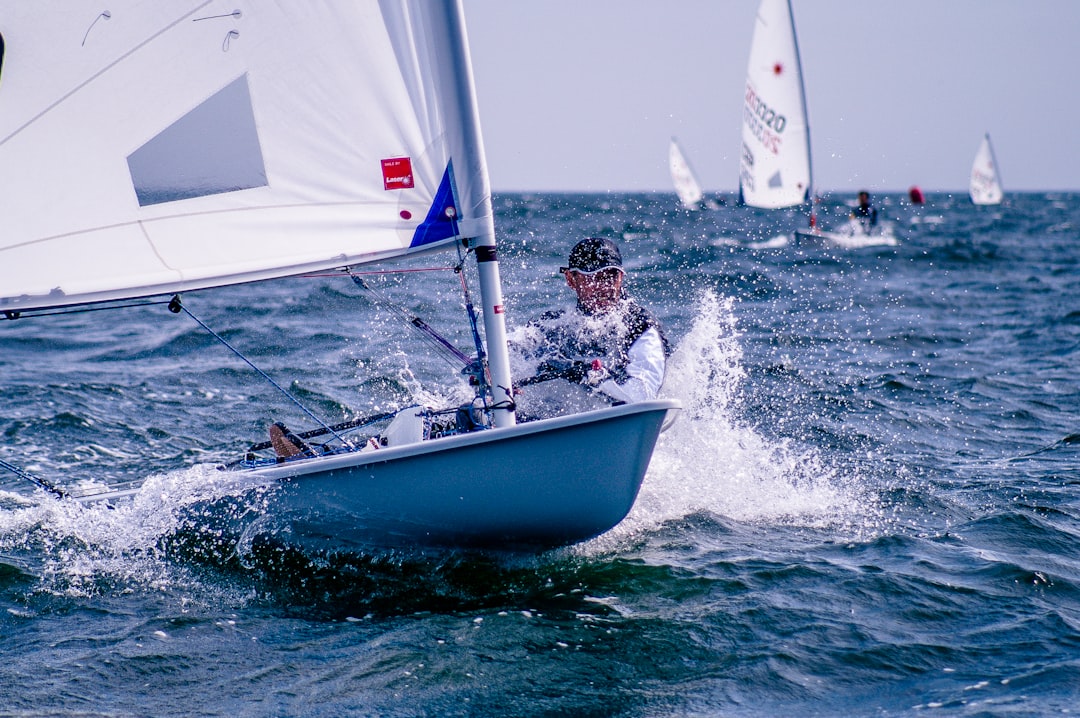
Hurricane force winds, defined as sustained winds exceeding 74 miles per hour, represent one of the most severe weather hazards encountered at sea. These winds generate substantial risks to vessel structural integrity and crew safety. The extreme wind speeds produce large waves, turbulent currents, and severe sea conditions capable of challenging even experienced mariners.
Knowledge of these hazards is essential for maritime safety, enabling proper preparation and effective emergency response. The consequences of hurricane force winds extend beyond immediate physical threats. Sailors may experience significant psychological stress, including fear of vessel capsizing or loss of control, which can impair judgment and decision-making.
Equipment failure becomes a critical concern under these conditions, as sails may tear, rigging may fail, and hull damage can result from sustained wave impact. Comprehensive risk assessment and mitigation planning are necessary components of safe maritime operations in extreme weather.
Key Takeaways
- Recognize the severe risks and challenges posed by hurricane force winds to ensure proper preparation.
- Implement thorough safety measures and emergency protocols before and during sailing in such extreme conditions.
- Maintain clear communication and coordination with coast guard and rescue services for timely assistance.
- Focus on psychological resilience and stress management to handle the mental demands of hurricane sailing.
- Conduct post-storm damage assessments and utilize available resources to recover and learn from the experience.
Preparing Your Boat for Sailing in Hurricane Force Winds
Preparation is key when it comes to sailing in hurricane force winds. Sailors must ensure that their vessels are equipped to handle the extreme conditions they may face. This begins with a thorough inspection of the boat, checking for any signs of wear and tear that could compromise its seaworthiness.
Sailors should pay particular attention to the rigging, sails, and hull integrity, as these components are critical for maintaining control during a storm. Reinforcing weak points and ensuring that all equipment is in top condition can make a significant difference when navigating through hurricane conditions. In addition to physical preparations, sailors should also consider their onboard supplies and safety equipment.
Stocking up on essential items such as food, water, first aid kits, and emergency flares is vital. Furthermore, ensuring that life jackets are readily accessible and in good condition can save lives in the event of an emergency. Sailors should also familiarize themselves with their vessel’s emergency systems, including bilge pumps and communication devices, to ensure they can respond effectively if the situation deteriorates. The treacherous waters of the Drake Passage are known for their unpredictable weather and challenging navigation.
Navigating the Storm: Tips for Sailing Through Hurricane Force Winds
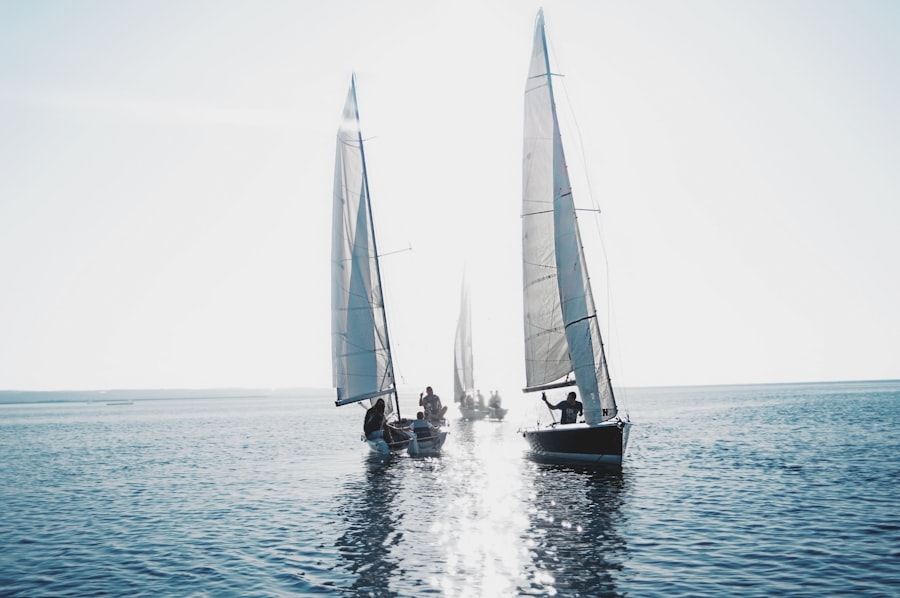
When faced with hurricane force winds, navigation becomes a critical skill that can determine the outcome of a sailing experience. Sailors must remain calm and focused, employing strategic maneuvers to maintain control of their vessel. One effective approach is to reduce sail area as much as possible to minimize wind resistance.
This may involve reefing sails or using storm sails designed specifically for high-wind conditions. By reducing the amount of sail exposed to the wind, sailors can better manage their speed and direction. Another important aspect of navigating through a storm is understanding wind patterns and sea conditions.
Sailors should be aware of how wind shifts can affect their course and be prepared to adjust their heading accordingly. Utilizing navigational tools such as GPS and radar can provide valuable information about surrounding weather systems and help sailors make informed decisions about their route. Additionally, maintaining a steady hand on the helm and being prepared for sudden changes in wind direction or intensity is essential for keeping the boat on course.
Safety Measures for Sailing in Hurricane Force Winds
Safety measures are paramount when sailing in hurricane force winds. One of the most critical steps is to establish a clear plan for communication among crew members. Each person on board should understand their role during a storm and how to execute emergency procedures effectively.
Regular drills can help reinforce these protocols, ensuring that everyone knows what to do in case of an emergency. Moreover, it is essential to secure all loose items on the boat before the storm hits. Anything that is not tied down can become a dangerous projectile in high winds, posing risks to both crew members and the integrity of the vessel.
Additionally, sailors should consider using harnesses or safety lines to prevent falls overboard during turbulent conditions. By prioritizing safety measures and fostering a culture of preparedness among crew members, sailors can significantly enhance their chances of weathering a storm safely.
Communication and Coordination with Coast Guard and Rescue Services
| Wind Speed (knots) | Beaufort Scale | Wind Description | Effect on Sailing | Recommended Action |
|---|---|---|---|---|
| 64 – 72 | 12 | Hurricane Force Winds | Extreme difficulty; sails likely to be torn; loss of control | Avoid sailing; seek safe harbor or secure vessel immediately |
| 48 – 63 | 10 – 11 | Storm to Violent Storm | Very challenging; heavy seas; risk of dismasting | Reduce sail area; prepare for heavy weather conditions |
| 34 – 47 | 8 – 9 | Gale to Strong Gale | Strong winds; rough seas; difficult handling | Reef sails; maintain steady course; monitor conditions closely |
Effective communication with the Coast Guard and rescue services is crucial when sailing in hurricane force winds. Before setting out, sailors should familiarize themselves with local emergency contact numbers and procedures for reporting distress situations. In addition, having a reliable means of communication onboard—such as a VHF radio or satellite phone—can facilitate timely communication with rescue services if needed.
During a storm, it is vital for sailors to keep the Coast Guard informed about their location and situation. Regular updates can help authorities assess the level of risk and allocate resources accordingly. In some cases, it may be necessary to request assistance or evacuation if conditions become too dangerous to manage independently.
Establishing clear lines of communication not only enhances safety but also fosters cooperation between sailors and rescue services during critical moments.
Maintaining Control of Your Boat in Hurricane Force Winds

Maintaining control of a boat in hurricane force winds requires skill, experience, and quick thinking. Sailors must be prepared for rapid changes in wind speed and direction while remaining vigilant about their surroundings. One effective technique is to adopt a balanced sailing position by adjusting the trim of the sails and keeping weight distributed evenly throughout the vessel.
Additionally, sailors should be aware of their boat’s handling characteristics under extreme conditions. Understanding how the vessel responds to different wind angles and wave patterns can inform decision-making during a storm.
For instance, some boats may perform better when heeled over at an angle, while others may require more upright positioning for stability. By knowing their vessel’s strengths and weaknesses, sailors can make informed choices that enhance control during challenging circumstances.
Coping with the Psychological Stress of Sailing Through a Hurricane
The psychological stress associated with sailing through hurricane force winds can be overwhelming for many sailors. The fear of losing control or facing catastrophic failure can lead to anxiety and panic, which may impair judgment and decision-making abilities. It is essential for sailors to develop coping strategies that allow them to manage stress effectively during such high-pressure situations.
One approach is to practice mindfulness techniques that promote calmness and focus. Deep breathing exercises or visualization techniques can help sailors center themselves amidst chaos. Additionally, maintaining open lines of communication among crew members fosters a supportive environment where individuals can share their concerns and feelings.
By acknowledging the psychological challenges posed by extreme weather conditions, sailors can better equip themselves to handle stress when it arises.
Emergency Protocols for Sailing in Hurricane Force Winds
Establishing clear emergency protocols is vital for any sailing crew preparing to face hurricane force winds. These protocols should outline specific actions to take in various scenarios, such as equipment failure or crew injury. Regularly reviewing these protocols ensures that all crew members are familiar with them and can act quickly if needed.
In addition to predefined protocols, sailors should also have contingency plans in place for unexpected situations.
Having multiple options available allows crews to adapt quickly as circumstances change during a storm.
Assessing and Addressing Damage After Sailing Through Hurricane Force Winds
Once the storm has passed, assessing damage becomes a priority for sailors who have navigated through hurricane force winds. A thorough inspection of the vessel is essential to identify any structural issues or equipment failures that may have occurred during the storm. This assessment should include checking the hull for cracks or leaks, inspecting rigging for wear or breakage, and evaluating sails for tears or other damage.
Addressing any identified issues promptly is crucial for ensuring the vessel’s seaworthiness moving forward. Depending on the extent of the damage, repairs may range from simple fixes—such as patching sails—to more complex tasks like replacing rigging or repairing structural components. By taking swift action to address damage after a storm, sailors can ensure their vessel remains safe and reliable for future voyages.
Learning from the Experience: Reflections on Sailing Through a Hurricane
Sailing through hurricane force winds is an experience that leaves a lasting impression on those who endure it. After navigating such extreme conditions, many sailors find value in reflecting on their experiences to glean lessons learned. This reflection process can involve discussing what went well during the storm, what could have been improved, and how individual crew members responded under pressure.
Sharing these insights with fellow sailors or within sailing communities fosters collective learning and enhances preparedness for future storms. By documenting experiences—whether through journals or discussions—sailors contribute to a broader understanding of how best to navigate challenging weather conditions while promoting safety within the sailing community.
Resources and Support for Sailors Sailing Through Hurricane Force Winds
Sailors facing hurricane force winds have access to various resources designed to enhance safety and preparedness during extreme weather events. Organizations such as the Coast Guard provide valuable information on weather patterns, safety protocols, and emergency procedures tailored specifically for mariners. Additionally, numerous online forums and sailing communities offer support networks where sailors can share experiences and advice related to storm navigation.
Furthermore, investing in training programs focused on advanced sailing techniques can equip sailors with essential skills needed to handle high-wind situations effectively. These programs often cover topics such as storm tactics, emergency response strategies, and equipment maintenance—all critical components for ensuring safety while sailing through hurricane force winds. By leveraging available resources and support systems, sailors can enhance their knowledge base and confidence when facing nature’s most formidable challenges at sea.
Hurricane force winds can pose significant challenges for sailors, making it crucial to understand their impact on sailing conditions. For more insights on this topic, you can read the article on sailing safety during extreme weather events at this link.
WATCH THIS 🛑 Drake Passage: Earth’s Deadliest Waters Revealed
FAQs
What are hurricane force winds?
Hurricane force winds are sustained winds with speeds of 74 miles per hour (119 kilometers per hour) or higher. These winds are typically associated with tropical cyclones, such as hurricanes and typhoons.
How do hurricane force winds affect sailing?
Hurricane force winds create extremely dangerous conditions for sailing. High winds can cause large waves, strong currents, and reduced visibility, making navigation difficult and increasing the risk of capsizing or damage to the vessel.
Can sailboats withstand hurricane force winds?
Most sailboats are not designed to withstand hurricane force winds. While some experienced sailors may attempt to ride out storms by securing their vessels and using storm sails, it is generally advised to avoid sailing in such conditions.
What precautions should sailors take when hurricane force winds are forecasted?
Sailors should avoid going out to sea when hurricane force winds are forecasted. If already at sea, they should seek safe harbor immediately. Properly securing the boat, reducing sail area, and having emergency equipment ready are essential safety measures.
How are hurricane force winds measured?
Hurricane force winds are measured using anemometers, which record wind speed. Meteorologists use data from satellites, weather stations, and reconnaissance aircraft to estimate wind speeds in hurricanes.
What is the difference between sustained winds and gusts in hurricanes?
Sustained winds refer to the average wind speed over a one-minute period, while gusts are brief increases in wind speed that can be significantly higher than the sustained wind. Both can be dangerous, but sustained winds are used to categorize hurricane intensity.
Are there specific sailing techniques for dealing with high winds?
Yes, experienced sailors use techniques such as reefing sails to reduce sail area, heaving-to to stabilize the boat, and running with the wind to minimize strain on the vessel. However, these techniques have limits and may not be effective in hurricane force winds.
What safety equipment is recommended for sailing in strong wind conditions?
Recommended safety equipment includes life jackets, harnesses and tethers, emergency position-indicating radio beacons (EPIRBs), VHF radios, flares, and first aid kits. Having a well-maintained vessel and a clear emergency plan is also crucial.
How do meteorologists predict hurricane force winds?
Meteorologists use satellite imagery, computer models, and data from hurricane hunter aircraft to predict the development, path, and intensity of hurricanes, including the likelihood of hurricane force winds.
What should you do if caught in hurricane force winds while sailing?
If caught unexpectedly, sailors should try to maintain control by reducing sail area, steering the boat to minimize wave impact, and using safety gear. Calling for help and activating emergency beacons is critical. However, the best strategy is to avoid such situations altogether.