
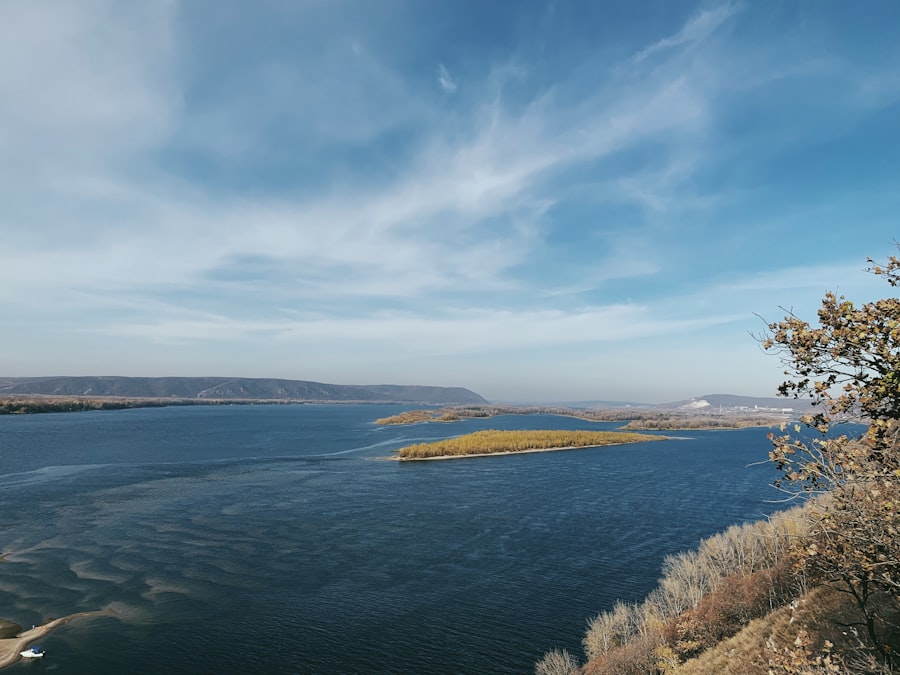
The Volga River, a venous artery of Russia, flows for over 3,500 kilometers, bisecting the vast Eurasian plain before emptying into the landlocked Caspian Sea. For centuries, this mighty waterway has been a lifeblood, a conduit for trade, a source of sustenance, and a defining feature of the Russian landscape. However, the modern era has seen the Volga transformed by a series of ambitious infrastructural projects, most notably the construction of a cascade of dams, designed to harness its power and tame its flow. This article will delve into the profound and multifaceted impacts these dams have had on the Caspian Sea, examining the hydrological, ecological, and socio-economic consequences of man’s intervention in this ancient riverine system.
The desire to control and utilize the Volga’s immense power has been a long-standing ambition. The Soviet era, in particular, witnessed a fervent embrace of large-scale hydraulic engineering as a cornerstone of national development. The objective was clear: to transform a natural force into a controllable resource for electricity generation, irrigation, and enhanced navigation. This ambition materialized into the “Volga-Kama Cascade,” a series of eleven major hydroelectric power stations and reservoirs that, from the early 20th century to the late 1980s, fundamentally reshaped the Volga’s natural course.
The Rationale Behind the Dams
The primary impetus for constructing the Volga dams was multifaceted, driven by the perceived needs of a rapidly industrializing nation.
Powering an Emerging Industrial Giant
The insatiable demand for electricity to fuel factories, illuminate cities, and support new industries was a paramount concern. Hydroelectric power, perceived as a clean and renewable energy source, offered a compelling solution. The sheer volume of water in the Volga presented an opportunity to generate significant amounts of electrical power, contributing to the Soviet Union’s drive for industrial self-sufficiency and modernization. The dams, essentially giant water wheels, were engineered to capture the kinetic energy of the flowing river and convert it into electrical current, powering a nation eager to expand its influence and capabilities.
Taming the Floodwaters
The Volga, like many great rivers, was historically prone to destructive seasonal floods. These floods, while replenishing floodplains and supporting unique ecosystems, also posed a significant threat to agricultural lands and human settlements. The dams were designed to act as colossal sponges, regulating the river’s flow and mitigating the destructive impact of extreme flood events. By creating vast reservoirs, engineers aimed to store excess water during periods of high flow and release it gradually, ensuring a more predictable and manageable river system.
Navigational Highways
The Volga has always been a crucial artery for inland navigation, connecting the Baltic Sea to the Black Sea and the Caspian Sea via canals. Dams and the resulting reservoirs were intended to improve navigability by increasing water depth and creating more consistent flow conditions, making it easier for larger vessels to travel along the river, thereby enhancing trade and transportation networks.
The Scale of Intervention
The construction of these dams was not a minor undertaking. Each dam created a massive reservoir, inundating vast tracts of land, altering landscapes, and displacing communities and ecosystems. The scale of this engineering feat is difficult to overstate. Imagine a vast canvas, the natural flowing river, being meticulously painted over with a series of artificial lakes, each with its own unique characteristics and ecological footprint.
The Sheer Volume of Water Controlled
The combined reservoir capacity of the Volga-Kama Cascade is enormous, holding back billions of cubic meters of water. This immense control over the river’s flow has been, and continues to be, the most direct link between the dams and the Caspian Sea. It is as if the river’s powerful heart has been put on a regulated pump, with the consequences rippling downstream.
Altering the River’s Morphology
The natural process of erosion and sediment transport by the Volga has been dramatically altered. Dams act as sediment traps, capturing the silt and sand that would otherwise be carried downstream. This has profound implications for the riverbed, the delta region, and ultimately, the Caspian Sea itself.
The construction of dams along the Volga River has significant implications for the Caspian Sea ecosystem, as highlighted in a related article on the subject. These dams alter the natural flow of the river, impacting sediment transport and water levels in the Caspian Sea, which can lead to ecological imbalances. For more in-depth information on this topic, you can read the article here: My Geo Quest.
The Caspian Sea: A Landlocked Giant’s Shifting Tides
The Caspian Sea, the world’s largest inland body of water, is an oceanic enigma. Though landlocked, it possesses characteristics of both a sea and a lake, with its own unique salinity, biodiversity, and complex ecological dynamics. For millennia, its fate has been intimately tied to the Volga, its primary source of freshwater. The construction of the Volga dams has, however, introduced a new and impactful variable into this ancient relationship.
Altering Freshwater Inflow: The Lifeblood’s Flow Regulation
The most direct and significant impact of the Volga dams on the Caspian Sea is the alteration of freshwater inflow. The dams act as massive regulators, controlling the amount of water released from the reservoirs into the lower Volga and then into the Caspian. This control, while serving human needs, has come at the cost of the natural, pulsating rhythm of the river’s discharge.
Reduced Discharge and Increased Salinity
Historically, the Volga delivered a consistent and substantial volume of freshwater to the Caspian. The dams, by holding back water for power generation, irrigation, and evaporation from the vast reservoirs, have led to a significant reduction in the average annual inflow into the Caspian Sea. This reduction in freshwater is akin to diluting a glass of juice with less and less water; the concentration of other elements, in this case, salts, increases. Consequently, the salinity of the Caspian Sea, particularly in its northern regions, has begun to rise, impacting its delicate ecological balance.
Seasonal Flow Manipulation
Beyond the overall reduction, the dams also manipulate the seasonal flow of the Volga. Historically, spring floods would bring a rush of freshwater and nutrients to the Caspian. Now, the release of water is often managed based on energy demands and agricultural needs, leading to a more even, but less dynamic, flow regime. This disruption of natural flood pulses can have cascading effects on the Caspian’s ecosystems, affecting spawning grounds and food availability for aquatic life.
Sediment Deposition: Starving the Delta
The Volga River, in its natural state, carries a significant load of sediments – silt, sand, and organic material – which are crucial for maintaining the health and structure of the Caspian Sea’s delta and coastlines. The dams, acting as efficient sediment traps, have significantly reduced the amount of sediment reaching the Caspian.
Deltaic Erosion and Coastal Retreat
The Caspian delta, a biologically rich and historically stable region, is now facing significant erosion and coastal retreat. Without the regular replenishment of sediments from the Volga, the delta’s landmass is being gradually eroded by wave action and currents. This loss of habitat has profound implications for numerous species that rely on the delta for breeding, feeding, and shelter. Imagine a sandy castle being built on a beach; if the supply of new sand is cut off, the waves will inevitably wear it down.
Impact on Fisheries
The reduced sediment load also impacts the nutrient cycle within the Caspian Sea. Sediments carry vital nutrients that support phytoplankton and zooplankton, the base of the marine food web. The diminished nutrient supply can lead to a decline in fish populations, directly affecting the livelihoods of communities dependent on Caspian fisheries.
Ecological Reverberations: A Ripple Effect Through the Ecosystem

The hydrological and sedimentological changes wrought by the Volga dams have triggered a cascade of ecological consequences throughout the Caspian Sea ecosystem. These impacts are not isolated events but rather interconnected threads in a complex web of life.
Biodiversity Shifts and Species Decline
The altered salinity, reduced nutrient input, and habitat changes have led to significant shifts in the Caspian’s biodiversity. Some species, adapted to specific salinity ranges or requiring particular spawning habitats, have experienced sharp declines.
The Caspian Seal: A Canary in the Coal Mine
The Caspian seal, an endemic species, is a prime example of an organism facing immense pressure. Changes in water levels and ice formation, influenced by altered river flow, impact their breeding grounds and access to food. Declines in the seal population are often seen as an indicator of the overall health of the Caspian ecosystem.
Sturgeons and the Future of Caviar
The sturgeon, iconic for its valuable caviar, is perhaps the most critically affected group. Dams act as insurmountable barriers to their upstream spawning migrations, and altered flow regimes disrupt their life cycles. The once-thriving sturgeon populations are now teetering on the brink of collapse, a stark testament to the profound ecological disruption. This is like damming the highway that a species needs to reach its nursery.
Invasive Species Proliferation
While native species struggle, some introduced species, often more adaptable to changing conditions, have begun to thrive. The influx of invasive species can further disrupt the existing ecological balance, outcompeting native flora and fauna for resources.
Habitat Degradation and Loss
The physical environment of the Caspian Sea has also undergone significant degradation.
Loss of Wetland Habitats
The delta regions, vital wetland ecosystems, are shrinking. These wetlands act as natural filters, nurseries for juvenile fish, and crucial habitats for migratory birds. Their degradation has far-reaching consequences for the entire Caspian biome.
Changes in Hydrodynamics and Water Stratification
The altered inflow and salinity patterns can also influence the mixing of water layers within the Caspian, affecting nutrient distribution and the oxygenation of deeper waters, further stressing aquatic life.
Socio-Economic Consequences: A Double-Edged Sword
The Volga dams, while aiming to bring economic benefits, have also brought about complex socio-economic challenges for the Caspian region.
Fisheries and Livelihoods in Peril
The decline in fish stocks, particularly sturgeon and other commercially valuable species, has had a devastating impact on the fishing communities surrounding the Caspian Sea. Many of these communities have historically relied on fishing for their livelihoods and cultural identity.
Economic Strain on Coastal Populations
The diminished catch translates directly into economic hardship, forcing many to seek alternative employment and leading to a decline in local economies. The once-vibrant fishing ports are now facing an uncertain future, a shadow of their former selves.
The Decline of a Lucrative Industry
The caviar trade, a historically significant source of revenue, has been severely impacted by the decline in sturgeon populations, leading to increased poaching and illegal activities.
Water Resource Management and International Cooperation
The Volga River basin is shared by multiple countries, and the management of its flow has become a complex international issue. The impact of the dams is felt not only within Russia but also by neighboring nations dependent on the Caspian for resources and ecological balance.
Transboundary Water Disputes
Disagreements over water allocation and the environmental impacts of the dams can lead to tensions and disputes between the riparian states. Ensuring equitable and sustainable water management requires robust international cooperation and dialogue.
Evaporation Losses and Aridification Concerns
The vast surface area of the reservoirs created by the dams leads to significant water losses through evaporation, particularly in arid regions. This exacerbates concerns about water scarcity for downstream users and irrigation.
Energy Generation and Navigation Benefits
Despite the significant environmental and social costs, it is important to acknowledge the benefits derived from the Volga dams.
Reliable Power Supply
The hydroelectric power generated by the dams provides a vital and relatively stable source of electricity for large parts of Russia, contributing to its energy security and economic development.
Improved Navigation and Trade Routes
The improved navigability of the Volga continues to facilitate inland transportation, supporting trade and economic activity along the river a critical artery for moving goods and people. This sustained flow, though regulated, remains important for the logistical backbone of the region.
The construction of dams along the Volga River in Russia has raised significant concerns regarding its impact on the Caspian Sea ecosystem. These alterations in water flow can lead to changes in salinity and biodiversity, affecting both aquatic life and local communities that depend on these resources. For a deeper understanding of this issue and its broader implications, you can read a related article that explores the environmental consequences of these dams and their effects on the Caspian Sea by visiting this link.
The Road Ahead: Towards a More Sustainable Future?
| Metric | Value | Unit | Impact Description |
|---|---|---|---|
| Annual Water Flow Reduction | 30-50 | Percent | Decrease in Volga River discharge into Caspian Sea due to dam regulation |
| Water Volume Retained by Dams | 60-80 | km³/year | Volume of water held back by dams, reducing inflow to Caspian Sea |
| Caspian Sea Level Change | -0.2 to -0.5 | meters | Lowering of sea level attributed to reduced river inflow |
| Salinity Increase | 5-10 | Percent | Rise in Caspian Sea salinity due to decreased freshwater input |
| Fish Population Decline | 20-40 | Percent | Reduction in native fish species linked to habitat changes from dam impact |
| Wetland Area Reduction | 15-25 | Percent | Loss of wetlands around Caspian Sea due to altered water regimes |
The legacy of the Volga dams is a complex tapestry of intended benefits and unintended consequences. While they have undeniably provided electricity and improved navigation, their ecological toll on the Caspian Sea is significant and continues to be a subject of scientific research and international concern. The question now is how to mitigate these impacts and move towards a more sustainable future for both the river and the sea.
Research, Monitoring, and Adaptive Management
Continued scientific research is crucial to understand the ongoing impacts of the dams and to develop effective mitigation strategies. Comprehensive monitoring of water flow, salinity, sediment transport, and biodiversity is essential for informed decision-making.
Ecological Restoration Efforts
Efforts to restore degraded wetland habitats, implement fish passage solutions, and promote sustainable fisheries management are vital steps in helping the Caspian ecosystem recover.
Rethinking Water Use and Energy Policies
A critical re-evaluation of current water allocation policies and energy generation strategies is needed. This may involve exploring alternative energy sources, improving water use efficiency in agriculture, and implementing more environmentally conscious water management practices.
The Need for International Collaboration
Given that the Volga and the Caspian Sea are shared resources, international collaboration between the riparian states is paramount. Addressing transboundary water issues and developing joint strategies for conservation and management are essential for long-term sustainability.
The Volga dams stand as a monumental testament to human ambition and engineering prowess. However, their story is also a cautionary tale, a reminder that even the most well-intentioned interventions in nature can have profound and far-reaching consequences. The delicate dance between human needs and ecological imperatives continues, and how the world manages the legacy of the Volga dams will undoubtedly shape the future of both the mighty Russian river and the landlocked giant it feeds. The ongoing challenge lies in finding a harmonious balance, ensuring that the veins of the earth continue to flow with life, rather than being choked by the unintended consequences of progress.
FAQs
What is the Volga River and why is it important?
The Volga River is the longest river in Europe, flowing through central Russia into the Caspian Sea. It is a crucial waterway for transportation, irrigation, and hydroelectric power generation, supporting agriculture, industry, and communities along its basin.
How do dams on the Volga River affect the Caspian Sea?
Dams on the Volga River regulate water flow and reduce sediment transport downstream. This can lead to decreased freshwater inflow into the Caspian Sea, affecting its water levels, salinity, and ecosystem balance. Changes in water volume can impact fish populations and the overall health of the sea.
What are the main purposes of the dams built on the Volga River?
The primary purposes of Volga River dams include hydroelectric power generation, flood control, irrigation support, and navigation improvement. These dams help manage water resources but also alter natural river dynamics.
Has the construction of Volga River dams contributed to environmental concerns in the Caspian Sea region?
Yes, the construction of dams has contributed to environmental concerns such as reduced water inflow, altered sediment deposition, and changes in the Caspian Sea’s ecosystem. These impacts can threaten biodiversity, fisheries, and the livelihoods of communities dependent on the sea.
Are there any measures being taken to mitigate the impact of Volga River dams on the Caspian Sea?
Efforts to mitigate impacts include improved water management practices, environmental monitoring, and international cooperation among Caspian Sea bordering countries. These measures aim to balance the benefits of dams with the need to preserve the Caspian Sea’s ecological health.