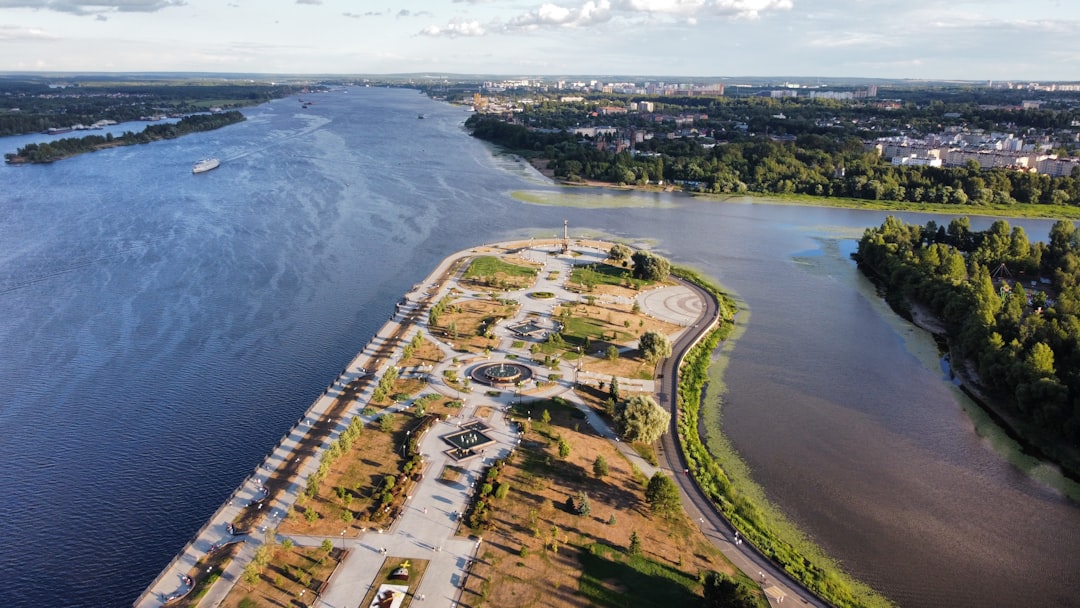
The Volga River, often called the “Mother Volga,” is a titan of Eastern European geography, serving as a vital artery for life and industry across Russia. Its immense lengths snake through diverse landscapes, nurturing agriculture, powering hydroelectric dams, and forming a crucial waterway for transportation. However, like many of the world’s great rivers, its powerful currents are not entirely untamed. Russia’s comprehensive control over the Volga’s water flow, primarily through an extensive system of dams and reservoirs, has profound and wide-reaching impacts, shaping not only the environment but also the lives and economies of millions. Understanding this intricate web of control and its consequences is essential to grasping the dynamics of the region, as the river’s controlled breath dictates the rhythm of life along its banks.
The control of the Volga’s water flow is not a monolithic endeavor but rather the result of a colossal engineering undertaking, a series of dams and reservoirs that have fundamentally altered the river’s natural course. Developed predominantly during the Soviet era, this cascaded system aimed to harness the Volga’s immense power for a variety of purposes.
Genesis of Control: Soviet Ambitions and Hydropower
The decision to dam the Volga was deeply rooted in the grand ambitions of Soviet industrialization and electrification. The need for abundant and cheap energy to fuel vast factories and burgeoning cities was paramount. The Volga, with its consistent flow and significant elevation changes, presented an ideal canvas for this vision.
The Cascade Structure: A Series of Water Gates
The Volga-Kama cascade is the backbone of this control system. It comprises a series of eight major hydroelectric power plants, each with its own massive reservoir. These reservoirs act as giant hands, grasping the river’s water and releasing it according to human design rather than natural whim. Key among these are the Volga Hydroelectric Station (Volzhskaya GES) near Volgograd and the Kama Hydroelectric Station (Kamskaya GES) near Perm. The sheer scale of these projects is staggering; they transformed vast stretches of the river into a series of artificial lakes, swallowing forests, villages, and agricultural land in their creation.
Purpose-Built Reservoirs: More Than Just Water Storage
These reservoirs are not simply passive pools of water. They are meticulously managed entities designed to serve multiple functions.
Hydropower Generation: The Engine of Industry
The primary and most celebrated purpose of the dams is electricity generation. The vast reservoirs store water, which is then released through turbines to create enormous amounts of power. This clean energy source has been instrumental in Russia’s industrial development, powering key sectors and contributing significantly to the national grid. However, this relentless pursuit of power has a cost, as the river’s natural ecological processes are often sacrificed at the altar of kilowatts.
Navigation and Shipping: Lifelines of Commerce
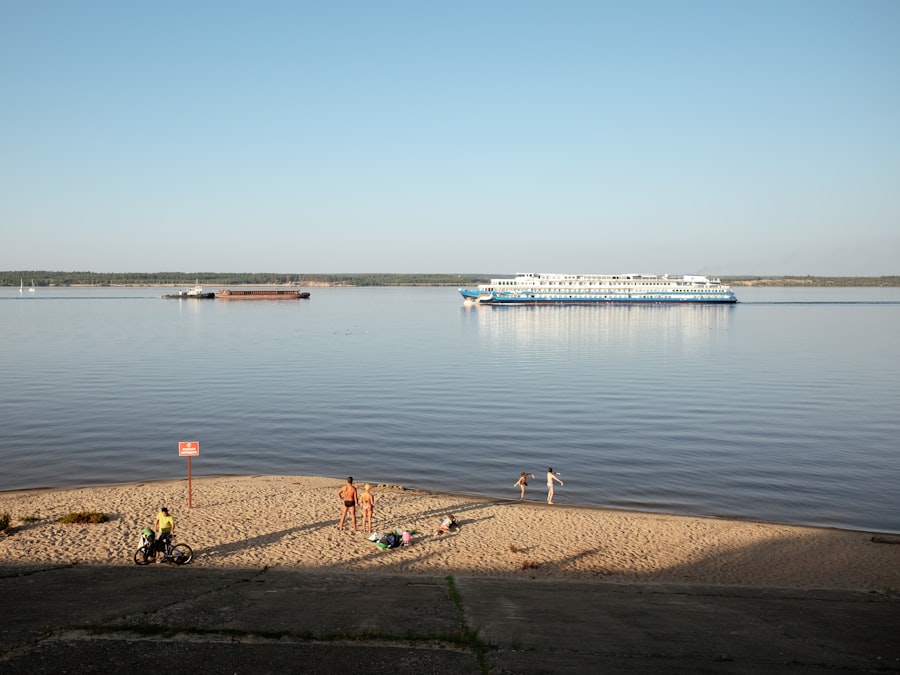
The creation of these deep reservoirs effectively turned the Volga into a navigable waterway for much of its length, even for large cargo ships. This has cemented the Volga’s role as a vital transport artery, connecting inland regions to the Caspian Sea and beyond. The controlled flow ensures a consistent depth, allowing for reliable shipping schedules and reducing reliance on more costly or less efficient transportation methods. This aspect of water control directly fuels economic activity and facilitates trade.
Flood Control and Water Supply: Managing the Deluge and Drought
The dams also play a critical role in managing the river’s flow to prevent devastating floods and to ensure a consistent water supply for downstream communities and industries. During periods of high rainfall, the reservoirs can absorb excess water, preventing inundation. Conversely, during dry spells, stored water can be released to maintain essential water levels for agriculture, municipal use, and industrial processes. This regulatory function acts as a buffer against the river’s natural volatility.
The control of the Volga River’s water flow by Russia has significant implications for both the environment and regional politics. For a deeper understanding of this issue, you can read a related article that explores the historical context and current challenges surrounding the management of this vital waterway. To learn more, visit this article.
Environmental Repercussions: The River’s Shifting Balance
The extensive damming of the Volga has irrevocably altered its ecosystem, creating a cascade of environmental changes that continue to unfold. The river, once a wild and dynamic entity, has been transformed into a more regulated and, in many ways, impoverished system.
Altered Hydrological Regimes: The River Under a Spell
The most significant impact of the dam system is the alteration of the Volga’s natural hydrological regime – its seasonal flood pulses, its sediment transport, and its overall dynamic interplay with the surrounding landscape.
The Loss of Spring Floods: A Stolen Rite of Passage
Traditionally, the Volga experienced significant spring floods, a vital ecological event. These floods would inundate floodplains, replenishing wetlands, distributing nutrient-rich sediments, and providing critical breeding grounds for numerous species, particularly fish. The dams, by holding back this spring meltwater and releasing it gradually, have effectively eliminated these natural floods. This loss is like silencing a vital heartbeat, disrupting the reproductive cycles of many native species and diminishing the biodiversity of the floodplains.
Sediment Trapping: A Hungry Reservoir Maw
As water flows through the dams, the reservoirs act as giant sediment traps, capturing the silt and organic matter that the river once carried downstream. This has several detrimental consequences. Firstly, it reduces the natural fertilization of downstream floodplains and deltas, impacting agricultural productivity and plant life. Secondly, the trapped sediment can reduce the storage capacity of the reservoirs themselves over time, a gradual silting-up that diminishes their effectiveness. Thirdly, the reduction in sediment transported to the Caspian Sea has been linked to coastal erosion and changes in the deltaic environments.
Impacts on Aquatic Life: A Fading Chorus of Life
The transformation of the Volga has had a profound and often negative impact on its aquatic inhabitants, particularly its fish populations. The river’s complex life cycles, intricately linked to natural flow patterns and spawning grounds, have been severely disrupted.
Fish Migration Barriers: The Unpassable Walls
The dams present formidable barriers to fish migration, especially for species like the sturgeon, which undertake long journeys to spawn in upstream tributaries. While some fish ladders and passage systems have been implemented, they are often insufficient to accommodate the vast numbers of fish or all the migrating species. This effectively cuts off vital breeding grounds, leading to drastic declines in populations of many economically and ecologically important fish. The sturgeon, once a symbol of the Volga’s bounty, is now a stark symbol of its ecological struggles.
Habitat Modification and Loss: A Drowning Paradise
The creation of reservoirs has led to the inundation of vast terrestrial and shallow aquatic habitats. Wetlands, crucial for fish spawning and foraging, have been submerged, and the natural riverbed has been replaced by the deeper, more uniform environment of the reservoirs. This modification of habitat directly impacts food webs and the availability of suitable environments for various species. The once-diverse riverine ecosystem has been simplified, and with this simplification comes a loss of biodiversity.
Changes in Water Temperature and Quality: Unsettling the Balance
The controlled release of water from the deep reservoirs can lead to altered water temperatures downstream. Often, colder, oxygen-depleted water is released from the bottom of the reservoirs, which can shock downstream ecosystems and negatively impact fish and other aquatic organisms that are adapted to warmer, more oxygenated water. Furthermore, the slower flow in reservoirs can lead to increased stratification and potential eutrophication, impacting water quality.
Socio-Economic Implications: The River’s Double-Edged Sword
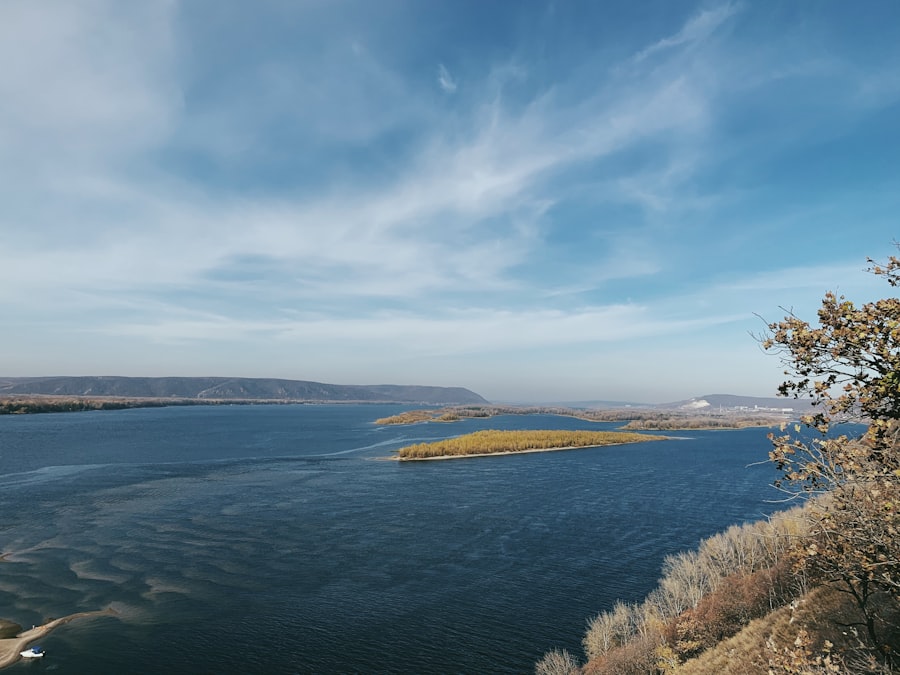
The control of the Volga’s water flow is not merely an environmental issue; it is deeply intertwined with the socio-economic fabric of Russia. The benefits derived from the dam system are undeniable, but they come with significant societal costs that cannot be ignored.
Economic Drivers: Powering Progress and Facilitating Trade
The Volga’s controlled waters are undeniably drivers of economic activity, serving as the lifeblood for various industries and economic sectors.
Energy Security and Industrial Powerhouse: The Engine Room
The hydroelectric power generated by the Volga dams is a cornerstone of Russia’s energy security. It provides a stable and relatively inexpensive source of electricity that fuels heavy industries, including metallurgy, chemicals, and manufacturing. This reliance on hydropower positions the Volga region as a significant industrial hub within Russia and influences its economic competitiveness on a global scale.
The Waterway of Commerce: A Highway for Goods
The navigability of the Volga, facilitated by the dam system, is crucial for Russia’s internal and external trade. Large volumes of bulk cargo, including grain, timber, ore, and petroleum products, are transported along the river. This efficient and cost-effective mode of transport contributes to lower production costs for many goods and connects the vast Russian interior to international markets via the Caspian Sea.
Downstream Dependencies: A Breath Held for Life
Millions of people and numerous communities downstream from the dams are directly dependent on the regulated flow of the Volga for their livelihoods and well-being.
Agriculture and Irrigation: Nurturing the Land
In the arid and semi-arid regions of southern Russia and Kazakhstan, the Volga’s waters are essential for irrigation. Agriculture, a vital sector, relies on a consistent and predictable supply of water for crop cultivation. Fluctuations in released water can have a direct impact on agricultural yields, influencing food security and the economic stability of farming communities. The controlled flow is a lifeline, but one that can sometimes be too tightly squeezed.
Municipal Water Supply: The Thirst Quencher
Major cities and countless smaller settlements along the Volga rely on the river for their municipal water supply. The regulated flow ensures a consistent and reliable source of water for drinking, sanitation, and domestic use. Disruptions to this supply, whether due to management decisions or unforeseen events, can have severe consequences for public health and daily life.
Geopolitical Currents: The Volga as a Regional Artery
The control of the Volga’s water flow extends beyond Russia’s internal dynamics, influencing its relationships with neighboring countries and shaping regional geopolitics. The river, a shared resource for nations bordering the Caspian Sea, becomes a point of both cooperation and potential contention.
International Waters: Shared Responsibility, Unequal Power
The Volga flows into the Caspian Sea, a unique inland body of water bordered by Russia, Kazakhstan, Turkmenistan, Iran, and Azerbaijan. While the Volga itself is within Russian territory, its impact on the Caspian ecosystem and the downstream implications for other riparian states create a complex web of international relations.
Caspian Sea Dynamics: A Ripple Effect
The reduced sediment flow and altered hydrological patterns of the Volga have demonstrably impacted the Caspian Sea. This affects fisheries, coastal environments, and the livelihoods of communities in other Caspian nations. Negotiations and agreements regarding shared water resources and environmental protection are crucial, but the significant control wielded by Russia can create an imbalance in these discussions.
Transboundary Water Management: The Delicate Dance
The management of transboundary waters is a perennial challenge, and the Volga is no exception. While Russia primarily controls the dams, the downstream consequences necessitate some level of cooperation and consultation with riparian states. The effectiveness of these collaborations is often a barometer of broader regional stability and cooperation.
The control of the Volga River’s water flow by Russia has significant implications for both the environment and regional economies. This issue is intricately linked to various geopolitical factors, including agricultural practices and energy production. For a deeper understanding of the complexities surrounding this topic, you can read a related article that explores the impact of water management in the region. To learn more, visit this article for insights into the challenges and strategies involved in managing the Volga River’s resources.
Future Flows: Navigating the Currents of Change
| Metric | Value | Unit | Description |
|---|---|---|---|
| Length of Volga River | 3,530 | km | Longest river in Europe, flowing through Russia |
| Average Annual Discharge | 8,060 | m³/s | Average volume of water flowing at the river mouth |
| Number of Dams and Reservoirs | 22 | count | Major dams controlling water flow along the Volga |
| Largest Reservoir Capacity | 31.5 | km³ | Capacity of the Kuybyshev Reservoir, the largest on the Volga |
| Percentage of Water Flow Controlled | 85 | % | Estimated portion of Volga water flow regulated by Russian infrastructure |
| Primary Uses of Controlled Water | Hydropower, Irrigation, Navigation, Drinking Water | n/a | Main sectors benefiting from water flow control |
| Environmental Impact | Moderate to High | n/a | Effects on ecosystems due to flow regulation and reservoir creation |
The future of the Volga’s water management is a complex tapestry woven with threads of environmental sustainability, economic necessity, and evolving geopolitical landscapes. The existing dam system, a monumental testament to human engineering, will likely continue to play a significant role, but it is not immutable.
Adapting to a Changing Climate: The Unpredictable Tide
Climate change presents a significant challenge to the long-term predictability of water resources. Alterations in precipitation patterns, increased evaporation rates, and more extreme weather events can strain even the most robust management systems. Russia’s control over the Volga’s flow will need to adapt to these increasing uncertainties.
Glacier Melt and Snowpack: The Evolving Sources
Changes in the meltwater from the Ural Mountains and snowpack accumulation will directly influence the river’s inflow. A decrease in these sources could necessitate more stringent water conservation measures, while an increase might offer opportunities for more flexible management.
Extreme Weather Events: The Brewing Storms
More frequent and intense droughts or floods will test the capacity of the reservoirs to buffer these extremes. The management protocols will need to be agile and responsive to these unpredictable events, potentially requiring difficult decisions about water allocation.
Reimagining the River: Towards Sustainable Water Management
There is a growing recognition of the need for more sustainable water management practices along the Volga. This involves balancing the demands of energy generation, navigation, and human consumption with the imperative to protect the river’s ecological health and biodiversity.
Ecological Restoration and Mitigation: Healing the Wounds
Efforts are underway, and will likely intensify, to mitigate the negative environmental impacts of the dams. This includes exploring more effective fish passage solutions, restoring degraded wetland habitats, and developing strategies to address sediment management. The question is whether these efforts can truly mend the deep wounds inflicted over decades.
Diversifying Energy Sources: Less Reliance on the Hydrocard
While hydropower remains a vital component of Russia’s energy mix, a strategic diversification of energy sources could reduce the pressure on the Volga’s water resources. Increased investment in renewable energy technologies, such as solar and wind power, could offer alternatives and lessen the reliance on solely maximizing hydropower output.
The Volga River, with its controlled flow, is a microcosm of the broader challenges and opportunities facing humanity in its relationship with major water systems. Russia’s intricate and extensive control over its waters has brought undeniable benefits, fueling industry and facilitating commerce. However, this dominion has also come at a significant ecological price, disrupting natural rhythms and impacting biodiversity. As the region navigates the complexities of climate change and strives for more sustainable practices, the management of the Volga’s waters will remain a critical factor in the environmental, economic, and geopolitical landscape of Eastern Europe. The challenge ahead is to ensure that the Mother Volga, though shaped by human hands, can continue to nurture life in all its forms for generations to come.
FAQs
What is the significance of the Volga River in Russia?
The Volga River is the longest river in Europe and is crucial for Russia’s transportation, water supply, agriculture, and hydroelectric power generation. It plays a vital role in the country’s economy and ecology.
How does Russia control the water flow of the Volga River?
Russia controls the water flow of the Volga River primarily through a system of dams, reservoirs, and hydroelectric power stations. These infrastructures regulate water levels, manage flood risks, and support irrigation and energy production.
What are the main purposes of regulating the Volga River’s water flow?
The main purposes include flood control, ensuring a stable water supply for agriculture and industry, generating hydroelectric power, maintaining navigable waterways, and supporting ecological balance in the river basin.
Are there any environmental concerns related to controlling the Volga River’s water flow?
Yes, controlling the river’s flow can impact aquatic ecosystems, alter natural habitats, and affect fish migration patterns. There are ongoing efforts to balance human needs with environmental protection in the Volga River basin.
How does the control of the Volga River’s water flow affect neighboring regions?
The regulation of the Volga River’s water flow influences water availability downstream, impacting agriculture, industry, and communities in neighboring regions. It also affects the Caspian Sea’s water levels, which has broader ecological and economic implications.