
Russia’s Control of Volga River Inflow: A Strategic Advantage
The Volga River, the longest waterway in Europe, forms the lifeblood of Russia, a colossal artery that has shaped its history, economy, and military strategy for centuries. For any nation, controlling a vital river system carries immense geopolitical and economic weight, and for Russia, its dominion over the Volga’s inflow is a strategic advantage, a hand on the tap of a nation’s thirst, a source of power that resonates far beyond its banks. This control is not merely about managing water levels; it is a multifaceted lever that influences agriculture, industry, energy production, and even the dynamics of regional and international relations. Understanding this intricate web of control requires delving into the geographical realities, the historical evolution of its management, and the contemporary implications of Russia’s stewardship over the Volga’s headwaters.
The Volga originates in the Valdai Hills, a region in northwestern Russia, and meanders for over 3,500 kilometers before emptying into the Caspian Sea. Its vast drainage basin, encompassing over 1.35 million square kilometers, is a testament to its significance, capturing precipitation from a substantial portion of European Russia. The very source of such a monumental river, located deep within Russian territory, inherently places ultimate control at Moscow’s fingertips. This headwater region, though not always densely populated, is the crucial starting point, the genesis from which immense power flows.
The Headwaters: The Fountainhead of Influence
The Valdai Hills, with their relatively high elevation and abundant snowfall, act as the primary reservoir for the Volga. The numerous lakes and smaller rivers in this area, including Lake Seliger, form the initial tributaries that coalesce into the mighty Volga. Russia’s sovereignty over this entire upstream territory means it dictates the initial volume and flow of water entering the main river system. This is akin to a farmer controlling the valve at the source of an irrigation channel; they can decide how much water is released, when, and under what conditions.
Tributaries: The Veins Feeding the Artery
Beyond the headwaters, the Volga is fed by a vast network of tributaries, the most significant being the Oka, Kama, and Samara rivers. The Kama, itself a major river, contributes a substantial portion of the Volga’s discharge, nearly doubling its flow in certain sections. Russia’s control extends to these vital tributaries as well, many of which also originate and flow entirely within its borders. This interlocking network of waterways means that Russia’s influence over the Volga’s overall volume is amplified significantly, not just at its source but through the arteries that replenish it.
The Caspian Sea Gateway: A Terminal Confluence
The Volga’s eventual journey concludes in the landlocked Caspian Sea. While Russia borders the Caspian, so do other nations – Kazakhstan, Turkmenistan, Iran, and Azerbaijan. This terminal point introduces a layer of international dynamics, particularly concerning the Caspian Sea’s resources and ecological balance. However, the water entering the Caspian via the Volga has already been fundamentally shaped by Russia’s upstream management, a powerful precedent for its influence over the shared water body.
The control of the Volga River inflow by Russia has significant implications for both the environment and regional geopolitics. For a deeper understanding of this issue, you can explore a related article that discusses the historical context and current developments surrounding the Volga River’s management. This article provides insights into how water resources are being utilized and the impact on surrounding communities. To read more, visit this link.
Historical Evolution of Volga River Management
The strategic importance of the Volga has been recognized since the dawn of Russian statehood. From ancient trade routes to the industrialization of the Soviet era, the river’s management has been a constant endeavor, evolving with technological advancements and shifting political priorities. The current state of control is a product of centuries of development, fortification, and resource exploitation.
Early Navigation and Trade Dominance
For centuries, the Volga served as a crucial artery for trade, connecting the Baltic Sea with the Caspian Sea and facilitating commerce between Northern Europe and Central Asia. Early efforts at river management focused on clearing obstacles, dredging channels, and establishing ports to maximize its navigability. The river was not just a natural phenomenon; it was an instrument of power, enabling the projection of influence and the consolidation of economic might.
The Soviet Era: Grand Projects and Centralized Control
The Soviet Union, with its emphasis on centralized planning and ambitious infrastructure projects, fundamentally reshaped the Volga’s hydrological landscape. The construction of a series of massive dams and reservoirs, such as the Rybinsk, Gor’kiy, Kuibyshev (now Samara), and Volgograd reservoirs, transformed the river into a cascade of artificial lakes. These projects were designed to regulate flow, generate hydroelectric power, facilitate navigation with deeper channels, and provide water for irrigation and industrial use.
The Impact of Dam Construction: A Double-Edged Sword
The damming of the Volga offered significant economic and developmental benefits for the Soviet Union. It provided a reliable source of electricity, enabled year-round navigation, and supported large-scale agricultural and industrial endeavors. However, these grand projects also had profound environmental consequences, altering natural ecosystems, affecting fish migration, and changing sediment transport. Crucially, these reservoirs gave the Soviet state, and now Russia, unparalleled control over the water flow downstream. The ability to store vast quantities of water behind concrete barriers allowed for precise management of releases, a power that could be wielded for national benefit or, potentially, for geopolitical leverage.
Volga River Infrastructure: The Embodiment of Control
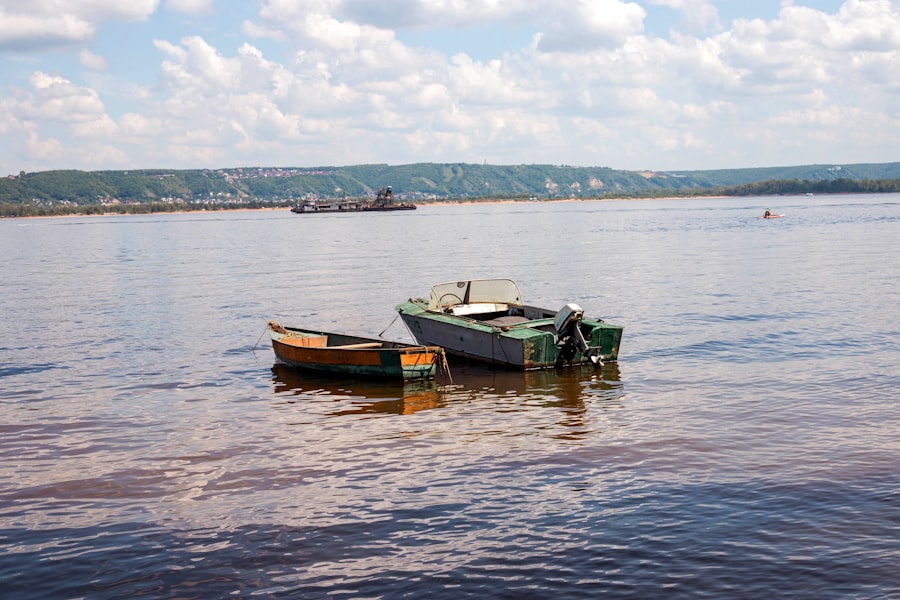
The extensive infrastructure built along the Volga is not merely utilitarian; it is a tangible manifestation of Russia’s control and a critical component of its strategic advantage. This network of dams, canals, and pumping stations allows for precise manipulation of water resources, influencing not only the river itself but also the regions it serves.
Hydroelectric Power Generation: Fueling the Nation
The Volga cascade is a powerhouse of hydroelectric energy. The dams are equipped with turbines that generate vast amounts of electricity, supplying power to large swathes of European Russia. This energy production is vital for national development and economic stability. Moreover, the ability to control water releases for power generation means Russia can modulate energy output, potentially influencing energy markets and its own energy security. Imagine a mighty engine, and the Volga’s dams are the throttle, capable of ramping up power or conserving it.
Navigation and Inland Waterways: The Lifeline of Commerce
The Volga-Don Canal, connecting the Volga to the Sea of Azov and subsequently the Black Sea, and the Volga-Baltic Waterway, linking it to the Baltic Sea, are crucial elements of Russia’s inland waterway system. These canals, along with the regulated water levels of the river itself, enable large-scale cargo transportation throughout the country. This efficient and cost-effective mode of transport is indispensable for moving raw materials, manufactured goods, and agricultural produce. Russia’s control over the Volga’s navigability ensures that this vital supply chain can be managed and optimized for national economic interests.
Water Supply for Agriculture and Industry: A Crucial Resource
The Volga’s waters are a critical resource for irrigating vast agricultural lands, particularly in the southern regions of Russia. It also supplies water for numerous industrial complexes, power plants, and municipal water systems. Russia’s dominion over these water sources ensures its ability to sustain these vital sectors, providing a degree of self-sufficiency and resilience. For regions reliant on Volga water, Russia’s management becomes a matter of survival and prosperity.
Strategic Implications of Volga Control
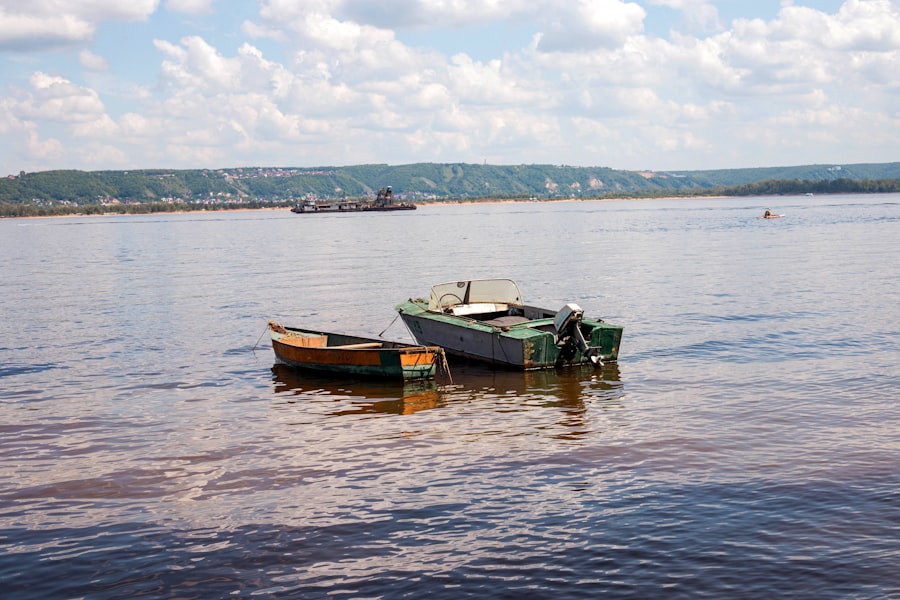
Russia’s mastery over the Volga’s inflow extends far beyond economic considerations, deeply embedding itself within its national security and geopolitical calculus. The river’s importance as a conduit for resources and its potential as a point of leverage in regional affairs grant Russia a significant strategic advantage.
Economic Leverage and Resource Management
The ability to control the flow of water from the Volga provides Russia with considerable economic leverage. By regulating water releases, it can influence agricultural yields in downstream regions, impact industrial water availability, and even affect energy prices through hydroelectric power generation. This control allows Russia to prioritize its own economic needs and potentially exert pressure on neighboring countries that may rely on Volga waters or its connected waterways. It’s like holding a key to a treasure chest; the access and distribution of its contents are entirely at your discretion.
Water Diplomacy and Regional Influence
While the majority of the Volga flows within Russia, its waters and connected waterways have implications for neighboring countries. The Caspian Sea, a shared resource, is directly influenced by the Volga’s discharge. Furthermore, the interconnectedness of European waterways means that decisions made regarding the Volga can indirectly affect river systems in other nations. Russia’s control over the Volga’s inflow positions it as a dominant player in regional water diplomacy, allowing it to shape discussions and negotiations concerning shared water resources. This influence can be used to foster cooperation or to assert national interests.
National Security and Infrastructure Protection
The Volga River infrastructure, particularly the dams and their associated power generation capabilities, represents critical national assets. Protecting these facilities is a paramount concern for Russian national security. Any threat to this infrastructure could have cascading effects on energy supply, navigation, and water availability, impacting both civilian life and military operations. The strategic value of the Volga underscores its importance as a protected and controlled national resource. The river itself, and the systems that govern it, are considered vital organs of the state.
The strategic importance of the Volga River has long been a focal point in discussions about Russia’s control over its waterways. A recent article delves into the implications of this control on regional economies and environmental policies. For those interested in exploring this topic further, you can read more about it in this insightful piece on the subject. The article provides a comprehensive analysis of how the management of the Volga River inflow affects both local communities and broader geopolitical dynamics. You can find it here: read more.
Contemporary Challenges and Future Outlook
| Metric | Value | Unit | Notes |
|---|---|---|---|
| Length of Volga River | 3,530 | km | Longest river in Europe |
| Average Annual Inflow | 254 | km³/year | Volume of water flowing into the Caspian Sea |
| Volga River Basin Area | 1,360,000 | km² | Drainage basin area controlled by Russia |
| Number of Dams and Reservoirs | 22 | count | Major dams controlling river flow |
| Hydroelectric Power Capacity | 10,000 | MW | Installed capacity on the Volga River |
| Annual Water Withdrawal | 30 | km³/year | Water used for agriculture, industry, and domestic use |
| Impact on Caspian Sea Level | Significant | n/a | Control of inflow affects sea level fluctuations |
Despite its significant advantages, Russia’s control of the Volga is not without its challenges. Environmental concerns, the need for international cooperation, and the evolving demands of a modern economy all present complexities that Russia must navigate.
Environmental Degradation and Climate Change
The extensive damming of the Volga has had significant ecological impacts, and these are being exacerbated by the effects of climate change. Alterations in precipitation patterns, increased droughts, and rising temperatures can affect water levels and the overall health of the river ecosystem. Russia faces the challenge of balancing its economic needs with the imperative of environmental sustainability, a delicate act of stewardship for a vital natural resource. The river, once a purely natural force, is now also a subject of human impact and potentially, of human-induced stress.
International Cooperation and Transboundary Water Issues
While the Volga is primarily a Russian river, its outflows and connected waterways inevitably lead to transboundary water issues, particularly concerning the Caspian Sea. Russia’s role as a dominant upstream power necessitates engagement with other Caspian littoral states on issues of water management, pollution control, and resource sharing. The future of regional stability and cooperation will, in part, depend on Russia’s approach to these shared water concerns. Finding common ground, rather than imposing unilateral control, will be crucial for long-term success.
Modernization and Sustainable Development
As Russia continues to develop its economy and infrastructure, the management of the Volga will need to adapt. Modernization of the aging hydropower facilities, investment in sustainable navigation technologies, and improved water management practices will be essential. The challenge lies in ensuring that these developments are undertaken in a manner that is both economically beneficial and environmentally responsible, securing the Volga’s long-term vitality for generations to come. The river, like any living entity, requires ongoing care and adaptation to remain healthy and productive.
FAQs
What is the significance of the Volga River in Russia?
The Volga River is the longest river in Europe and is crucial for Russia’s transportation, water supply, agriculture, and hydroelectric power generation. It plays a vital role in the country’s economy and ecology.
How does Russia control the inflow of the Volga River?
Russia controls the inflow of the Volga River through a series of dams, reservoirs, and hydroelectric power stations. These infrastructures regulate water flow, manage flood risks, and support irrigation and energy production.
What are the main reservoirs on the Volga River?
Some of the main reservoirs on the Volga River include the Kuybyshev Reservoir, the Rybinsk Reservoir, and the Volgograd Reservoir. These large reservoirs help in water management and hydroelectric power generation.
How does controlling the Volga River inflow impact the environment?
Controlling the inflow of the Volga River affects the natural flow regime, which can impact aquatic ecosystems, fish migration, and water quality. Reservoirs may also lead to changes in sediment transport and local climate conditions.
Why is the control of the Volga River inflow important for Russia’s economy?
Controlling the Volga River inflow is important for ensuring reliable water supply for agriculture, industry, and cities. It also supports hydroelectric power generation, navigation, and flood control, all of which are essential for Russia’s economic stability and development.