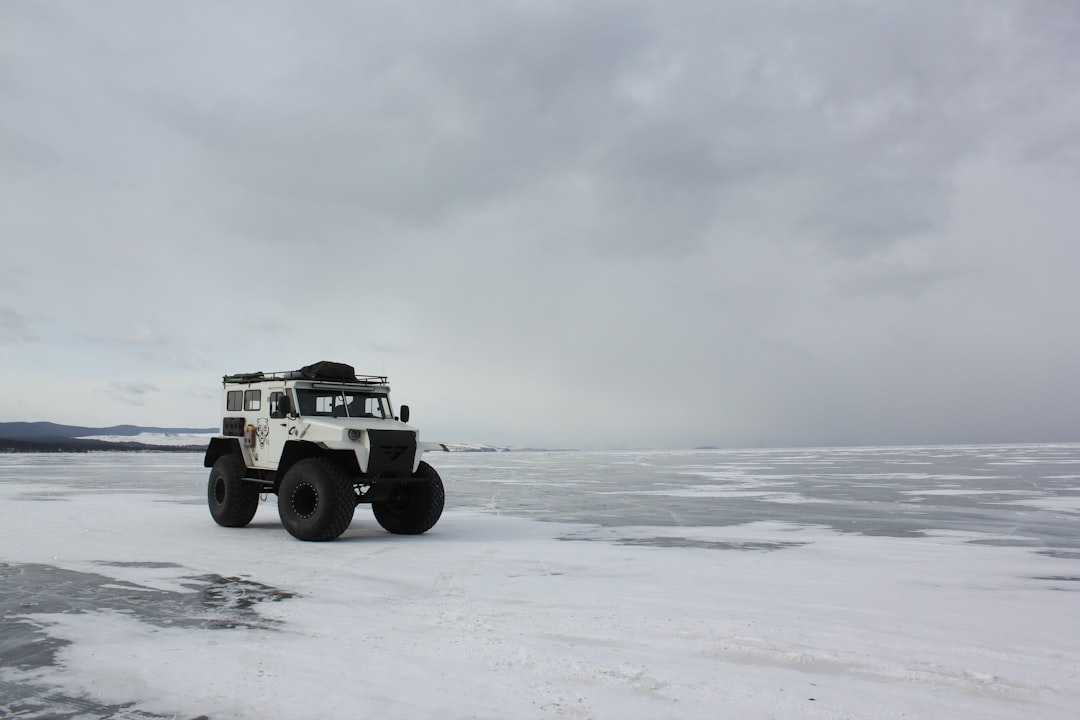
In recent years, Russia has significantly intensified its military presence in the Arctic, a region that is becoming increasingly important due to climate change and the melting of polar ice. This buildup is not merely a reflection of national pride or territorial ambition; it is a calculated strategy aimed at securing Russia’s interests in a region rich in natural resources and vital shipping routes. As the Arctic becomes more accessible, the implications of Russia’s military activities extend beyond its borders, raising concerns among neighboring countries and global powers alike.
The Arctic has long been a focal point of geopolitical tension, and Russia’s actions have drawn attention from various international actors. The country’s military investments in the region are seen as a response to perceived threats and opportunities presented by the changing landscape. As nations vie for influence and control over Arctic territories, understanding the motivations behind Russia’s military buildup is essential for comprehending the broader dynamics at play in this strategically significant area.
Historical context of Russia’s Arctic presence
Russia’s relationship with the Arctic dates back centuries, rooted in exploration and territorial claims that have evolved over time. The Soviet Union was particularly active in the region during the Cold War, establishing military bases and conducting extensive research to assert its dominance. This historical context laid the groundwork for contemporary Russian interests in the Arctic, as the nation seeks to reclaim its status as a major player in global affairs.
The dissolution of the Soviet Union in 1991 marked a shift in focus for Russia, leading to a period of reduced military activity in the Arctic. However, as global warming began to alter the landscape, Russia recognized the potential for economic and strategic advantages. The resurgence of military operations in the Arctic can be traced back to the early 2000s when President Vladimir Putin prioritized national security and resource exploration.
This historical trajectory underscores the continuity of Russia’s Arctic ambitions, which are now being pursued with renewed vigor.
Current military infrastructure and capabilities in the Arctic region
Today, Russia boasts an extensive military infrastructure in the Arctic, characterized by a network of bases, airfields, and naval facilities designed to project power and secure its interests. The establishment of new military installations, such as those on the Franz Josef Land archipelago and the New Siberian Islands, highlights Russia’s commitment to maintaining a robust presence in the region. These bases serve not only as operational hubs but also as symbols of national sovereignty over vast Arctic territories.
In addition to physical infrastructure, Russia has invested heavily in modernizing its military capabilities in the Arctic. This includes deploying advanced weaponry, enhancing naval fleets with icebreakers and submarines, and improving surveillance systems to monitor activities in the region. The integration of cutting-edge technology into military operations reflects Russia’s strategic approach to ensuring dominance over its Arctic claims while deterring potential adversaries from encroaching on its interests.
Geopolitical significance of the Arctic for Russia
| Aspect | Metric |
|---|---|
| Resource Richness | Abundant in oil, natural gas, and minerals |
| Strategic Location | Provides access to important shipping routes |
| Military Presence | Russia has established military bases in the region |
| Political Influence | Arctic Council membership and active diplomacy |
The geopolitical significance of the Arctic for Russia cannot be overstated. As climate change continues to open up new shipping routes, such as the Northern Sea Route, Russia stands to benefit economically from increased maritime traffic. This route not only shortens travel times between Europe and Asia but also positions Russia as a key player in global trade.
Control over these shipping lanes enhances Russia’s leverage in international negotiations and strengthens its economic position. Moreover, the Arctic is rich in untapped natural resources, including oil, gas, and minerals. Estimates suggest that a substantial portion of the world’s undiscovered hydrocarbon reserves lies beneath the Arctic seabed.
For Russia, harnessing these resources is crucial for its economy, which relies heavily on energy exports. The combination of strategic shipping routes and resource wealth makes the Arctic a focal point of Russian foreign policy, driving its military buildup and asserting its influence over this vital region.
Environmental and logistical challenges in the Arctic
Despite its ambitions, Russia faces significant environmental and logistical challenges in the Arctic. The harsh climate presents obstacles to military operations, with extreme temperatures and unpredictable weather conditions complicating logistics and supply chains.
Additionally, environmental concerns are paramount in this fragile ecosystem. The potential for oil spills and other ecological disasters poses risks not only to local wildlife but also to global environmental health. As Russia expands its military footprint in the Arctic, it must navigate these challenges carefully to avoid exacerbating existing tensions with neighboring countries and international organizations concerned about environmental protection.
International reactions and concerns about Russia’s Arctic military buildup
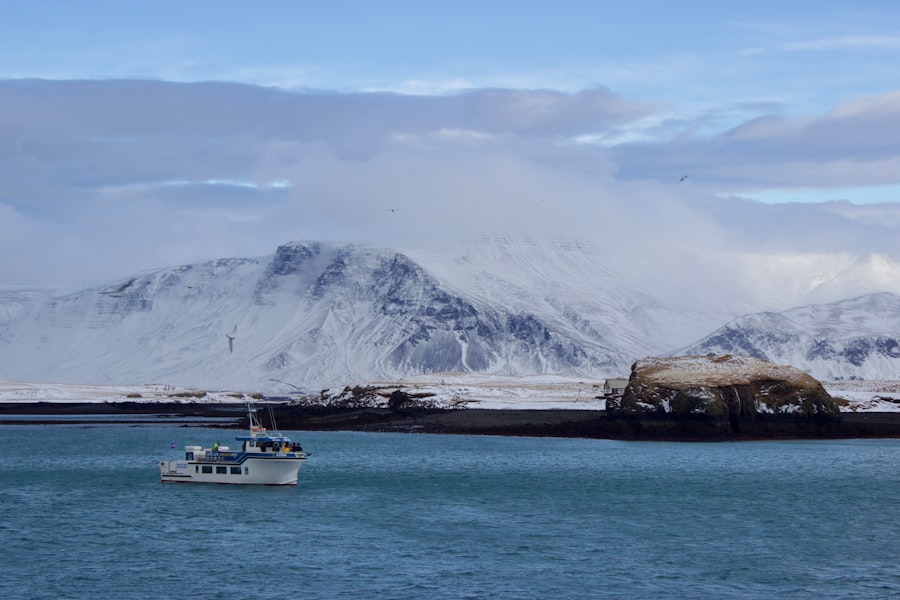
Russia’s military buildup in the Arctic has elicited a range of reactions from other nations, particularly those with vested interests in the region. Countries such as Canada, Norway, and the United States have expressed concerns about Russia’s intentions, viewing its actions as aggressive posturing that could destabilize regional security. These nations have responded by bolstering their own military capabilities and increasing cooperation with allies to counterbalance Russian influence.
International organizations have also taken note of Russia’s activities in the Arctic. The Arctic Council, which includes eight member states with interests in the region, has sought to address issues related to security and environmental protection. However, differing perspectives on sovereignty and resource management have complicated discussions within this forum.
As tensions rise, finding common ground among Arctic nations becomes increasingly challenging, raising questions about the future of cooperation in this strategically important area.
Economic opportunities and resources in the Arctic
The economic opportunities presented by the Arctic are a driving force behind Russia’s military buildup. The region is believed to hold vast reserves of oil and natural gas, which are critical for meeting global energy demands. As traditional energy sources become depleted, tapping into these resources offers not only economic benefits for Russia but also potential energy security for other nations reliant on fossil fuels.
In addition to hydrocarbons, the Arctic is rich in minerals such as rare earth elements and precious metals. These resources are essential for various industries, including technology and renewable energy sectors. As global demand for these materials increases, Russia’s ability to access and exploit these resources will play a crucial role in shaping its economic future.
However, balancing resource extraction with environmental sustainability remains a complex challenge that requires careful consideration.
Russia’s strategic objectives in the Arctic
Russia’s strategic objectives in the Arctic extend beyond mere resource extraction; they encompass broader geopolitical goals aimed at enhancing national security and asserting influence on the global stage. By establishing a formidable military presence in the region, Russia seeks to deter potential adversaries while reinforcing its claims over disputed territories. This strategy aligns with President Putin’s vision of restoring Russia’s status as a great power.
Furthermore, control over key shipping routes allows Russia to project power beyond its borders while facilitating trade with emerging markets in Asia. The Northern Sea Route is not only economically advantageous but also serves as a strategic asset that enhances Russia’s geopolitical leverage. By positioning itself as a gatekeeper of these vital maritime corridors, Russia aims to solidify its role as a dominant player in international affairs.
Potential for conflict and cooperation in the region
The Arctic presents both opportunities for cooperation and potential flashpoints for conflict among nations vying for influence. While countries like Norway and Canada have engaged in diplomatic efforts to address shared concerns about security and environmental protection, underlying tensions persist due to competing territorial claims and resource interests. The risk of miscalculations or misunderstandings could escalate into confrontations if not managed carefully.
However, there are also avenues for collaboration that could mitigate tensions and foster stability in the region. Joint initiatives focused on scientific research, environmental protection, and search-and-rescue operations have demonstrated that cooperation is possible even amid geopolitical rivalries. Building on these foundations could pave the way for more comprehensive agreements that address both security concerns and economic opportunities while promoting sustainable development in the Arctic.
Implications for global security and international relations
Russia’s military buildup in the Arctic has far-reaching implications for global security and international relations. As nations respond to perceived threats from Russian actions, there is a risk of an arms race developing in the region, further complicating an already delicate balance of power. Increased militarization could lead to heightened tensions not only among Arctic states but also among global powers with interests in this strategically significant area.
Moreover, the evolving dynamics in the Arctic may influence broader geopolitical trends beyond regional boundaries. As countries reassess their strategies in response to Russian activities, alliances may shift, leading to new partnerships or rivalries that reshape international relations. The interplay between competition and cooperation will be critical in determining whether the Arctic becomes a zone of conflict or collaboration.
Conclusion and future outlook for Russia’s Arctic military buildup
In conclusion, Russia’s military buildup in the Arctic reflects a complex interplay of historical legacies, economic ambitions, and geopolitical strategies. As climate change continues to reshape this vital region, understanding Russia’s motivations is essential for navigating future challenges and opportunities. While there are significant risks associated with increased militarization, there are also pathways for cooperation that could foster stability and promote sustainable development.
Looking ahead, it is likely that Russia will continue to assert its presence in the Arctic while seeking to balance its strategic objectives with environmental considerations. The future of this region will depend on how nations engage with one another—whether through competition or collaboration—as they navigate the intricate web of interests at play in one of the world’s most dynamic environments. As global attention turns toward the Arctic, fostering dialogue and cooperation will be crucial for ensuring peace and stability in this increasingly important area of international relations.
In recent years, Russia has significantly increased its military presence in the Arctic, a strategic region rich in natural resources and crucial for global shipping routes. This buildup has raised concerns among other Arctic nations and NATO members, as it could potentially alter the balance of power in the region. For a deeper understanding of the geopolitical implications of Russia’s actions in the Arctic, you can explore a related article on this topic by visiting this page. This article provides insights into the strategic motivations behind Russia’s military expansion and its potential impact on international relations in the Arctic.
WATCH THIS! The Arctic Ice Is Melting, And It Will Start World War 3
FAQs
What is the current military buildup in the Arctic by Russia?
Russia has been increasing its military presence in the Arctic region, including the deployment of troops, construction of military bases, and the introduction of advanced weaponry and equipment.
What are the reasons behind Russia’s military buildup in the Arctic?
Russia’s military buildup in the Arctic is driven by several factors, including the region’s strategic importance, potential for access to natural resources, and the desire to assert sovereignty over the area.
How does Russia’s military buildup in the Arctic impact international relations?
Russia’s military buildup in the Arctic has raised concerns among other Arctic nations and has led to increased tensions in the region. It has also prompted discussions about the need for diplomatic and security measures to address the growing militarization of the Arctic.
What are the implications of Russia’s military buildup in the Arctic for environmental conservation?
The military buildup in the Arctic by Russia has raised concerns about its potential impact on the fragile Arctic environment, including the risk of oil spills, pollution, and disruption of wildlife habitats. Efforts to balance military activities with environmental conservation are being closely monitored.
How is the international community responding to Russia’s military buildup in the Arctic?
The international community has been closely monitoring Russia’s military buildup in the Arctic and has called for dialogue and cooperation to address security concerns in the region. Efforts to promote transparency and confidence-building measures are being pursued to mitigate potential conflicts.