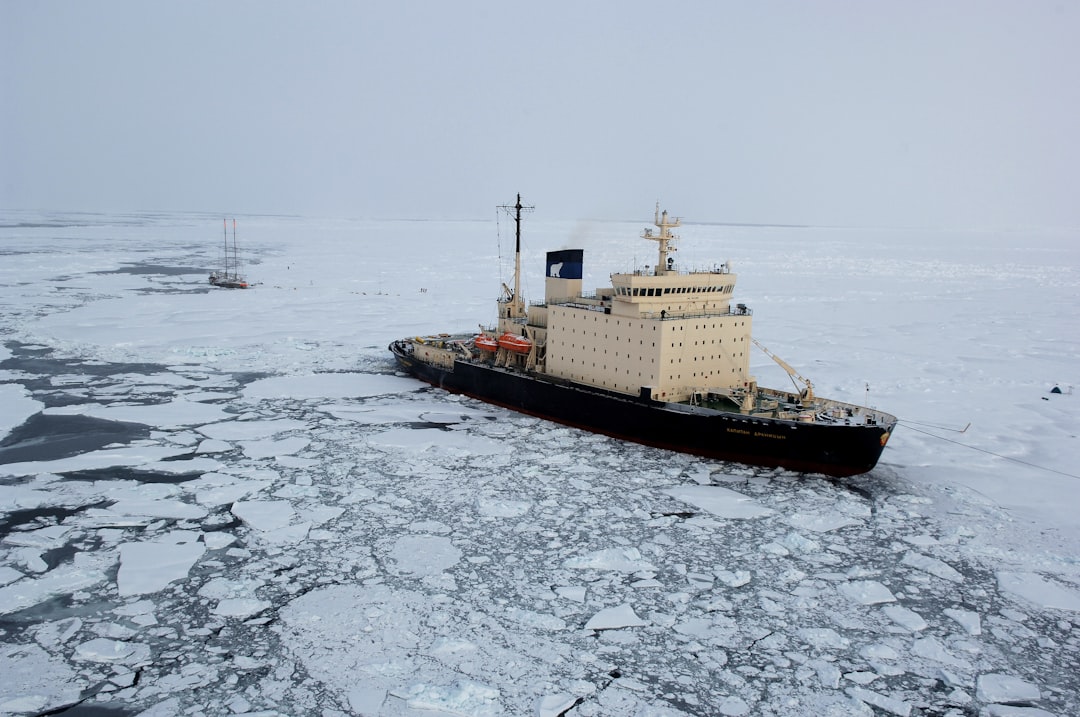
Russia’s assertion of sovereignty over the Northern Sea Route (NSR) is rooted in historical, geographical, and strategic considerations. The NSR, which runs along the Russian Arctic coast from the Barents Sea to the Bering Strait, has been a focal point of Russian maritime policy for decades. The Russian government views this route as a vital national asset, essential for enhancing its economic and geopolitical standing.
By claiming the NSR as its territorial waters, Russia aims to control shipping traffic and assert its influence over the Arctic region, which is increasingly becoming a center of global interest due to climate change and melting ice. The legal basis for Russia’s claim is anchored in the United Nations Convention on the Law of the Sea (UNCLOS), which allows coastal states to establish territorial waters extending 12 nautical miles from their shores. However, Russia has extended its jurisdiction over the NSR beyond this limit, asserting that it has historical rights to the route.
As global warming continues to alter Arctic conditions, the NSR is expected to become more navigable, prompting heightened interest from various nations.
Key Takeaways
- Russia asserts sovereignty over the Northern Sea Route, leading to international disputes.
- The route offers significant economic potential but raises environmental concerns.
- Russia is investing heavily in Arctic infrastructure to strengthen its control.
- Geopolitical tensions and legal challenges complicate governance of Arctic shipping.
- Future Arctic shipping depends on balancing cooperation, competition, and security issues.
International Disputes Over Arctic Shipping
The Arctic region has become a hotbed of international disputes, particularly concerning shipping routes and territorial claims. As nations vie for access to the Northern Sea Route, tensions have escalated over issues of sovereignty and navigation rights. Countries such as the United States, Canada, and several European nations have expressed concerns about Russia’s expansive claims and its potential to restrict access to what they consider international waters.
This geopolitical tug-of-war has led to a complex web of diplomatic negotiations and confrontations, as nations seek to assert their interests in a region that is becoming increasingly accessible. Moreover, the Arctic Council, an intergovernmental forum comprising eight Arctic states, has struggled to address these disputes effectively. While it promotes cooperation on environmental protection and sustainable development, the council lacks binding authority over territorial claims and navigation rights.
As a result, countries have turned to bilateral agreements and military posturing to safeguard their interests in the region. The situation is further complicated by the presence of indigenous communities who have lived in the Arctic for generations and whose rights and interests must also be considered in any discussions about shipping and resource extraction.
Economic Potential of the Northern Sea Route
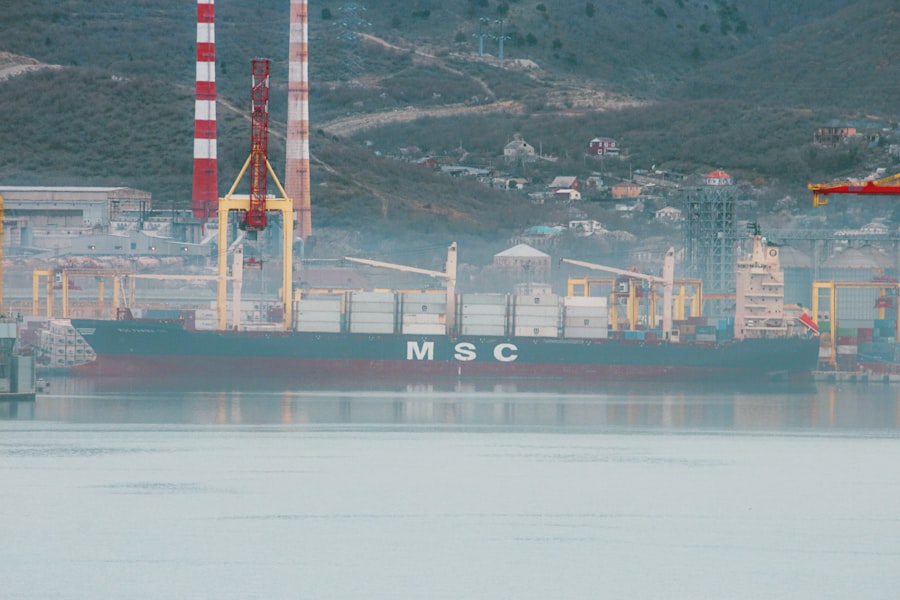
The economic potential of the Northern Sea Route is immense, with estimates suggesting that it could significantly reduce shipping times between Europe and Asia. Traditionally, vessels have relied on longer routes through the Suez Canal or around Africa, but the NSR offers a more direct path that could save both time and fuel costs. As global trade continues to expand, the appeal of this route becomes increasingly pronounced.
Russia envisions the NSR as a key component of its economic strategy, aiming to attract foreign investment and boost its own shipping industry. In addition to reducing transit times, the NSR is also seen as a gateway to vast untapped natural resources in the Arctic region. The seabed is believed to hold significant reserves of oil, gas, and minerals, which could be exploited to fuel economic growth.
As climate change continues to open up previously inaccessible areas, Russia is keen to capitalize on these resources while simultaneously promoting the NSR as a viable shipping lane for international trade. This dual focus on transportation and resource extraction underscores Russia’s ambition to position itself as a dominant player in the Arctic economy.
Environmental Concerns in the Arctic
While the economic prospects of the Northern Sea Route are enticing, they come with significant environmental concerns that cannot be overlooked. The Arctic is one of the most fragile ecosystems on the planet, home to unique wildlife and delicate habitats that are already under threat from climate change. Increased shipping traffic through the NSR raises alarms about potential oil spills, pollution, and disturbances to marine life.
Environmentalists warn that any expansion of shipping activities could have catastrophic consequences for this pristine environment. Furthermore, the melting ice caps are not only altering shipping routes but also exposing previously hidden environmental challenges. The release of methane from thawing permafrost poses a serious risk to global climate stability.
As nations rush to exploit new opportunities in the Arctic, there is a pressing need for comprehensive environmental assessments and regulations to mitigate potential damage. Balancing economic interests with environmental protection will be crucial in ensuring that the Arctic remains a viable ecosystem for future generations.
Russia’s Infrastructure Development in the Arctic
| Metric | Value | Details |
|---|---|---|
| Length of Northern Sea Route (NSR) | 5,600 km | Russia’s Arctic shipping corridor along the Siberian coast |
| Annual Cargo Volume (2023) | 35 million tons | Freight transported via NSR, showing growth in Arctic shipping |
| Icebreaker Fleet Size | 40+ vessels | Russia operates the world’s largest fleet of nuclear and diesel icebreakers |
| Control Mechanism | Russian Federal Agency for Maritime and River Transport | Regulates shipping and issues permits for NSR passage |
| Transit Fee Revenue (2023) | Estimated 1.2 billion | Fees collected from vessels using the NSR |
| Average Transit Time (Asia-Europe) | 12-15 days | Compared to 30-40 days via Suez Canal |
| Environmental Monitoring Stations | 15+ | Installed along the corridor to monitor ice and weather conditions |
| Year Russia Declared Control Over NSR | 2009 | Legal framework established to regulate shipping activities |
In response to its ambitions for the Northern Sea Route, Russia has embarked on an extensive program of infrastructure development in the Arctic region. This includes investments in ports, icebreakers, and support facilities designed to facilitate increased shipping traffic. The Russian government has recognized that robust infrastructure is essential for realizing its vision of making the NSR a major international shipping lane.
By enhancing its capabilities in this area, Russia aims to attract foreign vessels and establish itself as a key player in Arctic maritime logistics. The development of infrastructure also extends to energy projects aimed at tapping into the region’s vast natural resources. Russia has initiated several large-scale projects focused on oil and gas extraction, which are closely linked to its plans for expanding shipping routes.
However, these developments are not without controversy; they often face opposition from environmental groups and indigenous communities concerned about their impact on local ecosystems and traditional ways of life. As Russia continues to invest in Arctic infrastructure, it must navigate these complex social and environmental dynamics while pursuing its economic goals.
Geopolitical Implications of Russia’s Control

Russia’s control over the Northern Sea Route carries significant geopolitical implications that extend beyond its borders. By asserting dominance over this critical shipping lane, Russia positions itself as a key player in global trade dynamics. This control allows Moscow to influence shipping routes and potentially impose regulations that could affect other nations’ access to these waters.
As countries like China express interest in utilizing the NSR for their own trade purposes, Russia’s role as gatekeeper becomes increasingly important. Moreover, Russia’s actions in the Arctic are viewed through the lens of broader geopolitical tensions with Western nations. The resurgence of military activity in the region has raised concerns about potential conflicts over territorial claims and resource exploitation.
As NATO countries bolster their presence in response to perceived threats from Russia, the Arctic becomes a focal point for strategic competition. The interplay between cooperation and rivalry in this region will shape not only Arctic policy but also global geopolitical dynamics for years to come.
Impact on Global Trade and Shipping
The emergence of the Northern Sea Route as a viable shipping lane has profound implications for global trade patterns. If fully utilized, it could revolutionize maritime logistics by significantly shortening transit times between major markets in Europe and Asia. This shift could lead to reduced shipping costs and increased efficiency for businesses engaged in international trade.
As companies seek ways to optimize their supply chains, the NSR presents an attractive alternative that could reshape traditional shipping routes. However, this potential transformation is not without challenges. The unpredictability of Arctic weather conditions poses risks for shipping operations, necessitating advanced navigation technologies and contingency planning.
Additionally, geopolitical tensions surrounding Russia’s control over the NSR may deter some companies from fully embracing this route due to concerns about regulatory compliance and potential disruptions. As stakeholders weigh these factors, the future of global trade through the Northern Sea Route remains uncertain but undeniably significant.
Legal Challenges to Russia’s Control
Despite Russia’s claims over the Northern Sea Route, legal challenges persist regarding its control and jurisdiction over these waters. International law stipulates that coastal states have certain rights over their territorial waters; however, disputes arise when those claims extend beyond established limits. Many countries contest Russia’s assertion that it can regulate navigation through what they consider international waters.
This legal ambiguity creates friction between Russia and other nations seeking unfettered access to the NSR. The United Nations Convention on the Law of the Sea (UNCLOS) serves as a framework for resolving such disputes; however, enforcement mechanisms remain weak. Countries may resort to diplomatic negotiations or even military posturing to assert their rights in contested areas.
As more nations express interest in utilizing the NSR for shipping purposes, legal challenges are likely to intensify. The outcome of these disputes will have lasting implications for international maritime law and governance in the Arctic region.
Cooperation and Competition in the Arctic
The Arctic presents a unique landscape where cooperation and competition coexist among nations vying for influence and resources. While geopolitical tensions are palpable, there are also avenues for collaboration that can benefit all stakeholders involved. For instance, joint initiatives focused on environmental protection and scientific research have emerged as common ground for countries with competing interests.
These collaborative efforts highlight the potential for shared benefits even amid rivalry. However, balancing cooperation with competition remains a delicate task. As nations pursue their strategic interests in the Arctic—whether through military presence or resource extraction—tensions can escalate quickly.
The challenge lies in fostering dialogue that prioritizes mutual respect while addressing legitimate concerns about sovereignty and environmental stewardship. Finding ways to navigate this complex landscape will be crucial for ensuring stability and sustainability in Arctic affairs.
Security Issues in the Arctic
Security concerns in the Arctic have gained prominence as nations increase their military presence in response to perceived threats from rival powers. The region’s strategic importance has led to heightened surveillance activities and military exercises by various countries seeking to assert their influence over contested areas. This militarization raises questions about potential conflicts arising from territorial disputes or resource competition.
Moreover, security issues extend beyond traditional military concerns; they encompass environmental security as well. The risks associated with increased shipping traffic—such as oil spills or accidents—pose significant threats not only to marine ecosystems but also to national security interests tied to resource management and disaster response capabilities. Addressing these multifaceted security challenges requires comprehensive strategies that encompass both military readiness and environmental protection measures.
Future Prospects for Arctic Shipping
The future prospects for Arctic shipping through the Northern Sea Route are both promising and uncertain. As climate change continues to reshape Arctic conditions, opportunities for increased navigation will likely expand; however, challenges remain regarding infrastructure development, environmental protection, and geopolitical tensions. Stakeholders must navigate these complexities while considering long-term sustainability goals alongside immediate economic interests.
Ultimately, collaboration among Arctic nations will be essential for realizing the full potential of the NSR while safeguarding its fragile environment. Establishing clear regulations governing navigation rights and environmental standards will help mitigate risks associated with increased shipping activity. By fostering dialogue among stakeholders—governments, indigenous communities, environmental organizations—the future of Arctic shipping can be shaped into one that balances economic growth with ecological preservation.
The strategic importance of the Arctic shipping corridor has been a topic of increasing interest, particularly in light of Russia’s efforts to assert control over this vital route. For a deeper understanding of the geopolitical implications and the environmental challenges associated with Arctic shipping, you can read more in this related article: