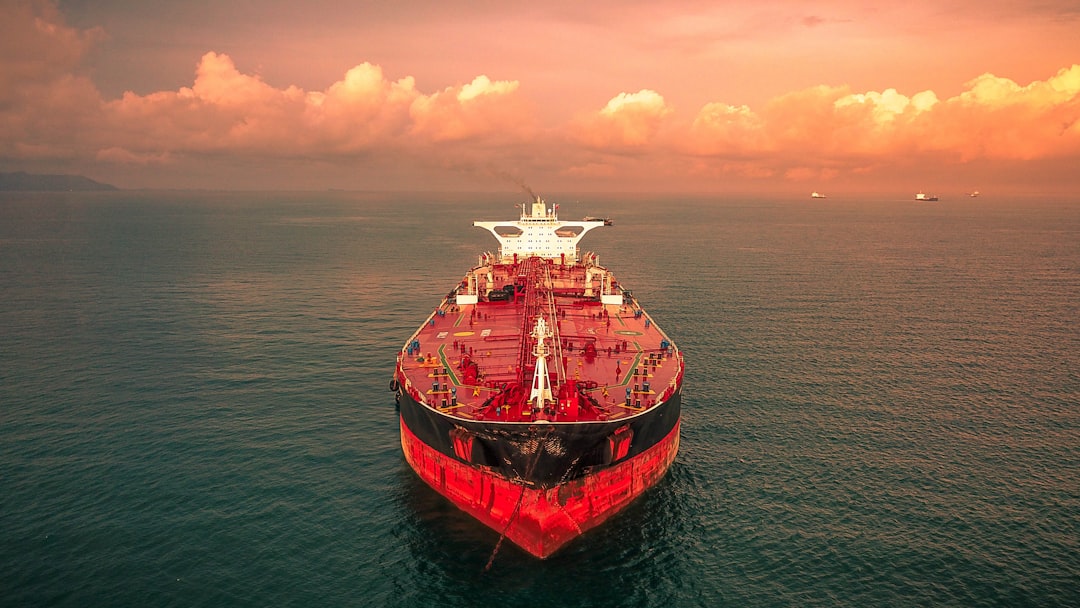
Fuel siphoning piracy represents a growing security threat in maritime regions worldwide, involving the unauthorized theft of fuel from commercial and private vessels. This criminal activity results in significant economic losses for shipping companies, vessel operators, and national governments. The practice has evolved from opportunistic theft to organized criminal operations conducted by sophisticated networks that systematically target maritime fuel supplies.
Economic inequality in coastal regions drives individuals toward illegal activities as alternative income sources. The high market value of marine fuel makes it an attractive target for theft and resale.
Limited maritime law enforcement capabilities, particularly in remote ocean areas, create enforcement gaps that criminal organizations exploit. The vast expanse of international waters and inadequate patrol resources make comprehensive monitoring and prevention extremely difficult. The impact of fuel siphoning piracy extends beyond immediate financial losses.
Affected shipping companies face increased operational costs and insurance premiums. Local communities may experience economic disruption and environmental contamination from fuel spills during theft operations. International shipping routes become less secure, potentially affecting global trade patterns.
The criminal networks involved often engage in additional illegal activities, contributing to broader regional instability and security concerns.
Key Takeaways
- Fuel siphoning piracy involves illegal extraction and theft of fuel, impacting various communities and economies.
- Historical patterns show evolving tactics, from manual siphoning to sophisticated technological methods.
- The practice causes significant environmental damage and economic losses, affecting local and global markets.
- Efforts to combat fuel siphoning include law enforcement, technological innovations, and international cooperation.
- Future outlook emphasizes enhanced technology and stronger policies to reduce fuel siphoning piracy worldwide.
History of Fuel Siphoning Piracy
The history of fuel siphoning piracy can be traced back to the early days of maritime trade when ships carried valuable cargo across treacherous waters. While piracy in its traditional sense has existed for centuries, the specific act of fuel siphoning has gained prominence in recent decades. The rise of global shipping routes and the increasing demand for oil have created lucrative opportunities for those willing to engage in this illegal activity.
Historical records indicate that incidents of fuel siphoning began to surface prominently in the late 20th century, particularly in regions like West Africa and Southeast Asia. In West Africa, for instance, the Niger Delta has long been a hotspot for oil-related crimes, including fuel siphoning. Armed groups and local communities have engaged in siphoning operations as a form of protest against perceived injustices related to oil extraction and environmental degradation.
Similarly, Southeast Asia has witnessed a surge in fuel siphoning incidents, often linked to organized crime syndicates that target commercial vessels. Over time, these incidents have evolved from opportunistic thefts to well-coordinated operations involving multiple actors and sophisticated tactics.
Tactics Used in Fuel Siphoning Piracy
Fuel siphoning pirates employ a variety of tactics to execute their operations successfully. One common method involves the use of small boats or skiffs that can maneuver quickly around larger vessels. These smaller crafts allow pirates to approach unsuspecting ships stealthily, often under the cover of darkness.
Once alongside, they utilize specialized equipment such as hoses and pumps to siphon fuel directly from the ship’s tanks. This method is not only efficient but also minimizes the time spent on the target vessel, reducing the risk of detection. In addition to physical tactics, fuel siphoning piracy often involves strategic planning and intelligence gathering.
Pirates may monitor shipping routes and schedules to identify vulnerable vessels or times when security is lax. They may also collaborate with insiders who provide information about cargo loads or security measures on board. This level of organization indicates that fuel siphoning piracy is not merely a crime of chance but rather a calculated endeavor that requires careful planning and execution.
Impact of Fuel Siphoning Piracy on Communities
The impact of fuel siphoning piracy extends far beyond the immediate financial losses incurred by shipping companies. Local communities often bear the brunt of these activities, facing both economic and social repercussions. In regions where fuel siphoning is prevalent, the local economy can suffer due to decreased investment in maritime activities and increased insurance costs for shipping companies.
This can lead to job losses and reduced economic opportunities for residents who rely on maritime trade for their livelihoods. Moreover, the social fabric of communities can be affected as well. In some cases, fuel siphoning piracy has led to increased violence and conflict among rival groups vying for control over lucrative siphoning operations.
This can create an environment of fear and instability, further exacerbating existing social issues. Additionally, communities may become divided over the practice itself; while some may view it as a necessary means of survival, others may condemn it as a criminal act that undermines local governance and law enforcement.
Measures Taken to Combat Fuel Siphoning Piracy
| Metric | Description | Typical Values | Impact |
|---|---|---|---|
| Frequency of Incidents | Number of fuel siphoning piracy events reported per year | 50-200 incidents globally | Disrupts shipping operations and increases security costs |
| Average Fuel Volume Stolen | Amount of fuel siphoned per incident (in liters) | 500-5,000 liters | Significant financial loss and operational delays |
| Common Target Vessels | Types of ships most frequently targeted | Tankers, cargo ships, fishing vessels | Vessels with large fuel reserves are more vulnerable |
| Geographical Hotspots | Regions with highest reported fuel siphoning piracy | West Africa, Southeast Asia, Gulf of Guinea | High-risk zones requiring increased maritime security |
| Typical Tactics Used | Methods employed by pirates to siphon fuel | Boarding at anchor, use of small boats, cutting fuel lines | Stealth and speed to avoid detection and capture |
| Response Time | Average time for authorities to respond to incidents | 30 minutes to 3 hours | Delayed response increases success rate of piracy |
| Preventive Measures | Common security tactics to prevent fuel siphoning | Increased patrols, onboard security, fuel line alarms | Reduces incidents and deters pirates |
In response to the growing threat of fuel siphoning piracy, various measures have been implemented by governments and international organizations aimed at curbing this illicit activity. One primary approach involves enhancing maritime security through increased patrols and surveillance in high-risk areas. Countries such as Nigeria have established joint task forces that include naval forces and law enforcement agencies to monitor coastal waters more effectively.
Furthermore, international cooperation has become crucial in addressing fuel siphoning piracy on a global scale. Organizations like INTERPOL and the International Maritime Organization (IMO) have facilitated information sharing and coordinated efforts among nations to combat this issue. Training programs for law enforcement personnel have also been developed to improve their capacity to respond to incidents of piracy effectively.
These measures reflect a growing recognition that combating fuel siphoning piracy requires a multifaceted approach that encompasses both local and international efforts.
Case Studies of Fuel Siphoning Piracy Incidents

Several notable case studies illustrate the complexities surrounding fuel siphoning piracy and its far-reaching consequences. One such incident occurred off the coast of Nigeria in 2019 when a group of armed pirates attacked a tanker vessel, successfully siphoning thousands of liters of fuel before escaping undetected. This incident not only resulted in significant financial losses for the shipping company but also highlighted the challenges faced by local authorities in securing maritime routes.
Another case study involves an incident in Southeast Asia where a group of pirates targeted a bulk carrier anchored near a remote island. Utilizing small boats, they managed to siphon fuel from the vessel’s tanks while evading detection by local law enforcement. This incident underscored the need for improved surveillance and response capabilities in regions prone to such activities.
Both cases exemplify how fuel siphoning piracy can disrupt maritime trade and pose significant challenges for authorities tasked with maintaining security on the high seas.
The Role of Technology in Fuel Siphoning Piracy
Technology plays a dual role in the context of fuel siphoning piracy; it can both facilitate illicit activities and aid in combating them. On one hand, pirates have increasingly adopted advanced technologies such as GPS tracking systems and communication devices to coordinate their operations more effectively. These tools enable them to navigate shipping routes with precision and communicate swiftly with accomplices during an operation.
Conversely, technology also offers solutions for enhancing maritime security. Surveillance drones equipped with cameras can monitor vast ocean areas more efficiently than traditional patrol boats. Additionally, satellite technology allows for real-time tracking of vessels, enabling authorities to respond quickly to suspicious activities.
The integration of technology into maritime security efforts represents a promising avenue for addressing the challenges posed by fuel siphoning piracy.
Environmental Consequences of Fuel Siphoning Piracy
The environmental consequences of fuel siphoning piracy are profound and often overlooked in discussions surrounding this issue. When pirates siphon fuel from vessels, they frequently do so without regard for safety protocols or environmental regulations. This can lead to spills and leaks that contaminate marine ecosystems, harming wildlife and disrupting local fisheries.
In regions like the Niger Delta, where oil extraction has already caused significant environmental degradation, fuel siphoning exacerbates existing problems. The release of hydrocarbons into the water can have devastating effects on aquatic life, leading to long-term ecological damage. Furthermore, communities that rely on fishing as a primary source of income may find their livelihoods threatened as fish populations decline due to pollution caused by these illicit activities.
Economic Impact of Fuel Siphoning Piracy
The economic impact of fuel siphoning piracy extends beyond immediate financial losses for shipping companies; it also affects broader economic stability in affected regions. The costs associated with increased insurance premiums, security measures, and potential legal liabilities can deter investment in maritime trade and infrastructure development. As shipping companies face rising operational costs due to piracy threats, they may choose to avoid high-risk areas altogether, leading to reduced trade opportunities for local economies.
Moreover, the ripple effects of fuel siphoning piracy can be felt throughout entire supply chains.
In regions where maritime trade is vital for economic growth, such disruptions can hinder development efforts and exacerbate existing economic challenges.
International Efforts to Address Fuel Siphoning Piracy
International efforts to combat fuel siphoning piracy have gained momentum in recent years as countries recognize the need for collaborative action. Organizations such as the United Nations Office on Drugs and Crime (UNODC) have initiated programs aimed at strengthening legal frameworks and enhancing cooperation among nations affected by piracy. These initiatives focus on capacity building for law enforcement agencies and promoting information sharing across borders.
Additionally, regional partnerships have emerged as effective strategies for addressing fuel siphoning piracy. For instance, countries in West Africa have formed coalitions to enhance maritime security through joint patrols and intelligence sharing. Such collaborative efforts demonstrate a commitment to tackling this issue collectively rather than relying solely on individual national responses.
Conclusion and Future Outlook for Fuel Siphoning Piracy
In conclusion, fuel siphoning piracy represents a multifaceted challenge that requires comprehensive solutions at both local and international levels. As global trade continues to evolve, so too will the tactics employed by those engaged in this illicit activity. The interplay between economic factors, technological advancements, and environmental considerations will shape the future landscape of fuel siphoning piracy.
Looking ahead, it is crucial for governments, law enforcement agencies, and international organizations to remain vigilant in their efforts to combat this issue effectively. By fostering collaboration among nations and investing in innovative technologies for maritime security, stakeholders can work towards mitigating the impact of fuel siphoning piracy on communities and economies worldwide. Ultimately, addressing this challenge will require a sustained commitment to promoting safe and secure maritime environments that benefit all stakeholders involved in global trade.
Fuel siphoning piracy tactics have become a significant concern in maritime security, as criminals increasingly target vessels to steal fuel. For a deeper understanding of the implications and strategies surrounding this issue, you can read a related article on the topic at MyGeoQuest. This resource provides valuable insights into the methods employed by pirates and the measures that can be taken to mitigate such risks.
WATCH THIS 🌍 The $3 Trillion Throttle: Who Controls the World’s Supply Chain?
FAQs
What is fuel siphoning in the context of piracy tactics?
Fuel siphoning in piracy tactics refers to the illegal act of extracting fuel from ships or fuel storage facilities using hoses or pumps. Pirates use this method to steal fuel for their own use or to sell it on the black market.
How do pirates typically carry out fuel siphoning?
Pirates usually approach a target vessel covertly, often at night or in remote areas. They use hoses or siphoning pumps to transfer fuel from the ship’s tanks into their own containers or vessels. This process can be quick to avoid detection.
Why do pirates engage in fuel siphoning?
Fuel siphoning provides pirates with a valuable resource that can be used to power their boats or sold for profit. It is a lucrative activity because fuel is expensive and in high demand, especially in regions with limited access to legal fuel supplies.
What types of vessels are most vulnerable to fuel siphoning?
Large commercial ships, oil tankers, and fishing vessels are often targeted because they carry significant quantities of fuel. Ships anchored or stationary near pirate-prone areas are particularly at risk.
What measures can ships take to prevent fuel siphoning?
Ships can implement security measures such as increased surveillance, onboard security personnel, secure locking mechanisms on fuel tanks, and the use of alarms or sensors to detect unauthorized access to fuel compartments.
Is fuel siphoning considered a form of piracy under international law?
Yes, fuel siphoning is considered an act of piracy or maritime theft under international law, especially when it involves unauthorized boarding and theft from vessels on the high seas.
What regions are most affected by fuel siphoning piracy tactics?
Regions such as the Gulf of Guinea, the waters off the coast of Somalia, and parts of Southeast Asia have reported incidents of fuel siphoning as part of broader piracy activities.
How does fuel siphoning impact maritime security and trade?
Fuel siphoning disrupts maritime operations, increases costs for shipping companies, and poses safety risks. It can lead to delays, increased insurance premiums, and heightened security measures, affecting global trade routes.
Are there any international efforts to combat fuel siphoning piracy?
Yes, international naval patrols, cooperation between countries, information sharing, and enforcement of maritime laws are part of efforts to combat piracy, including fuel siphoning. Organizations like the International Maritime Organization (IMO) also provide guidelines to enhance ship security.
Can fuel siphoning cause environmental damage?
Yes, improper siphoning can lead to fuel spills, which harm marine ecosystems and pollute the water. Environmental damage is a significant concern associated with illegal fuel extraction at sea.