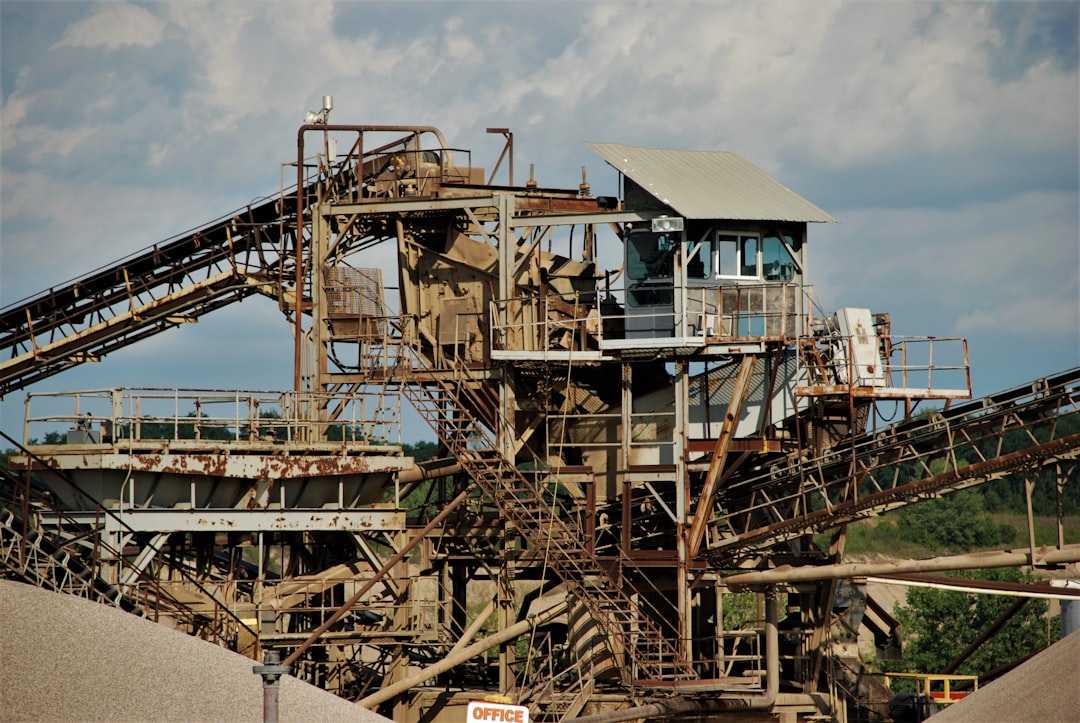
The landscape of phosphate mining, a cornerstone of global agriculture and numerous industrial processes, is undergoing a profound transformation. For decades, the extraction of this vital mineral, predominantly from sedimentary rock, has been characterized by established, often resource-intensive, methods. However, a confluence of technological advancements is rapidly reshaping how phosphate is discovered, extracted, processed, and even recycled. This revolution, driven by innovation, promises not only increased efficiency and reduced environmental impact but also the potential to unlock previously inaccessible reserves, ensuring a more sustainable future for this critical resource.
The initial phase of phosphate mining, the identification of viable deposits, has historically relied on geological surveys and empirical methods. However, emerging technologies are imbuing this process with unprecedented precision and speed, acting as a keen-eyed prospector in the earth’s hidden veins.
Advanced Geophysical Survey Techniques
Geophysical methods, once blunt instruments, are now honed to a razor’s edge. Seismic surveys, employing sophisticated sensors and wave-propagation models, can now paint detailed subterranean pictures with remarkable clarity. These techniques allow geoscientists to distinguish between different rock types, identify anomalies indicative of phosphate mineralization, and delineate the extent of ore bodies with a precision previously unimaginable. Think of it as transitioning from a blunt hammer to a finely tuned sonic probe, capable of discerning subtle variations deep within the earth.
Remote Sensing and Satellite Imagery
The advent of high-resolution satellite imagery and advanced spectral analysis has opened new vistas in exploration. By analyzing specific wavelengths of light reflected or absorbed by the earth’s surface, geologists can identify spectral signatures associated with phosphate-rich geological formations. This aerial reconnaissance, akin to a hawk soaring above, allows for the rapid assessment of vast territories, pinpointing areas that warrant closer ground investigation. Furthermore, drone-based remote sensing, equipped with LiDAR (Light Detection and Ranging) and hyperspectral cameras, offers even more localized and detailed data acquisition, complementing satellite observations.
Machine Learning and Artificial Intelligence in Prospecting
Perhaps the most transformative development in exploration is the integration of machine learning (ML) and artificial intelligence (AI). These powerful algorithms can sift through massive datasets generated by geophysical surveys, historical exploration records, and geological maps, identifying complex patterns and correlations that might elude human analysis. AI can learn from past successes and failures, optimizing exploration strategies and predicting the likelihood of discovering new phosphate deposits with increased accuracy. This is akin to having an army of tireless, intelligent assistants meticulously examining every piece of geological data, highlighting the most promising clues.
Technology is revolutionizing phosphate mining by enhancing efficiency and reducing environmental impact. Innovations such as automated drilling systems, advanced data analytics, and sustainable extraction methods are transforming traditional practices. For a deeper understanding of these advancements and their implications, you can read a related article on this topic at MyGeoQuest. This resource provides insights into how modern technology is reshaping the phosphate mining industry and promoting sustainable practices.
From Rock to Resource: Technological Advancements in Extraction
The physical act of extracting phosphate rock from the earth is a physically demanding and often environmentally significant undertaking. Technological innovations are now addressing these challenges, aiming for more efficient, safer, and less disruptive mining operations.
Enhanced Drilling and Blasting Technologies
Traditional drilling and blasting methods, while effective, can be energy-intensive and generate significant vibrations. Modern advancements focus on optimizing these processes. Drill bits are engineered with advanced materials and geometries for increased durability and penetration rates. Furthermore, advanced blasting techniques, utilizing controlled detonation systems and sophisticated software for charge placement and timing, can improve ore fragmentation, reduce the amount of waste rock generated, and minimize seismic impact. This precision in detonation is like orchestrating a controlled release of energy, rather than a brute-force approach.
Automation and Robotics in Underground Mining
Underground phosphate mines, often complex and hazardous environments, are witnessing a surge in automation and robotics. Autonomous drilling rigs, remote-controlled loaders, and automated hauling systems are increasingly being deployed. These technologies not only enhance worker safety by removing personnel from dangerous areas but also boost productivity. Robots can operate continuously, in challenging conditions, and with a level of precision that surpasses human capabilities in certain repetitive tasks. This transition is reminiscent of a highly skilled, tireless workforce augmented by intelligent machines, ensuring operations run smoothly even in the earth’s deep embrace.
In-Situ Recovery and Alternative Extraction Methods
While less common for phosphate compared to some other minerals, research and development are exploring in-situ recovery (ISR) techniques. ISR involves dissolving the desired mineral in place using chemical solutions and then pumping the pregnant solution to the surface for processing. While significant geological and environmental considerations are paramount for ISR, its potential to reduce surface disturbance and the need for traditional excavation is a compelling area of investigation for future, more sustainable extraction models. This is akin to drawing sustenance directly from the earth’s body without invasive surgery, a much gentler form of nourishment.
Refining the Riches: Innovations in Phosphate Processing
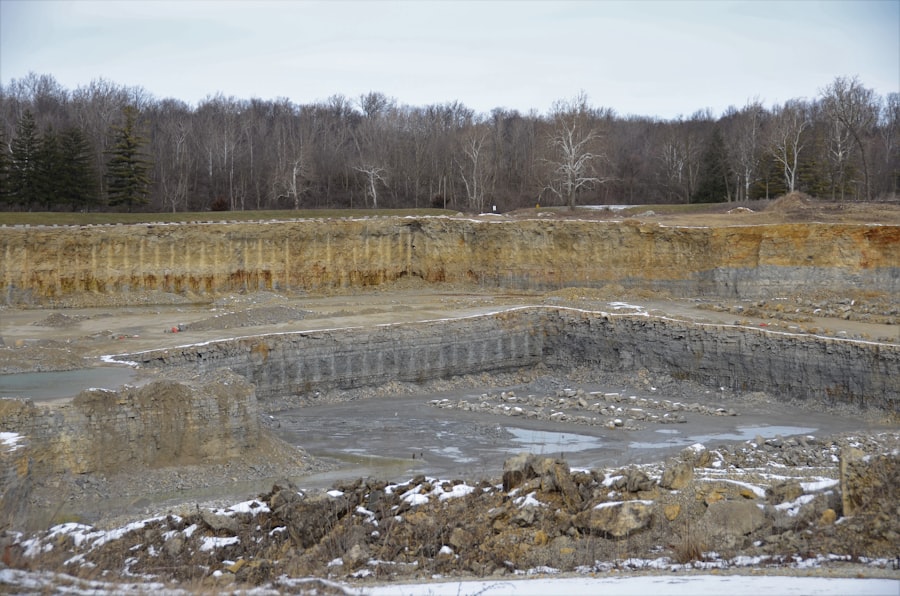
Once extracted, phosphate rock undergoes various processing stages to concentrate the valuable phosphate minerals and remove impurities. Technological advancements are streamlining these operations, improving yields and reducing the environmental footprint.
Advanced Beneficiation Techniques
Beneficiation, the process of concentrating valuable minerals, is undergoing significant upgrades. Flotation, a widely used method, is being enhanced with new reagent chemistries that are more selective, leading to higher recovery rates of phosphate and reduced waste. Dynamic sensing technologies are being integrated into flotation circuits, allowing for real-time adjustment of process parameters to optimize performance. Furthermore, magnetic separation techniques are being refined to remove iron-bearing minerals that can negatively impact fertilizer quality. These are like fine-tuning the sieves and magnets to capture every valuable grain without allowing unwanted particles to slip through.
Improved Crushing and Grinding Technologies
The effective liberation of phosphate minerals from the host rock often requires meticulous crushing and grinding. High-pressure grinding rolls (HPGRs) are increasingly replacing traditional ball mills in some applications, offering greater energy efficiency and producing a more uniform particle size distribution, which can be beneficial for subsequent processing. Advanced comminution modeling software helps optimize grinding circuits, ensuring maximum mineral recovery with minimum energy expenditure. This is about achieving the perfect size, a meticulous fragmentation that unlocks the mineral’s potential.
Water Management and Resource Efficiency in Processing
The processing of phosphate ore often requires significant water usage. Technological advancements are focusing on closed-loop water systems, where processed water is recycled and reused, drastically reducing overall water consumption. More efficient dewatering technologies, such as advanced filter presses and centrifuges, are expediting the separation of water from the processed ore, further contributing to resource efficiency. This focus on sustainability is like a sophisticated irrigation system that maximizes every drop of water for vital growth.
The Circular Economy Takes Root: Phosphate Recycling and Recovery
As the global demand for phosphate continues to grow and concerns about the finite nature of primary reserves mount, the focus is increasingly shifting towards recycling and recovery. Technology is providing the tools to transform waste streams into valuable phosphate sources.
Phosphorus Recovery from Wastewater and Sewage Sludge
Wastewater treatment plants and sewage sludge are significant, albeit unconventional, sources of phosphorus. Technologies are emerging to efficiently extract phosphorus from these streams, preventing its discharge into waterways, which can cause eutrophication, and recovering it as a valuable fertilizer component. Methods include struvite precipitation, a process that chemically binds phosphorus into a crystalline form, and thermal processes. This represents a paradigm shift, turning a pollutant into a resource, a true alchemy of the modern age.
Recovery from Industrial By-products and Agricultural Waste
Various industrial processes and agricultural activities generate by-products that contain recoverable phosphorus. For instance, the processing of animal manure can yield phosphorus-rich materials suitable for fertilizer. Furthermore, certain industrial ashes and slags are being investigated for their potential as phosphorus sources. Advanced separation and extraction technologies are crucial for efficiently isolating and purifying phosphorus from these complex matrices. This is about finding hidden treasures within what was once considered discard, breathing new life into forgotten materials.
Developing Advanced Recycling Technologies
The development of robust and cost-effective technologies for the large-scale recycling of phosphorus from diverse waste streams is a critical area of ongoing research. This includes optimizing chemical leaching processes, developing novel sorbent materials, and refining thermal and electrochemical recovery methods. The aim is to create a closed-loop system where phosphorus is continuously cycled, minimizing the reliance on virgin ore extraction. This vision of a truly circular economy for phosphorus is the ultimate frontier of technological revolution in this sector.
The evolution of technology is significantly transforming phosphate mining, making the process more efficient and environmentally friendly. Innovations such as automated machinery and advanced data analytics are streamlining operations and reducing waste. For a deeper understanding of these advancements and their implications for the industry, you can read a related article on this topic at MyGeoQuest. This resource provides insights into how modern techniques are reshaping the landscape of phosphate extraction and contributing to sustainable practices.
Mitigating the Footprint: Environmental Technologies in Phosphate Mining
| Technology | Impact on Phosphate Mining | Metric/Example | Benefit |
|---|---|---|---|
| Automation and Robotics | Automated drilling and hauling reduce human labor and increase precision | Up to 30% increase in operational efficiency | Improved safety and reduced operational costs |
| Remote Sensing and Drones | Enhanced exploration and monitoring of phosphate deposits | Real-time data collection covering 100+ hectares per flight | Faster resource assessment and environmental monitoring |
| Data Analytics and AI | Optimized mining processes and predictive maintenance | Reduction of equipment downtime by 20% | Increased productivity and reduced maintenance costs |
| Water Recycling Technologies | Improved water management in phosphate processing | Up to 50% reduction in freshwater usage | Environmental sustainability and cost savings |
| Advanced Separation Techniques | Higher purity phosphate concentrate production | Increase in phosphate recovery rate by 15% | Better product quality and reduced waste |
The environmental impact of mining operations has always been a significant concern, and technological advancements are now playing a crucial role in mitigating these effects and promoting more sustainable practices.
Dust Suppression and Air Quality Control
Dust generation is an inherent challenge in mining. Advanced dust suppression systems, utilizing water nebulizers, chemical agents, and engineered containment structures, are reducing airborne particulate matter. Real-time air quality monitoring systems, employing a network of sensors, provide immediate feedback on emissions, allowing for rapid adjustments to operational procedures. This is like creating a protective shield around the operations, safeguarding both workers and the surrounding environment.
Water Pollution Control and Mine Water Management
Preventing and remediating water pollution is paramount. Technologies such as advanced wastewater treatment plants, bioremediation techniques, and the use of impermeable liners in tailings storage facilities are crucial for managing mine water. Furthermore, innovative approaches to mine water management, including reuse and the treatment of acid mine drainage, are being implemented to minimize the discharge of contaminated water into natural systems. This is about acting as a vigilant guardian of water resources, ensuring purity and responsible stewardship.
Land Rehabilitation and Biodiversity Restoration
The long-term environmental responsibility of mining includes restoring mined-out areas. Technological advancements in geostatistics and soil science inform effective land rehabilitation strategies, facilitating the re-establishment of vegetation and ecosystems. Precision land grading, the use of specialized plant species, and ongoing monitoring are all part of this process. Drone-based surveys can aid in tracking rehabilitation progress and identifying areas requiring further intervention. This is about healing the earth’s scars, allowing nature’s resilience to take hold and flourish once more.
In conclusion, the technological revolution in phosphate mining is not a singular event but rather a continuous evolution. From the initial whisper of discovery gleaned from satellite data to the alchemical transformation of waste into fertilizer, technology is fundamentally altering the way we interact with this essential resource. The drive towards increased efficiency, reduced environmental impact, and the embrace of circular economy principles is reshaping the landscape, promising a more sustainable and secure future for phosphate, a mineral that underpins the very sustenance of our planet.
FAQs
What are some key technologies transforming phosphate mining?
Technologies such as automation, remote sensing, drones, and advanced data analytics are significantly changing phosphate mining. These innovations improve efficiency, safety, and environmental management in mining operations.
How does automation impact phosphate mining processes?
Automation enables the use of autonomous vehicles and machinery, reducing the need for manual labor, increasing precision in extraction, and minimizing human exposure to hazardous conditions.
In what ways does technology improve environmental sustainability in phosphate mining?
Technological advancements help monitor environmental impact in real-time, optimize resource use, reduce waste, and enable better land reclamation practices, thereby minimizing the ecological footprint of phosphate mining.
How are drones utilized in phosphate mining?
Drones are used for aerial surveys, mapping, and monitoring mining sites. They provide high-resolution data that assists in planning, tracking progress, and detecting potential issues quickly and accurately.
What role does data analytics play in modern phosphate mining?
Data analytics processes large volumes of information from sensors and equipment to optimize mining operations, predict maintenance needs, improve resource management, and enhance decision-making for increased productivity.