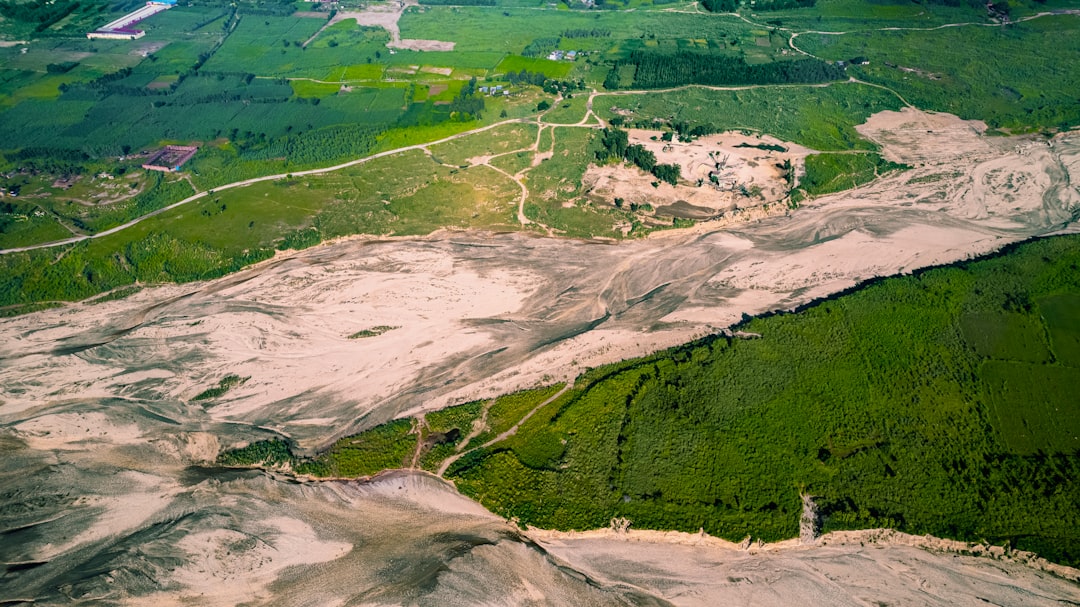
The Amu Darya Delta, once a verdant expanse of freshwater lakes, flourishing reeds, and teeming aquatic life, now stands as a stark testament to ecological devastation. For decades, the relentless diversion of its waters for irrigation, primarily to cultivate cotton in the Aral Sea Basin, has transformed this vibrant ecosystem into a parched, saline desert. The once mighty Amu Darya, a lifeline stretching across Central Asia, has been reduced to a meager trickle by the time it reaches its delta, leaving behind a skeletal landscape and a profound environmental crisis. However, a burgeoning awareness and a series of ambitious initiatives are now aiming to breathe life back into this wounded region, seeking to revive a vital ecosystem and mend the intricate tapestry of life that once thrived there.
The story of the Amu Darya Delta’s demise is inextricably linked to the grand ambitions of the Soviet era. The drive to transform arid regions into productive agricultural land, particularly for cotton monoculture, led to an unprecedented scale of water diversion. This was not a slow erosion; it was a deliberate redirection, a monumental feat of engineering that ultimately starved the delta. The Amu Darya, fed by glacial melt from the Pamir and Hindu Kush mountains, became a prisoner of its own canals.
The Scale of Water Diversion: A River Re-engineered
The Aral Sea Catastrophe: The Delta’s Silent Partner
The Amu Darya Delta’s fate is intrinsically intertwined with that of the Aral Sea. As the delta withered, so too did the Aral Sea, once the fourth-largest lake in the world. The Amu Darya, along with its sister river, the Syr Darya, were the primary arteries feeding this vast inland sea. Their diminished flow caused the Aral Sea to shrink dramatically, leaving behind the exposed seabed, a monument to ecological miscalculation.
The “Dust Bowl” Effect: Salt and Toxic Contamination
The exposed Aral seabed, no longer a source of freshwater but a vast expanse of salt and sand, became a potent source of airborne pollution. Windstorms would pick up this toxic dust, laced with pesticides and fertilizers that accumulated over decades, and carry it far and wide. This “dust bowl” effect not only damaged agricultural lands and human health in surrounding regions but also subtly contributed to the desiccation of the delta itself, as dust settled on any remaining water bodies, reducing their effective surface area.
Socio-Economic Ramifications: A Human Cost
The ecological collapse of the Amu Darya Delta had profound socio-economic consequences for the communities that depended on its bounty. Fishing villages that once thrived on the abundance of the delta’s waters were abandoned. Local economies, reliant on the delta’s natural resources, crumbled. The loss of fertile land and freshwater sources forced many to migrate, creating a ripple effect of social disruption.
The restoration of the Amu Darya delta is a critical environmental initiative aimed at revitalizing the region’s ecosystem and supporting local communities. For further insights into similar restoration efforts and their impacts on biodiversity and water management, you can read the related article on this topic at My Geo Quest. This article provides a comprehensive overview of various projects aimed at restoring vital habitats and promoting sustainable practices in delta regions around the world.
Signs of Hope: Emerging Restoration Efforts
Despite the overwhelming odds, a glimmer of hope has emerged in recent years. A growing recognition of the disastrous consequences of the past, coupled with international support and local commitment, has paved the way for a new era of ecological stewardship in the Amu Darya Delta. These initiatives are not about reclaiming lost glory overnight, but about a gradual, considered approach to re-establishing ecological balance.
International Collaboration: A Global Commitment to a Regional Crisis
The Amu Darya Delta’s challenges transcend national borders. The desiccation of this vast ecosystem impacts multiple countries and requires a coordinated, international response. Various organizations, including the United Nations, the World Bank, and numerous non-governmental organizations, have recognized the urgency of the situation and are providing technical expertise, financial assistance, and a platform for collaboration. This global commitment acts as a vital scaffolding for the intricate process of revival.
The Role of Local Communities: Guardians of the Land
Crucially, the success of any restoration effort hinges on the active participation and expertise of the local communities who have lived within the delta for generations. Their intimate knowledge of the land, its changing patterns, and its ecological nuances is invaluable. These communities, often the most directly affected by the environmental degradation, are increasingly becoming the front-line guardians of the nascent recovery.
Technological Innovations: Tools for a Greener Future
Modern technology is playing an increasingly important role in the restoration of the Amu Darya Delta. From advanced satellite imagery for monitoring water flow and vegetation cover to precision irrigation techniques that minimize water waste, innovation is providing solutions to long-standing problems.
Precision Agriculture: Doing More with Less Water
The legacy of inefficient irrigation practices is a major hurdle. However, the adoption of precision agriculture techniques, such as drip irrigation, soil moisture sensors, and drought-resistant crop varieties, offers a pathway to significantly reduce water consumption while maintaining agricultural productivity. This shift is a fundamental recalibration of how water is perceived and utilized.
“Soft Engineering” Approaches: Working with Nature, Not Against It
Instead of grand, potentially disruptive engineering feats, the focus is increasingly shifting towards “soft engineering” solutions. These approaches utilize natural processes to restore ecological functions, such as recreating wetlands and re-establishing native vegetation.
Wetland Restoration: Re-establishing Natural Filters
Wetlands are the kidneys of an ecosystem, filtering water and providing vital habitats. The restoration of existing wetlands and the creation of new ones within the delta are critical to improving water quality, increasing biodiversity, and providing a buffer against the encroaching desert.
Re-establishing Water Flows: The Artery of Life Returns
At the heart of any successful revival lies the question of water. The Amu Darya itself, though diminished, remains the lifeblood of the delta. Restoring its flow, even partially, is paramount. This involves a complex interplay of water management policies, infrastructure improvements, and a fundamental shift in agricultural practices.
Sustainable Water Management Policies: A New Paradigm
The era of unchecked water diversion must be replaced by policies that prioritize sustainable water management. This involves setting realistic water allocation quotas, enforcing regulations, and fostering transboundary cooperation to ensure equitable distribution of the Amu Darya’s waters.
Regional Water Cooperation: Shared Responsibility for a Shared Resource
The Amu Darya is a transboundary river, its waters flowing through several nations. Effective water management necessitates robust regional cooperation. Agreements that ensure fair allocation, prevent overuse, and promote joint monitoring are essential for the long-term health of the river and the delta.
Infrastructure Upgrades: Optimizing What Remains
While large-scale dam construction is unlikely, targeted infrastructure improvements are crucial. This includes repairing and modernizing aging irrigation canals to reduce leakage, developing efficient water storage solutions, and exploring the potential for treated wastewater reuse.
Reducing Water Losses: Capping the Leaks
A significant portion of the water diverted from the Amu Darya is lost through evaporation and seepage in inefficient canals. Investing in canal lining and improving the maintenance of existing water infrastructure can significantly increase the amount of water that reaches its intended destination.
Reintroducing Biodiversity: The Symphony of Life Reborn
The desiccation of the Amu Darya Delta led to a dramatic loss of biodiversity. The restoration efforts aim not only to bring back water but also to recreate the conditions necessary for a diverse array of plant and animal life to thrive once more. This is akin to rebuilding an orchestra, not just with instruments, but with the musicians who know how to play them.
Reforestation and Re-vegetation: The Green Embrace
The planting of native tree species, shrubs, and grasses is a fundamental step in stabilizing the soil, preventing further erosion, and re-establishing a natural habitat. These plants act as anchors, holding the land together and providing food and shelter for wildlife.
Native Species Focus: The Wisdom of Indigenous Flora
Prioritizing the reintroduction of native plant species is crucial. These plants are adapted to the local climate and soil conditions and are more likely to survive and thrive, forming a resilient ecosystem. They are the original architects of this landscape.
Habitat Reconstruction: Recreating Homes for Wildlife
Beyond planting trees, efforts are being made to reconstruct specific habitats that were once abundant in the delta. This includes creating reed beds, shallow wetlands, and areas of diverse vegetation that can support a variety of animal species, from insects and amphibians to birds and fish.
Creating Oasis Zones: Pockets of Life in the Desert
The strategy involves creating “oasis zones” – areas where water is more consistently available and vegetation is dense. These zones serve as critical refuges for wildlife, encouraging them to return and breed within the delta.
Reintroducing Key Species: Restoring Ecological Roles
In some cases, the reintroduction of key species that were once abundant is being considered. This could include fish species that can help purify water or specific types of birds that play important roles in seed dispersal or pollination.
Monitoring and Adaptive Management: Learning and Adjusting
The process of reintroducing species is carefully monitored. Scientists and conservationists track the success of these introductions, learning from the outcomes and adapting their strategies as needed. This adaptive management approach ensures that efforts are effective and sustainable.
The restoration of the Amu Darya delta is a critical environmental initiative aimed at reviving the unique ecosystems that have been severely impacted by water diversion and climate change. A related article discusses innovative strategies for sustainable water management in Central Asia, which could play a significant role in the success of such restoration efforts. For more insights on this topic, you can read the article on sustainable practices in the region here. This approach not only highlights the importance of ecological balance but also emphasizes the need for collaborative efforts among neighboring countries to ensure the delta’s future viability.
Facing the Future: Challenges and Continued Commitment
| Metric | Value | Unit | Notes |
|---|---|---|---|
| Restoration Area | 10,000 | hectares | Targeted wetland and delta area for restoration |
| Water Flow Increase | 15 | cubic kilometers/year | Estimated increase in water flow to the delta after restoration |
| Biodiversity Index Improvement | 25 | percent | Increase in species diversity post-restoration |
| Reed Bed Coverage | 5,000 | hectares | Area of reed beds restored or preserved |
| Fish Population Recovery | 30 | percent | Increase in native fish populations |
| Carbon Sequestration | 50,000 | tons CO2/year | Estimated carbon captured by restored wetlands |
| Project Duration | 5 | years | Planned length of restoration project |
The path to fully reviving the Amu Darya Delta is long and fraught with challenges. The scars of decades of neglect are deep, and the forces that led to its demise—including climate change and ongoing water demands—remain significant. However, the commitment to restoration is growing stronger, fueled by the understanding that the health of this ecosystem is intrinsically linked to the well-being of the region and the planet.
Climate Change Adaptation: A Shifting Landscape
Climate change presents a formidable challenge, with altered precipitation patterns and increased temperatures potentially impacting water availability and the success of restoration efforts. Adaptation strategies, such as drought-resistant planting and improved water storage, are therefore essential.
Long-Term Funding and Political Will: Ensuring Sustained Effort
The revival of the Amu Darya Delta is not a short-term project; it requires sustained commitment and consistent funding. Ensuring long-term political will across the involved nations and securing reliable financial resources will be critical for the enduring success of these initiatives.
Education and Awareness: Building a Culture of Stewardship
Ultimately, the long-term survival of the Amu Darya Delta depends on fostering a culture of environmental stewardship. Educating local communities, policymakers, and the wider public about the importance of this unique ecosystem and the need for its protection is paramount. This requires building a shared understanding, a collective ownership of the recovery process. The revival of the Amu Darya Delta is more than just an environmental project; it is a testament to human resilience, a bold undertaking to mend what has been broken, and a promise for a more sustainable future.
▶️ STOP: The Middle Corridor Is A Death Trap
FAQs
What is the Amu Darya delta?
The Amu Darya delta is a river delta formed by the Amu Darya River, which flows into the Aral Sea region in Central Asia. It is an important ecological zone that supports diverse wildlife and local communities.
Why is the Amu Darya delta restoration necessary?
Restoration is necessary because the delta has been severely degraded due to water diversion for agriculture, leading to reduced water flow, loss of wetlands, soil salinization, and a decline in biodiversity. Restoration aims to revive the ecosystem and improve livelihoods.
What are the main goals of the Amu Darya delta restoration projects?
The main goals include restoring natural water flow, rehabilitating wetlands, improving soil quality, enhancing biodiversity, and supporting sustainable livelihoods for local populations dependent on the delta’s resources.
Which organizations are involved in the restoration efforts?
Various international and regional organizations, including environmental NGOs, government agencies from Central Asian countries, and international development partners, collaborate on restoration projects to provide technical, financial, and policy support.
What are some challenges faced in restoring the Amu Darya delta?
Challenges include managing competing water demands for agriculture, climate change impacts, political coordination among countries sharing the river basin, funding limitations, and ensuring long-term sustainability of restoration efforts.