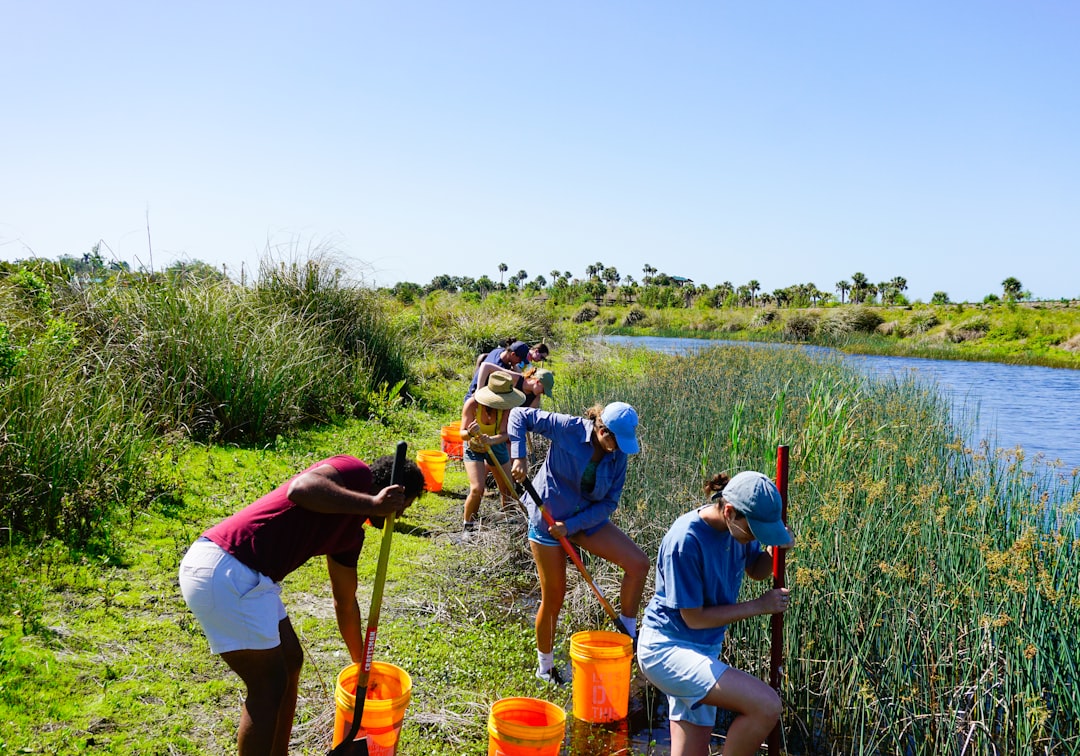
River restoration is a critical environmental endeavor aimed at reviving the ecological integrity of river systems that have been degraded by human activities. Over the years, rivers have suffered from pollution, damming, and urban development, leading to a decline in biodiversity and the overall health of aquatic ecosystems. The process of river restoration involves a variety of strategies, including the removal of barriers, reestablishing natural flow patterns, and improving water quality.
As societies increasingly recognize the importance of healthy waterways, river restoration has emerged as a vital component of environmental conservation efforts. The significance of river restoration extends beyond ecological benefits; it also encompasses social and economic dimensions. Healthy rivers provide essential resources for communities, including drinking water, recreational opportunities, and habitat for wildlife.
As such, restoring rivers can lead to improved quality of life for local populations while fostering a sense of stewardship and connection to the natural environment. This article will explore various case studies of river restoration projects, highlighting their successes, challenges, and the vital role of community engagement in these initiatives.
Key Takeaways
- River restoration projects, such as those on the Elwha and Chicago Rivers, demonstrate significant ecological recovery and community benefits.
- Community engagement is crucial for the success of restoration efforts, as seen in the Ganga River cleanup.
- Restoring rivers provides both economic advantages and environmental improvements, enhancing biodiversity and local economies.
- Despite challenges like pollution and funding, initiatives like the Rhine and Chesapeake Bay restorations show progress is achievable.
- The future of river restoration depends on continued collaboration, innovative solutions, and sustained commitment from all stakeholders.
Case Study: The Elwha River Restoration Project
The Elwha River Restoration Project in Washington State stands as a landmark example of successful river restoration. Initiated in 1992, this ambitious project aimed to restore the Elwha River’s natural flow and ecosystem after over a century of damming. The Elwha and Glines Canyon Dams had significantly altered the river’s ecology, blocking salmon migration and disrupting sediment transport.
The removal of these dams began in 2011 and was completed in 2014, marking a significant milestone in the restoration process. The results of the Elwha River Restoration Project have been remarkable. With the removal of the dams, salmon populations have begun to rebound, and the river’s natural sediment flow has been reestablished.
This has led to the rejuvenation of riparian habitats and improved water quality. The project has not only benefited the local ecosystem but has also fostered a renewed sense of cultural identity for the Native American tribes in the region, who view the river as a vital part of their heritage. The Elwha River serves as a powerful testament to the potential for ecological recovery when human interventions are reversed.
The Importance of Restoring Rivers

Restoring rivers is essential for numerous reasons, primarily centered around ecological health and biodiversity. Rivers are dynamic ecosystems that support a wide array of plant and animal species. When rivers are degraded, the delicate balance of these ecosystems is disrupted, leading to declines in species populations and loss of biodiversity.
By restoring rivers, communities can help revive these ecosystems, allowing native species to thrive and promoting overall environmental resilience. Moreover, healthy rivers play a crucial role in maintaining water quality and regulating hydrological cycles. They act as natural filters, absorbing pollutants and providing clean water for both human consumption and wildlife habitats.
Restoration efforts can significantly improve water quality by reducing sedimentation and nutrient runoff, which are often exacerbated by urbanization and agricultural practices. In this way, river restoration not only benefits the environment but also enhances public health by ensuring access to clean water.
Case Study: The Chicago River Restoration
| Metric | Value | Details |
|---|---|---|
| Project Start Year | 1999 | Initiation of the Chicago River restoration efforts |
| Project Completion Year | 2010 | Major restoration milestones achieved |
| Length of River Restored | 156 miles | Includes main river and tributaries |
| Water Quality Improvement | 40% | Reduction in pollutants and contaminants |
| Increase in Biodiversity | 30 species | New aquatic and bird species observed |
| Public Access Points Added | 20 | New parks, walkways, and boat launches |
| Annual Visitors Post-Restoration | 1.5 million | Estimated number of visitors enjoying the river |
| Reduction in Combined Sewer Overflows (CSOs) | 75% | Significant decrease in sewage discharge events |
The Chicago River Restoration Project exemplifies how urban environments can successfully integrate ecological restoration into their development plans. Historically, the Chicago River was heavily modified to accommodate industrial activities, resulting in significant ecological degradation. However, in recent years, city planners and environmentalists have collaborated to revitalize the river and its surrounding habitats.
One notable aspect of the Chicago River Restoration is the emphasis on green infrastructure. The city has implemented various strategies to improve water quality and enhance biodiversity along the riverbanks. These include creating wetlands, planting native vegetation, and installing permeable surfaces to reduce stormwater runoff.
As a result, the Chicago River has seen improvements in water clarity and a resurgence of fish populations. This project not only highlights the potential for ecological recovery in urban settings but also demonstrates how community engagement can drive successful restoration efforts.
The Role of Community Engagement in River Restoration
Community engagement is a cornerstone of effective river restoration initiatives. Involving local residents in restoration projects fosters a sense of ownership and responsibility toward their natural surroundings. When communities are actively engaged in the planning and implementation processes, they are more likely to support conservation efforts and advocate for sustainable practices.
Furthermore, community involvement can lead to innovative solutions that are tailored to local needs and conditions. Local knowledge often provides valuable insights into historical land use patterns and ecological changes that may not be captured by scientific studies alone. By incorporating this knowledge into restoration plans, communities can create more effective strategies that address specific challenges faced by their rivers.
Ultimately, fostering strong community ties enhances the likelihood of long-term success for river restoration projects.
Case Study: The Ganga River Cleanup Project
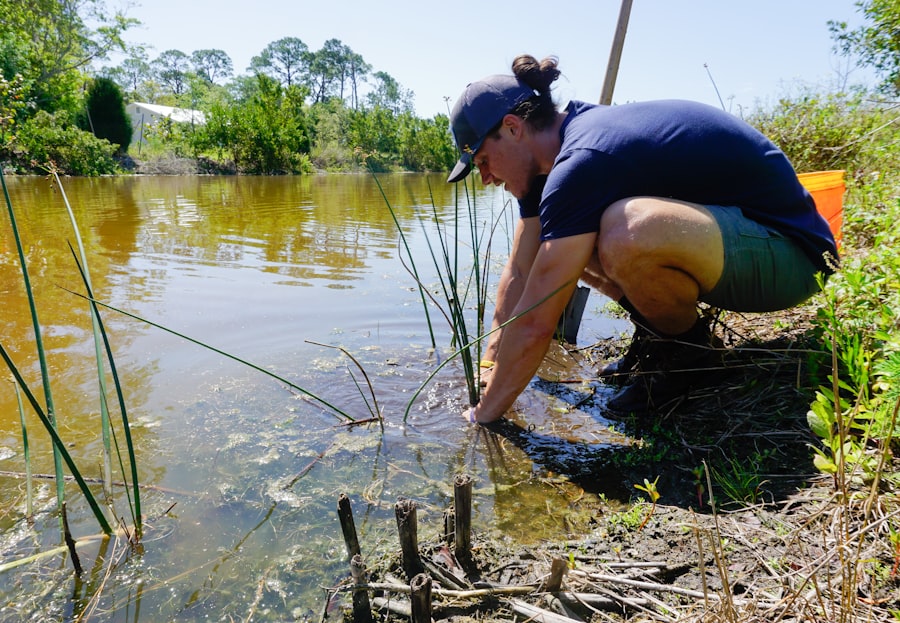
The Ganga River Cleanup Project in India represents one of the most ambitious river restoration efforts globally. The Ganga River holds immense cultural significance for millions of people but has faced severe pollution challenges due to industrial waste, sewage discharge, and religious practices. Launched in 2014, this initiative aims to rejuvenate the river’s health while preserving its cultural heritage.
The project encompasses a multifaceted approach that includes improving sewage treatment infrastructure, promoting waste management practices, and raising public awareness about pollution’s impact on the river ecosystem. Community engagement has been a vital component of this initiative, with local organizations working alongside government agencies to educate residents about sustainable practices and encourage participation in cleanup efforts. While challenges remain, such as balancing economic development with environmental protection, the Ganga River Cleanup Project serves as an inspiring example of how large-scale restoration efforts can mobilize communities toward a common goal.
The Economic and Environmental Benefits of River Restoration
The economic benefits of river restoration are often intertwined with environmental improvements. Healthy rivers contribute to local economies by supporting industries such as tourism, fishing, and recreation. Restored waterways attract visitors seeking outdoor experiences like kayaking, fishing, or hiking along scenic riverbanks.
This influx of tourism can provide significant revenue for local businesses while promoting environmental awareness among visitors. Additionally, restoring rivers can enhance property values in surrounding areas. Properties located near clean and vibrant waterways are often more desirable to homebuyers and investors alike.
This increased demand can lead to economic growth within communities while simultaneously fostering a greater appreciation for natural resources. Ultimately, investing in river restoration yields both immediate economic returns and long-term environmental sustainability.
Case Study: The Rhine River Restoration Initiative
The Rhine River Restoration Initiative is a prime example of successful international collaboration aimed at restoring one of Europe’s most significant waterways. Historically plagued by pollution from industrial activities and agricultural runoff, the Rhine faced severe ecological degradation throughout the 20th century. However, concerted efforts by multiple countries along its banks have led to remarkable improvements in water quality and biodiversity.
Since the 1980s, countries such as Germany, France, Switzerland, and the Netherlands have worked together to implement stringent pollution control measures and promote sustainable land use practices along the Rhine’s watershed. These collaborative efforts have resulted in cleaner water and a resurgence of fish populations that had previously declined due to pollution. The Rhine River Restoration Initiative highlights how transboundary cooperation can effectively address complex environmental challenges while fostering regional partnerships for sustainable development.
The Challenges and Obstacles of River Restoration
Despite the numerous successes associated with river restoration projects, significant challenges persist that can hinder progress. One major obstacle is securing adequate funding for restoration initiatives. Many projects require substantial financial investment for infrastructure improvements, habitat restoration, and ongoing maintenance efforts.
Without sufficient funding sources or political will, even well-planned projects may struggle to achieve their goals.
Balancing economic development with environmental protection can be particularly challenging in regions where industries rely on river resources for their livelihoods.
Stakeholders may have differing priorities that can lead to conflicts over land use or resource allocation. Navigating these complexities requires effective communication and collaboration among all parties involved to ensure that restoration efforts are equitable and sustainable.
Case Study: The Chesapeake Bay Restoration Efforts
The Chesapeake Bay Restoration Efforts illustrate both the challenges and successes associated with large-scale river restoration initiatives. As one of the largest estuaries in North America, Chesapeake Bay has faced significant environmental pressures from urbanization, agriculture, and pollution over the years. In response to declining water quality and habitat loss, various stakeholders—including government agencies, non-profit organizations, and local communities—have come together to implement comprehensive restoration strategies.
Key components of these efforts include reducing nutrient runoff from agricultural practices through best management techniques and restoring wetlands that serve as natural filters for pollutants entering the bay. Community engagement has played a crucial role in these initiatives by fostering awareness about sustainable practices among residents while encouraging participation in cleanup events. While challenges remain—such as addressing legacy pollution issues—the Chesapeake Bay Restoration Efforts demonstrate how collaborative approaches can lead to meaningful progress toward healthier waterways.
The Future of River Restoration
The future of river restoration holds great promise as communities worldwide increasingly recognize the importance of healthy waterways for both ecological integrity and human well-being. As demonstrated through various case studies—from the Elwha River to the Ganga River—successful restoration initiatives rely on collaboration among stakeholders at all levels while prioritizing community engagement. Moving forward, it will be essential to address ongoing challenges such as funding constraints and competing interests while fostering innovative solutions that leverage local knowledge and expertise.
By embracing a holistic approach that considers social, economic, and environmental factors alike, societies can work toward restoring rivers that not only sustain diverse ecosystems but also enrich the lives of those who depend on them for generations to come.
River restoration is a critical area of study that focuses on rehabilitating degraded river ecosystems to enhance biodiversity and improve water quality. A related article that delves into various case studies in river restoration can be found at this link. This resource provides valuable insights into successful restoration projects and the methodologies employed, making it a useful reference for researchers and practitioners in the field.
WATCH THIS! The $50 Billion Lie: America’s Dams Are About to Fail (60-Minute Documentary)
FAQs
What is river restoration?
River restoration is the process of returning a river or stream to a more natural, healthy state by improving its ecological function, water quality, and habitat for wildlife. This often involves removing barriers, reestablishing natural flow patterns, and restoring vegetation.
Why are case studies important in river restoration?
Case studies provide detailed examples of river restoration projects, showcasing successful techniques, challenges faced, and lessons learned. They help practitioners understand what works in different environmental and social contexts.
What are common goals of river restoration projects?
Common goals include improving water quality, enhancing habitat for fish and wildlife, reducing erosion, restoring natural flow regimes, increasing biodiversity, and improving recreational opportunities.
What methods are typically used in river restoration?
Methods can include re-meandering straightened channels, removing dams or barriers, planting native vegetation, stabilizing banks, reconnecting floodplains, and improving sediment transport.
How do case studies help in planning new river restoration projects?
By analyzing previous projects, planners can identify effective strategies, anticipate potential problems, estimate costs, and engage stakeholders more effectively.
Are river restoration projects beneficial for local communities?
Yes, restored rivers can improve water quality, reduce flood risks, enhance recreational spaces, and support local economies through tourism and fisheries.
What challenges are commonly encountered in river restoration?
Challenges include funding limitations, land use conflicts, invasive species, climate change impacts, and balancing ecological goals with human needs.
How is success measured in river restoration case studies?
Success is often measured by improvements in water quality, increased biodiversity, restored natural flow patterns, and positive social and economic outcomes.
Can river restoration reverse damage caused by urbanization?
While restoration can significantly improve river health, some impacts of urbanization may be difficult to fully reverse. Restoration aims to mitigate damage and enhance ecosystem resilience.
Where can I find detailed case studies on river restoration?
Case studies can be found in scientific journals, government and environmental agency reports, university research publications, and organizations specializing in river ecology and restoration.