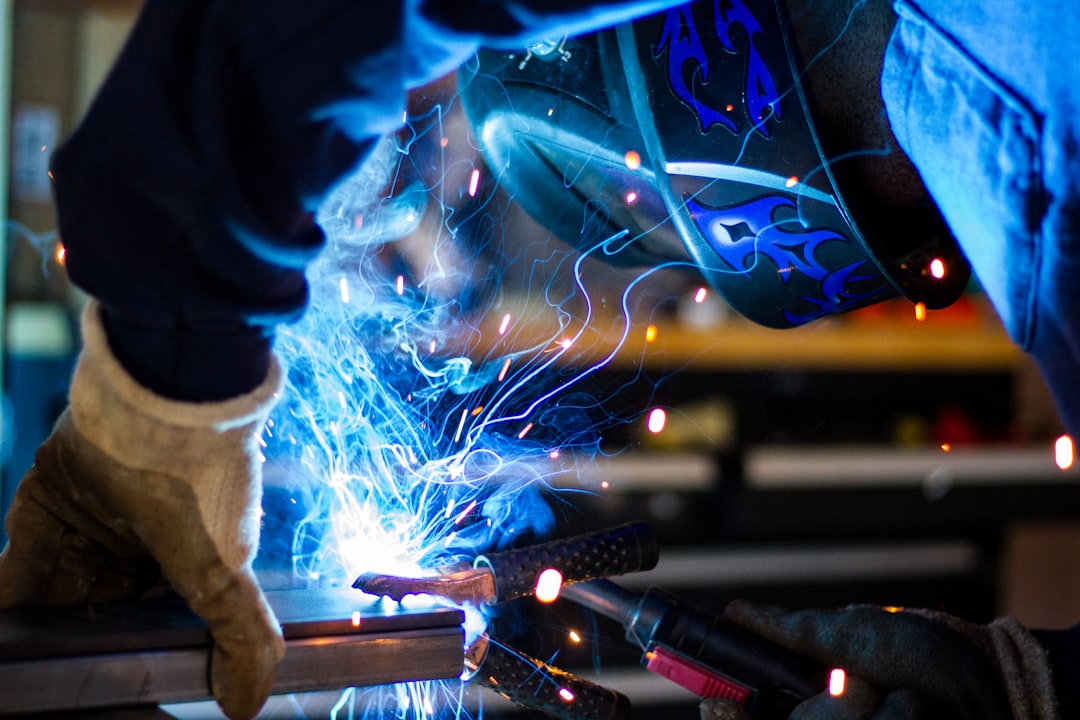
Manufacturing has long been a cornerstone of the Great Lakes region’s economy, serving as a vital engine for job creation and economic growth. This area, which encompasses parts of the United States and Canada, is home to a diverse array of industries, including automotive, aerospace, machinery, and consumer goods. The manufacturing sector not only provides employment opportunities for millions but also contributes significantly to the region’s GDP.
The interconnectedness of the Great Lakes’ manufacturing ecosystem fosters innovation and collaboration, making it a critical hub for production and technological advancement. Moreover, the Great Lakes region benefits from its strategic geographical location, which facilitates trade and transportation. The presence of major waterways, railroads, and highways allows for efficient distribution of goods both domestically and internationally.
This logistical advantage enhances the competitiveness of manufacturers in the area, enabling them to reach broader markets. As a result, the manufacturing sector plays an essential role in sustaining the economic vitality of the Great Lakes region, providing a foundation for future growth and development.
Key Takeaways
- Manufacturing is a crucial economic driver in the Great Lakes Region, providing jobs and contributing to the overall prosperity of the area.
- Challenges such as outdated infrastructure, workforce shortages, and global competition pose significant obstacles to the manufacturing industry in the Great Lakes Region.
- Innovation and technology play a key role in revitalizing manufacturing, helping companies stay competitive and adapt to changing market demands.
- Globalization has both positive and negative impacts on manufacturing in the Great Lakes Region, presenting opportunities for growth but also increasing competition.
- Strategies for attracting and retaining manufacturing talent are essential for the industry’s success, including investing in education and training programs to develop a skilled workforce.
Challenges Facing Manufacturing in the Great Lakes Region
Despite its historical significance, the manufacturing sector in the Great Lakes region faces numerous challenges that threaten its sustainability and growth. One of the most pressing issues is the aging workforce. Many skilled workers are nearing retirement age, leading to a potential skills gap that could hinder productivity and innovation.
As younger generations gravitate towards technology-driven careers, attracting talent to traditional manufacturing roles has become increasingly difficult. This demographic shift poses a significant challenge for manufacturers seeking to maintain their competitive edge. Additionally, the region grapples with economic fluctuations and market volatility.
Global economic uncertainties, trade tensions, and shifts in consumer demand can create instability for manufacturers. Companies must navigate these challenges while also adapting to rapid technological advancements that require continuous investment in new equipment and processes. The combination of these factors creates a complex landscape for manufacturers in the Great Lakes region, necessitating strategic planning and adaptability to thrive in an ever-changing environment.
The Role of Innovation and Technology in Revitalizing Manufacturing
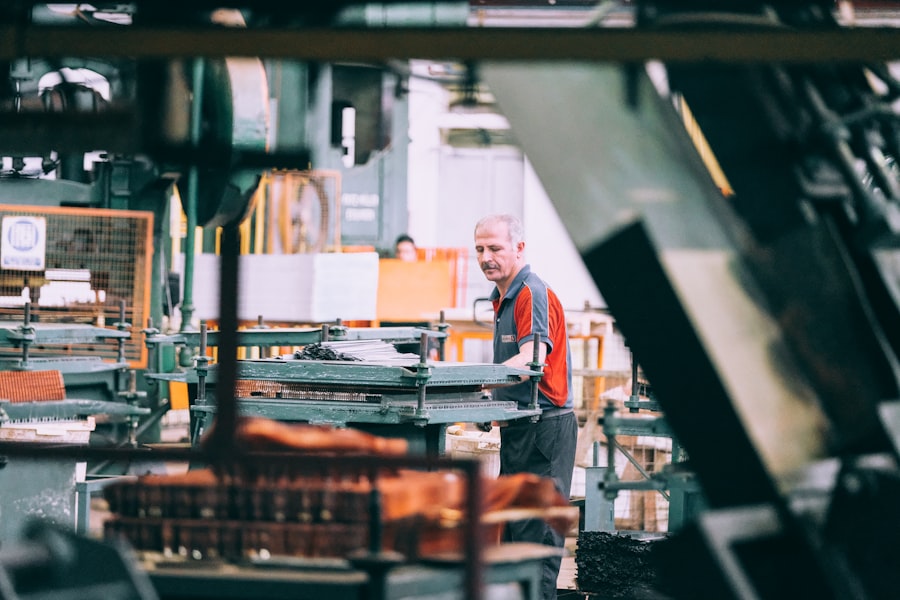
Innovation and technology are pivotal in revitalizing the manufacturing sector in the Great Lakes region. As industries evolve, manufacturers are increasingly adopting advanced technologies such as automation, artificial intelligence, and data analytics to enhance efficiency and productivity. These innovations not only streamline production processes but also enable companies to respond more effectively to market demands.
By embracing cutting-edge technologies, manufacturers can reduce costs, improve product quality, and increase their overall competitiveness. Furthermore, research and development play a crucial role in fostering innovation within the manufacturing sector. Collaboration between manufacturers, academic institutions, and research organizations can lead to groundbreaking advancements that drive industry growth.
Initiatives aimed at promoting innovation hubs and incubators within the Great Lakes region can facilitate knowledge sharing and resource pooling among stakeholders. By prioritizing innovation, manufacturers can position themselves at the forefront of their industries, ensuring long-term sustainability and success.
The Impact of Globalization on Manufacturing in the Great Lakes Region
| Metrics | 2010 | 2015 | 2020 |
|---|---|---|---|
| Manufacturing Jobs | 1,200,000 | 1,000,000 | 900,000 |
| Export Volume (in billions) | 150 | 180 | 200 |
| Foreign Direct Investment | 10,000,000 | 12,000,000 | 15,000,000 |
| Trade Agreements | 5 | 7 | 10 |
Globalization has profoundly influenced the manufacturing landscape in the Great Lakes region. While it has opened up new markets and opportunities for growth, it has also introduced significant challenges. Manufacturers are now competing not only with local firms but also with international players who may have lower labor costs or more favorable regulatory environments.
This heightened competition necessitates that manufacturers in the Great Lakes region continuously innovate and improve their operational efficiencies to remain viable. Moreover, globalization has led to increased supply chain complexities. Manufacturers must navigate a web of international suppliers and logistics providers, which can introduce vulnerabilities to disruptions caused by geopolitical tensions or global crises such as pandemics.
As a result, companies are re-evaluating their supply chain strategies to enhance resilience and reduce dependency on distant suppliers. By focusing on local sourcing and building robust supply chains within the Great Lakes region, manufacturers can mitigate risks associated with globalization while supporting local economies.
Strategies for Attracting and Retaining Manufacturing Talent
Attracting and retaining talent is crucial for the continued success of manufacturing in the Great Lakes region. To address the skills gap created by an aging workforce, manufacturers must implement targeted recruitment strategies that appeal to younger generations. This includes promoting the benefits of careers in manufacturing, such as competitive salaries, opportunities for advancement, and the chance to work with cutting-edge technologies.
Engaging with local schools and universities through internships and apprenticeship programs can also help cultivate interest in manufacturing careers among students. In addition to recruitment efforts, fostering a positive workplace culture is essential for retaining talent. Manufacturers should prioritize employee development through training programs that enhance skills and promote career growth.
Offering competitive benefits packages and flexible work arrangements can further enhance job satisfaction and loyalty among employees. By creating an environment that values innovation and collaboration, manufacturers can build a strong workforce that is committed to driving success in the Great Lakes region.
The Role of Government Policies in Supporting Manufacturing
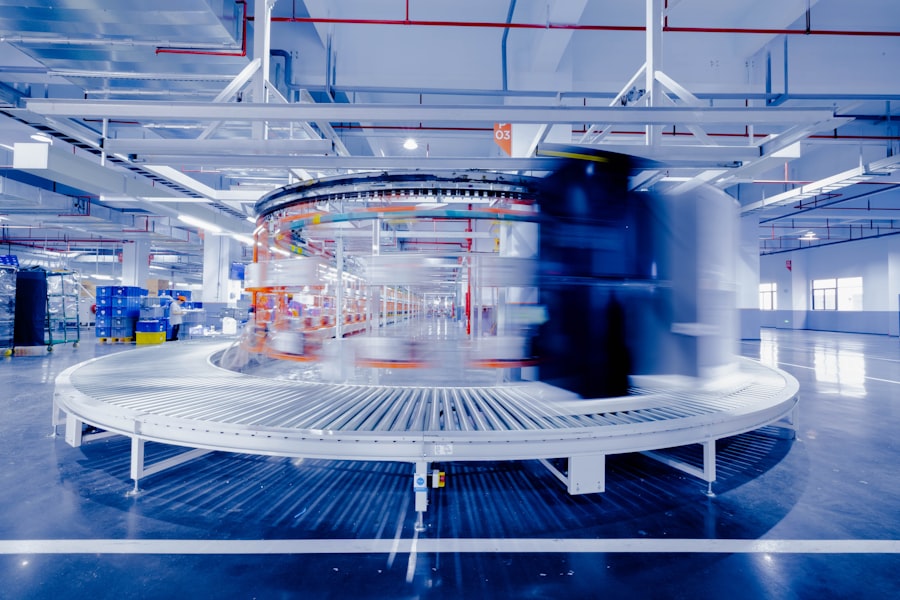
Government policies play a significant role in shaping the manufacturing landscape in the Great Lakes region.
Initiatives such as tax incentives for manufacturers investing in new technologies or workforce development programs can help stimulate economic activity and job creation.
Additionally, government support for research and development initiatives can drive innovation within the manufacturing sector. However, it is essential for policymakers to strike a balance between regulation and support. While regulations are necessary to ensure safety and environmental protection, overly burdensome regulations can stifle growth and innovation.
Engaging with industry stakeholders to understand their needs and challenges can help policymakers develop effective strategies that promote sustainable manufacturing practices while fostering economic growth. By creating a collaborative relationship between government and industry, the Great Lakes region can enhance its manufacturing capabilities and competitiveness.
Environmental Sustainability and Manufacturing in the Great Lakes Region
As environmental concerns continue to rise globally, manufacturers in the Great Lakes region are increasingly prioritizing sustainability in their operations. The region’s unique natural resources make it imperative for manufacturers to adopt environmentally friendly practices that minimize their ecological footprint. This includes implementing energy-efficient processes, reducing waste through recycling initiatives, and utilizing sustainable materials in production.
Moreover, consumers are becoming more conscious of sustainability issues, influencing their purchasing decisions. Manufacturers that prioritize environmental responsibility can differentiate themselves in the marketplace while appealing to eco-conscious consumers. By investing in sustainable practices, manufacturers not only contribute to environmental preservation but also enhance their brand reputation and long-term viability in an increasingly competitive landscape.
The Importance of Collaboration and Partnerships in Revitalizing Manufacturing
Collaboration among various stakeholders is essential for revitalizing manufacturing in the Great Lakes region. Manufacturers must engage with educational institutions, government agencies, and industry associations to foster an ecosystem that supports innovation and growth. Collaborative initiatives can lead to knowledge sharing, resource pooling, and joint problem-solving efforts that address common challenges faced by manufacturers.
Partnerships with local universities can facilitate research initiatives that drive technological advancements within the sector. Additionally, industry associations can provide valuable networking opportunities that connect manufacturers with potential partners or customers. By fostering a culture of collaboration, stakeholders can work together to create a more resilient manufacturing ecosystem that benefits all parties involved.
Addressing Supply Chain Disruptions in the Great Lakes Region
Supply chain disruptions have become increasingly prevalent in recent years due to various factors such as global crises, trade tensions, and natural disasters. For manufacturers in the Great Lakes region, addressing these disruptions is critical to maintaining operational continuity and meeting customer demands. Companies must adopt proactive strategies to enhance supply chain resilience by diversifying suppliers, investing in inventory management systems, and leveraging technology for real-time monitoring.
Additionally, building strong relationships with local suppliers can mitigate risks associated with global supply chains. By fostering collaboration within regional supply networks, manufacturers can create more agile operations that respond quickly to changes in demand or disruptions. Emphasizing local sourcing not only strengthens supply chains but also supports regional economies by keeping resources within the community.
The Future of Manufacturing in the Great Lakes Region
The future of manufacturing in the Great Lakes region holds great promise as companies adapt to emerging trends and challenges. With advancements in technology continuing to reshape industries, manufacturers must remain agile and open to change. Embracing automation, artificial intelligence, and data analytics will be crucial for enhancing productivity and efficiency while meeting evolving consumer demands.
Furthermore, sustainability will play an increasingly vital role in shaping the future of manufacturing. As environmental concerns grow more pressing, companies that prioritize sustainable practices will likely gain a competitive advantage in the marketplace. By investing in green technologies and adopting circular economy principles, manufacturers can position themselves as leaders in responsible production while contributing positively to their communities.
Success Stories and Best Practices in Revitalizing Manufacturing
Numerous success stories within the Great Lakes region exemplify best practices for revitalizing manufacturing. Companies that have embraced innovation through technology adoption have seen significant improvements in productivity and competitiveness.
Additionally, collaborative initiatives between manufacturers and educational institutions have yielded positive outcomes by creating tailored training programs that equip workers with relevant skills for modern manufacturing roles. These partnerships not only address workforce challenges but also foster a culture of continuous learning within organizations. By sharing these success stories and best practices across the industry, stakeholders can inspire others to adopt similar strategies that drive growth and sustainability within the manufacturing sector of the Great Lakes region.
Through collaboration, innovation, and a commitment to excellence, manufacturers can navigate challenges while positioning themselves for future success.
The future of manufacturing in the Great Lakes region is a topic of great importance, especially as industries adapt to new technologies and sustainable practices. For a deeper understanding of the trends and innovations shaping this sector, you can read the insightful article available at this link. This resource provides valuable information on how the Great Lakes region is positioning itself as a leader in modern manufacturing.
WATCH THIS! The Great Lakes Are Dying: The $6 Trillion Lie That’s Killing America’s Water
FAQs
What is the Great Lakes region?
The Great Lakes region is a group of five large freshwater lakes in North America, which includes Lakes Superior, Michigan, Huron, Erie, and Ontario. The region spans across the states of Illinois, Indiana, Michigan, Minnesota, New York, Ohio, Pennsylvania, and Wisconsin, as well as the Canadian province of Ontario.
What is the current state of manufacturing in the Great Lakes region?
The Great Lakes region has historically been a hub for manufacturing, particularly in industries such as automotive, steel, and machinery. However, the region has experienced a decline in manufacturing jobs in recent decades due to factors such as globalization, automation, and outsourcing.
What is the future of manufacturing in the Great Lakes region?
The future of manufacturing in the Great Lakes region is expected to be shaped by advancements in technology, such as automation, 3D printing, and the Internet of Things (IoT). There is also a growing focus on sustainability and green manufacturing practices in the region.
How is the Great Lakes region adapting to the changing manufacturing landscape?
The Great Lakes region is investing in workforce development and retraining programs to prepare workers for the jobs of the future. There is also a push towards diversifying the region’s manufacturing base to include emerging industries such as advanced materials, biotechnology, and renewable energy.
What are the potential challenges facing the future of manufacturing in the Great Lakes region?
Challenges facing the future of manufacturing in the Great Lakes region include competition from overseas markets, the need for infrastructure modernization, and addressing environmental concerns related to manufacturing processes. Additionally, there is a need to bridge the skills gap and attract talent to the manufacturing sector.