America’s water infrastructure, a critical component of public health and safety, is in dire need of an overhaul. Many of the systems that deliver clean water and manage wastewater were constructed decades ago, often with materials and technologies that are now outdated. As the population continues to grow and climate change exacerbates weather patterns, the demand for reliable and efficient water systems has never been more pressing.
The American Society of Civil Engineers (ASCE) has consistently highlighted the urgent need for investment in water infrastructure, estimating that trillions of dollars are required to bring these systems up to modern standards. This situation calls for a comprehensive strategy to revamp the nation’s water infrastructure, ensuring it can meet current and future demands. Moreover, the urgency of this revamping is underscored by the increasing frequency of extreme weather events, such as floods and droughts, which place additional stress on aging systems.
Many municipalities are grappling with the dual challenge of maintaining existing infrastructure while also expanding capacity to accommodate growing populations. The need for modernization is not just about replacing old pipes; it encompasses the integration of smart technologies that can enhance efficiency, reduce waste, and improve overall service delivery. As communities face these mounting pressures, the call for a systematic approach to revamping water infrastructure becomes increasingly critical.
Key Takeaways
- Aging water infrastructure poses significant public health and economic challenges in the U.S.
- Modern technology and innovations are key to improving water system efficiency and resilience.
- Government involvement and public-private partnerships are crucial for funding and managing infrastructure projects.
- Sustainable and community-engaged approaches enhance the long-term success of water infrastructure revitalization.
- Successful case studies demonstrate effective strategies and offer models for future infrastructure improvements.
The Challenges of Aging Water Infrastructure
The challenges posed by aging water infrastructure are multifaceted and complex. One of the most significant issues is the deterioration of physical assets, such as pipes and treatment facilities, which can lead to leaks, contamination, and service disruptions. Many of these systems were designed to last for a limited time, and as they exceed their intended lifespan, the risk of failure increases dramatically.
For instance, lead pipes, which were once common in many urban areas, pose serious health risks due to lead leaching into drinking water. The presence of such hazardous materials in aging infrastructure highlights the urgent need for replacement and modernization. In addition to physical deterioration, financial constraints present another formidable challenge.
Many local governments struggle with budget limitations that hinder their ability to invest in necessary upgrades. Compounding this issue is the lack of public awareness regarding the importance of water infrastructure. Many citizens take for granted the availability of clean water and may not fully understand the implications of neglecting these systems.
This disconnect can lead to insufficient political will to allocate funds for necessary improvements. As a result, aging infrastructure continues to be a pressing issue that requires immediate attention and action from both policymakers and the public.
The Impact of Aging Water Infrastructure on Public Health
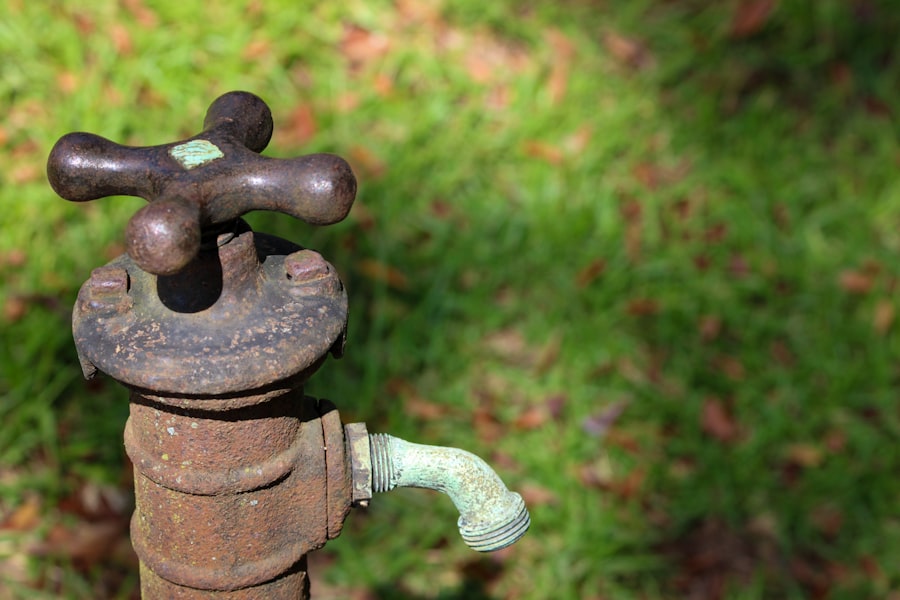
The implications of aging water infrastructure extend far beyond mere inconvenience; they pose significant risks to public health. Contaminated drinking water can lead to a host of health issues, including gastrointestinal illnesses, reproductive problems, and neurological disorders. The Flint water crisis serves as a stark reminder of how quickly public health can be compromised when infrastructure fails.
Inadequate treatment facilities and aging pipes can introduce harmful pathogens and chemicals into the water supply, endangering vulnerable populations such as children and the elderly. Furthermore, the psychological impact on communities cannot be overlooked. When residents lose trust in their water supply due to contamination fears or service interruptions, it can lead to increased anxiety and stress.
This erosion of trust can have long-lasting effects on community cohesion and overall well-being. Addressing these public health concerns requires not only investment in physical infrastructure but also a commitment to transparency and communication with the public about water quality and safety measures.
The Economic Costs of Neglecting Aging Water Infrastructure
| Metric | Value | Unit | Description |
|---|---|---|---|
| Annual Water Main Breaks | 240,000 | breaks/year | Estimated number of water main breaks in the US annually |
| Annual Economic Loss | 50 | billion | Estimated annual economic cost due to aging water infrastructure failures |
| Average Repair Cost per Break | 5,000 | currency units | Average cost to repair a single water main break |
| Water Loss Due to Leaks | 6 | billion gallons/day | Estimated daily water lost from leaks in aging infrastructure |
| Infrastructure Replacement Need | 1.2 | trillion | Estimated investment needed over 20 years to replace aging water infrastructure |
| Job Losses from Infrastructure Failures | 100,000 | jobs/year | Estimated number of jobs lost annually due to water infrastructure failures |
Neglecting aging water infrastructure carries significant economic consequences that ripple through communities and beyond. The costs associated with emergency repairs, service disruptions, and health-related issues can quickly escalate. For instance, when a pipe bursts or a treatment facility fails, municipalities often face exorbitant repair costs that strain already tight budgets.
These unexpected expenses can divert funds from other essential services such as education or public safety, creating a cycle of neglect that further exacerbates infrastructure problems. Moreover, the economic impact extends to businesses that rely on a stable water supply for their operations. Manufacturing plants, restaurants, and agricultural enterprises all depend on reliable access to clean water.
When infrastructure fails, businesses may experience production delays or even temporary closures, leading to lost revenue and job losses. The long-term economic viability of communities hinges on their ability to invest in and maintain robust water infrastructure systems that can support growth and development.
Innovations in Water Infrastructure Technology
In response to the challenges posed by aging water infrastructure, innovative technologies are emerging as potential solutions. Smart water management systems utilize sensors and data analytics to monitor water quality and detect leaks in real-time. These advancements allow municipalities to respond more quickly to issues before they escalate into larger problems.
Additionally, advancements in materials science have led to the development of more durable pipes that can withstand environmental stresses better than traditional materials. Furthermore, green infrastructure practices are gaining traction as sustainable alternatives to conventional methods. Techniques such as rain gardens, permeable pavements, and green roofs help manage stormwater runoff while enhancing urban landscapes.
These innovations not only improve water quality but also contribute to climate resilience by reducing flooding risks and promoting biodiversity. As cities look toward the future, embracing these technological advancements will be crucial in creating a more efficient and sustainable water infrastructure.
The Role of Government in Revamping Water Infrastructure

Government plays a pivotal role in revamping America’s aging water infrastructure through policy formulation, funding allocation, and regulatory oversight. Federal initiatives such as the Water Infrastructure Finance and Innovation Act (WIFIA) provide low-interest loans for large-scale projects aimed at improving water systems across the country. Additionally, state governments often implement their own programs to support local municipalities in addressing infrastructure needs.
However, effective government action requires collaboration among various stakeholders, including local agencies, community organizations, and private sector partners. Policymakers must prioritize long-term planning that considers not only immediate needs but also future challenges posed by population growth and climate change. By fostering an environment conducive to innovation and investment in water infrastructure, government entities can help ensure that communities have access to safe and reliable water for generations to come.
Public-Private Partnerships in Water Infrastructure Revitalization
Public-private partnerships (PPPs) have emerged as a viable strategy for revitalizing aging water infrastructure while leveraging resources from both sectors. These collaborations allow governments to tap into private sector expertise and funding while maintaining public oversight and accountability. By sharing risks and responsibilities, PPPs can facilitate more efficient project delivery and innovation in service provision.
Successful examples of PPPs in water infrastructure include projects that focus on upgrading treatment facilities or expanding distribution networks. These partnerships often result in improved operational efficiency and reduced costs for municipalities while ensuring that residents receive high-quality services.
The Importance of Sustainable and Resilient Water Infrastructure
Sustainability and resilience are critical considerations in the future design and operation of water infrastructure systems. As climate change continues to impact weather patterns and increase the frequency of extreme events, it is essential for communities to build systems that can withstand these challenges. Sustainable practices not only address immediate needs but also promote long-term environmental stewardship by minimizing resource consumption and reducing pollution.
Resilient water infrastructure incorporates adaptive strategies that allow systems to respond effectively to changing conditions. This may involve integrating green infrastructure solutions alongside traditional methods or investing in technologies that enhance system flexibility. By prioritizing sustainability and resilience in planning efforts, communities can create water systems that are better equipped to handle future uncertainties while safeguarding public health and environmental integrity.
Community Engagement in Water Infrastructure Revitalization
Community engagement is a vital component of successful water infrastructure revitalization efforts. Involving residents in decision-making processes fosters a sense of ownership and accountability while ensuring that projects align with community needs and values. Public forums, workshops, and surveys provide opportunities for residents to voice their concerns and contribute ideas for improvement.
Moreover, effective communication about ongoing projects helps build trust between local governments and residents. Transparency regarding funding sources, project timelines, and expected outcomes can alleviate fears surrounding potential disruptions or changes in service delivery. By actively engaging communities in revitalization efforts, municipalities can cultivate stronger relationships with residents while enhancing the overall effectiveness of their initiatives.
Case Studies of Successful Water Infrastructure Revamping Projects
Examining successful case studies provides valuable insights into effective strategies for revamping water infrastructure. One notable example is the city of San Diego’s Pure Water program, which aims to provide one-third of the city’s drinking water supply through advanced purification processes. This innovative approach not only addresses water scarcity concerns but also promotes sustainability by recycling wastewater.
Another example is the city of Philadelphia’s Green City, Clean Waters initiative, which focuses on integrating green infrastructure solutions throughout the urban landscape. By utilizing rain gardens, green roofs, and permeable pavements, Philadelphia has significantly reduced stormwater runoff while enhancing community aesthetics. These case studies demonstrate how targeted investments in innovative solutions can yield positive outcomes for both residents and the environment.
The Future of America’s Water Infrastructure
The future of America’s water infrastructure hinges on a collective commitment to modernization, sustainability, and resilience. As communities face increasing pressures from population growth and climate change, proactive measures must be taken to ensure reliable access to clean water for all residents. Embracing innovative technologies, fostering public-private partnerships, and engaging communities will be essential components of this transformation.
Ultimately, revamping America’s aging water infrastructure is not merely an investment in physical assets; it is an investment in public health, economic stability, and environmental sustainability. By prioritizing these efforts today, communities can build a foundation for a more secure and prosperous future where access to safe drinking water is guaranteed for generations to come.
To address the pressing issue of America’s aging water pipes, it’s essential to explore innovative solutions and strategies. A related article that delves into this topic can be found at this link, which discusses various methods for upgrading and maintaining our water infrastructure. By implementing these strategies, we can ensure a more reliable and efficient water supply for future generations.
WATCH THIS! The $100 Billion Lie: America’s Water System Is About to Poison Every Major City
FAQs
Why are America’s water pipes aging?
America’s water pipes are aging due to decades of use, corrosion, material degradation, and insufficient maintenance. Many pipes were installed over 50 to 100 years ago and have reached or exceeded their expected lifespan.
What problems do aging water pipes cause?
Aging water pipes can lead to leaks, water main breaks, reduced water quality, contamination risks, and service disruptions. These issues can increase repair costs and pose health hazards.
How can aging water pipes be fixed or replaced?
Fixing aging water pipes involves methods such as pipe replacement, pipe lining (trenchless technology), regular maintenance, and upgrading infrastructure with modern materials like PVC or ductile iron.
What technologies are used to repair water pipes without digging?
Trenchless technologies like cured-in-place pipe (CIPP) lining and pipe bursting allow repair or replacement of pipes with minimal excavation, reducing disruption and cost.
Who is responsible for maintaining and fixing water pipes?
Local water utilities and municipalities are typically responsible for maintaining and repairing public water pipes. Property owners are usually responsible for service lines on their property.
How much does it cost to replace aging water pipes?
Costs vary widely depending on pipe length, material, location, and repair method. Replacing water mains can cost from hundreds to thousands of dollars per linear foot.
What funding sources are available for water pipe infrastructure upgrades?
Funding can come from federal and state grants, loans, municipal bonds, and utility rate increases. Programs like the EPA’s Drinking Water State Revolving Fund provide financial assistance.
How long does it take to replace or repair water pipes?
The timeline depends on project scope and method. Small repairs may take days, while large-scale replacements can take months or years.
Can aging water pipes affect water quality?
Yes, corroded or damaged pipes can introduce contaminants such as lead, rust, and bacteria into the water supply, impacting safety and taste.
What materials are used in modern water pipe replacements?
Modern replacements often use materials like PVC, HDPE, ductile iron, and copper, which offer improved durability and corrosion resistance compared to older materials like cast iron or lead.