
The article presented here explores the multifaceted challenges and potential solutions within Africa’s power sector, focusing on the role of structural adjustments. The author aims to provide an objective and informative overview, drawing parallels to historical economic reforms and their impact, without succumbing to hyperbole or uncritical praise.
The African continent stands at a critical juncture in its development, with the power sector serving as a foundational pillar for economic growth, industrialization, and improved living standards. Yet, for decades, many African nations have grappled with persistent challenges in this vital area. Inefficient state-owned utilities, inadequate investment, aging infrastructure, and a lack of regulatory frameworks have collectively stifled progress, leaving millions without access to reliable electricity. The concept of structural adjustment, a set of economic reforms often implemented with the support of international financial institutions, has been proposed and, in some instances, enacted to address these deep-seated issues. This article delves into how revamping Africa’s power sector through structural adjustments can be approached, examining the rationale, the mechanisms of reform, the potential benefits, and the inherent complexities involved.
Structural adjustment programs, historically, have been designed to tackle macroeconomic imbalances and inefficiencies within national economies. The infusion of these principles into the power sector signifies a recognition that electricity generation and distribution are not isolated technical problems but are intertwined with broader economic policies and institutional governance.
The Legacy of State Control and its Limitations
For much of the post-colonial era, electricity utilities in Africa were predominantly state-owned enterprises. While intended to ensure universal access and act as engines of national development, these entities often became burdened by political interference, bureaucratic inefficiencies, and a lack of competition. The absence of a profit motive, coupled with subsidized tariffs, led to underinvestment in maintenance and expansion, creating a cycle of declining service quality and mounting operational deficits. The often cavernous operational losses of these state-owned utilities became a significant drain on national budgets, diverting resources that could have been allocated to other critical development areas. It is akin to a leaky bucket, where precious resources are continuously seeping away due to fundamental design flaws.
The Shift Towards Market-Oriented Reforms
The global trend towards liberalization and privatization in the late 20th century began to influence thinking about Africa’s power sector. Structural adjustment in this context moved beyond mere fiscal austerity to encompass a broader reorientation of how power is generated, transmitted, and distributed. The aim was to introduce market principles, incentivize efficiency, and attract private capital to bridge significant investment gaps. This shift was predicated on the belief that market forces, coupled with appropriate regulatory oversight, could foster innovation, reduce costs, and ultimately lead to more reliable and affordable electricity services for consumers.
The impact of structural adjustment programs on the power sector in Africa has been a topic of extensive research and discussion. For a deeper understanding of how these policies have shaped energy infrastructure and access across the continent, you can refer to a related article that explores the complexities and consequences of such adjustments. To read more, visit this article.
Realigning the Grid: Key Pillars of Structural Adjustment in the Power Sector
Revamping a complex and critical sector like power necessitates a multi-pronged approach, with structural adjustments acting as the architects of change. These adjustments are not a single policy but a suite of interconnected reforms designed to reshape the operational landscape.
The De-monopolization and Liberalization Imperative
A central tenet of structural adjustment in the power sector involves breaking up hitherto vertically integrated state monopolies. This process aims to unbundle the value chain – generation, transmission, and distribution – and introduce competition where feasible. Each segment is examined for its potential to host private sector participants.
Unbundling Generation: Fostering Diverse Ownership
The generation segment, where electricity is produced, is often the most amenable to liberalization. By allowing multiple independent power producers (IPPs) to enter the market, a diverse range of energy sources can be tapped, from traditional fossil fuels to renewables like solar and wind. This competition can drive down the cost of electricity generation and enhance system reliability. The introduction of IPPs acts like bringing in a variety of skilled craftsmen to build a complex edifice, each specializing in a different facet of construction, thereby improving overall quality and efficiency.
The Role of Transmission as a Public Good: Regulating the Backbone
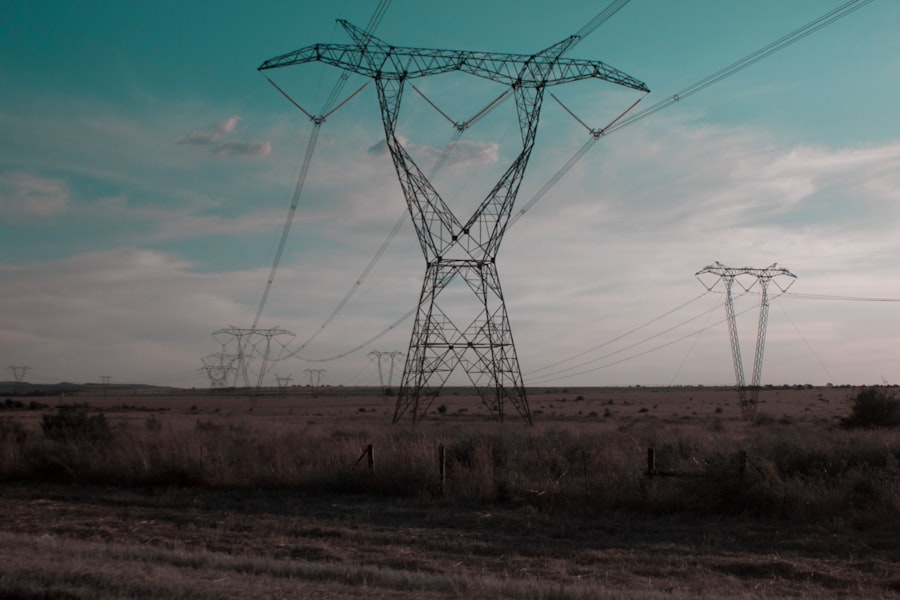
The transmission network, the high-voltage arteries that carry electricity across the country, is typically treated as a natural monopoly. Structural adjustments here focus on creating an independent and transparent transmission system operator (TSO). The TSO’s primary role is to manage the grid, ensure its stability, and provide non-discriminatory access to all generators and distributors, regardless of their ownership. This ensures that the backbone of the system remains accessible to all, preventing any single entity from gaining undue market power.
Reimagining Distribution: Towards Efficiency and Affordability
The distribution segment, the network of lower-voltage lines that deliver electricity to end-users, presents a more complex challenge. Structural adjustments might involve corporatizing existing state-owned distribution companies, improving their operational efficiency, reducing technical and commercial losses (such as electricity theft and metering errors), and potentially introducing private sector participation through concessions or management contracts. The goal is to make these entities more responsive to consumer needs and financially viable.
The Indispensable Role of Regulatory Frameworks
Effective structural adjustment in the power sector cannot proceed without a robust and independent regulatory framework. This framework acts as the umpire, ensuring fair play and protecting the interests of all stakeholders.
Establishing Independent Regulatory Authorities
The creation of independent energy regulatory authorities (ERAs) is crucial. These bodies are tasked with setting tariffs, licensing power producers and distributors, resolving disputes, and enforcing standards. Their independence from political interference is paramount to fostering investor confidence and ensuring that decisions are based on economic principles and technical considerations rather than short-term political expediency. Without a strong ERA, market liberalization can quickly devolve into a free-for-all, or worse, replace one form of inefficiency with another.
Tariff Reform: Balancing Affordability and Sustainability
A key challenge in tariff reform is striking a balance between ensuring that electricity remains affordable for consumers, particularly low-income households, and establishing tariffs that reflect the true cost of generation, transmission, and distribution. Structural adjustments often involve a gradual move towards cost-reflective tariffs, accompanied by targeted social safety nets to protect vulnerable populations. This is a delicate tightrope walk, ensuring that the lights stay on for everyone without bankrupting the system.
Attracting Private Capital: The Engine of Growth
A significant driver of structural adjustment in Africa’s power sector is the need to attract substantial private investment. Public funds alone are insufficient to meet the continent’s massive energy infrastructure needs.
Creating an Enabling Investment Climate
Structural adjustments aim to create an investment climate that is predictable, transparent, and offers reasonable returns. This includes clear legal and contractual frameworks, protection of property rights, and streamlined bureaucratic processes for project development and financing. Investors need to see a clear path to profitability and a reduced risk profile.
The Mechanics of Private Sector Engagement: IPPs, Concessions, and PPPs
Various models of private sector engagement can be employed. Independent Power Producers (IPPs) sell electricity to the national utility or directly to large consumers. Concessions can involve private entities operating and managing existing distribution networks. Public-Private Partnerships (PPPs) can be structured for new infrastructure development, leveraging the strengths of both public and private sectors.
Navigating the Labyrinth: Benefits and Potential Upsides
The successful implementation of structural adjustments in Africa’s power sector can unlock a cascade of positive developmental outcomes, transforming the economic and social landscape of participating nations.
Enhancing Electricity Access and Reliability
One of the most tangible benefits of structural adjustment is the potential for increased access to electricity. By attracting private investment in generation and distribution, and by improving the operational efficiency of utilities, blackouts can be reduced, and the number of households connected to the grid can grow. This is not merely about convenience; it is about enabling businesses to operate around the clock, facilitating education through lighting, and improving healthcare delivery.
Driving Economic Growth and Industrialization
A reliable and affordable power supply is a prerequisite for industrial development. Businesses are more likely to invest and expand when they can depend on a consistent energy source. This can lead to job creation, increased productivity, and a broader tax base, fueling overall economic growth. Imagine an industrial heart that cannot beat without a steady flow of lifeblood; electricity is that lifeblood for a modern economy.
Promoting Diversification of Energy Sources
Structural adjustments, particularly the liberalization of generation, can encourage the adoption of diverse energy sources. This includes harnessing Africa’s vast renewable energy potential, such as solar, wind, geothermal, and hydropower. Diversification enhances energy security, reduces reliance on volatile fossil fuel markets, and contributes to climate change mitigation efforts.
Improving Fiscal Health of Governments
By making utilities more financially self-sufficient and by attracting private investment, structural adjustments can alleviate the burden of subsidies and bailouts on government coffers. This frees up public resources for other critical development priorities like education, healthcare, and infrastructure development in sectors beyond power.
The Treacherous Terrain: Challenges and Criticisms of Structural Adjustment
While the potential benefits of structural adjustment in the power sector are significant, the path to implementation is fraught with challenges and has drawn considerable criticism. The complexities of reforming entrenched systems cannot be underestimated, and the unintended consequences can be substantial.
The Risk of Social Disruption and Increased Inequality
A primary concern is the potential for social disruption. Tariff reforms, even if gradual, can disproportionately impact low-income households, leading to affordability crises and social unrest. The privatization of utilities might also lead to job losses in state-owned enterprises, requiring careful management of transitions and social safety nets. The “acid test” of any reform lies in its impact on the most vulnerable members of society.
The Importance of Strong Governance and Reduced Corruption
The success of structural adjustments hinges on strong governance and a commitment to combating corruption. Without robust oversight and transparent processes, liberalization can create new avenues for rent-seeking and illicit enrichment. The regulatory framework must be designed to prevent regulatory capture, where regulators become beholden to the very entities they are supposed to oversee. A compromised regulator is like a judge who has been bribed; fairness and justice are impossible.
The Inadequacy of Capital Investment and Capacity Building
Despite the goal of attracting private capital, there are often limitations. Sub-Saharan Africa, for instance, can be perceived as a high-risk investment destination, especially for large-scale infrastructure projects. Furthermore, even with investment, a shortage of skilled local technical and managerial capacity within both the public and private sectors can hinder effective implementation and operation. Building capacity is not a purely financial transaction; it requires sustained effort in education and training.
The Potential for Exacerbating Regional Disparities
The benefits of structural adjustment might not be evenly distributed across all regions within a country or across the continent. Wealthier, more urbanized areas might attract more investment, potentially leaving rural and remote regions further behind in terms of electricity access. This can create and deepen existing regional economic disparities.
The impact of structural adjustment programs on the power sector in Africa has been a topic of considerable debate, particularly regarding their effectiveness in promoting sustainable development. A related article that delves into this issue is available at My Geo Quest, where it explores the challenges and opportunities faced by African nations in reforming their energy sectors. This resource provides valuable insights into how these adjustments can influence economic growth and energy access across the continent.
Charting the Path Forward: Towards Sustainable Power Sector Reform
| Country | Year of Structural Adjustment Program (SAP) | Pre-SAP Power Generation Capacity (MW) | Post-SAP Power Generation Capacity (MW) | Electrification Rate Before SAP (%) | Electrification Rate After SAP (%) | Private Sector Participation in Power (%) | Power Sector Investment Change (%) |
|---|---|---|---|---|---|---|---|
| Kenya | 1980 | 300 | 600 | 5 | 15 | 25 | 40 |
| Ghana | 1983 | 400 | 750 | 10 | 25 | 30 | 35 |
| Nigeria | 1986 | 3000 | 3500 | 20 | 30 | 15 | 10 |
| Tanzania | 1982 | 150 | 300 | 3 | 10 | 20 | 25 |
| Uganda | 1987 | 100 | 250 | 4 | 12 | 22 | 30 |
Revamping Africa’s power sector through structural adjustment is not a universally applicable panacea. It is a complex undertaking that requires careful design, adaptation to local contexts, and a steadfast commitment to good governance. The success of these reforms hinges on a delicate balancing act, ensuring that economic efficiency does not come at the expense of social equity and environmental sustainability.
Tailoring Reforms to National Realities
One size does not fit all. Structural adjustment programs must be carefully tailored to the specific economic, political, and social realities of each African nation. What works in one country might not be suitable for another. A deep understanding of local power dynamics, institutional capacities, and socio-economic conditions is essential.
The Crucial Role of Political Will and Stakeholder Engagement
Sustained political will from national governments is indispensable for driving and sustaining structural reforms. This includes a commitment to transparency, accountability, and the rule of law. Furthermore, effective stakeholder engagement – involving consumers, civil society organizations, labor unions, and the private sector – is vital for building consensus and ensuring that reforms are perceived as legitimate and beneficial.
Prioritizing Investments in Infrastructure and Technology
Beyond policy reforms, directed investments in modernizing and expanding electricity infrastructure are critical. This includes upgrading transmission and distribution networks, deploying smart grid technologies, and investing in generation capacity, particularly in renewable energy. The integration of new technologies can significantly improve efficiency and reliability.
Strengthening Human Capital and Institutional Capacity
Investing in human capital development and strengthening institutional capacity within utilities, regulatory bodies, and government ministries is paramount. This ensures that the sector has the expertise to manage complex operations, enforce regulations effectively, and adapt to evolving technological landscapes.
In conclusion, revamping Africa’s power sector through structural adjustment presents a promising, albeit challenging, pathway towards unlocking economic potential and improving living standards. It is a journey that requires meticulous planning, unwavering commitment to good governance, and a keen understanding that economic progress must be inextricably linked with social well-being and environmental stewardship. The continent has the potential to harness its abundant resources, and a well-executed structural adjustment in its power sector can serve as a pivotal catalyst in realizing that potential.
FAQs
What is structural adjustment in the context of Africa’s power sector?
Structural adjustment refers to economic policies implemented by African governments, often under guidance from international financial institutions, aimed at reforming and liberalizing the power sector to improve efficiency, increase private sector participation, and ensure sustainable energy supply.
Why were structural adjustment programs introduced in Africa’s power sector?
They were introduced to address inefficiencies, financial losses, and underinvestment in state-owned power utilities by promoting market-oriented reforms, reducing government subsidies, and encouraging private investment to enhance electricity generation and distribution.
What are some common reforms included in structural adjustment programs for the power sector?
Common reforms include unbundling vertically integrated utilities, establishing independent regulatory bodies, introducing cost-reflective tariffs, promoting private sector participation through concessions or privatization, and improving governance and transparency.
How have structural adjustment programs impacted electricity access in Africa?
The impact has been mixed; while some countries have seen improvements in efficiency and increased private investment, challenges such as affordability, infrastructure gaps, and limited rural electrification persist, affecting overall electricity access.
What criticisms exist regarding structural adjustment in Africa’s power sector?
Critics argue that structural adjustment programs sometimes led to reduced government control over essential services, increased tariffs that burden low-income consumers, and insufficient attention to social equity and rural electrification, potentially exacerbating inequalities.