
River ecosystems are vital components of the Earth’s biosphere, serving as lifelines for both human and wildlife populations. They provide essential resources such as fresh water, food, and habitat for countless species. Rivers are not merely channels of flowing water; they are dynamic systems that support a diverse array of flora and fauna.
The intricate web of life within these ecosystems contributes to the overall health of the planet, influencing climate regulation, nutrient cycling, and sediment transport. The biodiversity found in river ecosystems is crucial for maintaining ecological balance, as each species plays a unique role in sustaining the environment. Moreover, rivers hold significant cultural and economic value for communities around the world.
They have historically been sources of inspiration, recreation, and spiritual significance. Many indigenous cultures regard rivers as sacred entities, integral to their identity and way of life. Economically, rivers support industries such as fishing, tourism, and agriculture, providing livelihoods for millions.
The health of river ecosystems directly correlates with the well-being of human populations, making their preservation and restoration imperative for sustainable development.
Key Takeaways
- River ecosystems are vital for biodiversity, water quality, and human well-being.
- Pollution and human activities pose significant threats to the health of river ecosystems.
- Restoration efforts improve ecosystem services, enhance wildlife habitats, and support local communities.
- Community involvement and government policies are crucial for successful river restoration projects.
- Advances in technology and individual actions play important roles in the future of river ecosystem restoration.
The Threats to River Ecosystems
Despite their importance, river ecosystems face numerous threats that jeopardize their integrity and functionality. One of the most pressing issues is pollution, which can stem from agricultural runoff, industrial discharges, and urban waste. Contaminants such as heavy metals, pesticides, and plastics can severely impact water quality, leading to detrimental effects on aquatic life and human health.
As rivers become polluted, the delicate balance of their ecosystems is disrupted, resulting in the decline of fish populations and the loss of biodiversity. In addition to pollution, habitat destruction poses a significant threat to river ecosystems. Urbanization and infrastructure development often lead to the alteration of riverbanks and floodplains, disrupting natural processes and diminishing habitats for wildlife.
Dams and water diversion projects can also impede the natural flow of rivers, affecting migratory patterns of fish and other aquatic organisms. Climate change further exacerbates these challenges by altering precipitation patterns and increasing the frequency of extreme weather events, leading to flooding or droughts that can devastate river ecosystems.
The Benefits of Restoring River Ecosystems
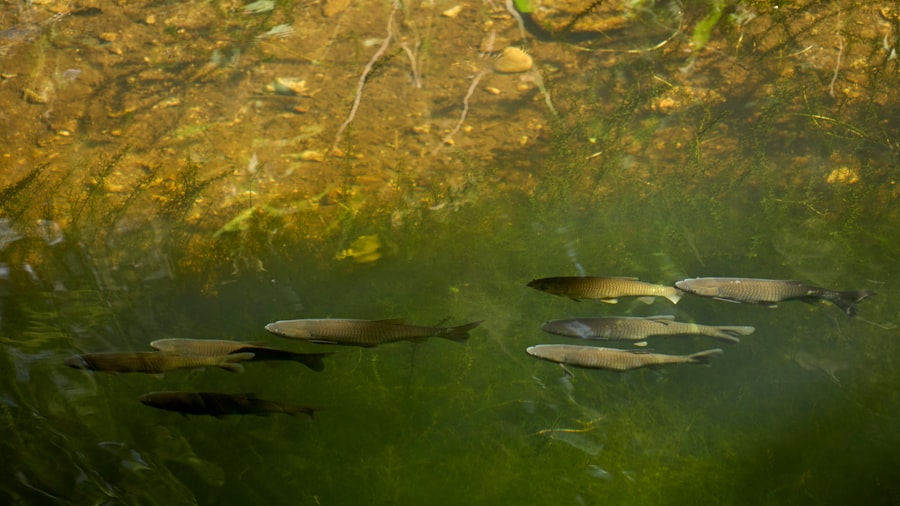
Restoring river ecosystems offers a multitude of benefits that extend beyond environmental health. Ecologically, restoration efforts can enhance biodiversity by reestablishing habitats for various species. Healthy river systems support a rich tapestry of life, which in turn contributes to ecosystem resilience.
By improving water quality and restoring natural flow patterns, restoration projects can revitalize fish populations and other aquatic organisms, fostering a more balanced ecosystem. Economically, the restoration of river ecosystems can yield significant returns on investment. Healthy rivers can boost local economies through increased tourism opportunities, recreational activities such as fishing and kayaking, and improved property values along waterfronts.
Furthermore, restored ecosystems can provide essential services such as flood mitigation and water purification, reducing costs associated with disaster response and water treatment. The long-term benefits of investing in river restoration far outweigh the initial costs, making it a wise choice for communities seeking sustainable growth.
Strategies for Restoring River Ecosystems
| Strategy | Description | Key Metrics | Expected Outcome | Implementation Timeframe |
|---|---|---|---|---|
| Riparian Buffer Restoration | Replanting native vegetation along riverbanks to reduce erosion and filter pollutants. | Buffer width (meters), Vegetation density, Pollutant reduction (%) | Improved water quality, stabilized banks, enhanced habitat | 1-3 years |
| Dam Removal or Modification | Removing or altering dams to restore natural flow and fish migration. | Number of dams removed, Flow rate restoration (%), Fish passage success rate (%) | Reestablished fish populations, improved sediment transport | 2-5 years |
| In-stream Habitat Enhancement | Adding structures like logs and boulders to create pools and riffles. | Number of structures added, Habitat complexity index, Fish diversity increase (%) | Increased biodiversity, improved spawning grounds | 6 months – 2 years |
| Water Quality Improvement | Reducing point and non-point source pollution through treatment and management. | Nutrient concentration reduction (%), Sediment load reduction (%), Biological Oxygen Demand (BOD) levels | Cleaner water, healthier aquatic life | 1-4 years |
| Flow Regime Restoration | Managing water releases to mimic natural flow variability. | Flow variability index, Seasonal flow patterns restored (%), Aquatic species response | Enhanced ecosystem resilience, improved habitat conditions | 1-3 years |
Effective strategies for restoring river ecosystems often involve a combination of scientific research, community involvement, and policy advocacy. One common approach is the reestablishment of natural flow regimes through dam removal or modification. By allowing rivers to flow more freely, these efforts can restore sediment transport processes and improve habitat conditions for aquatic species.
Additionally, riparian buffer zones can be created or enhanced to filter pollutants before they enter the waterway, promoting cleaner water and healthier ecosystems. Another critical strategy is the reintroduction of native species that have been lost due to habitat degradation or pollution. This can help restore ecological balance and improve biodiversity within river systems.
Engaging local communities in restoration efforts is also essential; public participation fosters a sense of stewardship and ensures that restoration projects align with the needs and values of those who live near the rivers. Collaborative efforts between scientists, policymakers, and community members can lead to more effective and sustainable restoration outcomes.
Case Studies of Successful River Ecosystem Restoration Projects
Numerous successful river ecosystem restoration projects around the world serve as inspiring examples of what can be achieved through concerted efforts. One notable case is the removal of the Elwha Dam in Washington State, which began in 2011. This ambitious project aimed to restore the Elwha River’s natural flow and revive salmon populations that had been blocked from their spawning grounds for nearly a century.
The removal of the dam has led to significant ecological improvements, including increased sediment transport and the return of native fish species. Another successful initiative is the restoration of the Kissimmee River in Florida.
This project has resulted in enhanced water quality, improved habitats for wildlife, and increased recreational opportunities for local communities.
The Role of Community Engagement in Restoring River Ecosystems
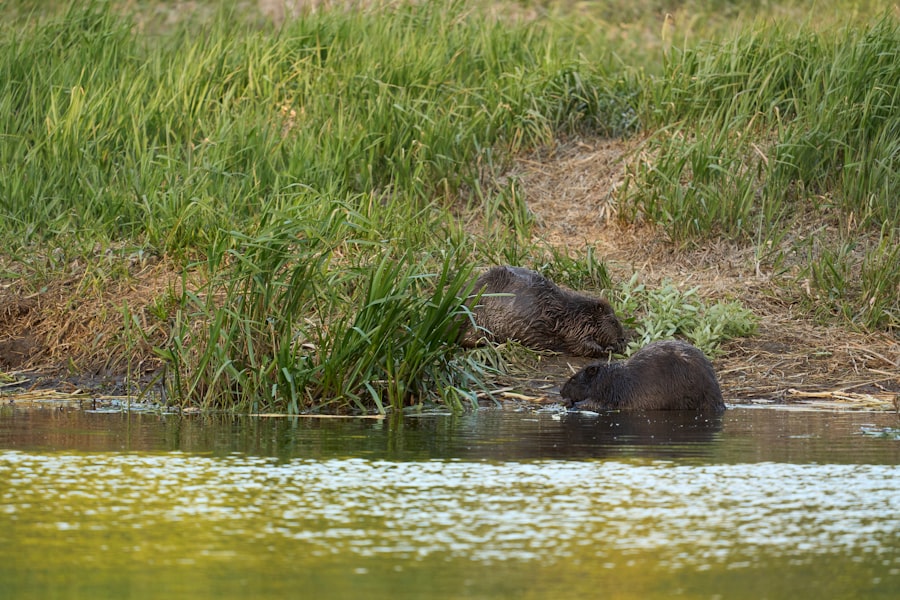
Community engagement plays a pivotal role in the success of river ecosystem restoration projects. Local residents often possess invaluable knowledge about their rivers and surrounding environments, making their involvement crucial for identifying issues and developing effective solutions. Engaging communities fosters a sense of ownership over local resources, encouraging individuals to take an active role in conservation efforts.
Educational programs that raise awareness about the importance of river ecosystems can also inspire community action. Workshops, volunteer opportunities, and citizen science initiatives empower individuals to contribute to restoration efforts while fostering a deeper connection to their natural surroundings. By building strong partnerships between local organizations, government agencies, and community members, restoration projects can be more inclusive and effective in addressing the unique challenges faced by each river ecosystem.
The Impact of Pollution on River Ecosystems
Pollution remains one of the most significant threats to river ecosystems worldwide. Contaminants from agricultural runoff—such as fertilizers and pesticides—can lead to nutrient overloads in rivers, resulting in harmful algal blooms that deplete oxygen levels and create dead zones where aquatic life cannot survive. Industrial discharges introduce heavy metals and toxic chemicals into waterways, posing serious risks to both wildlife and human health.
The impact of pollution extends beyond immediate ecological consequences; it also affects local economies reliant on clean water resources. Communities that depend on fishing or tourism may suffer economic losses due to declining fish populations or contaminated waters. Addressing pollution through effective regulations and community-driven initiatives is essential for safeguarding river ecosystems and ensuring their long-term viability.
The Role of Government and Policy in Restoring River Ecosystems
Government policies play a crucial role in shaping the future of river ecosystem restoration efforts. Effective legislation can provide the necessary framework for protecting water quality, regulating pollution sources, and promoting sustainable land use practices. Policies that prioritize ecosystem health can incentivize restoration projects through funding opportunities or tax breaks for landowners who engage in conservation practices.
Collaboration between various levels of government—federal, state, and local—is essential for creating comprehensive strategies that address the multifaceted challenges facing river ecosystems. By fostering partnerships with non-profit organizations and community groups, governments can leverage resources and expertise to implement successful restoration initiatives that benefit both people and nature.
The Role of Technology in Restoring River Ecosystems
Advancements in technology have opened new avenues for restoring river ecosystems more effectively than ever before. Remote sensing tools allow scientists to monitor changes in water quality and habitat conditions over time, providing valuable data that informs restoration strategies. Geographic Information Systems (GIS) enable researchers to analyze spatial data related to land use changes and pollution sources, helping identify priority areas for intervention.
Innovative engineering solutions also play a role in restoring river ecosystems. For instance, green infrastructure techniques—such as constructed wetlands or permeable pavements—can help manage stormwater runoff while improving water quality. These technologies not only enhance ecological health but also provide additional benefits such as flood mitigation and increased recreational spaces for communities.
The Future of River Ecosystem Restoration
The future of river ecosystem restoration holds promise as awareness grows regarding the importance of healthy waterways for both people and nature. As climate change continues to pose challenges to freshwater resources, proactive measures will be essential for ensuring resilient river systems capable of adapting to changing conditions. Collaborative efforts among scientists, policymakers, communities, and businesses will be vital in developing innovative solutions that address both current threats and future uncertainties.
Furthermore, integrating traditional ecological knowledge with modern scientific practices can lead to more holistic approaches to restoration. By valuing diverse perspectives on river management—especially those from indigenous communities—restoration projects can become more inclusive and effective in promoting ecological health while respecting cultural heritage.
How Individuals Can Contribute to Restoring River Ecosystems
Individuals play a crucial role in restoring river ecosystems through simple yet impactful actions. One way people can contribute is by participating in local clean-up events aimed at removing litter from riversides or organizing tree-planting initiatives along riverbanks to enhance riparian habitats. These activities not only improve local environments but also foster community spirit and awareness about the importance of protecting natural resources.
Additionally, individuals can advocate for policies that support river conservation by engaging with local government representatives or joining environmental organizations focused on freshwater issues. Supporting sustainable practices—such as reducing plastic use or choosing organic products—can also help minimize pollution entering waterways. By taking personal responsibility for their actions and encouraging others to do the same, individuals can make meaningful contributions toward restoring river ecosystems for future generations.
Restoring river ecosystems is a critical endeavor that not only enhances biodiversity but also improves water quality and supports local communities. A related article that delves into the various strategies and benefits of river restoration can be found at this link. This resource provides valuable insights into successful restoration projects and the positive impacts they have on both the environment and society.
WATCH THIS! The $50 Billion Lie: America’s Dams Are About to Fail (60-Minute Documentary)
FAQs
What is river ecosystem restoration?
River ecosystem restoration involves activities aimed at returning a river and its surrounding environment to a healthy, functioning state. This can include improving water quality, reestablishing natural flow regimes, restoring native vegetation, and enhancing habitat for aquatic and terrestrial species.
Why is restoring river ecosystems important?
Restoring river ecosystems is crucial for maintaining biodiversity, improving water quality, reducing flood risks, supporting fisheries, and providing recreational and cultural benefits. Healthy rivers also contribute to climate resilience and help sustain the livelihoods of communities dependent on them.
What are common causes of river ecosystem degradation?
Common causes include pollution from agricultural runoff and industrial waste, dam construction, water extraction, urban development, deforestation, invasive species, and climate change impacts such as altered precipitation patterns and increased temperatures.
What methods are used in river ecosystem restoration?
Methods include removing or modifying dams, replanting native vegetation along riverbanks, restoring natural flow patterns, controlling invasive species, improving sediment transport, and enhancing habitat complexity through the addition of woody debris or gravel beds.
How long does river restoration take?
The time frame varies widely depending on the extent of degradation, restoration goals, and environmental conditions. Some improvements can be seen within a few years, but full ecosystem recovery may take decades.
Who is involved in river ecosystem restoration projects?
Restoration projects typically involve collaboration among government agencies, environmental organizations, scientists, local communities, landowners, and sometimes private companies.
Can river restoration help mitigate climate change?
Yes, restoring river ecosystems can enhance carbon sequestration through reestablished vegetation and wetlands, improve resilience to extreme weather events, and help maintain water cycles, all of which contribute to climate change mitigation and adaptation.
Are there any risks associated with river restoration?
Potential risks include unintended changes to local hydrology, displacement of existing species, or conflicts with human land use. Careful planning and monitoring are essential to minimize negative impacts.
How is the success of river restoration measured?
Success is measured through indicators such as improved water quality, increased biodiversity, restored natural flow regimes, enhanced habitat structure, and positive social and economic outcomes for local communities.
Where can I learn more about river ecosystem restoration?
Information can be found through environmental agencies, scientific publications, conservation organizations, and educational institutions specializing in ecology and environmental science.