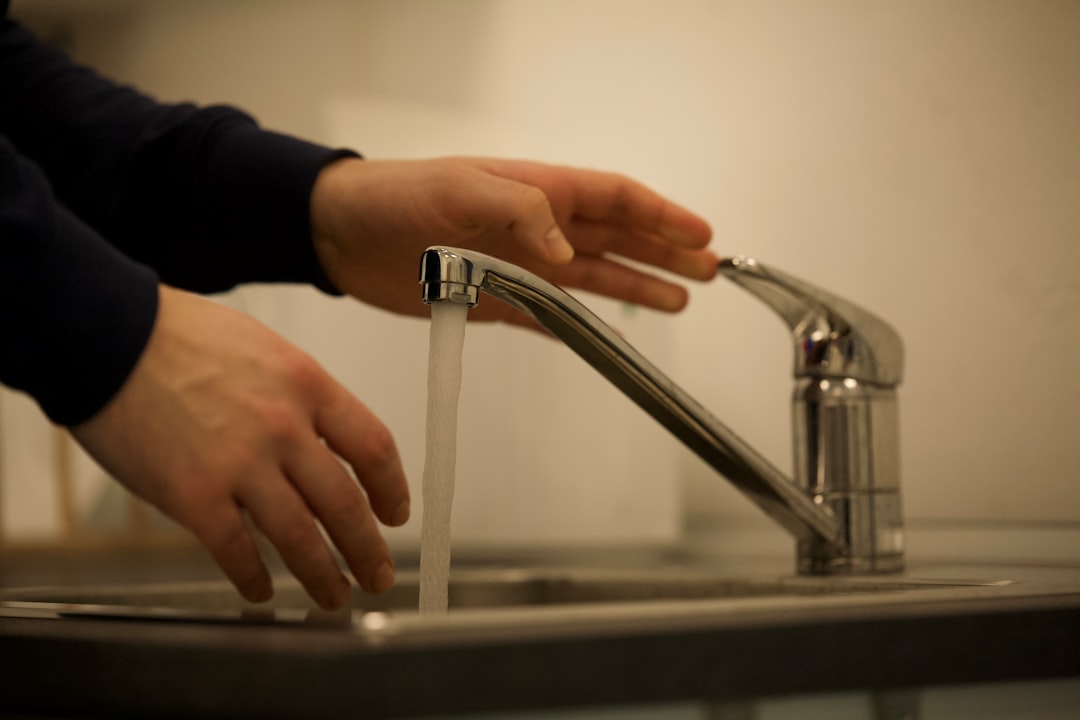
In recent years, the issue of public trust in tap water has emerged as a critical concern for communities across the globe. The quality and safety of drinking water are paramount to public health, yet numerous incidents of contamination and infrastructure failures have led to widespread skepticism. This erosion of trust can have far-reaching implications, not only for individual health but also for community cohesion and environmental sustainability.
When citizens lose faith in their tap water, they often turn to bottled alternatives, which can be more expensive and environmentally damaging. Thus, restoring public trust in tap water is not merely a matter of convenience; it is essential for fostering a healthier society and promoting sustainable practices. The importance of this issue cannot be overstated.
Access to clean and safe drinking water is a fundamental human right, yet many communities face challenges that undermine this right. The perception that tap water is unsafe can lead to increased health risks, as individuals may resort to less reliable sources of hydration. Furthermore, the financial burden of purchasing bottled water can disproportionately affect low-income families, exacerbating existing inequalities.
Therefore, addressing the factors that contribute to the decline in public trust is crucial for ensuring that all individuals have access to safe drinking water and can make informed choices about their hydration options.
Key Takeaways
- Restoring public trust in tap water requires transparency, education, and community engagement.
- Regular water quality testing and infrastructure upgrades are essential to ensure safety and compliance.
- Open communication and involving citizens in monitoring foster collaboration and confidence.
- Promptly addressing contamination incidents helps rebuild trust in the water supply.
- Promoting sustainable water practices protects sources and supports long-term water quality.
Assessing the Current State: Identifying the Factors Affecting Public Trust in Tap Water
To effectively restore public trust in tap water, it is essential to assess the current state of water quality and identify the factors that contribute to public skepticism. One significant factor is the prevalence of contamination incidents, which have been widely reported in various regions. High-profile cases, such as the Flint water crisis, have highlighted the potential dangers associated with aging infrastructure and inadequate regulatory oversight.
These incidents not only compromise water quality but also instill fear and uncertainty among residents, leading them to question the safety of their tap water.
Many consumers feel disconnected from the processes that ensure their drinking water is safe, leading to a sense of helplessness and distrust.
When information about water quality is not readily available or is presented in a complex manner, it can create confusion and skepticism among the public. Additionally, socio-economic disparities play a role in shaping perceptions of tap water safety. Communities with limited resources may struggle to advocate for better water quality, further perpetuating feelings of distrust and neglect.
Establishing Transparency: Communicating the Quality and Safety of Tap Water to the Public

Establishing transparency is a vital step in restoring public trust in tap water. Clear and consistent communication about water quality can help demystify the processes involved in ensuring safe drinking water. Water utilities must prioritize transparency by providing accessible information about testing results, treatment methods, and any potential contaminants present in the water supply.
This proactive approach can empower residents with knowledge and foster a sense of ownership over their local water resources. Moreover, utilizing various communication channels can enhance outreach efforts.
By engaging with residents through multiple avenues, water utilities can reach diverse audiences and address specific concerns that may arise within different communities. This commitment to transparency not only builds trust but also encourages public engagement in discussions surrounding water quality and safety.
Implementing Water Quality Testing: Ensuring Tap Water Meets Regulatory Standards
| Parameter | Regulatory Standard | Typical Testing Method | Frequency of Testing | Acceptable Range | Common Issues Detected |
|---|---|---|---|---|---|
| pH Level | 6.5 – 8.5 (EPA) | pH Meter | Monthly | 6.5 to 8.5 | Acidity or alkalinity imbalance |
| Lead (Pb) | 15 ppb (EPA Action Level) | Atomic Absorption Spectroscopy (AAS) | Quarterly | < 15 ppb | Lead contamination from pipes |
| Coliform Bacteria | 0 CFU/100 mL (EPA) | Membrane Filtration | Weekly | 0 CFU/100 mL | Microbial contamination |
| Chlorine Residual | 0.2 – 4.0 mg/L (EPA) | Colorimetric Test | Daily | 0.2 to 4.0 mg/L | Disinfection effectiveness |
| Arsenic (As) | 10 ppb (EPA) | Inductively Coupled Plasma Mass Spectrometry (ICP-MS) | Annually | < 10 ppb | Natural or industrial contamination |
| Turbidity | < 1 NTU (EPA) | Turbidimeter | Daily | < 1 NTU | Suspended particles, water clarity |
| Nitrate (NO3-) | 10 mg/L (EPA) | Ion Chromatography | Monthly | < 10 mg/L | Agricultural runoff contamination |
Implementing rigorous water quality testing is essential for ensuring that tap water meets regulatory standards and is safe for consumption. Regular testing allows utilities to monitor for contaminants and address any issues before they pose a risk to public health. By adhering to established guidelines set forth by regulatory agencies, such as the Environmental Protection Agency (EPA) in the United States, water providers can demonstrate their commitment to maintaining high standards of water quality.
In addition to routine testing, it is crucial for utilities to share testing results with the public transparently. This practice not only informs residents about the safety of their drinking water but also reinforces accountability among water providers. When communities are aware of the measures being taken to ensure their tap water is safe, they are more likely to trust the system and feel confident in their drinking choices.
Furthermore, involving independent third-party organizations in testing can enhance credibility and provide an additional layer of assurance for consumers.
Addressing Infrastructure Concerns: Upgrading and Maintaining Water Treatment Facilities
Aging infrastructure poses a significant challenge to maintaining safe drinking water supplies. Many cities across the globe are grappling with outdated pipes and treatment facilities that require urgent upgrades. Investing in modernizing these systems is essential for preventing contamination and ensuring that tap water remains safe for consumption.
By prioritizing infrastructure improvements, municipalities can demonstrate their commitment to public health and safety. Moreover, regular maintenance of existing facilities is equally important. Routine inspections and timely repairs can prevent small issues from escalating into larger problems that compromise water quality.
Communities must advocate for funding and resources dedicated to infrastructure improvements, as these investments will yield long-term benefits for public health and environmental sustainability. By addressing infrastructure concerns head-on, cities can work towards restoring public trust in their tap water systems.
Educating the Public: Providing Information on the Benefits and Safety of Tap Water
Education plays a pivotal role in restoring public trust in tap water by informing residents about its benefits and safety. Many individuals may not be aware of the rigorous testing and treatment processes that ensure their tap water meets safety standards. By providing clear information about these processes, utilities can help dispel myths and misconceptions surrounding tap water quality.
Additionally, highlighting the environmental benefits of choosing tap water over bottled alternatives can further encourage public confidence. Tap water is often more sustainable than bottled water, which contributes to plastic waste and environmental degradation. By promoting the advantages of drinking tap water—such as its cost-effectiveness and lower environmental impact—utilities can foster a positive perception among consumers.
Educational campaigns that emphasize these benefits can empower individuals to make informed choices about their hydration options.
Engaging with Communities: Building Trust through Open Communication and Collaboration
Engaging with communities is essential for building trust in tap water systems. Water utilities should prioritize open communication with residents by hosting community forums, workshops, and informational sessions. These events provide opportunities for residents to voice their concerns, ask questions, and learn more about local water quality initiatives.
By fostering an environment of collaboration, utilities can demonstrate their commitment to addressing community needs and concerns. Furthermore, involving community members in decision-making processes related to water management can enhance trust and accountability. When residents feel that their voices are heard and valued, they are more likely to support initiatives aimed at improving tap water quality.
Collaborative efforts between utilities and communities can lead to innovative solutions that address specific local challenges while reinforcing a sense of shared responsibility for maintaining safe drinking water.
Encouraging Public Participation: Involving Citizens in Water Quality Monitoring and Decision-Making Processes
Encouraging public participation in water quality monitoring and decision-making processes is crucial for restoring trust in tap water systems. Citizens can play an active role in monitoring local water quality by participating in citizen science initiatives or community-based testing programs. These efforts not only empower individuals but also foster a sense of ownership over local resources.
Moreover, involving citizens in decision-making processes related to water management can lead to more equitable outcomes. When community members are included in discussions about infrastructure improvements or policy changes, they can provide valuable insights based on their lived experiences. This collaborative approach ensures that decisions reflect the needs and priorities of diverse populations while enhancing transparency and accountability within local government.
Responding to Public Concerns: Addressing Contamination Incidents and Building Confidence in the Water Supply
When contamination incidents occur, it is vital for utilities to respond promptly and transparently to rebuild public confidence in the water supply. Clear communication regarding the nature of the contamination, its potential health impacts, and steps being taken to address the issue is essential for maintaining trust during crises. Residents need reassurance that their safety is a top priority and that measures are being implemented to rectify any problems.
Additionally, providing resources for residents affected by contamination incidents—such as access to alternative drinking sources or health information—can further demonstrate a commitment to public welfare. By taking proactive steps to address concerns and communicate effectively during crises, utilities can foster resilience within communities while reinforcing confidence in their ability to provide safe drinking water.
Promoting Sustainable Practices: Protecting Water Sources and Ensuring Long-Term Water Quality
Promoting sustainable practices is integral to ensuring long-term water quality and restoring public trust in tap water systems. Protecting natural water sources from pollution through conservation efforts is essential for maintaining clean drinking supplies. Initiatives aimed at reducing runoff from agricultural practices or industrial activities can significantly improve the quality of local waterways.
Moreover, encouraging responsible consumption habits among residents can contribute to sustainability efforts. Educating individuals about reducing plastic waste by choosing tap over bottled water aligns with broader environmental goals while reinforcing confidence in local resources. By fostering a culture of sustainability within communities, utilities can work towards ensuring that future generations have access to safe drinking water.
Monitoring Progress: Evaluating the Effectiveness of Restoring Public Trust in Tap Water and Making Adjustments as Needed
Monitoring progress is crucial for evaluating the effectiveness of initiatives aimed at restoring public trust in tap water systems. Regular assessments of community perceptions regarding tap water safety can provide valuable insights into areas needing improvement or adjustment. Surveys, focus groups, or community feedback sessions can help gauge public sentiment while identifying specific concerns that require attention.
Additionally, tracking key performance indicators related to water quality—such as contamination rates or response times during incidents—can inform ongoing efforts toward improvement. By remaining adaptable and responsive to community needs, utilities can continuously refine their strategies for building trust in tap water systems. Ultimately, fostering a culture of accountability and transparency will be essential for ensuring that all individuals feel confident in their access to safe drinking water now and into the future.
Rebuilding public trust in tap water is essential for ensuring community health and safety. One insightful article that discusses strategies for enhancing public confidence in drinking water quality can be found at this link. It explores various approaches, including transparency in water quality reporting and community engagement initiatives, which can significantly contribute to restoring faith in municipal water systems.
WATCH THIS! The $100 Billion Lie: America’s Water System Is About to Poison Every Major City
FAQs
Why has public trust in tap water declined?
Public trust in tap water has declined due to concerns about water quality, contamination incidents, aging infrastructure, and lack of transparent communication from water authorities.
What are common contaminants found in tap water?
Common contaminants can include lead, chlorine byproducts, bacteria, viruses, pesticides, and industrial chemicals, depending on the source and treatment processes.
How can water utilities improve transparency to rebuild trust?
Water utilities can improve transparency by regularly publishing water quality reports, promptly informing the public about any issues, and engaging with communities through meetings and educational programs.
What role does infrastructure play in public trust?
Aging or poorly maintained infrastructure can lead to water quality problems such as leaks and contamination, which undermine public confidence. Investing in upgrades and maintenance is crucial.
Are there standards regulating tap water quality?
Yes, tap water quality is regulated by government agencies such as the Environmental Protection Agency (EPA) in the United States, which sets maximum contaminant levels and monitoring requirements.
How can individuals verify the safety of their tap water?
Individuals can review annual water quality reports provided by their local water utility, use home testing kits, or have their water professionally tested for specific contaminants.
What steps can communities take to rebuild trust in tap water?
Communities can organize public forums, collaborate with water authorities for better communication, promote water conservation, and support infrastructure investments to ensure safe and reliable water.
Does boiling tap water improve its safety?
Boiling tap water can kill bacteria and viruses but does not remove chemical contaminants. It is effective during certain contamination events but not a universal solution.
How important is public education in restoring trust?
Public education is vital as it helps people understand water treatment processes, safety measures, and how to respond during water quality issues, thereby increasing confidence in tap water.
Can bottled water replace tap water to ensure safety?
While bottled water may be perceived as safer, it is not a sustainable or necessarily safer alternative. Tap water is strictly regulated and often tested more frequently than bottled water.