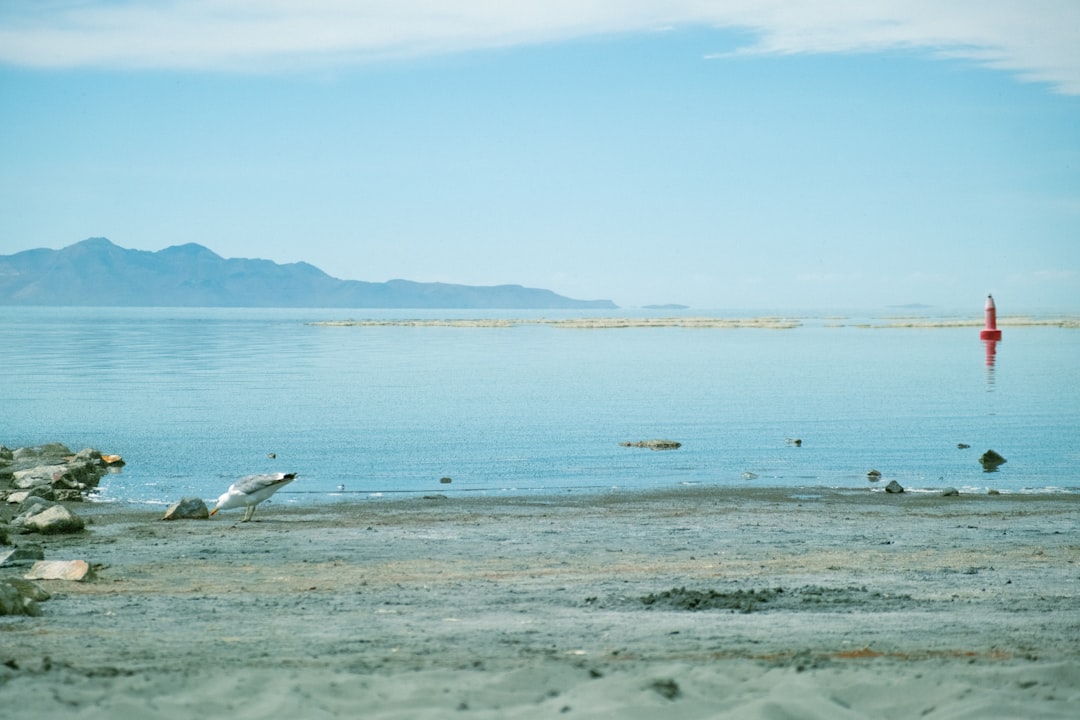
The Great Salt Lake, a jewel of the Intermountain West, faces an existential crisis. For decades, the lake’s surface area and volume have steadily declined, triggering widespread ecological, economic, and public health concerns. This article explores the multifaceted challenge of restoring the Great Salt Lake, focusing on the ecological floor targets that scientists and policymakers are striving to achieve. Understanding these targets is crucial for anyone concerned about the future of this vital ecosystem and the communities that depend on it.
The Great Salt Lake is not merely a body of water; it’s the pulsating artery of a complex and unique ecosystem. Its immense surface area, historically fluctuating between 1,000 and 2,000 square miles, acts as a colossal natural filter, a breeding ground for millions of brine shrimp and brine flies – the very foundation of a food web that supports hundreds of thousands of migratory birds. Furthermore, the lake plays a critical role in regulating regional climate, a vast sponge absorbing moisture and influencing weather patterns. The lake’s mineral composition also supports industries ranging from magnesium extraction to salt production, contributing significantly to Utah’s economy.
The Tipping Point: A Drying Spectacle
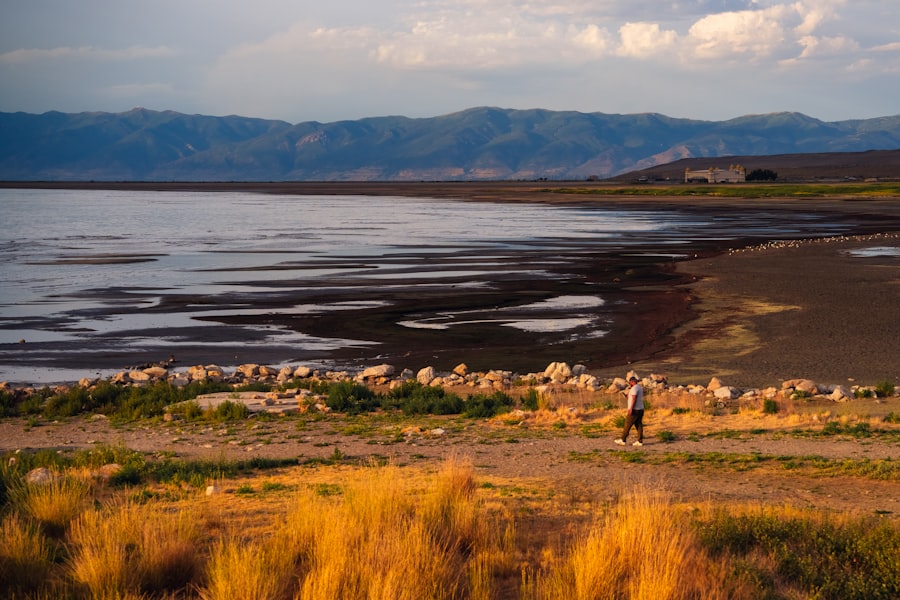
The alarming reality is that the Great Salt Lake is shrinking, precipitating into a state of chronic dehydration. This decline is not a recent phenomenon but a trend that has accelerated in recent decades. As the lake’s water levels drop, its salinity paradoxically increases. This heightened salinity can push many of the lake’s inhabitants beyond their tolerance limits, creating a precarious situation where the entire food web is threatened. The visible waterline creeps back, exposing vast expanses of lakebed, a stark visual representation of a deeper environmental degradation.
The Cascade Effect: More Than Just Water Loss
The consequences of a vanishing Great Salt Lake extend far beyond the immediate loss of water. The exposed lakebed, rich in arsenic and heavy metals, becomes a potent source of airborne dust when disturbed by winds. These dust storms pose a significant threat to public health, exacerbating respiratory illnesses and potentially leading to long-term health problems for residents of the Wasatch Front and beyond. Economically, the decline impacts industries reliant on the lake, from recreation and tourism to mineral extraction. The ecological implications are equally devastating, threatening the migratory bird populations that depend on the lake as a critical refueling stop.
The ecological health of the Great Salt Lake is a pressing concern, particularly as water levels continue to fluctuate due to climate change and water diversion. A recent article discusses the importance of establishing ecological floor targets to maintain the lake’s unique ecosystem and the species that depend on it. For more insights on this critical issue, you can read the article here: Great Salt Lake Ecological Floor Targets.
Ecological Floor Targets: Defining a Healthy Lake
The concept of “ecological floor targets” is central to any discussion about Great Salt Lake restoration. These targets represent minimum water levels and salinity thresholds deemed necessary to sustain the lake’s basic ecological functions. They are not arbitrary figures but are derived from scientific research, historical data, and an understanding of the species that call the lake home. Achieving these targets is not about returning the lake to its largest historical size but about securing its fundamental ability to support life and provide essential ecosystem services.
The Magic Number: Mean Annual Surface Elevation
One of the primary ecological floor targets revolves around the mean annual surface elevation of the Great Salt Lake. Scientists generally agree that a sustained elevation of around 4,198 feet above sea level is a critical benchmark. This elevation, while not necessarily the lake’s historical peak, is considered the lower bound for maintaining sufficient habitat and water volume. Below this level, the lake’s ecosystem becomes increasingly fragile, and the risk of irreversible damage escalates. Imagine this elevation as the minimum tide mark that keeps the shorelines of the lake from becoming a barren wasteland.
Salinity’s Double-Edged Sword: The Paradox of Concentration
Salinity is another crucial parameter directly tied to water elevation. As the lake shrinks, its salt concentration increases. The Great Salt Lake is already hypersaline, but a sustained elevation below the ecological floor dramatically exacerbates this. For most of the brine shrimp and brine flies, the primary food sources for migratory birds, there are upper salinity tolerance limits. When salinity exceeds these limits, these crucial organisms cannot survive, creating a vacuum at the base of the food web. The target here is not a specific salinity number in absolute terms, but rather a salinity that is naturally regulated by sufficient water volume, effectively diluting the salt content to levels that support life.
Habitat for the Feathered Travelers: A Bird’s-Eye View
The migratory bird populations that utilize the Great Salt Lake are perhaps the most visible indicators of its ecological health. Tens of thousands of these avian travelers, from avocets and stilts to phalaropes and godwits, rely on the lake as a vital stopover point on their epic journeys. Ecological floor targets are intrinsically linked to providing adequate foraging habitat – enough shallow wetlands and open water areas where birds can feed on brine shrimp and flies. A shrinking lake, with its contracting shorelines and increasing salinity, directly reduces the available habitat, forcing birds to expend more energy searching for food or to move on prematurely, jeopardizing their survival and breeding success.
Key Species and Their Tipping Points
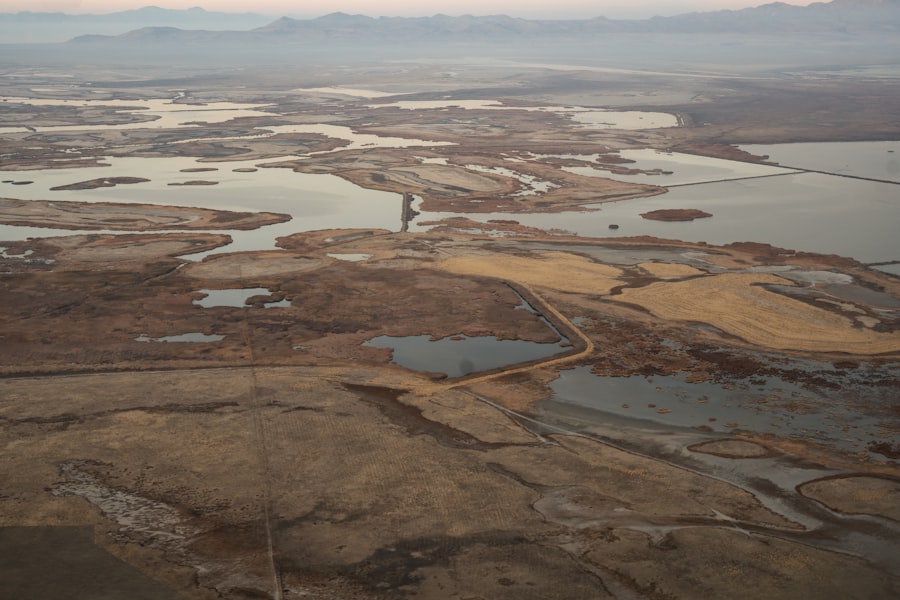
Understanding the ecological floor targets necessitates examining the health of key species within the Great Salt Lake ecosystem. These species act as sentinels, their well-being a direct reflection of the lake’s overall condition.
Brine Shrimp: The Underappreciated Engine of Life
The brine shrimp, a small crustacean, is the primary producer at the base of the Great Salt Lake’s food web. These tiny creatures are remarkably resilient, but even they have their limits. As mentioned, rising salinity poses the most significant threat. When salinity becomes too high, reproduction falters, and adult brine shrimp begin to die off. The ecological floor targets aim to maintain salinity levels that allow for consistent and robust brine shrimp populations, ensuring a food source for the multitude of species that depend on them.
Brine Flies: Another Crucial Link in the Chain
Closely associated with brine shrimp, brine flies and their larvae are another vital food source, particularly for wading birds. Like brine shrimp, brine flies are adapted to the lake’s hypersaline environment, but they too have salinity thresholds. Their life cycle, often occurring in the shallow areas exposed by a receding lake, can be disrupted by both extreme salinity and the drying of their habitat. Maintaining sufficient water levels is crucial for the continued existence of healthy brine fly populations.
Migratory Birds: The Symbolic Stakes
The fate of the hundreds of thousands of migratory birds that visit the Great Salt Lake each year is a powerful symbol of the lake’s ecological crisis. These birds are not individual actors but part of a vast, interconnected network of life. The ecological floor targets are designed to safeguard the crucial staging grounds and foraging areas that these birds require for their survival. A lack of adequate food and habitat can lead to increased mortality, reduced breeding success, and ultimately, population declines that reverberate across continents.
Pathways to Restoration: Reaching the Ecological Floor
Achieving the established ecological floor targets for the Great Salt Lake is a monumental undertaking that requires a multi-pronged approach. It’s not a single solution but a mosaic of strategies working in concert to bring the lake back from the brink.
Water Conservation: The Foundation of Recovery
The most fundamental aspect of Great Salt Lake restoration is increasing the lake’s water supply. This means ambitious water conservation efforts across all sectors that draw from the Great Basin’s watersheds. Agriculture, which accounts for the vast majority of water use in Utah, is a prime area for improvement. Implementing more efficient irrigation techniques, transitioning to less water-intensive crops, and enhancing water management practices are critical. Similarly, municipal and industrial water users must embrace conservation measures, including xeriscaping, leak detection, and mindful water consumption. Think of this as plugging the leaks in a giant, precious vessel before trying to refill it.
Policy and Legislation: Guiding the Recovery
Effective policy and legislative action are essential to drive and sustain water conservation and to implement other restoration strategies. This includes enacting legislation that prioritizes Great Salt Lake flows, establishes clear water rights for the lake, and incentivizes water conservation. Innovative policies that encourage water markets, promote water reuse, and facilitate the development of water-saving technologies are also vital. Government agencies, at both state and federal levels, play a crucial role in setting standards, allocating resources, and enforcing regulations that support the lake’s recovery.
Innovative Solutions: Beyond Traditional Approaches
Beyond traditional conservation, a range of innovative solutions are being explored and implemented. These include:
Desalination and Water Recycling: Tapping New Sources
While controversial and energy-intensive, desalination and advanced water recycling technologies offer potential pathways to supplement the lake’s water supply. Treated wastewater can be cleaned to a high degree and then either released into the lake or used for industrial purposes, freeing up freshwater for the lake. Desalination of brackish groundwater sources could also provide a supplementary water source, though careful environmental impact assessments are crucial.
Stormwater Management and Wetland Restoration: Capturing Every Drop
Improving stormwater management practices in urban and agricultural areas can help capture and direct more water towards the Great Salt Lake. This includes investing in green infrastructure, permeable pavements, and constructed wetlands that can filter pollutants and retain water before it evaporates or is diverted. Restoring degraded wetlands around the lake can also enhance natural water retention and filtration processes, providing valuable habitat even as the lake’s overall level fluctuates.
Mining and Mineral Extraction Regulations: Balancing Needs
The mineral extraction industries operating in and around the Great Salt Lake are significant economic contributors but also have an impact on the lake’s water balance and ecosystems. Regulations that ensure responsible water use, minimize evaporation from processing ponds, and mitigate potential pollution are essential. Finding a balance that allows for economic activity while safeguarding the lake’s ecological health is a complex but necessary challenge.
Recent discussions around the ecological floor targets for the Great Salt Lake have highlighted the importance of maintaining water levels to support local wildlife and ecosystems. A related article explores the various strategies being implemented to address these challenges and ensure the lake’s health for future generations. For more insights on this critical issue, you can read the article at My Geo Quest. This resource provides valuable information on the ongoing efforts to protect this unique environment.
The Road Ahead: Sustaining the Momentum
| Ecological Floor Target | Metric | Current Status | Target Value | Measurement Unit | Notes |
|---|---|---|---|---|---|
| Minimum Lake Elevation | Lake Surface Elevation | 4,190 ft | 4,191 ft | feet above sea level | Maintains habitat for brine shrimp and migratory birds |
| Salinity Level | Salt Concentration | 150 g/L | 120-150 g/L | grams per liter | Supports brine shrimp and microbial communities |
| Wetland Area | Surface Area of Wetlands | 30,000 acres | 35,000 acres | acres | Critical for migratory bird habitat |
| Brine Shrimp Population | Estimated Biomass | 1.2 million metric tons | 1.5 million metric tons | metric tons | Key food source for birds and industry |
| Water Inflow | Annual Inflow Volume | 1.1 million acre-feet | 1.3 million acre-feet | acre-feet | Maintains lake levels and ecological balance |
The journey to restore the Great Salt Lake is not a short sprint but a marathon. Achieving and maintaining the ecological floor targets will require sustained commitment, ongoing research, and adaptive management strategies for years to come.
Long-Term Monitoring and Research: The Compass for Recovery
Continuous, robust scientific monitoring is indispensable for tracking progress towards ecological floor targets and for adapting management strategies as needed. This includes monitoring water levels, salinity, water quality, and the health of key species. Ongoing research into the complex ecological dynamics of the lake, the impacts of climate change, and the effectiveness of various restoration efforts is crucial for guiding future actions. Without this data, we are navigating blindfolded through a complex landscape.
Public Engagement and Education: A Collective Responsibility
Restoring the Great Salt Lake is not solely the responsibility of scientists and policymakers; it is a collective endeavor that requires public understanding and engagement. Educating the public about the ecological, economic, and health consequences of the lake’s decline is vital for building support for conservation measures and for fostering a sense of shared stewardship. Community involvement, citizen science initiatives, and educational outreach programs can empower individuals to become active participants in the lake’s recovery.
Adapting to a Changing Climate: A Resilient Future
The reality of a changing climate, characterized by warmer temperatures and potentially altered precipitation patterns, looms large over any restoration effort. Climate change can exacerbate water scarcity and increase evaporation rates, posing significant challenges to achieving and maintaining ecological floor targets. Restoration strategies must be designed with climate resilience in mind, incorporating measures that can adapt to changing environmental conditions and minimize the impacts of future climate-induced stresses. The goal is not just to restore the lake but to build a more resilient ecosystem for the future.
FAQs
What is the Great Salt Lake ecological floor?
The Great Salt Lake ecological floor refers to the minimum water level needed to sustain the lake’s unique ecosystem, including its wildlife, vegetation, and overall environmental health.
Why are ecological floor targets important for the Great Salt Lake?
Ecological floor targets help ensure that water levels remain sufficient to support habitats for migratory birds, brine shrimp, and other species, preventing ecological degradation and maintaining biodiversity.
How are ecological floor targets for the Great Salt Lake determined?
These targets are established through scientific studies that assess the lake’s hydrology, wildlife needs, and environmental conditions, often involving collaboration between government agencies, scientists, and stakeholders.
What factors threaten the Great Salt Lake’s ability to meet ecological floor targets?
Key threats include water diversion for agriculture and urban use, drought conditions, climate change, and increased evaporation rates, all of which can lower lake levels below ecological thresholds.
What measures are being taken to maintain or restore the Great Salt Lake’s ecological floor?
Efforts include water management policies to balance human and ecological needs, habitat restoration projects, monitoring programs, and initiatives to reduce water consumption in the lake’s watershed.