
Bikini Atoll, a remote group of islands in the Marshall Islands, is a place steeped in both natural beauty and historical significance. Known for its stunning turquoise waters and vibrant marine life, the atoll is also infamous for its role in nuclear testing during the mid-20th century. This juxtaposition of paradise and peril has made Bikini Atoll a focal point for discussions about environmental restoration, nuclear history, and the resilience of nature.
The atoll consists of 36 islands and islets, encircling a large lagoon that has become a site of both ecological wonder and scientific inquiry. The allure of Bikini Atoll lies not only in its picturesque landscapes but also in its complex narrative. Once inhabited by the Bikini people, the atoll was chosen as a testing ground for nuclear weapons by the United States government after World War
Key Takeaways
- Bikini Atoll is a remote island in the Pacific Ocean that was used for nuclear testing by the United States after World War II.
- The nuclear testing had devastating environmental impacts, including the displacement of the local population and the contamination of the land and marine life.
- Efforts to restore Bikini Atoll have focused on marine life recovery, coral reef restoration, soil remediation, and radioactive contamination cleanup.
- Community involvement has been crucial in the restoration efforts, and future challenges include addressing the long-term effects of radiation and ensuring sustainable recovery.
- Despite the challenges, there is hope for Bikini Atoll’s recovery, with ongoing efforts to restore the environment and support the return of the displaced population.
History of Bikini Atoll
The history of Bikini Atoll is marked by significant events that have shaped its identity. In 1946, the United States conducted its first nuclear tests at Bikini, beginning a series of detonations that would continue for nearly a decade. The inhabitants of Bikini were relocated to other islands, their lives disrupted as they were forced to leave their ancestral home.
As the years progressed, the consequences of these tests became increasingly apparent. The radioactive fallout contaminated the land and water, rendering the atoll uninhabitable for decades.
The Bikini people faced not only the loss of their home but also health issues related to radiation exposure. The U.S. government eventually acknowledged the need for compensation and assistance, but the journey toward justice and restoration has been fraught with challenges.
Environmental Impact of Nuclear Testing
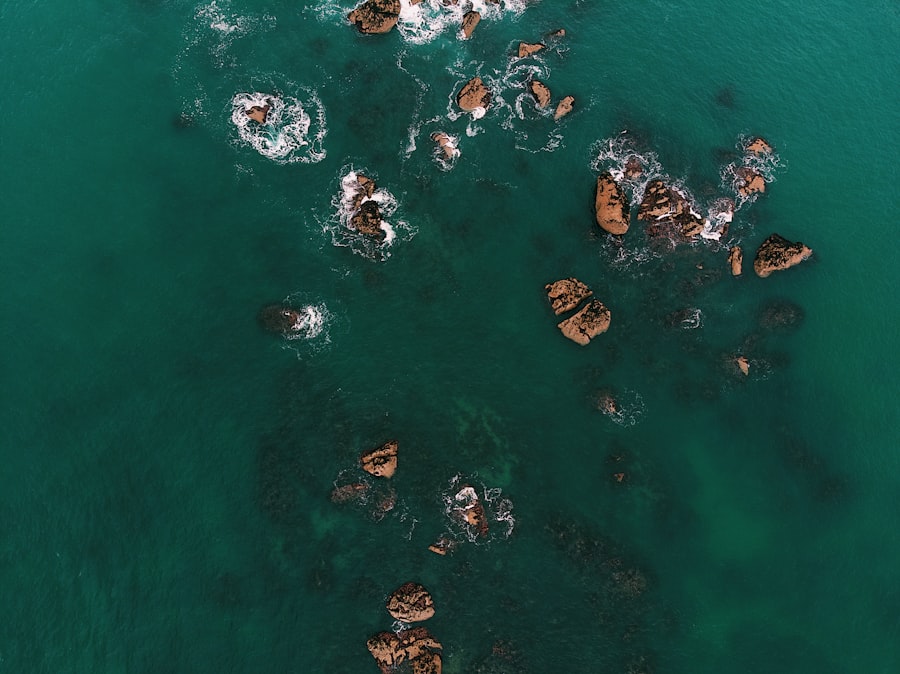
The environmental impact of nuclear testing at Bikini Atoll has been profound and far-reaching. The detonation of atomic bombs released vast amounts of radioactive materials into the atmosphere, which subsequently settled on the land and in the surrounding waters. This contamination has had lasting effects on both terrestrial and marine ecosystems.
The once-thriving coral reefs, teeming with life, suffered significant damage from the blasts and subsequent radiation exposure. In addition to immediate destruction, the long-term consequences of radiation have altered the ecological balance of the atoll. Studies have shown that certain species of fish and other marine organisms exhibit signs of genetic mutations and reduced populations due to exposure to radioactive materials.
The delicate interplay between species within this unique ecosystem has been disrupted, leading to concerns about biodiversity loss and the overall health of marine habitats. Understanding these impacts is crucial for developing effective restoration strategies.
Efforts to Restore Bikini Atoll
| Year | Efforts | Outcome |
|---|---|---|
| 1946 | Evacuation of Bikini Atoll | Due to nuclear testing |
| 1970s | Declaration of Bikini Atoll as a nuclear testing site | Declared a nuclear-free zone |
| 1997 | US government funding for environmental restoration | Continued efforts for restoration |
| 2010s | Research and monitoring of marine life and environment | Progress in restoration efforts |
In recent years, there has been a concerted effort to restore Bikini Atoll and mitigate the damage caused by nuclear testing. Various organizations, including governmental bodies and environmental NGOs, have collaborated to assess the extent of contamination and develop plans for rehabilitation. These efforts encompass a wide range of initiatives aimed at restoring both the land and marine environments.
One significant aspect of restoration involves extensive research and monitoring programs designed to evaluate the current state of ecosystems within the atoll. Scientists are conducting studies on soil composition, water quality, and biodiversity to gain insights into how best to approach restoration efforts. By understanding the specific challenges posed by radiation and other contaminants, stakeholders can implement targeted strategies that promote ecological recovery while ensuring safety for any future human habitation.
Marine Life Recovery
The recovery of marine life in Bikini Atoll is a critical component of the broader restoration efforts. The lagoon surrounding the atoll is home to diverse species, including fish, crustaceans, and various forms of marine flora. However, years of contamination have taken a toll on these populations.
Researchers are now focusing on monitoring fish populations and assessing their health to determine how they are responding to environmental changes. Efforts to promote marine life recovery include habitat restoration initiatives aimed at rebuilding coral reefs and enhancing biodiversity. Coral reefs serve as essential ecosystems that support numerous marine species, providing food and shelter while also contributing to overall ocean health.
By creating protected areas within the lagoon and implementing sustainable fishing practices, stakeholders hope to foster an environment where marine life can thrive once again.
Coral Reef Restoration
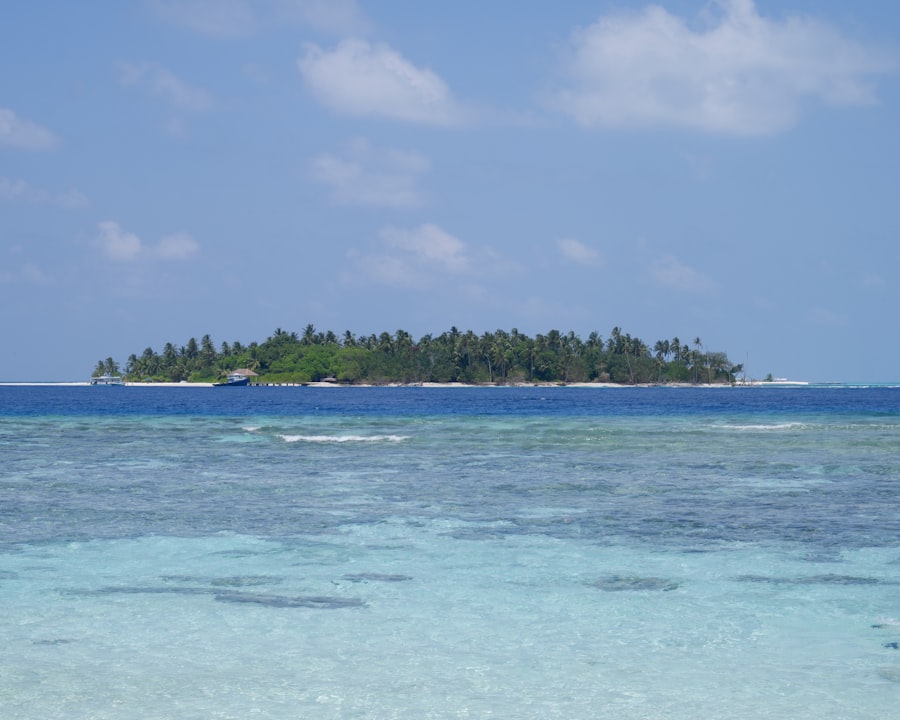
Coral reefs are often referred to as the “rainforests of the sea” due to their incredible biodiversity and ecological importance. In Bikini Atoll, coral reefs were severely impacted by nuclear testing, leading to significant degradation of these vital ecosystems. Restoration efforts are now underway to rehabilitate coral populations and restore their ecological functions.
One innovative approach being explored involves coral gardening, where fragments of healthy coral are cultivated in nurseries before being transplanted onto damaged reefs. This method not only helps to repopulate coral but also enhances genetic diversity within reef systems. Additionally, researchers are investigating ways to increase coral resilience against climate change impacts, such as rising sea temperatures and ocean acidification.
By combining traditional restoration techniques with cutting-edge science, there is hope for revitalizing Bikini Atoll’s coral reefs.
Soil Remediation
Soil remediation is another crucial aspect of restoring Bikini Atoll’s environment following decades of nuclear contamination. The soil on many islands within the atoll contains radioactive isotopes that pose risks to both human health and ecological integrity. Addressing this contamination requires a multifaceted approach that includes both physical removal of contaminated soil and bioremediation techniques.
Bioremediation involves using microorganisms or plants to break down or absorb contaminants from the soil. This method can be particularly effective in reducing radioactive materials while promoting healthy soil ecosystems. Researchers are exploring various plant species that can thrive in contaminated soils while simultaneously aiding in detoxification processes.
By focusing on soil health, restoration efforts can create a foundation for sustainable ecosystems that support both flora and fauna.
Radioactive Contamination Cleanup
The cleanup of radioactive contamination in Bikini Atoll is an ongoing challenge that requires careful planning and execution. Various methods are being employed to address this issue, including excavation and disposal of contaminated materials as well as long-term monitoring programs to track changes in radiation levels over time. The complexity of this task is compounded by the need to ensure safety for workers involved in cleanup operations.
International collaboration plays a vital role in these cleanup efforts, with experts from various fields coming together to share knowledge and resources. The involvement of local communities is also essential; their traditional knowledge can provide valuable insights into land use practices that may aid in remediation efforts. As cleanup progresses, it is crucial to maintain transparency with affected communities regarding potential risks and ongoing developments.
Community Involvement in Restoration
Community involvement is a cornerstone of successful restoration initiatives at Bikini Atoll. The local population, particularly those who were displaced during nuclear testing, has a vested interest in seeing their homeland restored to health. Engaging these communities in restoration efforts not only fosters a sense of ownership but also ensures that traditional knowledge is integrated into modern scientific practices.
Workshops, educational programs, and participatory research projects are being implemented to empower local residents with skills and knowledge related to environmental stewardship. By involving community members in monitoring activities or restoration projects, stakeholders can build capacity while fostering a deeper connection between people and their environment. This collaborative approach enhances the likelihood of long-term success in restoring Bikini Atoll’s ecosystems.
Future Challenges and Goals
Despite significant progress in restoration efforts at Bikini Atoll, numerous challenges remain on the horizon. Climate change poses an existential threat to island ecosystems worldwide, including those in the Marshall Islands. Rising sea levels, increased storm intensity, and changing ocean conditions could undermine restoration achievements if not addressed proactively.
Setting clear goals for future restoration initiatives is essential for navigating these challenges effectively. Stakeholders must prioritize adaptive management strategies that allow for flexibility in response to changing environmental conditions. Continued investment in research, community engagement, and international collaboration will be vital for ensuring that Bikini Atoll can overcome obstacles while moving toward a sustainable future.
Conclusion and Hope for Bikini Atoll’s Recovery
In conclusion, Bikini Atoll stands as a testament to both human impact on nature and nature’s remarkable capacity for recovery. While its history is marked by tragedy and loss due to nuclear testing, ongoing restoration efforts offer hope for revitalizing this unique ecosystem. Through collaborative initiatives focused on marine life recovery, coral reef restoration, soil remediation, and community involvement, there is potential for Bikini Atoll to emerge from its troubled past.
As stakeholders work together toward shared goals, they embody a commitment not only to healing the environment but also to honoring the legacy of those who once called Bikini home. The journey toward recovery may be long and fraught with challenges; however, with determination and collaboration, there remains hope for a brighter future for Bikini Atoll—a future where nature can flourish once again amidst its stunning beauty.
The environmental recovery at Bikini Atoll is a remarkable testament to nature’s resilience, as the area has shown significant signs of ecological restoration despite the extensive nuclear testing conducted there in the mid-20th century. A related article that delves into similar themes of environmental resilience and recovery can be found on MyGeoQuest. This article explores various global sites that have undergone significant environmental challenges and have since shown promising signs of recovery. For more insights into these fascinating stories of nature’s comeback, you can read the full article by visiting MyGeoQuest’s sample page.
FAQs
What is Bikini Atoll?
Bikini Atoll is a coral reef in the Marshall Islands that was the site of 23 nuclear tests between 1946 and 1958, as part of the United States’ nuclear testing program.
What is environmental recovery at Bikini Atoll?
Environmental recovery at Bikini Atoll refers to the efforts to restore the natural environment and ecosystem of the atoll, which was heavily impacted by the nuclear testing.
What are the main challenges in the environmental recovery at Bikini Atoll?
The main challenges in the environmental recovery at Bikini Atoll include the presence of radioactive contamination, the restoration of coral reefs and marine life, and the long-term effects of the nuclear tests on the environment.
What are the current efforts in the environmental recovery at Bikini Atoll?
Current efforts in the environmental recovery at Bikini Atoll include ongoing monitoring of radiation levels, research on the impact of the nuclear tests on marine life, and the development of strategies for coral reef restoration.
Is it safe to visit Bikini Atoll now?
Due to the lingering radioactive contamination, Bikini Atoll is still considered unsafe for human habitation and tourism. Access to the atoll is restricted and requires special permission.