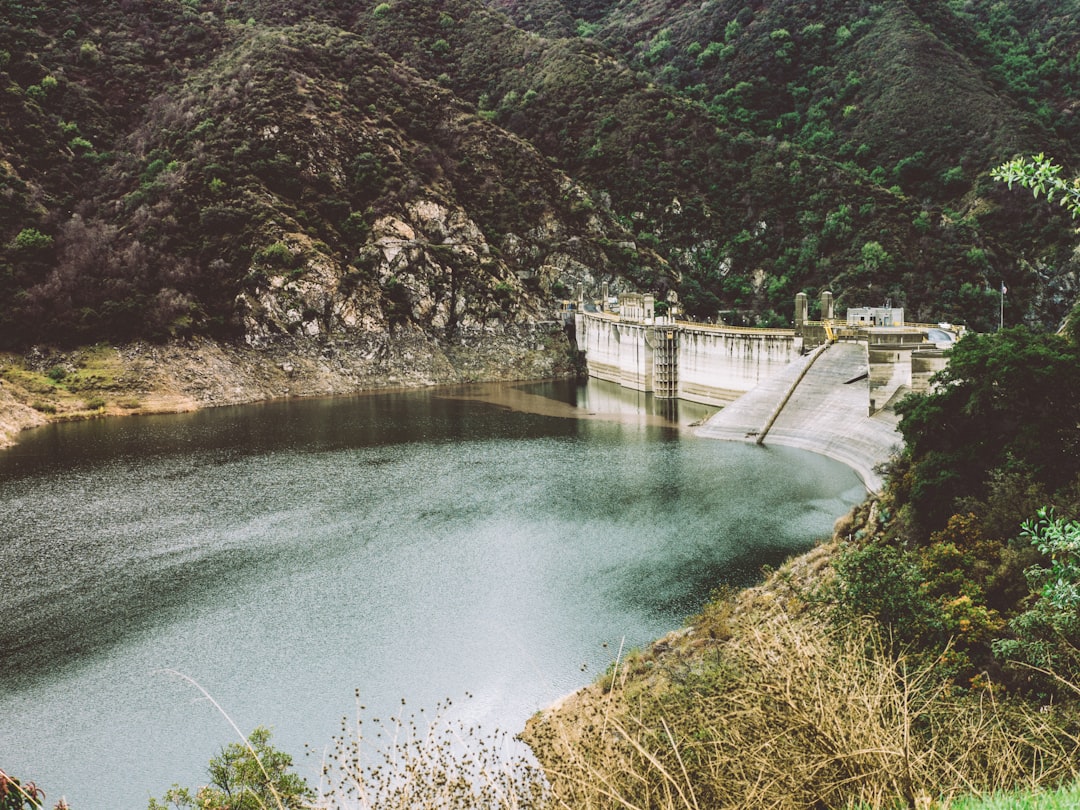
Dams play a crucial role in modern society, serving multiple functions that are essential for both economic stability and environmental management. They are primarily designed to control water flow, manage flood risks, and provide water for agricultural, industrial, and municipal use. Beyond these fundamental purposes, dams also generate hydroelectric power, which contributes significantly to the energy grid.
The multifaceted benefits of dam infrastructure underscore its importance in maintaining the balance between human needs and natural ecosystems. Moreover, dams can enhance recreational opportunities, such as fishing, boating, and hiking, which contribute to local economies and promote community well-being. They also serve as vital components in water management systems that help mitigate the impacts of climate change by storing water during periods of excess and releasing it during droughts.
As such, the importance of dam infrastructure extends beyond mere functionality; it is intertwined with the social fabric and economic vitality of communities across the nation.
Key Takeaways
- Many US dams are aging and in need of urgent repair to ensure public safety and environmental protection.
- Repairing dams requires significant funding, which faces challenges due to limited government budgets and competing priorities.
- Dam failures can cause severe environmental damage, social disruption, and economic losses.
- Innovative technologies and international best practices offer promising solutions for efficient and cost-effective dam repairs.
- Strengthening government roles and increasing investment are crucial for the sustainable future of US dam infrastructure.
The Current State of US Dams
The current state of dams in the United States presents a mixed picture, characterized by aging infrastructure and increasing demands for maintenance and upgrades. According to the American Society of Civil Engineers (ASCE), nearly 15,000 dams in the U.S. are classified as high-hazard potential, meaning that their failure could result in significant loss of life and property.
Many of these structures were built decades ago and are now facing challenges related to structural integrity, outdated design standards, and changing environmental conditions. In addition to structural concerns, the regulatory landscape surrounding dam safety has evolved, leading to stricter compliance requirements. This has placed additional pressure on dam owners—both public and private—to ensure that their facilities meet modern safety standards.
The combination of aging infrastructure and heightened regulatory scrutiny has created a pressing need for comprehensive assessments and timely interventions to safeguard these critical assets.
The Cost of Repairing US Dams
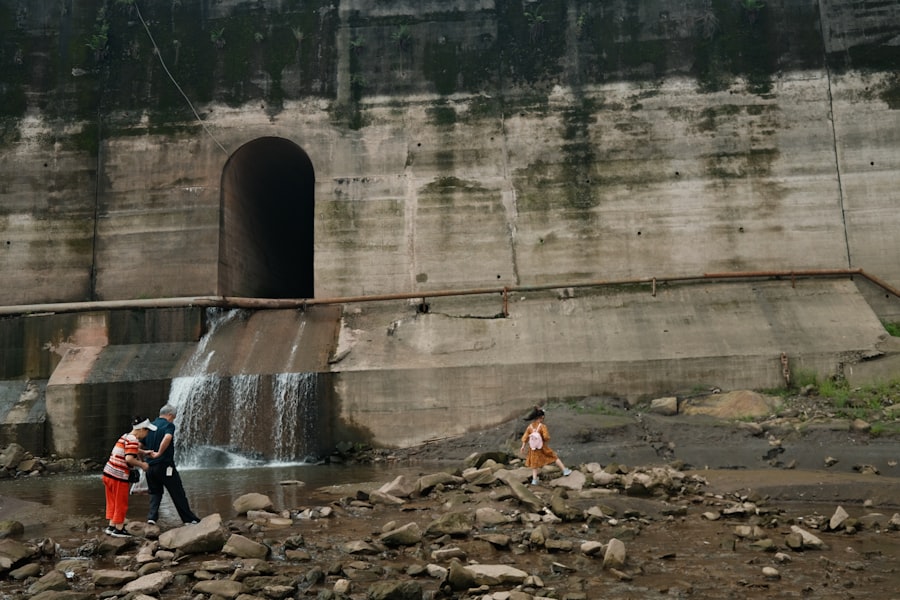
Repairing and upgrading the nation’s dams is a daunting financial challenge.
S. dams could reach upwards of $70 billion over the next few decades.
This figure encompasses a wide range of necessary improvements, including structural reinforcements, spillway upgrades, and the installation of modern monitoring systems. The financial burden is particularly acute for smaller municipalities that may lack the resources to undertake such extensive projects. Furthermore, the costs associated with dam repair are not merely limited to physical renovations.
They also include ongoing maintenance expenses and the potential economic losses associated with dam failures. When a dam fails, the repercussions can be catastrophic, leading to loss of life, property damage, and long-term environmental degradation. Thus, investing in dam repair is not just a matter of addressing immediate structural issues; it is also about safeguarding communities and ensuring sustainable water management for future generations.
Funding Challenges for Dam Repair
| Funding Challenge | Description | Impact on Dam Repair | Possible Solutions |
|---|---|---|---|
| Limited Government Budgets | Insufficient allocation of public funds for dam maintenance and repair. | Delays in repair projects and increased risk of dam failure. | Advocacy for increased infrastructure funding; prioritization of critical repairs. |
| High Repair Costs | Dam repair projects often require significant financial investment. | Difficulty in securing adequate funds; potential scaling back of repair scope. | Cost-sharing partnerships; phased repair approaches; seeking grants. |
| Limited Access to Private Investment | Private investors may be reluctant due to low returns or high risks. | Reduced funding options; reliance on public funds only. | Incentives for private investment; public-private partnerships. |
| Regulatory and Approval Delays | Lengthy permitting and compliance processes can stall funding allocation. | Increased project costs and delayed repairs. | Streamlining regulatory processes; early stakeholder engagement. |
| Uncertain Long-Term Funding | Difficulty in securing sustainable funding for ongoing maintenance. | Potential neglect of future repairs leading to deterioration. | Establishing dedicated maintenance funds; long-term financial planning. |
Despite the clear need for dam repairs, funding remains a significant obstacle. Federal funding for dam safety has historically been limited, often falling short of what is necessary to address the backlog of repairs. While programs like the National Dam Safety Program provide some financial assistance, they are often insufficient to cover the extensive needs across the country.
State and local governments frequently struggle to allocate funds for dam maintenance amidst competing budgetary priorities. Additionally, many dams are owned by private entities or non-profit organizations that may lack access to public funding sources. This creates disparities in repair capabilities between well-funded municipalities and those with fewer resources.
As a result, some dams may remain in disrepair for extended periods, increasing the risk of failure and its associated consequences. Addressing these funding challenges will require innovative financing solutions and a concerted effort from all levels of government to prioritize dam safety.
Environmental and Social Impacts of Dam Failure
The failure of a dam can have devastating environmental and social consequences that extend far beyond immediate physical damage. When a dam breaches, it can unleash torrents of water that devastate downstream ecosystems, eroding riverbanks, destroying habitats, and displacing wildlife. The sudden influx of sediment can also disrupt aquatic life by altering water quality and temperature, leading to long-term ecological imbalances.
Socially, dam failures can displace communities, leading to loss of homes and livelihoods. The psychological toll on affected populations can be profound, as individuals grapple with trauma and uncertainty in the aftermath of such disasters. Furthermore, the economic ramifications can be severe; local businesses may suffer from reduced tourism or agricultural productivity due to damaged infrastructure.
Thus, the implications of dam failure extend well beyond immediate physical impacts, affecting both environmental health and community resilience.
The Role of Government in Dam Infrastructure

Government plays a pivotal role in overseeing dam infrastructure through regulation, funding, and safety assessments. Federal agencies such as the U.S. Army Corps of Engineers and the Federal Energy Regulatory Commission are responsible for ensuring that dams meet safety standards and operate effectively within their designated purposes.
These agencies conduct regular inspections and assessments to identify potential risks and recommend necessary repairs or upgrades. Moreover, state governments often take on additional responsibilities by implementing their own regulations and providing funding for local dam projects. This dual-layered approach helps create a comprehensive framework for dam safety but also highlights the need for collaboration among various levels of government.
Effective communication and coordination are essential to ensure that resources are allocated efficiently and that all stakeholders are engaged in maintaining safe and functional dam infrastructure.
Innovative Solutions for Dam Repair
As challenges mount regarding aging dam infrastructure, innovative solutions are emerging to address repair needs more effectively. One promising approach involves leveraging technology for monitoring and assessment purposes. Advanced sensors can provide real-time data on structural integrity, allowing for proactive maintenance rather than reactive repairs.
This shift towards predictive maintenance can significantly reduce costs and enhance safety. Additionally, alternative materials and construction techniques are being explored to improve the durability of dam structures. For instance, using reinforced concrete or composite materials can enhance resilience against extreme weather events or seismic activity.
Furthermore, incorporating green infrastructure practices—such as creating wetlands or restoring natural floodplains—can help mitigate some of the pressures on existing dams while providing ecological benefits.
Public Safety and Dam Infrastructure
Public safety is paramount when it comes to dam infrastructure. Ensuring that dams are safe requires not only regular inspections but also effective emergency preparedness plans in case of failure. Communities living downstream from high-hazard dams must be educated about potential risks and have clear evacuation routes established.
Public awareness campaigns can play a crucial role in preparing residents for emergencies related to dam failures. Moreover, fostering a culture of safety within organizations responsible for dam management is essential. This includes training personnel on best practices for maintenance and emergency response while promoting transparency about risks associated with aging infrastructure.
By prioritizing public safety in all aspects of dam management, communities can build resilience against potential disasters.
The Economic Impact of Dam Repair
Investing in dam repair has significant economic implications that extend beyond immediate job creation in construction sectors. A well-maintained dam system supports agricultural productivity by ensuring reliable water supply for irrigation while also facilitating recreational activities that boost local tourism economies. Furthermore, repairing dams can prevent costly failures that would otherwise lead to extensive property damage and loss of life.
The economic benefits of proactive investment in dam infrastructure can be substantial over time.
Thus, prioritizing dam repair not only enhances public safety but also contributes positively to local economies.
International Examples of Successful Dam Repair
Looking beyond U.S. borders reveals numerous international examples where successful dam repair initiatives have yielded positive outcomes. Countries like Canada have implemented comprehensive national strategies focused on assessing aging infrastructure while prioritizing funding for necessary repairs.
These efforts have resulted in improved safety standards and enhanced community resilience against flooding events. Similarly, nations such as Norway have embraced innovative technologies for monitoring their extensive network of dams. By utilizing advanced data analytics combined with real-time monitoring systems, they have been able to identify potential issues before they escalate into serious problems.
These international examples highlight the importance of adopting best practices from around the world while tailoring solutions to fit local contexts.
The Future of US Dam Infrastructure
The future of U.S. dam infrastructure hinges on a collective commitment to prioritize safety, sustainability, and innovation in repair efforts. As climate change continues to pose challenges such as increased flooding or prolonged droughts, adapting existing infrastructure will be crucial for maintaining water security across regions.
This may involve rethinking traditional approaches to dam design while integrating more resilient practices into future projects. Moreover, fostering collaboration among government agencies, private stakeholders, and local communities will be essential in addressing funding challenges and ensuring equitable access to resources for repairs. By embracing innovative solutions alongside traditional methods while prioritizing public safety at every level—U.S.
dam infrastructure can evolve into a more robust system capable of meeting contemporary demands while safeguarding future generations against potential risks associated with aging structures.
The cost to repair U.S. dams has become a pressing issue, as many structures are aging and in need of significant maintenance. For a deeper understanding of the financial implications and the current state of dam infrastructure, you can read a related article on this topic at this link. This article provides insights into the challenges faced by engineers and policymakers in ensuring the safety and reliability of these critical structures.
WATCH THIS! The $50 Billion Lie: America’s Dams Are About to Fail (60-Minute Documentary)
FAQs
What factors influence the cost to repair US dams?
The cost to repair US dams depends on several factors including the size and type of the dam, the extent of the damage, the materials required, labor costs, environmental considerations, and regulatory compliance. Older dams or those with significant structural issues typically require more extensive and costly repairs.
How much does it generally cost to repair a dam in the United States?
Repair costs can vary widely, ranging from hundreds of thousands to millions of dollars. Small-scale repairs might cost under $1 million, while major rehabilitation projects on large dams can exceed $100 million, depending on the complexity and scope of work.
Who is responsible for funding dam repairs in the US?
Responsibility for funding dam repairs usually falls on the dam owner, which can be a federal or state agency, a private company, or a local government. In some cases, federal or state grants and assistance programs may help offset repair costs.
Are there federal programs that assist with dam repair costs?
Yes, there are federal programs such as the Dam Safety Program administered by the Federal Emergency Management Agency (FEMA) and the U.S. Army Corps of Engineers that provide technical assistance and sometimes funding to support dam safety and repair efforts.
What are the consequences of delaying dam repairs?
Delaying dam repairs can lead to increased risk of dam failure, which may cause flooding, property damage, environmental harm, and potential loss of life. Additionally, repair costs often increase over time as damage worsens.
How long does it typically take to repair a dam?
The duration of dam repairs varies based on the project’s size and complexity. Minor repairs may take a few weeks to months, while major rehabilitation projects can take several years to complete, including planning, permitting, and construction phases.
Are environmental regulations a factor in dam repair costs?
Yes, environmental regulations can impact repair costs by requiring assessments, mitigation measures, and permits to protect local ecosystems, water quality, and wildlife during repair activities.
Can dam repairs improve the safety and lifespan of a dam?
Absolutely. Proper repairs and maintenance can significantly enhance a dam’s structural integrity, safety, and operational lifespan, reducing the risk of failure and ensuring continued functionality.