
The maintenance of aging dams is a critical issue that has far-reaching implications for public safety, environmental health, and economic stability. As many dams across the United States and around the world approach or exceed their intended lifespan, the need for diligent upkeep becomes increasingly urgent. These structures, often built decades ago, were designed to withstand specific conditions and loads, but as time passes, wear and tear can compromise their integrity.
Regular maintenance not only extends the life of these vital infrastructures but also ensures that they continue to serve their intended purposes, such as flood control, water supply, and hydroelectric power generation. Moreover, the importance of maintaining aging dams extends beyond mere functionality. The potential consequences of dam failure can be catastrophic, leading to loss of life, destruction of property, and significant environmental damage.
Communities downstream rely on these structures for protection against flooding, and any compromise in their safety can have dire repercussions. Therefore, proactive maintenance and timely repairs are essential to safeguard both human lives and the ecosystems that depend on these water bodies. By prioritizing the upkeep of aging dams, society can mitigate risks and foster a sense of security among residents who live in their shadow.
Key Takeaways
- Aging dams pose significant safety risks that require regular maintenance and inspection.
- Government involvement is crucial for funding, regulation, and oversight of dam safety.
- New technologies and innovative repair methods are improving the effectiveness of dam maintenance.
- Environmental and community factors must be considered in dam repair projects to ensure sustainability and safety.
- Climate change increases the urgency for proactive dam safety measures to protect public safety and infrastructure.
Identifying the Risks Associated with Aging Dams
Identifying the risks associated with aging dams is a multifaceted challenge that requires a comprehensive understanding of both structural integrity and environmental factors. One of the primary concerns is the deterioration of materials used in dam construction. Over time, concrete can crack, steel can corrode, and earth embankments can erode, all of which can compromise a dam’s ability to hold back water.
Regular inspections are crucial for detecting these issues early on; however, many aging dams lack the rigorous monitoring systems necessary to identify problems before they escalate. In addition to physical deterioration, external factors such as increased rainfall and changing weather patterns can exacerbate the risks associated with aging dams. Climate change has led to more extreme weather events, which can place additional stress on these structures.
For instance, heavy rainfall can lead to rapid water accumulation, increasing the likelihood of overtopping or structural failure. Furthermore, sediment buildup in reservoirs can reduce a dam’s capacity to manage water flow effectively. Understanding these risks is essential for developing effective maintenance strategies and ensuring that aging dams remain safe for the communities they serve.
The Role of Government in Dam Safety
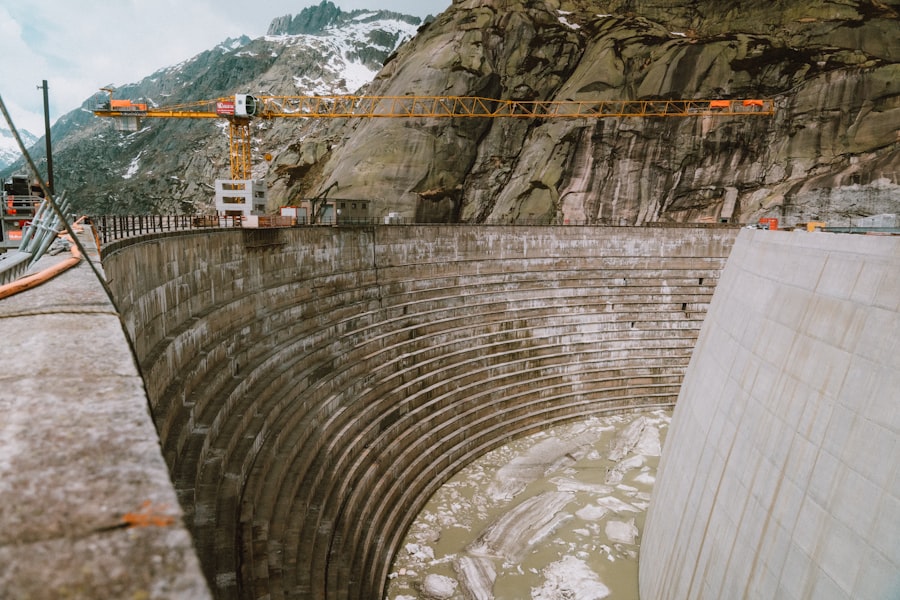
The government plays a pivotal role in ensuring dam safety through regulation, oversight, and funding for maintenance projects. Federal agencies such as the U.S. Army Corps of Engineers and the Federal Energy Regulatory Commission are responsible for establishing safety standards and conducting inspections on federally regulated dams.
These agencies work in conjunction with state governments to create a comprehensive framework for dam safety that includes guidelines for regular assessments and emergency preparedness plans. In addition to regulatory oversight, government funding is crucial for addressing the maintenance needs of aging dams. Many local governments struggle with limited budgets and may lack the resources necessary to conduct thorough inspections or implement repairs.
Federal grants and assistance programs can help alleviate some of these financial burdens, enabling communities to prioritize dam safety without compromising other essential services. By taking an active role in dam safety, government entities can help ensure that aging infrastructure is adequately maintained and that communities are protected from potential disasters.
Innovations in Dam Repair and Maintenance
| Innovation | Description | Benefits | Example Application |
|---|---|---|---|
| Self-Healing Concrete | Concrete embedded with bacteria or chemical agents that activate to fill cracks automatically. | Reduces maintenance frequency, extends dam lifespan, prevents water leakage. | Used in crack repair for concrete gravity dams. |
| Fiber Optic Sensors | Embedded sensors that monitor strain, temperature, and pressure in real-time. | Enables early detection of structural issues, improves safety monitoring. | Installed in dam walls for continuous structural health monitoring. |
| Robotic Inspection Systems | Automated drones and underwater robots for visual and ultrasonic inspection. | Accesses hard-to-reach areas, reduces human risk, increases inspection accuracy. | Underwater inspection of dam foundations and spillways. |
| Advanced Composite Materials | Use of carbon fiber and polymer composites for structural reinforcement. | Lightweight, corrosion-resistant, enhances structural strength without heavy construction. | Reinforcement of aging dam walls and gates. |
| Geopolymer Repair Mortars | Eco-friendly, fast-setting repair materials with high durability. | Reduces repair time, improves environmental sustainability. | Patch repairs on concrete surfaces exposed to water. |
| AI-Based Predictive Maintenance | Artificial intelligence algorithms analyze sensor data to predict failures. | Optimizes maintenance schedules, reduces unexpected downtime. | Predictive analytics for dam gate operation and leakage detection. |
Innovations in dam repair and maintenance are transforming how engineers approach the challenges posed by aging infrastructure. Advances in technology have led to the development of more effective materials and techniques for repairing dams. For instance, the use of fiber-reinforced polymers has gained popularity due to their lightweight properties and resistance to corrosion.
These materials can be applied to reinforce existing structures without adding significant weight or requiring extensive modifications. Additionally, the integration of monitoring technologies has revolutionized how dam safety is assessed.
This information allows engineers to identify potential issues before they become critical, enabling timely interventions that can prevent catastrophic failures. As these innovations continue to evolve, they offer promising solutions for extending the lifespan of aging dams while enhancing overall safety.
The Cost of Repairing Aging Dams
The financial implications of repairing aging dams are significant and often daunting for local governments and communities. The costs associated with inspections, maintenance, and repairs can quickly add up, leading many municipalities to struggle with budget constraints. In some cases, the expense of repairing a dam may exceed the available funding or resources, forcing communities to make difficult decisions about prioritizing safety versus other essential services.
Moreover, the cost of inaction can be even greater than that of proactive maintenance. A dam failure can result in catastrophic consequences that lead to loss of life, extensive property damage, and long-term economic repercussions for affected communities. Therefore, investing in the repair and maintenance of aging dams is not merely a financial consideration; it is a matter of public safety and community resilience.
By recognizing the long-term benefits of maintaining these structures, stakeholders can better allocate resources to ensure that aging dams remain safe and functional.
Environmental Considerations in Dam Repair
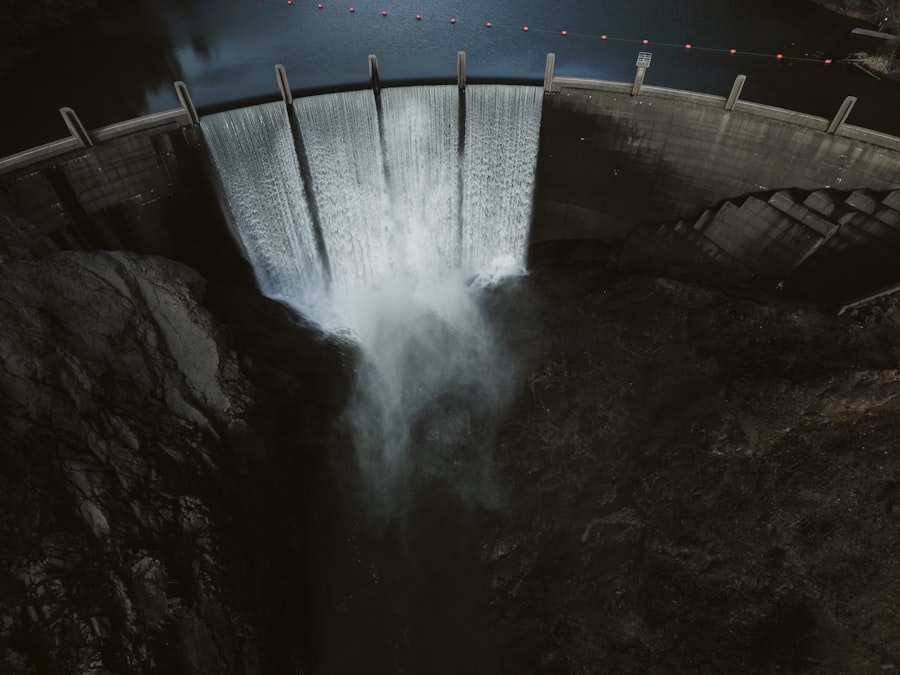
Environmental considerations play a crucial role in the repair and maintenance of aging dams. As awareness grows regarding the ecological impacts of damming rivers and altering natural water flows, engineers must balance the need for infrastructure safety with environmental stewardship. Repair projects often require careful planning to minimize disruption to local ecosystems and aquatic habitats.
For instance, sediment management is a key concern during dam repairs. Accumulated sediment can affect water quality and disrupt fish migration patterns. Engineers must develop strategies to address sediment buildup while ensuring that repair efforts do not further harm the environment.
Additionally, incorporating fish passage solutions into dam repairs can enhance ecological connectivity and support biodiversity in river systems. By prioritizing environmental considerations in dam repair projects, stakeholders can work towards sustainable solutions that benefit both infrastructure safety and ecological health.
Community Involvement in Dam Safety
Community involvement is essential for fostering a culture of safety around aging dams. Engaging local residents in discussions about dam safety can help raise awareness about potential risks and encourage proactive measures for maintenance and repair. Community members often possess valuable knowledge about their local environment and can provide insights into historical issues or concerns related to specific dams.
Furthermore, involving communities in decision-making processes regarding dam safety can lead to more effective solutions that reflect local needs and priorities. Public forums, workshops, and educational programs can empower residents to take an active role in advocating for necessary repairs or improvements. By fostering collaboration between government agencies, engineers, and community members, stakeholders can create a more comprehensive approach to dam safety that prioritizes both infrastructure integrity and public engagement.
The Impact of Climate Change on Dam Safety
Climate change poses significant challenges for dam safety as it alters precipitation patterns and increases the frequency of extreme weather events. Many aging dams were designed based on historical climate data that may no longer be relevant in today’s changing environment. As rainfall becomes more intense and unpredictable, the risk of overtopping or structural failure increases significantly.
Moreover, rising temperatures can lead to changes in snowmelt patterns, affecting reservoir levels and water management strategies. Engineers must adapt their approaches to account for these evolving conditions by incorporating climate resilience into dam design and maintenance plans. This may involve upgrading spillways to handle increased flow rates or implementing more sophisticated monitoring systems to track changing environmental conditions.
By acknowledging the impact of climate change on dam safety, stakeholders can better prepare for future challenges while ensuring that aging infrastructure remains reliable.
Best Practices for Inspecting Aging Dams
Implementing best practices for inspecting aging dams is vital for identifying potential issues before they escalate into serious problems. Regular inspections should be conducted by qualified professionals who are trained to recognize signs of deterioration or structural weaknesses. These inspections should follow established guidelines that outline specific criteria for assessing various components of a dam, including its foundation, spillways, and embankments.
In addition to visual inspections, employing advanced technologies such as drones or remote sensing can enhance assessment capabilities by providing detailed imagery and data on hard-to-reach areas.
By adhering to best practices for dam inspections, stakeholders can ensure that aging infrastructure is monitored effectively and that necessary maintenance is carried out promptly.
Public Safety and Aging Dams
Public safety remains at the forefront of discussions surrounding aging dams. The potential consequences of a dam failure extend beyond immediate physical damage; they encompass long-term impacts on community well-being and economic stability. As such, it is imperative that stakeholders prioritize public safety when making decisions about dam maintenance and repair.
Emergency preparedness plans are essential components of ensuring public safety in relation to aging dams. Communities should have clear protocols in place for responding to potential failures or emergencies related to dam operations. This includes establishing communication channels with residents about evacuation routes and safety measures during high-risk situations.
By fostering a culture of preparedness and awareness around dam safety issues, communities can better protect themselves from potential disasters associated with aging infrastructure.
The Future of Dam Safety in America
The future of dam safety in America hinges on a combination of proactive maintenance strategies, innovative technologies, community engagement, and adaptive management practices that account for climate change impacts. As awareness grows regarding the importance of maintaining aging infrastructure, there is an increasing push for investment in repair projects at both local and federal levels. Moreover, collaboration among government agencies, engineers, environmentalists, and community members will be crucial in shaping effective policies that prioritize public safety while addressing ecological concerns.
By embracing new technologies and methodologies for monitoring and repairing aging dams, stakeholders can work towards creating resilient infrastructure capable of withstanding future challenges. In conclusion, maintaining aging dams is not merely an engineering challenge; it is a societal imperative that requires collective action from all stakeholders involved. By recognizing the importance of proactive maintenance efforts while addressing associated risks through innovative solutions and community involvement initiatives, society can ensure that these vital structures continue to serve their intended purposes safely into the future.
To address the pressing issue of aging infrastructure in the United States, particularly concerning the repair and maintenance of dams, it’s essential to explore comprehensive strategies and solutions. A related article that delves into effective methods for fixing U.S. dams can be found here. This resource provides valuable insights into the challenges faced and the innovative approaches being implemented to ensure the safety and functionality of these critical structures.
WATCH THIS! The $50 Billion Lie: America’s Dams Are About to Fail (60-Minute Documentary)
FAQs
What are the common issues that require fixing US dams?
Common issues include structural damage, erosion, seepage, outdated design, sediment buildup, and mechanical failures in gates or spillways.
Who is responsible for maintaining and fixing US dams?
Dam owners are responsible for maintenance and repairs. This can include federal, state, or local government agencies, private companies, or public utilities.
What steps are involved in fixing a dam?
Fixing a dam typically involves inspection, assessment of damage, engineering design for repairs, securing funding, obtaining permits, and carrying out construction or rehabilitation work.
How are safety inspections conducted on US dams?
Safety inspections are performed by qualified engineers who assess the dam’s structural integrity, mechanical components, and potential risks. Inspections may be routine or triggered by specific events like heavy rainfall or earthquakes.
What technologies are used to repair or reinforce dams?
Technologies include concrete repair, grouting to seal leaks, installation of new spillways or gates, erosion control measures, and modern monitoring systems for early detection of issues.
Are there federal programs that support dam repairs?
Yes, programs like the US Army Corps of Engineers Dam Safety Program and grants from the Federal Emergency Management Agency (FEMA) provide support for dam safety improvements.
How long does it typically take to fix a dam?
The duration varies widely depending on the extent of damage, size of the dam, environmental considerations, and funding availability. Repairs can take from several months to multiple years.
What are the risks of not fixing a dam promptly?
Failure to repair a dam can lead to structural failure, flooding, loss of life, property damage, environmental harm, and disruption of water supply or hydroelectric power generation.
Can the public access information about dam safety and repairs?
Yes, many states and federal agencies provide public access to dam safety reports, inspection results, and repair plans to ensure transparency and community awareness.
What role does environmental impact play in fixing dams?
Environmental assessments are required to evaluate the impact of repair work on local ecosystems, water quality, and wildlife, ensuring that mitigation measures are implemented as needed.