The vast continent of Africa, a land brimming with untapped potential for renewable energy, faces a peculiar paradox. Despite possessing abundant sunshine, wind, and geothermal resources, its transition towards sustainable power generation is often a sluggish climb, hampered by a series of intricate obstacles. These “chokepoints,” as they can be aptly described, act as bottlenecks, constricting the flow of clean energy and preventing its full realization. Understanding these impediments is paramount to charting a course towards a more electrified and sustainable future for Africa.
The most glaring chokepoint lies in the underdeveloped state of Africa’s energy infrastructure. While sunlight may be abundant, the ability to capture, transmit, and distribute that harnessed energy to where it is needed most is severely limited. This is akin to having a bountiful harvest but lacking robust transportation networks to get the produce to market.
Outdated and Insufficient Grid Networks
The existing electricity grids across many African nations are often antiquated, characterized by a lack of capacity, extensive transmission losses, and a limited reach. This means that even when renewable energy projects are successfully developed at the source, delivering that power to urban centers or industrial zones becomes a significant challenge. The electricity effectively dissipates like water leaking from a sieve before it can quench the thirst of demand. For isolated rural communities, the grid is often a distant dream, forcing a reliance on less sustainable and more expensive off-grid solutions.
Lack of Interconnectivity Between National Grids
A lack of robust interconnection between national power grids further exacerbates the problem. While neighboring countries might possess surplus renewable energy from one resource while facing deficits in another, the absence of strong cross-border transmission lines prevents the efficient sharing of this energy. This isolation creates pockets of energy scarcity and abundance, rather than fostering a continent-wide system of energy resilience. It is as if each region is an island with its own limited resources, unable to collectively leverage the strengths of its neighbors.
Inadequate Storage Solutions
Renewable energy sources, particularly solar and wind, are inherently intermittent. The sun does not always shine, and the wind does not always blow. Consequently, effective energy storage solutions are crucial to ensure a consistent and reliable power supply. However, the development and deployment of large-scale battery storage or other innovative storage technologies remain a significant chokepoint in Africa. Without adequate storage, the full potential of intermittent renewables cannot be harnessed, leading to situations where excess energy is generated but cannot be utilized during peak demand periods, and power is lost when supply dips below demand. This leaves the grid vulnerable to fluctuations, akin to a ship without ballast, susceptible to the whims of the weather.
In exploring the challenges and opportunities of renewable energy in Africa, a pertinent article can be found at MyGeoQuest, which discusses the various chokepoints that hinder the development and implementation of sustainable energy solutions across the continent. This resource delves into the infrastructural, political, and economic barriers that must be addressed to unlock Africa’s vast renewable energy potential, making it a valuable read for anyone interested in the future of energy in the region.
Policy and Regulatory Hurdles: The Labyrinth of Bureaucracy
Beyond the physical infrastructure, a complex web of policy and regulatory challenges acts as a formidable chokepoint. Navigating these bureaucratic labyrinths can be a daunting task for investors and developers alike, often leading to delays and discouraging investment. These are not always the result of malice, but often stem from a lack of clarity, inconsistencies, or outdated frameworks.
Inconsistent and Unpredictable Regulatory Frameworks
The absence of stable and predictable regulatory frameworks is a major deterrent to investment in renewable energy projects. Frequent changes in policies, tariff structures, or licensing requirements create an environment of uncertainty, making it difficult for businesses to plan long-term and secure financing. Investors are naturally risk-averse, and a constantly shifting regulatory landscape feels like building a castle on shifting sands. This lack of predictability can stall projects before they even break ground.
Complex and Lengthy Permitting Processes
Obtaining the necessary permits and approvals for renewable energy projects in many African countries can be an arduous and time-consuming process. The multiplicity of agencies involved, overlapping jurisdictions, and a lack of streamlined procedures can lead to significant delays, increasing project costs and driving away potential investors. This bureaucratic purgatory can drain the energy and financial resources of even the most determined developers.
Inadequate Power Purchase Agreements (PPAs)
The terms and conditions offered in Power Purchase Agreements (PPAs) are critical for the financial viability of renewable energy projects. In some African contexts, PPAs may be unattractive due to unfavorable pricing, short tenures, or a lack of robust off-taker guarantees. This can make it challenging for renewable energy developers to secure the long-term revenue streams necessary to recoup their investments and attract financing. The PPA is the lifeblood of a renewable energy project; if it is anemic, the project is unlikely to survive.
Subsidy Policies for Fossil Fuels
In some instances, existing subsidies for fossil fuels can create an uneven playing field, making it more difficult for renewable energy to compete on price. While the intention of subsidies may be to ensure energy affordability, they can inadvertently hinder the growth of cleaner alternatives. This amounts to supporting a well-trodden path while the path less traveled, though potentially more rewarding in the long run, remains overgrown and uninviting.
Financial and Investment Barriers: The Elusive Flow of Capital
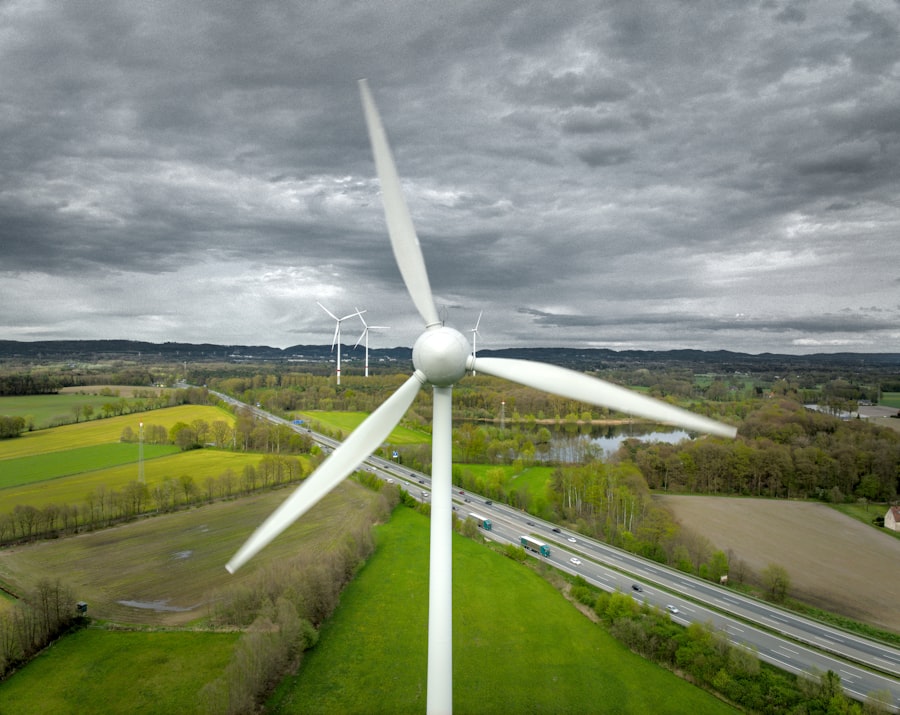
The absence of adequate and accessible financing is arguably one of the most significant chokepoints for renewable energy development in Africa. While the continent possesses immense potential, translating this potential into tangible projects requires substantial capital, which is often scarce or difficult to access.
Limited Access to Concessional Financing and Investment
Developing countries, including many in Africa, often require concessional financing – loans or grants offered on favorable terms – to make renewable energy projects economically viable. However, the availability of such financing is often limited and highly competitive. International climate funds, development banks, and private equity firms play a crucial role, but their resources are not inexhaustible and competition for them is fierce.
High Cost of Capital and Perceived Risk
Renewable energy projects in Africa are often perceived as carrying a higher risk compared to similar projects in more developed economies. This perceived risk, stemming from political instability, currency fluctuations, regulatory uncertainty, and infrastructure challenges, leads to a higher cost of capital. Lenders and investors demand higher returns to compensate for these risks, making renewable energy projects more expensive and less competitive. This creates a vicious cycle where perceived risk deters investment, which in turn perpetuates the risk.
Lack of Local Financial Instruments and Capacity
The local financial markets in many African countries are not yet sufficiently developed to support large-scale renewable energy investments. There is often a scarcity of local banks with the expertise and capacity to appraise and finance complex renewable energy projects. The development of robust local capital markets, bond markets, and specialized financial instruments tailored to the needs of the renewable energy sector is crucial for unlocking domestic investment.
Currency Volatility and Exchange Rate Risks
Currency volatility presents a significant challenge for international investors. Projects often require equipment imported from overseas, denominated in foreign currency, while revenues are generated in local currency. Fluctuations in exchange rates can drastically impact the profitability and financial viability of a project, making long-term revenue projections highly uncertain. This is like trying to build a seaworthy vessel when the tide is constantly pulling in unpredictable directions.
Technical and Human Capital Constraints: The Skill Gap in the Engine Room
Even with the right policies and financing, the successful implementation and operation of renewable energy projects depend heavily on the availability of skilled personnel and appropriate technical expertise. This “human capital” chokepoint can significantly impede progress.
Shortage of Skilled Engineers and Technicians
The rapid growth of the renewable energy sector demands a skilled workforce of engineers, technicians, and project managers. However, there is often a significant shortage of such qualified professionals across the continent. Educational institutions may not be adequately equipped to train the workforce needed for emerging technologies, and existing skilled individuals may be attracted to opportunities in other sectors or countries. This lack of a skilled workforce is like trying to build a magnificent edifice with insufficient skilled artisans.
Limited Local Manufacturing Capacity for Renewable Energy Components
A reliance on imported components for renewable energy projects, such as solar panels, wind turbines, and inverters, can lead to higher costs, supply chain vulnerabilities, and a missed opportunity for local economic development. The development of local manufacturing capacity for these components, while a long-term goal, is currently a significant chokepoint. This would involve establishing industrial ecosystems that can support the production of renewable energy technologies.
Challenges in Operation and Maintenance (O&M)
Ensuring the long-term efficiency and reliability of renewable energy installations requires robust operation and maintenance (O&M) capabilities. However, in many regions, the availability of skilled O&M personnel and the necessary spare parts can be limited, leading to underperforming assets and premature degradation of equipment. This is akin to having a state-of-the-art machine but lacking the mechanics to keep it running smoothly.
As Africa continues to explore its vast potential for renewable energy, understanding the various chokepoints that hinder progress is crucial. A recent article highlights the challenges faced by the continent in harnessing its abundant resources effectively. For a deeper insight into these issues, you can read more about it in this informative piece on renewable energy chokepoints in Africa. The article provides a comprehensive overview of the infrastructure, investment, and policy barriers that need to be addressed to unlock sustainable energy solutions. To learn more, visit this link.
Social and Environmental Considerations: Navigating the Human Landscape
| Chokepoint | Description | Impact on Renewable Energy Development | Regions Most Affected | Potential Solutions |
|---|---|---|---|---|
| Grid Infrastructure Deficiency | Limited and outdated electricity grid infrastructure unable to handle renewable energy inputs. | Restricts integration of renewable energy sources, causing energy losses and limiting capacity expansion. | Sub-Saharan Africa, East Africa | Investment in grid modernization, smart grids, and decentralized energy systems. |
| Financing Constraints | Limited access to affordable capital and investment for renewable energy projects. | Delays project development and reduces scale of renewable energy deployment. | All African regions, especially low-income countries | International funding, public-private partnerships, and innovative financing models. |
| Regulatory and Policy Barriers | Inconsistent policies, lack of clear regulations, and bureaucratic hurdles. | Creates uncertainty for investors and slows down project approvals. | North Africa, West Africa | Establish clear renewable energy policies, streamline permitting processes. |
| Technical Skills Shortage | Insufficient local expertise in renewable energy technologies and maintenance. | Impacts quality, efficiency, and sustainability of renewable energy projects. | Rural and remote areas across Africa | Capacity building, vocational training, and knowledge transfer programs. |
| Supply Chain Limitations | Dependence on imported equipment and lack of local manufacturing. | Increases costs and causes delays in project implementation. | All regions, especially landlocked countries | Develop local manufacturing, improve logistics and transport infrastructure. |
Beyond the technical and economic aspects, social and environmental considerations can also act as chokepoints, requiring careful management and stakeholder engagement.
Land Acquisition and Community Engagement
The development of large-scale renewable energy projects, particularly solar farms and wind parks, often requires significant land acquisition. Navigating land ownership issues, ensuring fair compensation for affected communities, and securing social license to operate can be complex and time-consuming. A lack of effective community engagement can lead to local opposition and project delays. This involves ensuring that the project benefits the local populace, not just the developers.
Environmental Impact Assessments and Permitting
While renewable energy is inherently environmentally beneficial, the development process itself can have localized environmental impacts. Thorough environmental impact assessments (EIAs) and the subsequent permitting processes need to be effectively managed to ensure that projects are developed responsibly and sustainably, minimizing any negative ecological footprints. This is about ensuring that the pursuit of clean energy does not inadvertently
FAQs
What are renewable energy chokepoints in Africa?
Renewable energy chokepoints in Africa refer to the critical barriers or constraints that hinder the development, deployment, and efficient use of renewable energy resources across the continent. These can include infrastructure limitations, regulatory challenges, financing issues, and technical capacity gaps.
Why is addressing renewable energy chokepoints important for Africa?
Addressing these chokepoints is crucial because Africa has vast renewable energy potential, including solar, wind, hydro, and geothermal resources. Overcoming barriers can accelerate energy access, support economic growth, reduce reliance on fossil fuels, and help mitigate climate change impacts.
What are some common infrastructure challenges affecting renewable energy in Africa?
Common infrastructure challenges include inadequate grid capacity, lack of transmission and distribution networks, limited energy storage solutions, and insufficient maintenance capabilities. These issues can restrict the integration of renewable energy into national grids and limit energy reliability.
How do financing and investment impact renewable energy projects in Africa?
Financing is a major chokepoint because many renewable energy projects require significant upfront capital. Limited access to affordable financing, high perceived risks, and underdeveloped financial markets can delay or prevent project implementation.
What role do government policies play in overcoming renewable energy chokepoints?
Government policies are critical in creating an enabling environment for renewable energy development. Clear regulations, supportive incentives, streamlined permitting processes, and long-term energy planning can help reduce barriers and attract investment in renewable energy projects.