
Refinery delays and disruptions in crude oil supply have become increasingly prevalent in the global energy landscape. These interruptions can stem from a variety of factors, including natural disasters, geopolitical tensions, and technical malfunctions. As refineries play a crucial role in converting crude oil into usable products, any disruption in their operations can have far-reaching consequences.
The complexity of the oil supply chain means that even minor delays can ripple through the market, affecting everything from gasoline prices to international relations. The significance of understanding refinery delays cannot be overstated. As the world becomes more interconnected, the implications of these disruptions extend beyond local economies to impact global markets.
The volatility in crude oil supply can lead to price fluctuations that affect consumers and industries alike. Therefore, it is essential to explore the various dimensions of refinery delays and their broader implications on the economy and environment.
Key Takeaways
- Refinery delays and crude oil supply disruptions significantly impact global oil prices and economic stability.
- Causes of delays include technical issues, natural disasters, and geopolitical tensions affecting supply chains.
- These disruptions lead to higher gasoline and diesel prices, affecting consumers and industries worldwide.
- Environmental concerns arise from refinery inefficiencies and emergency measures during delays.
- Strategies to manage disruptions focus on technology adoption, government policies, and diversifying energy sources for resilience.
Impact on Crude Oil Prices and the Global Economy
The impact of refinery delays on crude oil prices is profound and multifaceted. When refineries are unable to process crude oil efficiently, the supply of refined products diminishes, leading to an increase in prices. This price surge can create a domino effect throughout the global economy, as higher fuel costs translate into increased transportation expenses, which in turn affect the prices of goods and services.
Consequently, consumers may find themselves paying more at the pump and for everyday items, leading to inflationary pressures. Moreover, the fluctuations in crude oil prices can destabilize economies that are heavily reliant on oil exports. Countries that depend on oil revenue for their economic stability may face budgetary constraints when prices rise or fall unexpectedly due to refinery disruptions.
This volatility can lead to economic uncertainty, affecting investment decisions and overall economic growth. As such, understanding the intricate relationship between refinery operations and crude oil pricing is essential for policymakers and industry stakeholders alike.
Causes of Refinery Delays and Disruptions in Crude Oil Supply
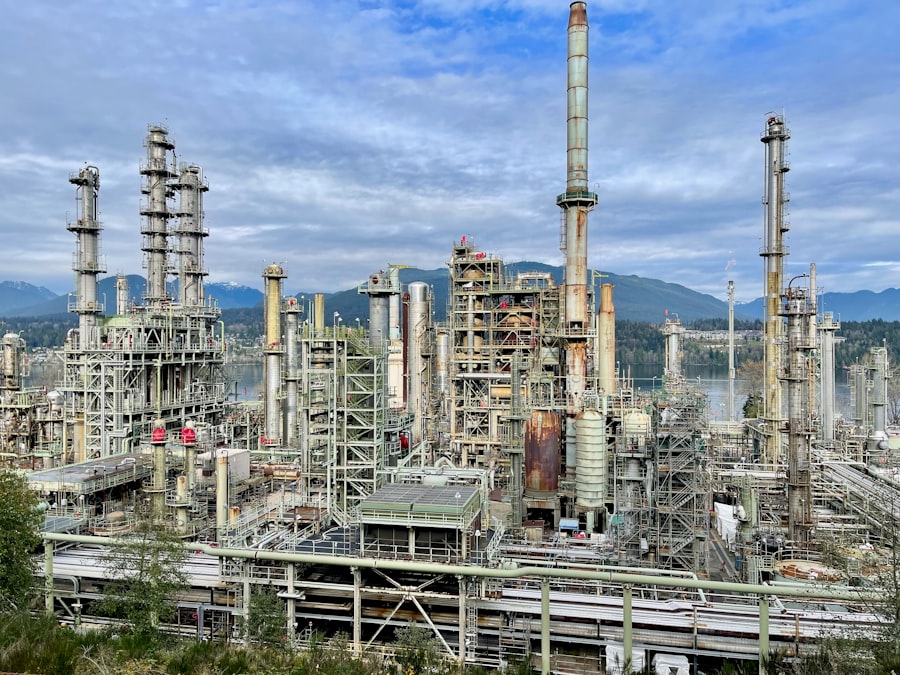
Refinery delays can arise from a myriad of causes, each with its own set of implications. Natural disasters, such as hurricanes or earthquakes, can severely damage refinery infrastructure, leading to prolonged shutdowns. For instance, hurricanes that strike coastal regions often disrupt not only refinery operations but also the transportation of crude oil to these facilities.
Such events highlight the vulnerability of refineries to environmental factors and underscore the need for robust disaster preparedness strategies. In addition to natural disasters, geopolitical tensions can also lead to disruptions in crude oil supply. Political instability in oil-producing regions can result in supply chain interruptions, affecting the availability of crude oil for refineries.
Furthermore, technical malfunctions within refineries themselves can lead to unexpected shutdowns or slowdowns in production. Aging infrastructure and insufficient maintenance practices can exacerbate these issues, making it imperative for refinery operators to invest in modernization and regular upkeep.
Effect on Gasoline and Diesel Prices
The repercussions of refinery delays extend directly to gasoline and diesel prices, which are often the most visible indicators of disruptions in crude oil supply. When refineries are unable to operate at full capacity, the supply of gasoline and diesel diminishes, leading to higher prices at the pump. This increase can be particularly pronounced during peak travel seasons or when demand surges unexpectedly, as consumers scramble to fill their tanks.
Moreover, the impact on fuel prices is not uniform across regions. Areas that are more reliant on specific refineries may experience sharper price increases than others with more diversified supply sources. This regional disparity can create challenges for consumers and businesses alike, as transportation costs rise unevenly across different markets.
As a result, understanding the dynamics of refinery operations is crucial for anticipating changes in fuel prices and their subsequent effects on consumer behavior.
Environmental Concerns and Consequences of Refinery Delays
| Refinery Name | Location | Average Crude Oil Delay (hours) | Monthly Delay Incidents | Primary Cause of Delay | Capacity (barrels per day) |
|---|---|---|---|---|---|
| Sunrise Refinery | Texas, USA | 12 | 5 | Pipeline Maintenance | 250,000 |
| Harborview Refinery | California, USA | 8 | 3 | Weather Disruptions | 180,000 |
| Eastgate Refinery | Louisiana, USA | 15 | 7 | Equipment Failure | 300,000 |
| Northpoint Refinery | Alberta, Canada | 10 | 4 | Logistical Issues | 220,000 |
| Bayfront Refinery | New Jersey, USA | 9 | 2 | Regulatory Inspections | 200,000 |
Environmental concerns are an integral aspect of discussions surrounding refinery delays and disruptions in crude oil supply. When refineries are forced to shut down or operate at reduced capacity, there may be unintended environmental consequences. For instance, during emergency shutdowns, refineries may release pollutants into the atmosphere or waterways as they attempt to manage operational challenges.
Such incidents can have detrimental effects on local ecosystems and public health. Additionally, prolonged refinery delays can lead to increased reliance on alternative energy sources or less environmentally friendly fuels. As consumers seek substitutes for gasoline or diesel during periods of high prices or shortages, there may be a shift toward fuels that have a larger carbon footprint.
This shift not only undermines efforts to combat climate change but also raises questions about energy sustainability in the long term. Therefore, addressing environmental concerns associated with refinery disruptions is essential for fostering a more sustainable energy future.
Strategies for Managing Crude Oil Disruptions
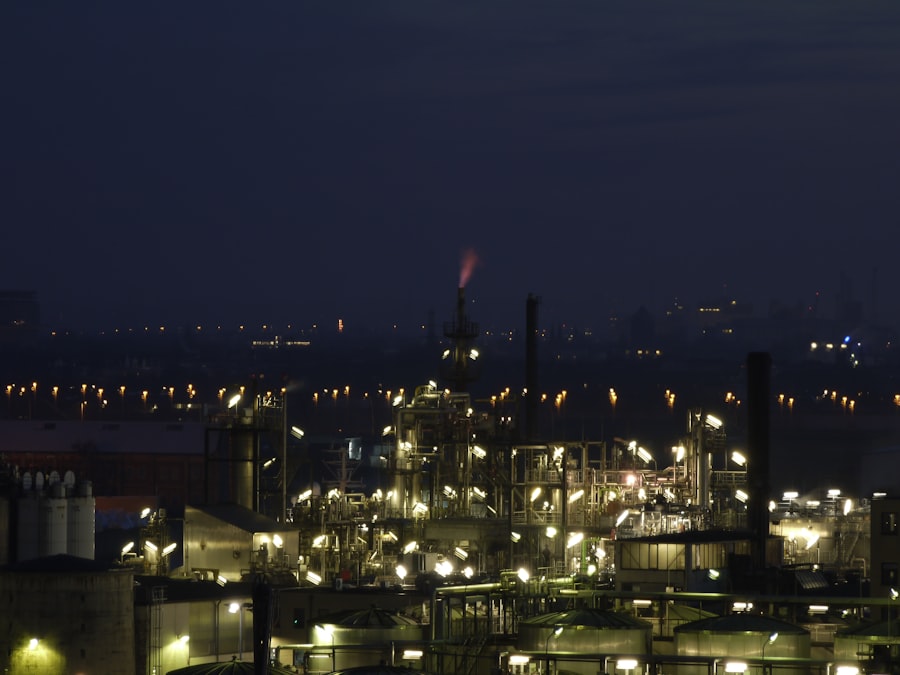
To effectively manage crude oil disruptions caused by refinery delays, industry stakeholders must adopt a multifaceted approach. One key strategy involves enhancing communication and collaboration among various players in the supply chain. By sharing information about potential disruptions and coordinating responses, stakeholders can mitigate the impact of delays on overall supply levels.
Another important strategy is investing in infrastructure resilience. Upgrading aging refinery facilities and implementing advanced technologies can help minimize downtime during unexpected events. Additionally, diversifying supply sources can reduce dependence on specific refineries or regions, thereby enhancing overall supply chain stability.
By adopting these strategies, stakeholders can better navigate the complexities of crude oil disruptions and ensure a more reliable energy supply.
Government Response and Policies to Address Refinery Delays
Governments play a critical role in addressing refinery delays and their associated challenges. Policymakers must develop comprehensive strategies that encompass both immediate responses to disruptions and long-term planning for energy security. This may involve creating regulatory frameworks that incentivize investment in refinery infrastructure or providing support for research into alternative energy sources.
Furthermore, governments can facilitate collaboration between public and private sectors to enhance resilience within the energy supply chain. By fostering partnerships among refineries, transportation companies, and emergency response agencies, governments can ensure a coordinated approach to managing disruptions. Ultimately, effective government policies are essential for safeguarding energy security and minimizing the economic impact of refinery delays.
Role of Technology in Mitigating Crude Oil Disruptions
Technology has emerged as a vital tool in mitigating the effects of crude oil disruptions caused by refinery delays. Advanced monitoring systems enable real-time tracking of refinery operations, allowing operators to identify potential issues before they escalate into significant problems. Predictive analytics can also play a crucial role in forecasting demand fluctuations and optimizing production schedules accordingly.
Moreover, innovations in automation and artificial intelligence can enhance operational efficiency within refineries. By streamlining processes and reducing human error, these technologies can help minimize downtime during critical periods. As the energy landscape continues to evolve, embracing technological advancements will be essential for ensuring that refineries remain resilient in the face of disruptions.
Importance of Diversifying Energy Sources in the Face of Refinery Delays
In light of ongoing refinery delays and crude oil disruptions, diversifying energy sources has become increasingly important for ensuring energy security. Relying solely on traditional fossil fuels exposes economies to significant risks during periods of supply chain instability. By investing in renewable energy sources such as solar, wind, and biofuels, countries can reduce their dependence on crude oil and enhance their overall energy resilience.
Furthermore, diversifying energy sources not only mitigates risks associated with refinery delays but also aligns with global efforts to combat climate change. Transitioning toward cleaner energy alternatives can help reduce greenhouse gas emissions while promoting sustainable economic growth. As nations grapple with the challenges posed by refinery disruptions, embracing a diversified energy portfolio will be crucial for fostering long-term stability.
Future Outlook for Refinery Delays and Crude Oil Disruptions
The future outlook for refinery delays and crude oil disruptions remains uncertain as various factors continue to shape the global energy landscape.
Additionally, geopolitical tensions may continue to pose risks to crude oil supply chains as nations navigate complex international relations.
The ongoing transition toward cleaner energy alternatives may reduce reliance on traditional refineries over time, ultimately leading to a more resilient energy system. As stakeholders adapt to these evolving dynamics, proactive measures will be essential for minimizing the impact of future refinery delays on global markets.
Conclusion and Recommendations for Addressing Refinery Delays
In conclusion, addressing refinery delays and crude oil disruptions requires a comprehensive understanding of their causes and consequences. The interplay between refinery operations and global markets underscores the need for effective strategies that encompass technological innovation, government policies, and diversification of energy sources. Stakeholders must prioritize collaboration across sectors to enhance resilience within the energy supply chain.
To mitigate the impact of future disruptions, it is recommended that industry players invest in modernizing infrastructure while embracing advanced technologies that improve operational efficiency. Additionally, governments should develop policies that support research into alternative energy sources while fostering partnerships among key stakeholders. By taking these proactive steps, society can better navigate the complexities of refinery delays and ensure a more stable energy future for all.
Recent delays in crude oil processing at refineries have raised concerns about supply chain disruptions and potential impacts on fuel prices. For a deeper understanding of the factors contributing to these delays, you can read the related article on this topic at this link. The article provides insights into the operational challenges faced by refineries and the broader implications for the energy market.
WATCH THIS 🌍 The $3 Trillion Throttle: Who Controls the World’s Supply Chain?
FAQs
What causes delays in crude oil processing at refineries?
Delays in crude oil processing at refineries can be caused by equipment malfunctions, maintenance shutdowns, supply chain disruptions, labor shortages, or unexpected demand fluctuations.
How do crude oil delays impact refinery operations?
Crude oil delays can lead to reduced production capacity, increased operational costs, inventory shortages, and potential disruptions in the supply of refined petroleum products.
What are common signs of refinery crude oil delays?
Common signs include slower throughput rates, increased backlog of crude oil shipments, extended maintenance periods, and announcements from refinery operators about operational challenges.
How do refineries manage crude oil delays?
Refineries may manage delays by adjusting production schedules, sourcing crude oil from alternative suppliers, performing preventive maintenance, and optimizing logistics and inventory management.
Can crude oil delays affect fuel prices?
Yes, delays in crude oil processing can reduce the supply of refined products, potentially leading to higher fuel prices due to supply-demand imbalances.
Are crude oil delays common in the refining industry?
While refineries strive for continuous operation, delays can occur periodically due to technical issues, weather events, or market conditions, making them a relatively common challenge in the industry.
What role does crude oil quality play in refinery delays?
Variations in crude oil quality can affect processing efficiency and may require adjustments in refinery operations, potentially causing delays if the crude is more difficult to process.
How do global events influence refinery crude oil delays?
Global events such as geopolitical tensions, natural disasters, or pandemics can disrupt crude oil supply chains and refinery operations, leading to delays in processing.