
Reducing China’s Desert Solar Panel Washing Costs
The vast expanses of China’s deserts, while holding immense potential for solar energy generation, present a unique set of operational challenges. Among these, the regular soiling of solar panels by dust and sand significantly impacts energy output and, consequently, the economic viability of these installations. The necessity of frequent and effective cleaning is thus paramount. However, the sheer scale of desert solar farms, coupled with the harsh environmental conditions, makes the process of washing solar panels a substantial cost factor. This article will delve into the multifaceted strategies and considerations involved in reducing these operational expenses, examining the technological, logistical, and economic dimensions of efficient solar panel cleaning in China’s arid regions.
The Nature and Impact of Dust and Sand on Solar Panels
Desert environments are characterized by predominantly sandy and dusty soil. Wind erosion is a constant force, carrying fine particles that readily adhere to the smooth surfaces of solar panels. The composition of this particulate matter can vary, but typically includes silica, clay, and organic matter. These particles, upon settling on the photovoltaic cells, create a physical obstruction that blocks incoming sunlight. Even a thin layer of dust can lead to a measurable decrease in the amount of light reaching the semiconductor material, directly translating to reduced electricity production.
Quantifying Soiling Losses and Their Economic Repercussions
The economic impact of soiling is not a negligible concern. Studies conducted on solar farms in arid and semi-arid regions consistently show significant reductions in energy yield due to dust accumulation. Seasonal variations in wind patterns and rainfall (or lack thereof) can exacerbate these losses. For instance, prolonged dry spells, common in desert climates, allow dust to build up unchecked, leading to higher soiling ratios. The cumulative effect over the lifespan of a solar farm can represent millions of dollars in lost revenue. Therefore, any effective cost reduction strategy must first accurately quantify these losses to justify the investment in cleaning solutions. This involves regular monitoring of panel performance and correlating output dips with soiling levels.
Factors Influencing Soiling Rates
The rate at which solar panels become soiled in desert environments is influenced by a complex interplay of factors.
Wind Speed and Direction
Higher wind speeds can both deposit and redistribute dust. While strong winds can sometimes blow away accumulated dust, they also carry more particles in the first place, leading to a net increase in soiling. Prevailing wind direction is also crucial, as it determines the primary source of dust and the optimal placement of cleaning resources.
Humidity and Dew Formation
Contrary to intuition, humidity and dew can also contribute to soiling. When dust particles settle on a surface and are then exposed to moisture, they can adhere more firmly due to the formation of a slight electrostatic charge or the creation of a weak binding film. This makes dry cleaning methods less effective.
Seasonal Weather Patterns
Desert climates often exhibit distinct seasonal patterns. Pre-monsoon or dry seasons can see intensified dust storms, while occasional rain, though infrequent, can temporarily wash panels, offering a natural cleaning service. Understanding these cycles is vital for planning proactive cleaning schedules.
Panel Orientation and Tilt Angle
While not as dominant as environmental factors, the tilt angle of solar panels can influence how effectively they shed dust. Steeper angles might facilitate gravitational runoff during rare rain events, but they also present larger surfaces for direct dust deposition.
In recent discussions about the cost-effectiveness of solar energy in arid regions, an insightful article on the economic implications of solar panel washing in desert environments can be found at MyGeoQuest. This article delves into the challenges and solutions associated with maintaining solar panels in dusty conditions, highlighting how regular cleaning can significantly enhance energy output and overall efficiency. As China continues to expand its solar infrastructure in desert areas, understanding these maintenance costs becomes crucial for maximizing investment returns.
Innovations in Automated and Robotic Cleaning Systems
The labor-intensive nature of manual cleaning is a significant cost driver in large-scale desert solar farms. Consequently, the development and deployment of automated and robotic cleaning systems represent a critical avenue for cost reduction.
Advantages of Robotic Cleaning in Large-Scale Installations
Robotic cleaning offers several distinct advantages over manual methods, especially in the context of vast desert solar farms.
Reduced Labor Costs and Increased Efficiency
The most apparent benefit is the drastic reduction in labor requirements. Instead of a large crew of human workers, a few technicians can oversee and maintain a fleet of cleaning robots. This not only lowers wages but also reduces associated costs like accommodation, transportation, and safety training, which are particularly high in remote desert locations. Robots can operate for extended periods, unaffected by fatigue, and can be deployed at any time, optimizing cleaning schedules irrespective of human availability.
Enhanced Safety and Working Conditions
Working in desert environments poses significant risks to human health, including heatstroke, dehydration, and exposure to sandstorms. Robotic systems eliminate these dangers by removing human workers from the most hazardous conditions. This improved safety record can also lead to lower insurance premiums.
Consistent and Optimized Cleaning Performance
Robots can be programmed to follow precise cleaning paths and apply consistent pressure and cleaning solutions, ensuring a uniform level of cleanliness across the entire array. This consistency leads to more predictable energy output gains after cleaning. Furthermore, advanced robots can be equipped with sensors to detect soiling levels, allowing for targeted cleaning only where and when it is most needed, thereby optimizing resource usage.
types of Robotic Cleaning Technologies
A range of robotic cleaning technologies are emerging, each with its own strengths and weaknesses.
Dry Brushing Robots
These robots utilize rotating brushes to dislodge dust and sand from the panel surface. They are most effective for drier, looser dust and in situations where water usage is a concern.
- Mechanism of Operation: Typically, these robots move across the surface of the solar panels, using motorized brushes that spin at high speeds. The brushes are usually made of soft, non-abrasive materials to prevent scratching the panel’s protective coating.
- Advantages: Waterless cleaning, which is a major advantage in water-scarce desert regions. Lower operational complexity and potentially lower initial investment compared to water-based systems.
- Limitations: Less effective against adhered or caked-on dust, especially when moisture is present. May not achieve the same level of cleanliness as wet methods. Potential for brush wear and replacement costs.
Water-Based Cleaning Robots
These systems employ water (often with a cleaning agent) and brushes or high-pressure jets to remove contaminants.
- Mechanism of Operation: These robots typically spray water or a cleaning solution onto the panels, followed by mechanical scrubbing with brushes or squeegees. Some may use high-pressure water jets to dislodge stubborn dirt.
- Advantages: Generally achieve a higher degree of cleanliness, especially for stubborn or adhered soiling.
- Limitations: Require a substantial water supply and potentially a wastewater collection and treatment system, which can be logistically challenging and costly in deserts. Risk of water-based corrosion or mineral deposits if water quality is poor.
Hybrid Systems
Some advanced systems combine dry brushing with occasional water-based cleaning, or use electrostatic methods to attract and remove dust.
- Mechanism of Operation: These systems aim to leverage the benefits of both dry and wet cleaning. For instance, a robot might use brushes for daily cleaning and then deploy a fine mist of water for a more thorough wash periodically. Electrostatic cleaning involves charging the dust particles and the panel surface to create a repelling or attracting force, aiding in dust removal.
- Advantages: Greater versatility in handling different types of soiling. Potential for optimized water usage.
- Limitations: Increased mechanical complexity and potentially higher maintenance costs.
Factors for Selecting and Implementing Robotic Cleaning Systems
The successful implementation of robotic cleaning hinges on careful consideration of several factors.
Water Availability and Management
This is arguably the most critical consideration for water-based systems.
- Water Sourcing: Identifying reliable and cost-effective water sources, whether through dedicated pipelines, water trucking, or recycling existing water.
- Water Treatment: Ensuring the quality of water used to prevent mineral buildup on panels. This may involve desalination or filtration systems.
- Wastewater Management: Developing plans for collecting, treating, or safely disposing of wastewater, especially in environmentally sensitive desert areas.
Terrain and Site Specificity
The topography of the solar farm can significantly impact robot performance.
- Flat vs. Undulating Terrain: Robots designed for flat surfaces may struggle on uneven ground.
- Obstacle Avoidance: Systems must be able to navigate around mounting structures and other site features.
- Weather Resilience: Robots must be able to withstand extreme temperatures, sandstorms, and other harsh desert conditions.
Maintenance and Repair Infrastructure
The remote location of desert solar farms necessitates a robust maintenance plan.
- On-site Spare Parts: Ensuring a sufficient stock of critical spare parts to minimize downtime.
- Skilled Technicians: Having trained personnel capable of diagnosing and repairing robotic systems.
- Remote Diagnostics: Utilizing telematics and diagnostic tools to monitor robot health and identify issues remotely.
Cost-Benefit Analysis
A thorough financial assessment is crucial to justify the investment.
- Initial Capital Expenditure vs. Ongoing Operational Costs: Balancing the upfront cost of robots with potential long-term savings.
- Projected Energy Yield Increase: Quantifying the economic benefits derived from improved panel cleanliness.
- Return on Investment (ROI) Period: Determining the timeframe for recouping the initial investment.
Optimizing Water Usage and Management for Cleaning
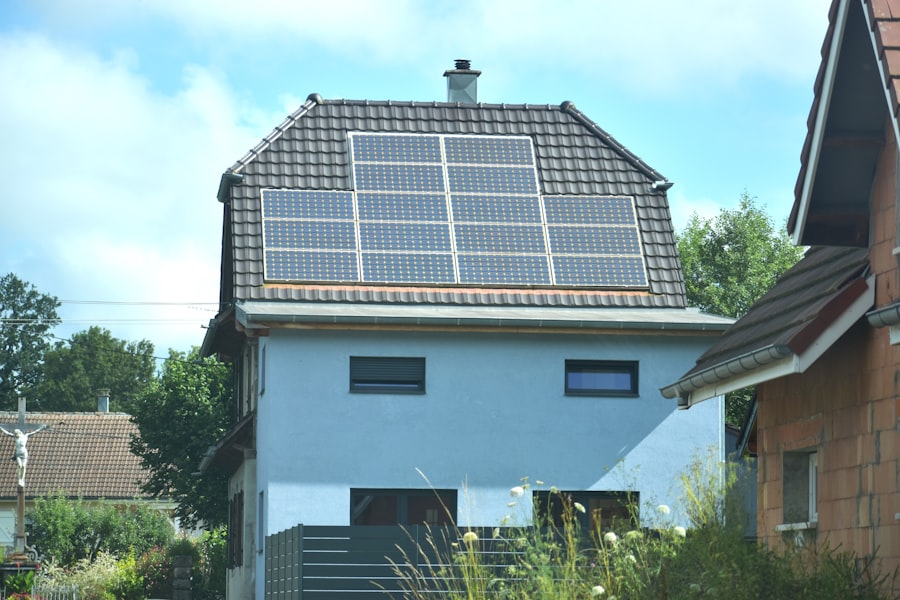
Water scarcity is a defining characteristic of desert environments, making water-efficient cleaning strategies an imperative for cost reduction and environmental sustainability.
Innovative Water-Saving Cleaning Techniques
Beyond simply using less water, there are advanced techniques to maximize cleaning efficacy with minimal water consumption.
High-Pressure Low-Volume (HPLV) Cleaning
This technique utilizes high-pressure water jets at low flow rates to dislodge dirt effectively without wasting water.
- Principle: The kinetic energy of the water is leveraged to break the bond between the dirt particles and the panel surface, rather than using the sheer volume of water to wash them away.
- Effectiveness: Can be highly effective for removing dried mud and grime, especially when combined with specialized nozzles.
- Water Consumption: Significantly lower than traditional high-volume washing.
Electrostatic Dust Repulsion
This emerging technology uses electrostatic forces to prevent dust from adhering to panels in the first place, or to facilitate its removal.
- Mechanism: By imparting a charge to the panel surface or the dust particles, repulsive forces can be generated, keeping surfaces cleaner for longer. Alternatively, an attractive force could be used to pull dust towards a collection point.
- Potential: Offers a passive approach to reducing soiling, potentially leading to fewer cleaning cycles and thus lower overall costs.
- Challenges: Still largely in the developmental stage for large-scale applications, with considerations around energy consumption for charging and the long-term durability of the electrostatic coatings.
Wind-Assisted Cleaning Systems
While not directly a washing technique, systems that leverage natural wind patterns can reduce the need for active cleaning.
- Design Considerations: Panel layouts that minimize dust accumulation pockets and potentially integrate passive features that encourage self-cleaning by wind.
- Effectiveness: Complementary to active cleaning methods, reducing the frequency and intensity of washing required.
Water Treatment and Recycling Technologies
Maximizing the use of available water resources through treatment and recycling is crucial.
Reverse Osmosis (RO) and Ultrafiltration (UF)
These membrane-based filtration technologies can purify water to a high standard, removing minerals and particulates.
- Application: Used to treat feedwater for cleaning robots or to recycle wastewater generated from cleaning operations.
- Benefits: Produces high-quality water, preventing scaling and mineral deposits on panels. Reduces the reliance on fresh water sources.
- Considerations: RO systems can be energy-intensive and produce brine concentrate that needs careful disposal. UF offers a less energy-intensive pre-treatment option.
Evaporation Ponds and Solar Still Technology
For managing wastewater in arid regions, controlled evaporation or solar stills can be employed.
- Evaporation Ponds: Designed to facilitate the evaporation of treated wastewater, leaving behind solid residues. Careful environmental management is needed to prevent leakage and soil contamination.
- Solar Stills: Utilize solar energy to evaporate water, leaving impurities behind, and then condense the pure water. This can be a sustainable method for generating small quantities of high-purity water.
Developing a Comprehensive Water Management Plan
A holistic approach to water management for solar farms in deserts is essential.
Water Auditing and Consumption Monitoring
Regularly tracking water usage across all cleaning operations provides data for identifying inefficiencies and areas for improvement.
Integration with Renewable Water Sources
Exploring the potential for rainwater harvesting (even if infrequent) or the use of treated greywater from nearby facilities.
Partnerships with Water Management Authorities
Collaborating with local water authorities to understand regulations, access potential water resources, and ensure compliance.
Enhancing Cleaning Efficiency Through Smart Scheduling and Monitoring
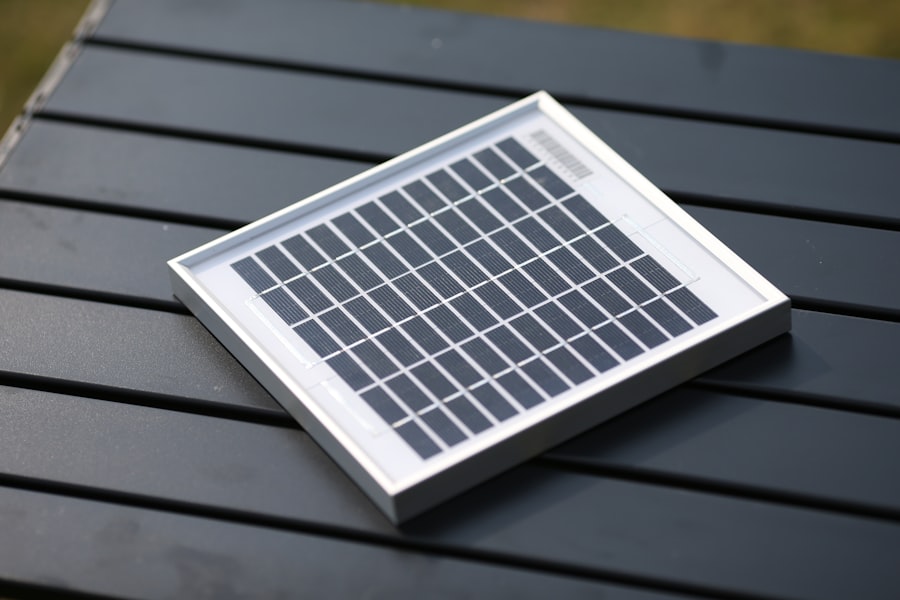
The cost of cleaning is not just about the method used, but also when and how often it is performed. Smart scheduling and continuous monitoring are key to optimizing this process.
Real-time Soiling Detection and Performance Monitoring
The ability to accurately assess soiling levels in real-time allows for more targeted and thus cost-effective cleaning.
Sensor Technologies for Soiling Measurement
- Optical Sensors: Devices that measure light transmission or reflection to quantify dust accumulation. These can be integrated into cleaning robots or deployed as standalone monitoring units.
- Performance Monitoring Systems: Analyzing the output of individual panels or strings of panels to detect performance degradation that could be attributed to soiling.
Data Analytics and Predictive Maintenance
Leveraging data from sensors and performance monitoring to predict when cleaning will be most beneficial.
- AI and Machine Learning: Algorithms can learn patterns in soiling rates based on environmental data (wind, humidity, etc.) and historical cleaning effectiveness.
- Predictive Cleaning Schedules: Moving from fixed, time-based cleaning to dynamic schedules triggered by measured soiling levels or predicted performance drops.
Dynamic and Adaptive Cleaning Strategies
Instead of a one-size-fits-all approach, cleaning strategies should adapt to changing conditions.
Variable Cleaning Frequency Based on Soiling Rates
Schedules that adjust the frequency of cleaning based on measured soiling, so panels are cleaned only when significant energy losses are imminent.
Targeted Cleaning of Specific Sections
Identifying and cleaning only the most heavily soiled sections of a large solar farm.
Pre-emptive Cleaning Before High-Risk Periods
Planning cleaning cycles before anticipated periods of increased dust or reduced visibility due to weather events.
Integrating Cleaning with Operations and Maintenance (O&M)
Cleaning should not be an isolated activity but an integral part of the overall O&M strategy.
Coordinated Deployment of Cleaning Fleets
Optimizing the deployment of cleaning robots and teams to minimize travel time and maximize operational efficiency.
Collaborative Data Sharing Between O&M Teams
Ensuring that data from cleaning operations is shared with other O&M personnel for a holistic view of farm performance.
Feedback Loops for System Improvement
Using insights from cleaning operations to inform decisions about panel design, dust mitigation strategies, and future technology investments.
The increasing demand for solar energy in desert regions has led to a significant focus on the maintenance of solar panels, particularly in China, where dust accumulation can greatly affect efficiency. A recent article discusses the various factors influencing the cost of washing solar panels in these arid environments, highlighting the importance of regular cleaning to ensure optimal energy production. As solar installations continue to expand in such areas, understanding these costs becomes crucial for maximizing investment returns.
Exploring Alternative and Complementary Soiling Mitigation Strategies
| Location | Cost per Panel (USD) | Frequency of Washing |
|---|---|---|
| Desert in China | 0.50 | Every 2 months |
While cleaning is essential, proactively reducing soiling in the first place can lead to significant long-term cost savings.
Anti-Soiling Coatings and Treatments
The application of specialized coatings to solar panels can make them more resistant to dust adhesion and easier to clean.
Hydrophobic and Hydrophilic Coatings
- Hydrophobic: Repels water, causing dust to bead up and potentially roll off with wind or slight inclines.
- Hydrophilic: Attracts water, allowing for a thin film of moisture to spread across the panel surface, which can then help wash away dust during dew formation or infrequent rain.
Self-Cleaning Surfaces
Incorporating nanotechnological or photocatalytic materials into the panel’s protective layer to actively break down organic contaminants and reduce dust adherence.
- Photocatalytic Coatings: Materials like titanium dioxide can, when exposed to UV light, create reactive oxygen species that degrade organic grime.
- Nanostructured Surfaces: Creating micro or nanoscale textures that prevent dust particles from settling firmly.
Panel Layout and Design Considerations
The physical design and arrangement of the solar farm can influence soiling.
Minimizing Dust Traps
Designing mounting structures and panel arrays to reduce areas where dust and sand can accumulate.
Utilizing Terrain Features
Strategic placement of panels within valleys or behind natural windbreaks to reduce direct exposure to prevailing winds carrying dust.
Inclination Angle Optimization
While often dictated by solar energy capture, slight adjustments to tilt angles could be explored to enhance natural dust shedding, balancing energy gain with maintainability.
Vegetation and Windbreak Strategies
In border areas of desert solar farms, introducing vegetation can help stabilize soil and reduce wind erosion.
Green Belts and Windbreaks
Planting drought-resistant species around the perimeter of the solar farm to act as natural barriers against wind-blown dust.
- Effectiveness: Requires careful selection of species that can survive in arid conditions and do not pose a fire risk.
- Maintenance: Ongoing management of vegetation is necessary.
Conclusion
Reducing the costs associated with solar panel washing in China’s vast desert regions is a complex but achievable goal. It necessitates a multi-pronged approach that encompasses advancements in robotic cleaning technology, a profound understanding and efficient management of water resources, the implementation of smart scheduling and monitoring systems, and the exploration of proactive soiling mitigation strategies. By meticulously analyzing the unique challenges presented by the desert environment and investing in innovative solutions, operators can significantly enhance the economic viability and long-term sustainability of these crucial renewable energy installations. The continued evolution of these strategies will be instrumental in unlocking the full potential of solar power in China’s arid frontier.
FAQs
What is the cost of washing solar panels in the desert in China?
The cost of washing solar panels in the desert in China can vary depending on the size of the solar panel array, the type of cleaning equipment used, and the labor costs in the specific region. However, on average, the cost can range from $3,000 to $6,000 per megawatt of installed capacity.
Why is it important to wash solar panels in the desert in China?
It is important to wash solar panels in the desert in China to remove dust, sand, and other debris that can accumulate on the panels and reduce their efficiency. The desert environment can lead to a higher accumulation of dust and sand, which can block sunlight and decrease the energy output of the solar panels.
What are the challenges of washing solar panels in the desert in China?
Some of the challenges of washing solar panels in the desert in China include the harsh environmental conditions, such as high temperatures, strong winds, and limited water resources. Additionally, the remote location of many desert solar installations can make it difficult to access and maintain the panels.
What are the methods used for washing solar panels in the desert in China?
Various methods can be used for washing solar panels in the desert in China, including manual cleaning with water and brushes, automated cleaning systems using brushes or wipers, and the use of specialized cleaning solutions to remove stubborn dirt and debris. Some companies also utilize drones for aerial cleaning of solar panels in desert areas.
How often should solar panels be washed in the desert in China?
The frequency of washing solar panels in the desert in China depends on the specific environmental conditions and the level of dust and debris accumulation. In general, it is recommended to wash solar panels in desert areas at least once every 1-3 months to maintain optimal performance and efficiency.