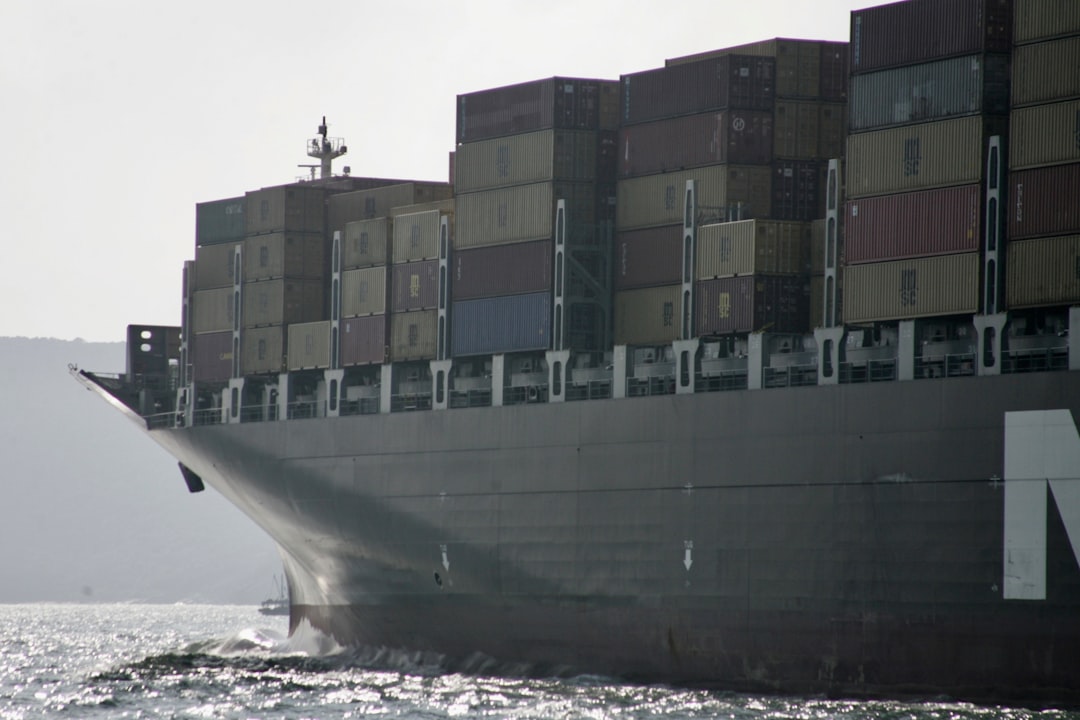
The delicate balance of global trade, often likened to an intricate dance of supply and demand, has been significantly disrupted by the ongoing crisis in the Red Sea. This critical maritime chokepoint, a conduit for an estimated 12% of worldwide trade, has become the epicenter of a geopolitical confrontation, directly impacting shipping lanes and raising palpable concerns among economists and businesses regarding potential inflationary pressures. The events unfolding in this region threaten to unravel the fragile post-pandemic economic recovery, creating ripple effects that could be felt in households from London to Los Angeles.
The Red Sea, a narrow stretch of water connecting the Indian Ocean to the Mediterranean Sea via the Suez Canal, is a strategic artery for global commerce. Its geographical significance cannot be overstated, serving as the shortest maritime route between Asia and Europe. This vital waterway facilitates the movement of vast quantities of manufactured goods, raw materials, and, crucially, energy supplies, making it an indispensable component of the global supply chain.
Escalation of Hostilities
The current crisis traces its roots to the heightened geopolitical tensions in the Middle East. Following the outbreak of conflict in Gaza, the Houthis, an Iran-backed rebel group in Yemen, initiated a series of attacks on commercial vessels navigating the Bab el-Mandeb Strait, the southern entrance to the Red Sea. These actions, characterized by drone and missile strikes, were initially framed as a show of solidarity with Palestinians, but their broader impact extends far beyond regional politics.
International Response and Coalition Building
In response to these escalating attacks, several nations, including the United States and the United Kingdom, have launched military operations aimed at deterring further Houthi aggression and protecting shipping. This international coalition, dubbed Operation Prosperity Guardian, seeks to restore security and freedom of navigation in the Red Sea. However, the effectiveness of these measures remains a subject of ongoing debate, with attacks persisting despite military intervention. The presence of warships and the occasional engagement with hostile forces underscore the grave nature of the threat.
The ongoing Red Sea shipping crisis has significantly impacted global trade, contributing to rising inflation rates as supply chains struggle to adapt. For a deeper understanding of how these maritime challenges are influencing economic conditions worldwide, you can read a related article that explores the intricate connections between shipping disruptions and inflationary pressures. To learn more, visit this article.
The Economic Arteries Under Siege
The shipping industry, often described as the circulatory system of the global economy, is directly bearing the brunt of the Red Sea crisis. The threat of attacks has compelled many shipping companies to divert their vessels, leading to substantial delays and increased operational costs.
Diversion to the Cape of Good Hope
The primary alternative route for ships avoiding the Red Sea is the much longer journey around the Cape of Good Hope, circumnavigating the southern tip of Africa. This diversion adds approximately 10 to 14 days to transit times between Asia and Europe, depending on the vessel’s speed and destination. For a journey that typically takes around 20-25 days through the Suez Canal, an additional two weeks represents a significant logistical hurdle.
Ripple Effects on Supply Chains
The lengthening of transit times has a cascading effect on global supply chains, akin to a blockage in a complex plumbing system. Factories reliant on just-in-time inventory management face potential disruptions in the delivery of raw materials and components, leading to delays in production. Similarly, retailers in consumer markets could experience shortages of finished goods, particularly those sensitive to seasonal demand or promotional cycles. The intricate web of interconnected industries means that a delay at one point can trigger unforeseen shortages and cost escalations further down the line.
Increased Shipping Costs and Insurance Premiums
The most immediate and tangible economic consequence of the Red Sea crisis is the dramatic surge in shipping costs. The longer voyages around Africa necessitate greater fuel consumption, adding thousands of dollars to each trip. Furthermore, the perceived increased risk in passing through the region has led to a steep rise in insurance premiums for vessels still opting for the Red Sea route. These additional costs are not absorbed by the shipping companies indefinitely; rather, they are inevitably passed on to consumers, much like a weight being transferred from one shoulder to another, eventually resting on the final buyer. Container rates have seen unprecedented spikes, with some routes experiencing increases exceeding 300% since the onset of the crisis.
Inflationary Headwinds on the Horizon
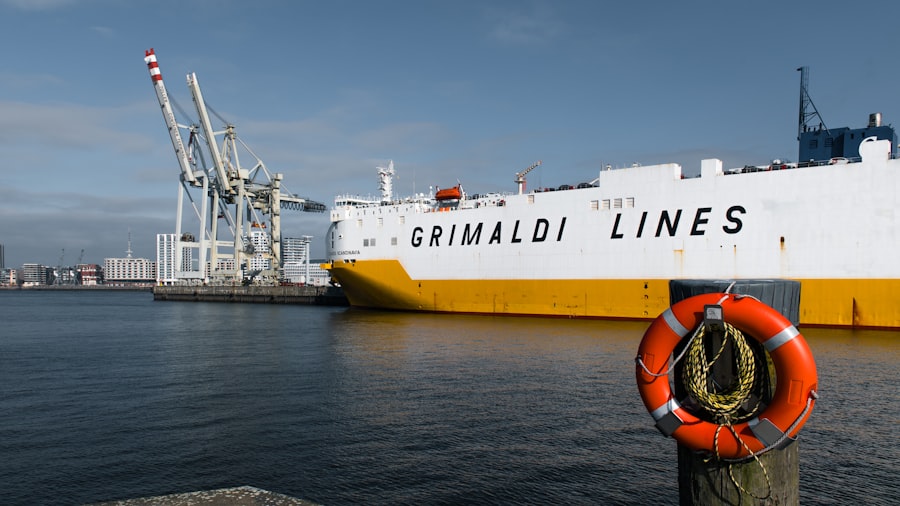
The Red Sea crisis introduces significant inflationary pressures, threatening to derail the progress made by central banks in taming rising prices. These pressures manifest through several channels, impacting both consumer goods and energy prices.
The Cost-Push Inflation Mechanism
The surge in shipping costs acts as a direct input cost for businesses across various sectors. Manufacturers face higher expenditures for importing raw materials and exporting finished products. Retailers, in turn, pay more for bringing goods to their warehouses and stores. This increased cost foundation, known as “cost-push inflation,” is then largely reflected in higher prices for consumers. Imagine the cost of a car. If the steel, electronics, and rubber used in its manufacturing all incur higher shipping costs, the final price of the car is likely to increase to maintain profit margins.
Energy Market Volatility
The Red Sea is also a crucial conduit for oil and liquefied natural gas (LNG) tankers. Any disruption to this flow can lead to increased volatility in global energy markets. While many European nations have diversified their energy sources, a significant portion of Middle Eastern oil and gas still traverses this route. The potential for supply disruptions or extended transits around Africa can drive up crude oil prices and, consequently, gasoline and electricity costs for consumers and businesses alike. This is particularly concerning as energy prices are a fundamental input for nearly every sector of the economy.
Consumer Price Index (CPI) Implications
Central banks closely monitor the Consumer Price Index (CPI) as a primary measure of inflation. The increased costs associated with the Red Sea crisis are expected to exert upward pressure on key components of the CPI, particularly imported goods. While the full impact may take several months to materialize, economists are already revising their inflation forecasts upwards. The sustained disruption, if prolonged, could undo much of the progress made in bringing inflation back to target levels, potentially necessitating further monetary tightening by central banks, an action that carries its own economic risks.
Sectoral Vulnerabilities and Resilience
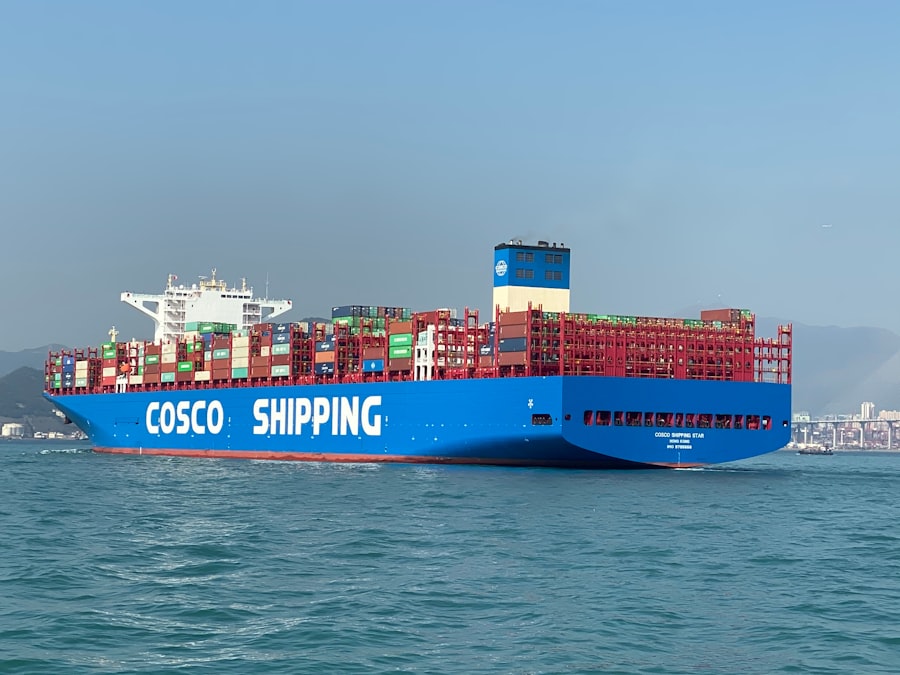
While the Red Sea crisis affects the global economy broadly, certain sectors exhibit particular vulnerabilities, while others demonstrate greater resilience or adaptability.
Automotive and Electronics Industries
The automotive and electronics sectors, characterized by complex global supply chains and reliance on just-in-time manufacturing, are particularly susceptible to disruptions. Components often traverse multiple borders before reaching final assembly plants. Delays in the delivery of semiconductors, batteries, or specialized parts can bring production lines to a standstill, leading to reduced output and higher costs. The memory of the pandemic-era chip shortages, which severely impacted these industries, serves as a stark reminder of their fragility to supply chain shocks.
Retail and Consumer Goods
The retail sector faces the dual challenge of higher import costs and potential stockouts. Products ranging from apparel to household goods, often manufactured in Asia, rely heavily on efficient maritime transport. Retailers may be forced to absorb some of the increased shipping costs, impacting their profit margins, or pass them on to consumers, risking reduced demand. The Christmas shopping season, usually a period of high demand, would be particularly vulnerable to such disruptions, prompting retailers to consider earlier stock-piling if the crisis persists into later parts of the year.
Energy Sector Adaptation
The energy sector, while facing short-term volatility, exhibits a degree of inherent resilience due to the global nature of energy markets and the presence of alternative supply routes. However, the costs associated with these alternatives are higher. For instance, redirecting LNG tankers from the Persian Gulf to Europe around Africa substantially increases transit times and fuel expenses. While the immediate impact on global oil supply has been mitigated by strategic reserves and rerouting, a prolonged crisis could strain these adaptive measures and exert sustained upward pressure on prices.
The ongoing Red Sea shipping crisis has raised concerns about its impact on global inflation rates, as disruptions in maritime trade can lead to increased shipping costs and supply chain delays. For a deeper understanding of how these factors intertwine, you can explore a related article that discusses the broader implications of shipping challenges on economic stability. This insightful piece can be found at MyGeoQuest, where you will find valuable information on the current state of international trade and its effects on inflation.
Long-Term Implications and Policy Responses
| Metric | Value | Unit | Notes |
|---|---|---|---|
| Delay in Shipping Times | 7-14 | Days | Average delay caused by Red Sea shipping disruptions |
| Increase in Shipping Costs | 15-25 | Percent | Additional cost incurred due to rerouting and delays |
| Impact on Global Inflation Rate | 0.3-0.5 | Percentage Points | Estimated contribution of shipping crisis to inflation |
| Increase in Consumer Goods Prices | 2-4 | Percent | Price increase in goods affected by shipping delays |
| Number of Ships Delayed | 50-70 | Ships | Average number of vessels affected in the Red Sea region |
| Duration of Crisis | 3-6 | Months | Estimated length of ongoing shipping disruptions |
The Red Sea crisis is not merely a transient disruption; its long-term implications could reshape global trade patterns and necessitate proactive policy responses from governments and international organizations.
Diversification of Supply Chains
The crisis underscores the inherent fragility of highly concentrated and optimized global supply chains. In the long term, companies may accelerate efforts to diversify their manufacturing bases and sourcing strategies, reducing reliance on single geographic regions or critical chokepoints. This “de-risking” of supply chains, which gained momentum during the pandemic, could see a renewed impetus. Nearshoring or friend-shoring initiatives, where production is moved closer to consumer markets or to politically allied nations, are likely to gain further traction, even if they incur higher initial costs.
Investment in Shipping Infrastructure
Governments and industry stakeholders may also re-evaluate investments in alternative shipping routes and infrastructure projects. While the Suez Canal remains indispensable, the crisis highlights the need for contingency plans and, potentially, the development of new intermodal transport solutions or expansion of existing ones, such as trans-Eurasian rail links, although these present their own logistical challenges and limitations in terms of capacity.
Geopolitical Stability and Maritime Security
Ultimately, the Red Sea crisis is a profound reminder of the critical link between geopolitical stability and economic prosperity. Sustained instability in key maritime regions necessitates a robust international framework for maritime security. This involves not only naval deployments but also diplomatic efforts to de-escalate tensions and address the underlying causes of conflict. The free flow of goods across the world’s oceans is a cornerstone of globalization, and any challenge to this principle demands a concerted and multilateral response. Failure to address these core issues could lead to a fragmentation of global trade and a more uncertain economic future, where the efficient movement of goods is no longer taken for granted but rather seen as a constant vulnerability.
The ongoing Red Sea shipping crisis represents a significant inflection point for the global economy. It is a stark illustration of how seemingly regional conflicts can ignite a cascade of economic consequences, threatening to undermine the hard-won gains in inflation control and global economic recovery. Businesses, consumers, and policymakers alike must contend with the realities of increased costs, supply chain disruptions, and the looming specter of inflationary pressures. The metaphor of a tiny pebble dropped into a vast ocean comes to mind, where the ripples created, though initially small, spread far and wide, eventually impacting every shore. The ultimate trajectory of the crisis, and its full economic impact, remains to be seen, but its signals are clear: vigilance, adaptability, and international cooperation are paramount in navigating these uncharted waters.
FAQs
What is the Red Sea shipping crisis?
The Red Sea shipping crisis refers to significant disruptions in maritime trade routes passing through the Red Sea, often caused by geopolitical tensions, piracy, or logistical challenges. These disruptions affect the flow of goods between Europe, Asia, and Africa.
How does the Red Sea shipping crisis impact global inflation?
The crisis can lead to delays and increased costs in shipping goods, which raises transportation expenses. These higher costs are often passed on to consumers, contributing to inflation by increasing the prices of imported goods and raw materials.
What are the main causes of the Red Sea shipping crisis?
Key causes include regional conflicts, piracy threats, blockades, and infrastructure issues at ports. Political instability in countries bordering the Red Sea can also exacerbate the crisis by disrupting normal shipping operations.
Which industries are most affected by the Red Sea shipping crisis?
Industries reliant on timely imports and exports, such as manufacturing, retail, and energy sectors, are most affected. Delays in shipping can disrupt supply chains, leading to shortages and increased production costs.
What measures are being taken to resolve the Red Sea shipping crisis?
Efforts include increased naval patrols to combat piracy, diplomatic negotiations to ease regional tensions, investment in alternative shipping routes, and improvements in port infrastructure to handle traffic more efficiently.