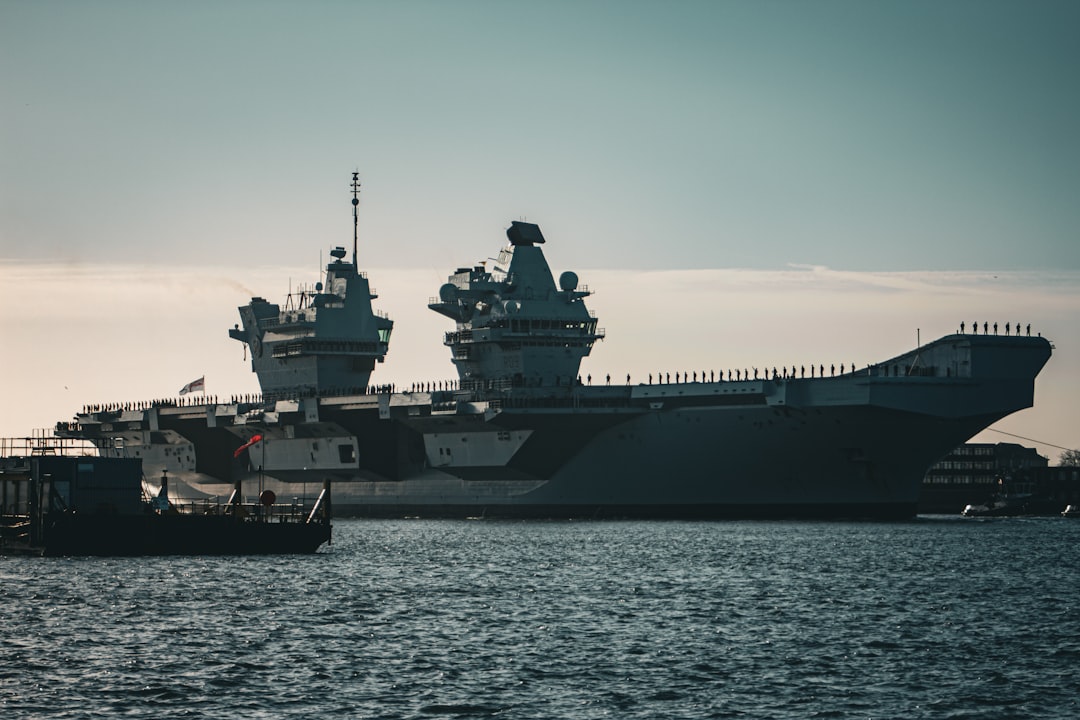
The Red Sea, a narrow conduit for global trade, has recently become a theatre of heightened maritime insecurity. The Houthi movement’s attacks on commercial shipping have necessitated a significant response from international naval forces, leading to the formation of naval escorts and protection operations. However, the scope and efficacy of these safeguards are subject to inherent limitations, creating a complex web of strategic and logistical challenges for nations heavily reliant on this vital waterway. This article delves into the various facets of these limitations, examining the operational realities, diplomatic considerations, economic repercussions, and future prospects of Red Sea naval escort missions.
The deployment of naval assets to safeguard maritime trade in the Red Sea is not without its operational hurdles. The sheer volume of traffic traversing this chokepoint, coupled with the asymmetrical nature of the threats, presents a formidable challenge to even the most technologically advanced navies.
Geographical Bottleneck and Transit Risks
The Red Sea itself, approximately 2,250 kilometers long and averaging 350 kilometers wide, narrows dramatically at its southern egress, the Bab el-Mandeb strait. This chokepoint, only about 29 kilometers wide at its narrowest point, funnels a significant portion of global maritime trade through a restricted area. This geographical reality inherently amplifies the vulnerability of transiting vessels. Imagine a funnel: every drop of liquid, regardless of its origin, must pass through a single, constricted opening. In the Red Sea, this funnel effect concentrates potential targets, making them more susceptible to attack.
Moreover, the proximity of the Yemeni coast, from which many Houthi attacks originate, provides a strategic advantage to the aggressors. Long-range anti-ship missiles, drones, and even small boat attacks can be launched from relatively close quarters, reducing reaction times for escorting vessels and increasing the element of surprise. The limited maneuverability within the narrow shipping lanes further restricts defensive options for merchant ships.
Asymmetrical Threats and Defensive Paradigms
The threats faced by commercial shipping in the Red Sea are primarily asymmetrical. The Houthi movement primarily utilizes drones, anti-ship cruise missiles, and ballistic missiles, many of which are Iranian-supplied or derived. These weapons, while not always precise, are relatively inexpensive and can be launched in volleys, overwhelming the defenses of individual merchant vessels or even small naval escorts. The cost-to-kill ratio heavily favors the aggressor in such scenarios. A single, relatively low-cost drone can force a warship to expend a multi-million-dollar interceptor missile. This economic disparity presents a significant long-term sustainability challenge for naval operations.
Furthermore, the evolving nature of these threats demands constant adaptation and intelligence gathering. The Houthis have demonstrated a willingness to innovate and modify their tactics, posing a dynamic and unpredictable challenge. Naval forces must constantly analyze new attack patterns, weapon systems, and launch platforms to effectively counter them. This constant cat-and-mouse game stretches intelligence resources and requires agile operational responses.
Recent discussions regarding naval escort limits in the Red Sea have highlighted the strategic importance of this vital shipping route. An insightful article that delves deeper into the implications of these limits can be found at My Geo Quest. This piece explores the geopolitical tensions and maritime security challenges that arise from the enforcement of such restrictions, shedding light on the potential impact on international trade and regional stability.
Diplomatic Complexities and International Cooperation
The establishment and long-term sustainability of naval escort missions are deeply intertwined with complex diplomatic considerations and the delicate balance of international cooperation. The Red Sea is bordered by numerous nations with diverse geopolitical interests, making a unified and unwavering response a significant diplomatic undertaking.
Coalition Building and Burden Sharing
The formation of multinational naval coalitions, such as Operation Prosperity Guardian, highlights the necessity of international collaboration in addressing shared security concerns. However, the process of coalition building is often fraught with challenges. Nations may have differing strategic objectives, domestic political pressures, or pre-existing alliances that complicate their participation or the extent of their contributions. Some nations may be reluctant to commit significant naval assets due to resource constraints or a desire to avoid entanglement in regional conflicts.
The principle of burden sharing, while theoretically equitable, rarely plays out perfectly in practice. A disproportionate share of the operational and financial burden often falls upon a few key naval powers, leading to potential resource fatigue and questions about the long-term viability of sustained operations. Ensuring a fair and sustainable distribution of responsibilities is a perpetual diplomatic challenge.
Rules of Engagement and Legal Frameworks
Establishing clear and mutually agreed-upon rules of engagement (ROE) is paramount for ensuring the effectiveness and legality of naval escort operations. However, differing national legal frameworks and interpretations of international law can lead to variations in ROE among contributing nations. This can create confusion, limit coordinated responses, and potentially expose naval personnel to legal risks. For instance, the threshold for defensive action, the permissible use of force, and the procedures for targeting hostile assets can vary significantly.
Furthermore, the legal status of the Houthi movement, a non-state actor, complicates the application of international law of armed conflict. While their actions against commercial shipping are undeniably acts of piracy or aggression, the specific legal remedies and parameters for military intervention are subject to ongoing debate and interpretation. Navigating this complex legal landscape while maintaining operational effectiveness is a tightrope walk for participating nations.
Economic Ripple Effects and Commercial Choices
The limitations of Red Sea naval escorts are not solely confined to the military or diplomatic spheres; they have profound and far-reaching economic consequences for global trade and impact the decision-making of commercial shipping companies.
Increased Shipping Costs and Supply Chain Disruption
The diversion of vessels around the Cape of Good Hope, a direct consequence of the perceived inadequacy or geographical limitations of naval escorts, significantly increases transit times and shipping costs. This extended journey adds thousands of nautical miles, translating into higher fuel consumption, increased crew wages, and additional insurance premiums. These inflated costs are ultimately passed on to consumers, contributing to inflationary pressures globally.
Moreover, the disruption to established shipping schedules creates a ripple effect throughout global supply chains. Delays in delivery of raw materials, intermediate goods, and finished products can lead to production bottlenecks, stock shortages, and reduced economic activity. Imagine a complex gearbox: if one crucial cog is delayed, the entire mechanism grinds to a halt or experiences significant inefficiencies. This is precisely what happens when a major global shipping artery is disrupted.
Insurance Premiums and Risk Assessments
The heightened risk environment in the Red Sea has led to a dramatic surge in marine insurance premiums for vessels transiting the area. War risk insurance, previously a minor consideration for this route, has become a substantial additional cost. Insurers, assessing the increased likelihood of attacks and potential claims, adjust their premiums accordingly. This financial burden further incentivizes shipping companies to seek alternative, albeit longer, routes.
Shipping companies, in consultation with their insurers and security advisors, are engaged in continuous risk assessments. These assessments weigh the increased costs and security risks of transiting the Red Sea against the additional time and expense of rerouting via the Cape of Good Hope. The limitations of naval escorts – their geographical coverage, the speed of response, and the overall effectiveness against evolving threats – are critical factors in these commercial calculations.
Technological Evolution and Future Prospects
Addressing the limitations of Red Sea naval escorts necessitates a continuous evolution of technological capabilities and a forward-looking approach to security challenges. The arms race, even against non-state actors, demands constant innovation.
Enhanced Surveillance and Early Warning Systems
The ability to detect, track, and identify potential threats at the earliest possible stage is paramount for effective defense. Investing in and deploying enhanced surveillance and early warning systems is crucial. This includes sophisticated radar systems capable of detecting small, fast-moving drones and missiles, as well as satellite imagery and intelligence fusion capabilities to pinpoint potential launch sites and track hostile movements.
The integration of artificial intelligence and machine learning into these systems can significantly improve threat detection and classification, reducing false positives and accelerating response times. Imagine an intelligent network of sensors acting as an ever-vigilant eye, capable of distinguishing between legitimate maritime traffic and hostile intent with increasing precision. This technological leap is essential for pre-emptive defense.
Counter-Drone and Anti-Missile Defenses
The prevalence of drone and missile attacks necessitates further development and deployment of advanced counter-drone and anti-missile defense systems. This includes directed energy weapons, such as lasers, which offer a potentially more cost-effective solution for neutralizing swarms of drones compared to traditional missile interceptors. Furthermore, continuous improvement in the accuracy, speed, and maneuverability of anti-missile systems is vital to counter increasingly sophisticated threats.
The integration of electronic warfare capabilities to jam or disrupt hostile drone and missile guidance systems also presents a promising avenue for defense. These technological advancements, while costly, are essential investments in safeguarding critical maritime infrastructure and protecting human lives.
Recent discussions surrounding naval escort limits in the Red Sea have highlighted the strategic importance of this vital waterway. As tensions rise in the region, understanding the implications of these limits becomes crucial for maritime security. For a deeper insight into the current situation and its potential impact on international shipping routes, you can read a related article that explores these dynamics in detail. This comprehensive analysis can be found here.
Long-Term Stability and Regional Solutions
| Metric | Value | Unit | Notes |
|---|---|---|---|
| Maximum Escort Vessel Length | 150 | meters | Limit for naval escort ships operating in the Red Sea |
| Escort Speed Limit | 25 | knots | Maximum speed allowed for escort vessels in convoy |
| Number of Escort Vessels per Convoy | 3 | vessels | Maximum number of naval escorts allowed per convoy |
| Distance Between Escort Vessels | 500 | meters | Minimum safe distance maintained between escort ships |
| Escort Zone Coverage | 50 | nautical miles | Maximum area covered by naval escorts around convoy |
Ultimately, the limitations of naval escorts in the Red Sea highlight the imperative for a broader strategy focused on achieving long-term stability and fostering regional solutions. Military deterrence, while necessary in the short term, cannot be the sole answer.
Addressing Root Causes of Instability
The Houthi movement’s attacks are a symptom of the broader conflict in Yemen and the persistent instability in the region. A sustainable solution to the Red Sea crisis requires addressing the root causes of this instability, including political grievances, humanitarian crises, and geopolitical rivalries. Diplomatic efforts aimed at achieving a lasting peace in Yemen, inclusive governance, and a de-escalation of regional tensions are fundamental.
Without progress on these underlying issues, the Red Sea will remain a flashpoint, perpetually requiring a significant international naval presence. This is akin to constantly bailing water from a leaky boat without ever patching the hole. While bailing is necessary in the immediate, fixing the hole is the only sustainable solution.
Regional Security Architectures and Diplomacy
Fostering robust regional security architectures and promoting dialogue among Red Sea littoral states are critical steps towards creating a more stable maritime environment. This includes initiatives for information sharing, coordinated maritime patrolling, and joint capacity building among regional navies. Building trust and common understandings among these nations can contribute to a more unified and effective response to shared security challenges.
Diplomacy, both bilateral and multilateral, remains the most powerful tool for de-escalation and conflict resolution. Engaging with all relevant stakeholders, including those with differing perspectives, is essential for finding pathways towards a peaceful resolution of the Red Sea crisis and preventing future disruptions to this vital global artery. The limitations of naval escorts serve as a stark reminder that while military solutions can provide temporary relief, lasting peace and security demand comprehensive diplomatic and political engagement.
FAQs
What are naval escort limits in the Red Sea?
Naval escort limits in the Red Sea refer to the defined boundaries within which naval forces can provide protection to commercial and military vessels against threats such as piracy, armed attacks, or hostile activities.
Why are naval escort limits important in the Red Sea?
These limits are important to ensure safe passage for ships through a strategically vital and often volatile maritime corridor, helping to prevent conflicts and maintain international shipping security.
Which countries are involved in enforcing naval escort limits in the Red Sea?
Countries bordering the Red Sea, such as Egypt, Saudi Arabia, Sudan, and Yemen, along with international naval coalitions and organizations like the Combined Maritime Forces, are involved in enforcing naval escort limits.
How do naval escort limits affect commercial shipping in the Red Sea?
Naval escort limits determine the areas where ships can receive protection, influencing shipping routes, insurance costs, and the overall safety of maritime trade passing through the Red Sea.
Are there international regulations governing naval escort limits in the Red Sea?
Yes, naval escort limits are governed by international maritime law, including United Nations conventions and agreements between regional states, to balance security needs with freedom of navigation.