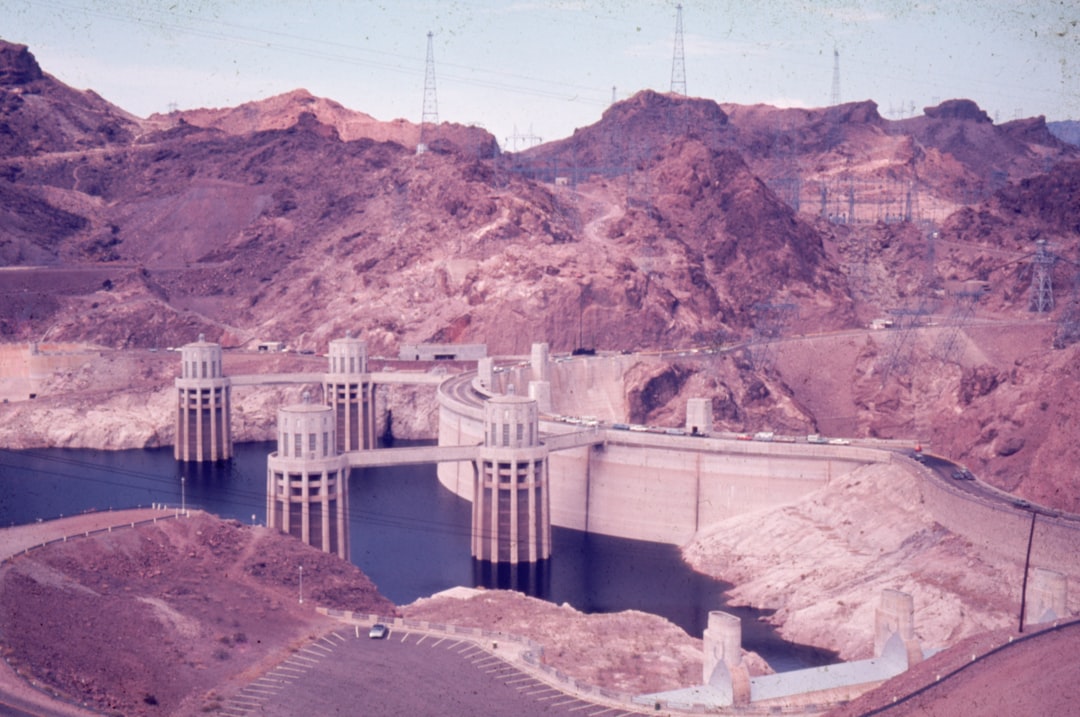
Edenville Dam, located in the heart of Michigan, has a storied history that dates back to its construction in the early 1920s. Originally built to create a reservoir for hydroelectric power generation, the dam played a crucial role in the development of the local economy. It provided not only electricity but also recreational opportunities for residents and visitors alike.
Over the decades, the dam became a symbol of progress and innovation, reflecting the aspirations of a community eager to harness natural resources for growth. However, as time passed, the dam’s infrastructure began to show signs of wear and tear. The initial design, while innovative for its time, did not account for the increasing demands placed on it by both nature and human activity.
By the late 20th century, concerns about the dam’s structural integrity began to surface. Regulatory agencies and environmental groups raised alarms about its safety, leading to a series of inspections and assessments that would ultimately culminate in a tragic failure in 2020.
Key Takeaways
- Edenville Dam has a significant history but suffered a catastrophic failure causing widespread devastation.
- Rebuilding the dam is crucial for community safety, environmental balance, and local infrastructure.
- The reconstruction plan prioritizes safety improvements and addresses previous structural concerns.
- Environmental impacts are carefully considered to protect local ecosystems during and after rebuilding.
- Community involvement and secured funding are key to ensuring the dam’s long-term stability and future success.
The Devastation Caused by the Dam Failure
The catastrophic failure of Edenville Dam in May 2020 sent shockwaves through the surrounding communities.
The immediate aftermath was one of chaos and destruction; families were forced to evacuate their homes, and emergency services scrambled to respond to the crisis.
The floodwaters wreaked havoc on the landscape, eroding riverbanks and damaging roads, while also posing significant risks to public safety. In addition to the physical destruction, the emotional toll on residents was profound. Many lost not only their homes but also cherished possessions and memories.
The community faced an uphill battle as they began to assess the damage and contemplate the long road to recovery. The failure of Edenville Dam served as a stark reminder of the vulnerabilities inherent in aging infrastructure and highlighted the urgent need for comprehensive solutions to prevent such disasters in the future.
The Importance of Rebuilding Edenville Dam
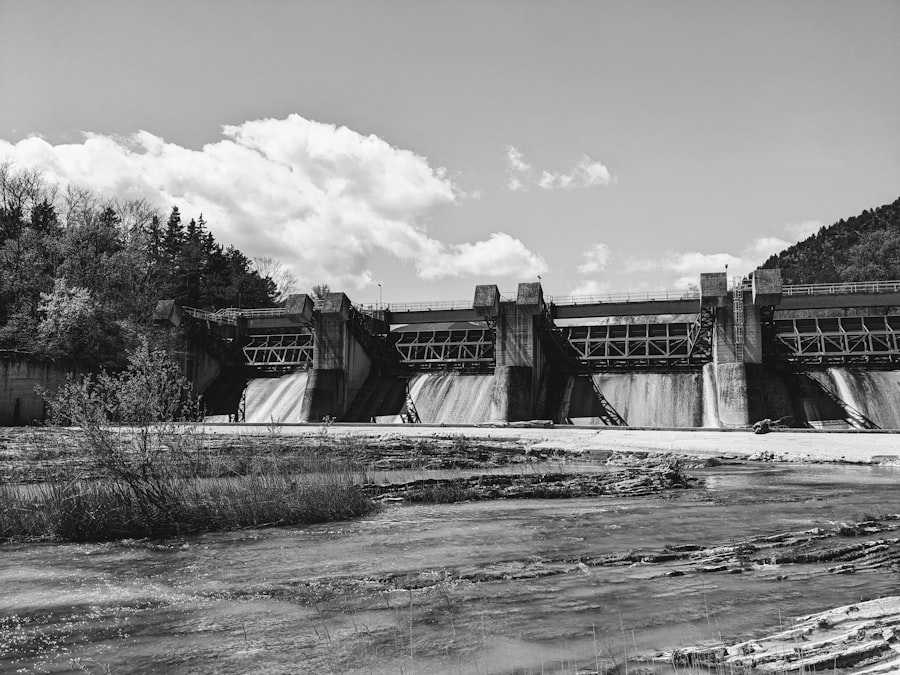
Rebuilding Edenville Dam is not merely a matter of restoring a physical structure; it represents a critical step toward ensuring the safety and well-being of the community. The dam had long been a vital component of local infrastructure, providing flood control, water management, and recreational opportunities. Its absence has left a significant void that affects not only residents but also local businesses that relied on tourism and outdoor activities associated with the reservoir.
Moreover, rebuilding the dam offers an opportunity to implement modern engineering practices that prioritize safety and sustainability. By investing in a new structure that meets contemporary standards, stakeholders can mitigate risks associated with flooding and enhance the resilience of the surrounding environment. The community’s commitment to rebuilding Edenville Dam reflects a collective desire to learn from past mistakes and create a safer future for generations to come.
The Plan for Rebuilding
| Metric | Value | Description |
|---|---|---|
| Investment Amount | 2.3 trillion | Total funds allocated for rebuilding infrastructure and economy |
| Job Creation | 10 million | Estimated number of new jobs generated through the plan |
| Infrastructure Projects | 50,000 | Number of infrastructure projects planned or underway |
| Clean Energy Investment | 500 billion | Funds dedicated to renewable energy and sustainability initiatives |
| Timeline | 5 years | Expected duration to complete major components of the plan |
| Education Funding | 200 billion | Investment in education and workforce training programs |
The plan for rebuilding Edenville Dam involves a comprehensive approach that takes into account both engineering requirements and community needs. Engineers and planners are working collaboratively to design a new dam that not only meets safety standards but also incorporates features that enhance its functionality. This includes improved spillway capacity to manage extreme weather events and advanced monitoring systems to detect potential issues before they escalate.
In addition to technical considerations, community input is being sought throughout the planning process. Public meetings and forums provide residents with opportunities to voice their concerns and preferences regarding the dam’s design and operation. This inclusive approach ensures that the rebuilt dam reflects the values and priorities of those who live in its shadow, fostering a sense of ownership and responsibility among community members.
Addressing Safety Concerns
Safety is paramount in any discussion surrounding the rebuilding of Edenville Dam. The failure of the original structure underscored the importance of rigorous safety protocols and ongoing maintenance. As part of the rebuilding effort, engineers are implementing state-of-the-art safety measures designed to withstand extreme weather conditions and seismic events.
These enhancements will include reinforced materials, improved drainage systems, and regular inspections to ensure long-term stability. Furthermore, education plays a crucial role in addressing safety concerns. Community outreach programs are being developed to inform residents about emergency preparedness and response strategies in case of future flooding events.
By equipping individuals with knowledge and resources, stakeholders aim to foster a culture of safety that extends beyond the dam itself, empowering residents to take proactive measures in safeguarding their homes and families.
Environmental Considerations
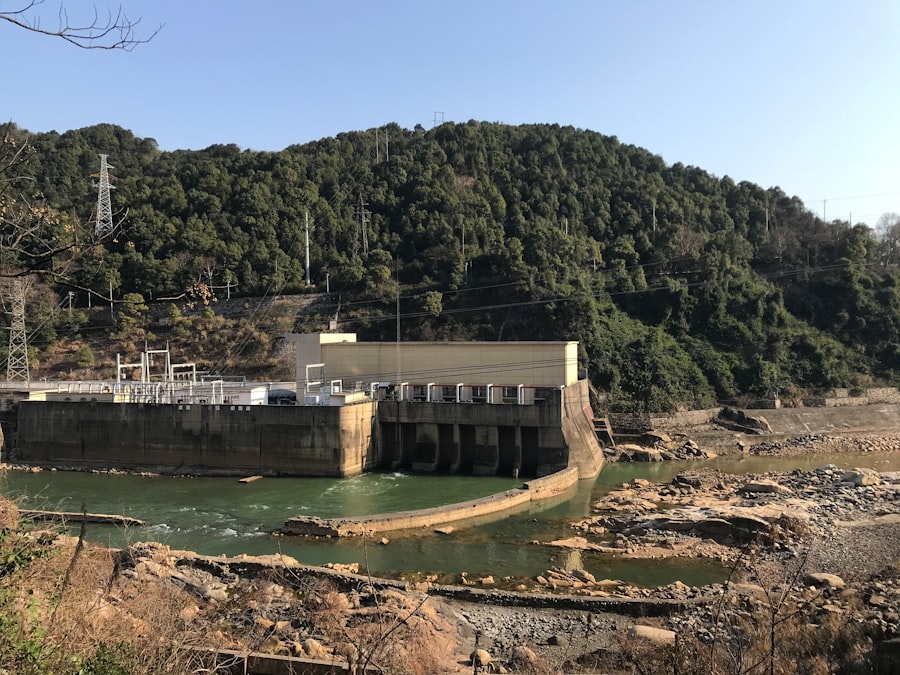
The environmental impact of rebuilding Edenville Dam is another critical aspect that cannot be overlooked. The original dam’s failure had significant repercussions for local ecosystems, disrupting habitats and altering water quality in nearby rivers and lakes. As planners move forward with reconstruction efforts, they are committed to minimizing ecological disruption while enhancing environmental stewardship.
One key consideration is the incorporation of fish passage systems into the new design. These systems will allow aquatic life to navigate around the dam safely, promoting biodiversity in local waterways. Additionally, efforts are being made to restore natural habitats along riverbanks that were affected by flooding.
By prioritizing environmental health alongside infrastructure needs, stakeholders aim to create a balanced approach that benefits both people and nature.
Funding and Support for the Rebuild
Securing funding for the rebuilding of Edenville Dam is essential for turning plans into reality. Various sources of financial support are being explored, including federal grants, state funding programs, and private investments. Local government officials are actively seeking partnerships with organizations dedicated to infrastructure improvement and disaster recovery, recognizing that collaboration is key to securing necessary resources.
Community fundraising initiatives are also being considered as a way to engage residents in the rebuilding process. By encouraging local contributions, stakeholders can foster a sense of ownership over the project while generating additional funds for construction efforts. This multifaceted approach to funding not only addresses financial needs but also strengthens community bonds as residents come together for a common cause.
Timeline for Reconstruction
Establishing a clear timeline for reconstruction is vital for managing expectations and ensuring accountability throughout the rebuilding process. Initial assessments indicate that planning and design phases could take several months, followed by permitting processes that may extend further into the year. Once all necessary approvals are secured, construction can commence, with estimates suggesting that it may take one to two years to complete.
Transparency is crucial during this phase; stakeholders understand that residents have a vested interest in seeing their dam rebuilt safely and efficiently. By maintaining open lines of communication, planners can build trust within the community while fostering a collaborative spirit throughout reconstruction efforts.
Community Involvement and Input
Community involvement is at the heart of rebuilding Edenville Dam. Recognizing that local residents are directly impacted by decisions made during this process, planners are committed to engaging them every step of the way. Public forums, surveys, and workshops provide platforms for individuals to share their thoughts on design elements, safety features, and environmental considerations.
This participatory approach not only empowers residents but also enriches the planning process with diverse perspectives. By incorporating feedback from those who know the area best, stakeholders can create a dam that meets both functional requirements and community aspirations. Ultimately, this collaborative effort fosters a sense of unity as residents work together toward a common goal: restoring their beloved Edenville Dam.
Ensuring Long-Term Stability
Ensuring long-term stability is paramount in any infrastructure project, particularly one as significant as Edenville Dam. To achieve this goal, engineers are employing advanced materials and construction techniques designed to withstand both natural forces and human activity over time. Regular maintenance schedules will be established post-construction to monitor structural integrity and address any emerging issues promptly.
Additionally, ongoing risk assessments will be conducted to adaptively manage potential threats posed by climate change or other environmental factors. By prioritizing long-term stability from the outset, stakeholders aim to create a resilient structure that serves future generations while minimizing risks associated with flooding or structural failure.
The Future of Edenville Dam
The future of Edenville Dam holds promise as it transitions from a site of tragedy to one of resilience and renewal. With careful planning, community involvement, and a commitment to safety and sustainability, stakeholders envision a dam that not only meets contemporary needs but also enhances quality of life for residents. As reconstruction efforts progress, there is hope that Edenville Dam will once again become a source of pride for the community—a testament to their ability to overcome adversity.
In conclusion, rebuilding Edenville Dam represents more than just restoring an essential piece of infrastructure; it embodies a collective commitment to learning from past mistakes while forging ahead with determination and purpose. Through collaboration among engineers, community members, environmental advocates, and funding organizations, there lies an opportunity to create a safer, more sustainable future for all who call this region home.
The recent efforts to rebuild the Edenville Dam have sparked significant interest in the surrounding community and beyond. For a deeper understanding of the challenges and progress associated with this project, you can read a related article that discusses the implications of dam infrastructure on local ecosystems and safety measures. Check it out here: Rebuilding the Edenville Dam: Challenges and Solutions.
WATCH THIS! The $50 Billion Lie: America’s Dams Are About to Fail (60-Minute Documentary)
FAQs
What is the Edenville Dam?
The Edenville Dam is a dam located in Michigan, originally constructed to provide hydroelectric power, flood control, and recreational opportunities.
Why is the Edenville Dam being rebuilt?
The dam is being rebuilt due to structural concerns and safety issues identified in recent years, which led to its failure and subsequent removal from service. Rebuilding aims to restore its functions and ensure public safety.
Who is responsible for the rebuilding of the Edenville Dam?
The rebuilding project is typically managed by the dam owner in coordination with state and federal agencies, including the Michigan Department of Environment, Great Lakes, and Energy (EGLE) and the Federal Energy Regulatory Commission (FERC).
What are the main goals of the Edenville Dam rebuilding project?
The primary goals are to enhance dam safety, restore hydroelectric power generation, improve flood control, and maintain recreational uses of the reservoir.
How long will the rebuilding of the Edenville Dam take?
The timeline varies depending on engineering assessments, permitting, and construction phases, but such projects generally take several years from planning to completion.
Will the rebuilding of the Edenville Dam affect local communities?
Yes, the project may impact local communities through construction activities, changes in water levels, and improved safety and recreational opportunities once completed.
What environmental considerations are involved in rebuilding the Edenville Dam?
Environmental assessments are conducted to evaluate impacts on aquatic ecosystems, water quality, and wildlife habitats, with measures implemented to mitigate negative effects.
Is the rebuilt Edenville Dam expected to generate hydroelectric power?
Yes, restoring hydroelectric power generation is one of the objectives of the rebuilding project.
How can the public stay informed about the Edenville Dam rebuilding project?
Updates are typically provided through official state agency websites, public meetings, and local news outlets.
What safety measures will be implemented in the rebuilt Edenville Dam?
The rebuilt dam will incorporate modern engineering standards, improved spillways, and monitoring systems to ensure structural integrity and reduce the risk of failure.