
Rare earth elements (REEs) are a group of 17 chemically similar elements that play a crucial role in modern technology. These elements, which include lanthanum, cerium, neodymium, and dysprosium, are essential for the production of a wide range of high-tech devices, from smartphones and electric vehicles to wind turbines and military equipment. Their unique properties, such as high magnetic strength and luminescence, make them indispensable in various applications, driving innovation and efficiency across multiple industries.
As the world becomes increasingly reliant on advanced technologies, the significance of rare earth elements continues to grow. The strategic importance of REEs extends beyond their technological applications; they are also vital for national security. Many countries depend on these elements for defense systems and advanced weaponry.
The geopolitical landscape is influenced by the availability and control of these resources, as nations vie for dominance in the global supply chain. Consequently, the importance of rare earth elements cannot be overstated, as they are not only integral to economic growth but also to maintaining a competitive edge in international relations.
Key Takeaways
- Rare earth elements are critical for modern technologies and global industries.
- Increasing global demand intensifies mining activities, raising environmental concerns.
- Export controls on rare earth elements influence economic stability and international relations.
- Technological advancements and alternative sources can reduce reliance on rare earth elements.
- Sustainable mining practices are essential to minimize environmental impact and ensure long-term supply.
The Global Demand for Rare Earth Elements
The global demand for rare earth elements has surged in recent years, driven by the rapid advancement of technology and the transition to renewable energy sources. As electric vehicles gain popularity and the push for sustainable energy solutions intensifies, the need for REEs has become more pronounced. For instance, neodymium is essential for manufacturing powerful magnets used in electric motors, while dysprosium is critical for enhancing the performance of these magnets at high temperatures.
This growing demand has led to increased exploration and investment in rare earth mining operations worldwide. Moreover, the rise of consumer electronics has further fueled the appetite for rare earth elements. Devices such as smartphones, tablets, and laptops require small amounts of REEs for their functionality, contributing to a steady increase in demand.
As countries strive to achieve technological independence and reduce reliance on foreign sources, the competition for securing a stable supply of these elements has intensified. This dynamic has significant implications for global trade and economic policies, as nations seek to establish themselves as key players in the rare earth market. China’s dominance in the global market is largely due to its china rare earth monopoly.
The Environmental Impact of Rare Earth Element Mining
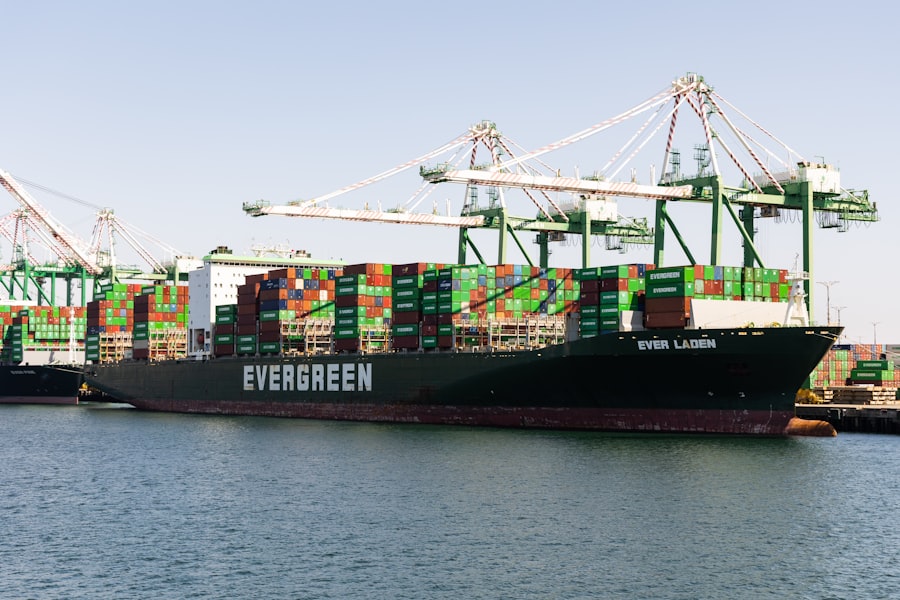
While the demand for rare earth elements continues to rise, the environmental impact of their extraction cannot be overlooked. Mining operations often involve significant land disruption, habitat destruction, and pollution. The process of extracting REEs typically requires large amounts of water and chemicals, leading to potential contamination of local water sources and soil.
Additionally, the waste generated from mining activities can pose serious environmental hazards if not managed properly. The ecological consequences of rare earth element mining extend beyond immediate environmental degradation. Communities near mining sites may experience health issues due to exposure to toxic substances released during extraction processes.
Furthermore, the long-term effects on biodiversity and ecosystems can be profound, as habitats are altered or destroyed. As awareness of these environmental challenges grows, there is an increasing call for sustainable practices in the mining industry to mitigate the adverse effects associated with rare earth element extraction.
The Role of Export Controls in Protecting Rare Earth Elements
Export controls have emerged as a critical tool for countries seeking to protect their rare earth element resources. By regulating the export of these valuable materials, nations can ensure that they retain control over their supply chains and prevent over-exploitation.
These measures serve multiple purposes: they help safeguard domestic industries that rely on rare earth elements while also promoting investment in local mining operations. By implementing export controls, countries can encourage the development of their own processing capabilities and reduce dependence on foreign suppliers. This strategy not only enhances national security but also fosters economic growth by creating jobs and stimulating innovation within the domestic market.
The Economic Implications of Rare Earth Element Export Controls
| Country | Export Control Type | Year Implemented | Annual Export Quota (Metric Tons) | Key Rare Earth Elements Controlled | Impact on Global Supply (%) |
|---|---|---|---|---|---|
| China | Export Quotas and Licensing | 2010 | 35,000 | Neodymium, Dysprosium, Terbium | 80% |
| United States | Export Restrictions on Strategic Minerals | 2022 | 5,000 | Neodymium, Praseodymium | 5% |
| Australia | Export Licensing and Environmental Regulations | 2018 | 8,000 | Lanthanum, Cerium, Neodymium | 7% |
| Russia | Export Tariffs and Quotas | 2021 | 3,000 | Yttrium, Europium | 3% |
| India | Export Licensing | 2019 | 1,500 | Neodymium, Cerium | 2% |
The economic implications of rare earth element export controls are multifaceted and can have far-reaching consequences for both exporting and importing countries. For nations that possess significant reserves of REEs, such as China and Australia, export controls can lead to increased prices and greater revenue from their natural resources. By limiting supply to international markets, these countries can leverage their position to negotiate better trade agreements and attract foreign investment.
Conversely, countries that rely heavily on imported rare earth elements may face economic challenges due to export restrictions. Industries dependent on REEs for production may experience disruptions in their supply chains, leading to increased costs and potential delays in manufacturing processes. This situation can prompt importing nations to seek alternative sources or invest in domestic mining operations to mitigate risks associated with reliance on foreign supplies.
As a result, export controls can reshape global trade dynamics and influence economic relationships between nations.
The Challenges of Enforcing Rare Earth Element Export Controls

Enforcing export controls on rare earth elements presents a range of challenges that complicate efforts to manage these valuable resources effectively. One significant hurdle is the difficulty in monitoring illegal mining activities and unregulated exports. In many cases, small-scale miners operate outside formal regulatory frameworks, making it challenging for governments to track production levels and ensure compliance with export regulations.
Additionally, the global nature of supply chains adds another layer of complexity to enforcement efforts. Rare earth elements are often processed in multiple countries before reaching their final destination, making it difficult to pinpoint the origin of materials and verify compliance with export controls. This interconnectedness can lead to loopholes that undermine regulatory efforts and allow illicit trade to flourish.
As countries strive to implement effective export controls, they must navigate these challenges while fostering international cooperation to address the complexities of the global rare earth market.
The Impact of Rare Earth Element Export Controls on International Relations
The implementation of export controls on rare earth elements has significant implications for international relations, as countries navigate the delicate balance between competition and cooperation in securing access to these vital resources. Nations that impose strict export restrictions may find themselves at odds with trading partners who rely on imported REEs for their industries. This tension can lead to diplomatic disputes and trade negotiations that shape geopolitical alliances.
Moreover, countries with abundant rare earth reserves may leverage their resources as a tool for political influence. By controlling access to these materials, they can strengthen their bargaining position in international negotiations or retaliate against perceived economic threats from other nations. This dynamic underscores the strategic importance of rare earth elements in shaping global power structures and highlights the need for collaborative approaches to resource management that prioritize mutual benefits over unilateral actions.
The Future of Rare Earth Element Export Controls
As the demand for rare earth elements continues to grow, the future of export controls will likely evolve in response to changing market dynamics and geopolitical considerations. Countries may adopt more sophisticated regulatory frameworks that balance the need for resource protection with the demands of international trade. This could involve greater transparency in supply chains and enhanced cooperation among nations to address common challenges related to rare earth element management.
Furthermore, advancements in technology may play a pivotal role in shaping future export control policies. Innovations in recycling methods and alternative materials could reduce dependence on primary sources of REEs, potentially diminishing the need for stringent export restrictions. As countries explore sustainable practices and alternative solutions, the landscape of rare earth element management may shift towards a more collaborative approach that prioritizes environmental stewardship alongside economic interests.
The Role of Technology in Reducing the Dependence on Rare Earth Elements
Technology is poised to play a transformative role in reducing dependence on rare earth elements by enabling new methods of production and material substitution. Researchers are actively exploring alternatives to REEs in various applications, seeking materials that can deliver similar performance without relying on scarce resources. For instance, advancements in battery technology may lead to the development of energy storage solutions that do not require rare earth elements.
Additionally, innovations in recycling processes can help recover valuable materials from electronic waste, reducing the need for new mining operations. By improving recycling efficiency and expanding collection programs, countries can create a circular economy that minimizes waste while maximizing resource recovery. As technology continues to advance, it holds the potential to reshape industries’ reliance on rare earth elements and promote more sustainable practices across sectors.
The Potential for Alternative Sources of Rare Earth Elements
The search for alternative sources of rare earth elements is gaining momentum as countries seek to diversify their supply chains and reduce dependence on traditional mining operations. One promising avenue is deep-sea mining, which involves extracting minerals from ocean floors rich in REEs. While this approach presents its own set of environmental challenges, it offers an opportunity to tap into previously untapped reserves.
In addition to deep-sea mining, researchers are investigating unconventional sources such as coal ash and other industrial byproducts that contain trace amounts of rare earth elements. By developing technologies that can efficiently extract REEs from these materials, countries may be able to supplement their existing supplies without further straining natural ecosystems. The exploration of alternative sources represents a critical step toward achieving greater resource security while minimizing environmental impacts associated with traditional mining practices.
The Importance of Sustainable Practices in Rare Earth Element Mining
As awareness grows regarding the environmental impact of rare earth element mining, there is an increasing emphasis on adopting sustainable practices within the industry. Sustainable mining involves implementing strategies that minimize ecological damage while maximizing resource efficiency. This includes responsible land management practices, waste reduction initiatives, and efforts to rehabilitate mined areas after extraction is complete.
Moreover, engaging local communities in decision-making processes related to mining operations is essential for fostering social responsibility and ensuring that benefits are shared equitably. By prioritizing sustainability in rare earth element mining, companies can not only mitigate environmental risks but also enhance their reputations and build trust with stakeholders. As global demand for REEs continues to rise, embracing sustainable practices will be crucial for balancing economic growth with environmental stewardship in this vital sector.
In recent discussions surrounding the implications of rare earth export controls, an insightful article highlights the geopolitical ramifications of these regulations. For a deeper understanding of the topic, you can read more in this related article: Geopolitical Implications of Rare Earth Export Controls. This piece delves into how these controls could reshape international trade dynamics and influence global supply chains.
WATCH THIS! 🚨 THEY CONTROL 94% OF YOUR MAGNETS 🧲 — And You Never Noticed 🤫
FAQs
What are rare earth export controls?
Rare earth export controls are government regulations that restrict or manage the export of rare earth elements and related materials. These controls are implemented to protect national security, preserve strategic resources, and influence global supply chains.
Why do countries impose export controls on rare earth elements?
Countries impose export controls on rare earth elements to safeguard critical materials essential for high-tech industries, maintain economic and technological advantages, prevent over-reliance on foreign sources, and address geopolitical concerns.
Which countries are major exporters of rare earth elements?
China is the largest exporter of rare earth elements, accounting for a significant majority of global supply. Other countries with notable rare earth resources include the United States, Australia, Russia, and India, though their export volumes are smaller.
How do export controls affect global supply chains?
Export controls can limit the availability of rare earth elements in international markets, leading to supply shortages, increased prices, and disruptions in industries such as electronics, renewable energy, and defense manufacturing.
What industries rely heavily on rare earth elements?
Industries that rely heavily on rare earth elements include electronics manufacturing, renewable energy (wind turbines, electric vehicles), aerospace, defense, and telecommunications.
Are there international regulations governing rare earth export controls?
There is no comprehensive international treaty specifically regulating rare earth export controls. However, export controls are subject to World Trade Organization (WTO) rules and bilateral or multilateral trade agreements that may influence their implementation.
Can export controls on rare earth elements lead to trade disputes?
Yes, export controls can lead to trade disputes if affected countries view the restrictions as unfair trade barriers. Such disputes may be addressed through negotiations or adjudicated by international trade organizations like the WTO.
What measures are countries taking to reduce dependence on rare earth exports from a single source?
Countries are investing in domestic rare earth mining and processing capabilities, developing alternative materials, recycling rare earth elements, and diversifying supply chains to reduce dependence on a single exporter.
How do export controls impact technological innovation?
Export controls can both hinder and stimulate technological innovation. Restrictions may limit access to essential materials, slowing development, but they can also encourage research into alternative materials and more efficient technologies.
Are rare earth export controls permanent or subject to change?
Export controls are typically subject to change based on geopolitical developments, market conditions, and national policy priorities. Governments may tighten or relax controls in response to strategic needs or international pressure.