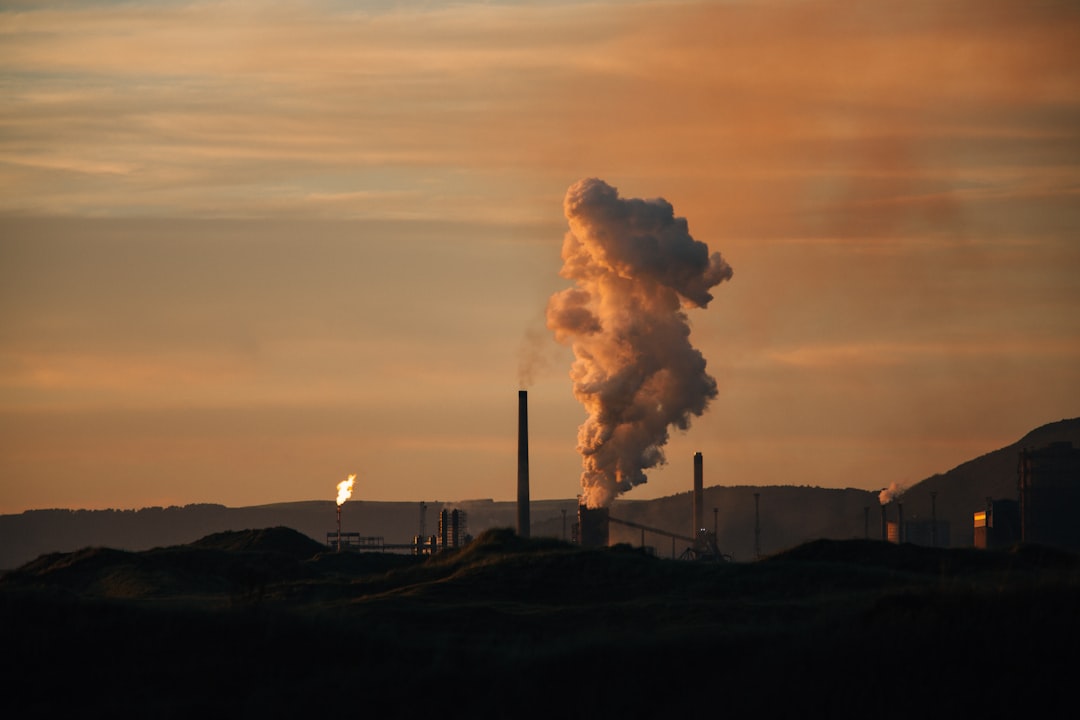
Rare Earth Elements (REEs) comprise 17 chemically similar metallic elements including lanthanum, cerium, neodymium, and europium. These elements are fundamental components in manufacturing high-technology products such as smartphones, electric vehicles, and renewable energy systems. The term “rare earth” is misleading, as these elements are relatively abundant in the Earth’s crust.
However, they typically occur in dispersed concentrations rather than economically viable ore deposits, creating significant challenges for extraction and refinement processes. REEs possess distinctive properties that enhance the performance of magnets, catalysts, and electronic components, driving increased industrial demand across multiple sectors. REEs serve critical functions in advancing sustainable technology development.
The global transition toward renewable energy infrastructure and electric transportation systems is projected to substantially increase REE consumption. This anticipated demand growth has motivated nations to develop domestic REE mining capabilities and supply chains.
However, expanded mining operations raise environmental concerns regarding habitat disruption, water contamination, and radioactive waste management associated with REE extraction and processing activities.
Key Takeaways
- Rare earth mining poses significant environmental risks that require strict regulatory compliance and effective mitigation strategies.
- Successful environmental compliance in rare earth mining is demonstrated through case studies highlighting best practices and technological innovations.
- Regulatory agencies enforce international and local standards to ensure sustainable and responsible rare earth extraction.
- Advances in technology play a crucial role in monitoring and reducing the environmental impact of rare earth mining operations.
- Staying informed about evolving regulations and compliance requirements is essential for companies involved in rare earth mining.
Environmental Impact of Rare Earth Mining
The extraction and processing of rare earth elements can have significant environmental consequences. Mining operations often involve the removal of large amounts of earth and rock, which can lead to habitat destruction and soil erosion. Additionally, the chemicals used in the extraction process can contaminate local water supplies, posing risks to both human health and local ecosystems.
The mining process typically generates large volumes of waste materials, including tailings that may contain toxic substances such as heavy metals and radioactive elements. These byproducts can leach into the environment, further exacerbating pollution issues. Moreover, the carbon footprint associated with rare earth mining is a growing concern.
The energy-intensive nature of mining and processing REEs contributes to greenhouse gas emissions, which are detrimental to climate change efforts. As countries strive to meet their climate goals, the environmental impact of rare earth mining must be carefully considered. The challenge lies in balancing the need for these critical materials with the imperative to protect the environment and promote sustainable practices. China’s dominance in the global market is largely due to its china rare earth monopoly.
Regulatory Agencies and Compliance Requirements

Regulatory agencies play a vital role in overseeing rare earth mining operations to ensure compliance with environmental standards. In many countries, agencies such as the Environmental Protection Agency (EPA) in the United States or similar organizations worldwide are responsible for enforcing regulations that govern mining activities. These regulations often require companies to conduct environmental impact assessments (EIAs) before commencing operations, ensuring that potential environmental risks are identified and mitigated.
Compliance requirements can vary significantly from one jurisdiction to another. In some regions, mining companies may be required to obtain permits that outline specific environmental protections they must adhere to during their operations. These permits often include stipulations regarding waste management, water usage, and habitat preservation.
Failure to comply with these regulations can result in severe penalties, including fines and operational shutdowns. As such, understanding and navigating the regulatory landscape is crucial for companies involved in rare earth mining.
Environmental Risks and Mitigation Strategies
The environmental risks associated with rare earth mining are multifaceted and require comprehensive mitigation strategies. One significant risk is water contamination, which can occur when toxic chemicals used in the extraction process seep into groundwater or surface water bodies. To mitigate this risk, companies can implement advanced water management systems that treat wastewater before it is released into the environment.
Additionally, establishing buffer zones around water sources can help protect these vital resources from contamination. Another critical environmental risk is habitat destruction due to land clearing for mining operations. To address this issue, companies can adopt practices such as reforestation and habitat restoration after mining activities have ceased.
By restoring ecosystems and promoting biodiversity, mining companies can help offset some of the environmental impacts of their operations. Furthermore, engaging with local communities and stakeholders in the planning process can lead to more sustainable practices that consider both economic development and environmental protection.
The Importance of Environmental Compliance in Rare Earth Mining
| Metric | Description | Typical Value / Standard | Compliance Requirement |
|---|---|---|---|
| Air Emissions (Particulate Matter) | Concentration of particulate matter released during rare earth processing | < 50 mg/m³ | Must meet local air quality standards to minimize respiratory hazards |
| Water Discharge pH | pH level of wastewater discharged from rare earth extraction plants | 6.5 – 8.5 | Discharge must be neutral to prevent aquatic toxicity |
| Radioactive Waste Management | Handling and disposal of naturally occurring radioactive materials (NORM) | Strict containment and disposal protocols | Compliance with radiation safety regulations and monitoring |
| Heavy Metal Concentration in Effluent | Levels of heavy metals such as lead, cadmium, and arsenic in wastewater | < 0.1 mg/L for each metal | Effluent must meet environmental discharge limits to protect ecosystems |
| Soil Contamination Levels | Concentration of rare earth elements and associated contaminants in soil near processing sites | Below regulatory threshold limits (varies by region) | Regular monitoring and remediation required if exceeded |
| Energy Consumption per Ton of Rare Earth Produced | Amount of energy used in extraction and processing | Varies; target reduction year-over-year | Encouraged to reduce carbon footprint and improve sustainability |
| Waste Recycling Rate | Percentage of waste materials recycled or reused in processing | > 70% | Promoted to minimize environmental impact and resource use |
Environmental compliance is essential in rare earth mining for several reasons.
By adhering to environmental regulations, companies can minimize their impact on local environments and contribute to sustainable development goals.
This compliance not only benefits the environment but also enhances a company’s reputation among consumers who are increasingly concerned about sustainability. Secondly, compliance with environmental regulations can lead to economic advantages for mining companies. Many investors now prioritize sustainability when making investment decisions, meaning that companies with strong environmental compliance records may attract more funding and support.
Additionally, avoiding legal penalties associated with non-compliance can save companies significant costs in the long run. Therefore, prioritizing environmental compliance is not only an ethical obligation but also a strategic business decision.
Case Studies of Successful Environmental Compliance in Rare Earth Mining
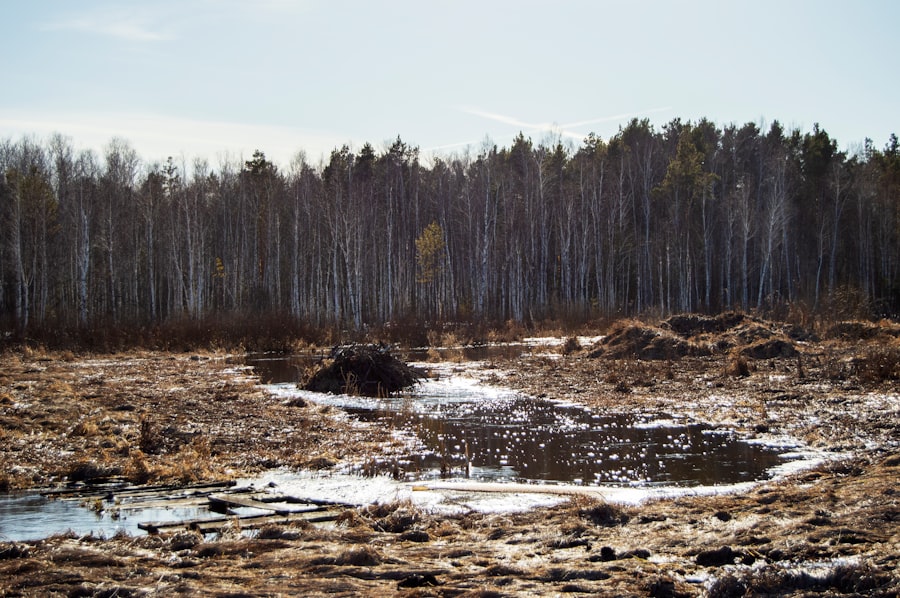
Several case studies illustrate successful environmental compliance in rare earth mining, showcasing how companies can operate sustainably while meeting regulatory requirements. One notable example is Lynas Corporation’s rare earth processing facility in Malaysia. The company has implemented stringent waste management practices that include recycling water used in processing and safely managing radioactive waste materials generated during extraction.
By prioritizing environmental compliance, Lynas has been able to maintain its operations while minimizing its ecological footprint. Another example is the Mountain Pass Rare Earth Mine in California, which has undergone significant transformations to improve its environmental performance. After facing scrutiny over its past practices, the mine has adopted advanced technologies for waste management and water treatment.
The company has also engaged with local communities to address concerns about environmental impacts and has committed to transparency in its operations. These case studies demonstrate that with proper planning and commitment to sustainability, rare earth mining can be conducted responsibly.
Best Practices for Environmental Compliance in Rare Earth Mining
Implementing best practices for environmental compliance is crucial for companies involved in rare earth mining. One effective practice is conducting thorough environmental impact assessments (EIAs) before initiating any mining project. These assessments help identify potential risks and inform strategies for mitigating negative impacts on the environment.
Engaging stakeholders early in the process can also foster collaboration and ensure that community concerns are addressed. Another best practice involves adopting innovative technologies that enhance sustainability in mining operations. For instance, using advanced filtration systems can improve water quality by removing contaminants before discharge.
Additionally, employing renewable energy sources such as solar or wind power can reduce the carbon footprint associated with mining activities. By integrating these technologies into their operations, companies can demonstrate their commitment to environmental compliance while improving operational efficiency.
The Role of Technology in Environmental Compliance for Rare Earth Mining
Technology plays a pivotal role in enhancing environmental compliance within the rare earth mining sector. Advanced monitoring systems equipped with sensors can provide real-time data on air and water quality, enabling companies to detect potential issues before they escalate into significant problems. This proactive approach allows for timely interventions that protect both the environment and public health.
Moreover, innovations such as artificial intelligence (AI) and machine learning can optimize resource extraction processes while minimizing waste generation. By analyzing data on mineral deposits and extraction methods, these technologies can help companies make informed decisions that align with sustainability goals. As technology continues to evolve, its integration into rare earth mining operations will be essential for achieving higher standards of environmental compliance.
International Regulations and Compliance Standards for Rare Earth Mining
International regulations and compliance standards play a crucial role in governing rare earth mining activities across borders. Organizations such as the United Nations Environment Programme (UNEP) provide guidelines aimed at promoting sustainable practices within the mining sector globally. These guidelines encourage countries to adopt regulations that protect ecosystems while facilitating responsible resource extraction.
Additionally, various international agreements focus on specific aspects of environmental protection related to mining activities. For example, the Minamata Convention on Mercury addresses the use of mercury in artisanal and small-scale gold mining but also highlights broader concerns about toxic substances used in mineral extraction processes. By adhering to these international standards, countries can work towards harmonizing their regulatory frameworks and ensuring that rare earth mining is conducted responsibly on a global scale.
The Future of Environmental Compliance in Rare Earth Mining
The future of environmental compliance in rare earth mining is likely to be shaped by increasing public awareness and demand for sustainable practices. As consumers become more conscious of the environmental impacts associated with their purchases, companies will face greater pressure to demonstrate their commitment to sustainability through transparent reporting and responsible sourcing practices. Furthermore, advancements in technology will continue to play a significant role in enhancing compliance efforts within the industry.
Innovations such as blockchain technology may provide traceability for rare earth elements throughout their supply chains, ensuring that they are sourced responsibly and sustainably. As regulatory frameworks evolve to address emerging challenges related to climate change and resource depletion, companies will need to adapt their practices accordingly to remain compliant while meeting market demands.
Resources for Staying Up-to-Date on Rare Earth Environmental Compliance Regulations
Staying informed about environmental compliance regulations related to rare earth mining is essential for industry stakeholders. Various resources are available to help companies navigate this complex landscape effectively. Government websites often provide up-to-date information on regulatory changes and compliance requirements specific to each jurisdiction.
Industry associations also play a vital role in disseminating information about best practices and emerging trends in environmental compliance within the rare earth sector. Organizations such as the Rare Earth Industry Association (REIA) offer valuable insights into regulatory developments while promoting sustainable practices among their members. Additionally, academic journals and research publications provide ongoing analysis of environmental issues related to rare earth mining, helping stakeholders stay informed about new findings and innovations that could impact compliance efforts.
In conclusion, understanding rare earth elements’ significance alongside their environmental implications is crucial for fostering sustainable practices within this industry. By prioritizing compliance with regulations and adopting innovative technologies, companies can mitigate risks while contributing positively to both economic growth and environmental protection.
For those interested in understanding the environmental compliance challenges associated with rare earth mining, a related article can be found on MyGeoQuest. This resource provides valuable insights into the regulatory landscape and best practices for minimizing environmental impact. You can read more about it in the article here: