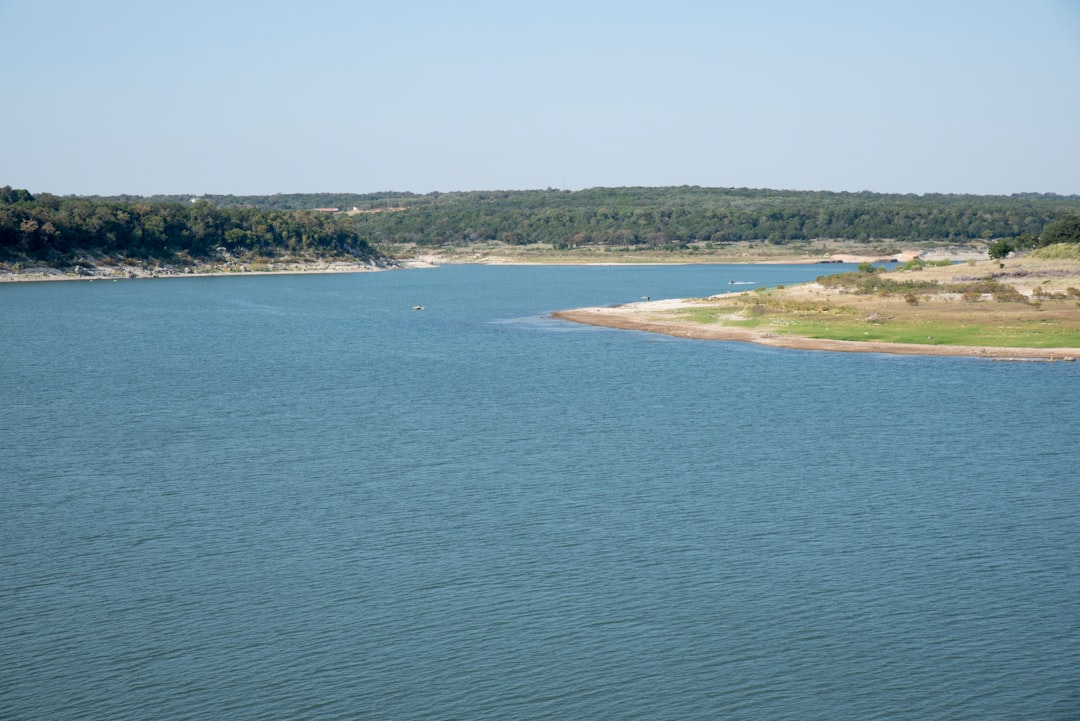
The Mississippi River, a colossal hydrological artery, serves as a primary freshwater source for millions across the United States. Its watershed, encompassing over 40% of the contiguous U.S., provides drinking water, supports agriculture, powers industries, and sustains diverse ecosystems. The safeguarding of this vital resource is paramount, facing multifaceted challenges that demand comprehensive and collaborative solutions. Protecting the Mississippi River water supply is not merely a regional concern; it is a national imperative, reflecting the intricate connection between human well-being, economic prosperity, and ecological health.
The Mississippi River and its vast network of tributaries represent a complex and interconnected system, providing an invaluable freshwater resource. Understanding its role necessitates an examination of the various ways it supports human and natural systems. The recent developments in the Mississippi River infrastructure have significantly improved transportation and trade efficiency.
Drinking Water for Millions
Millions of Americans directly rely on the Mississippi River for their drinking water. Major metropolitan areas, such as St. Louis, Memphis, and New Orleans, abstract significant quantities of water from the river for municipal use. This water undergoes extensive treatment processes to meet strict drinking water standards, ensuring public health. The quality of the raw water directly impacts the cost and effectiveness of these treatment processes, making source water protection a critical first line of defense. The river acts as a vast, open reservoir, its health directly correlating with the health of the populations it serves.
Agricultural Backbone
The fertile lands within the Mississippi River Basin are a global agricultural powerhouse. Irrigation, particularly for crops like corn, soybeans, and cotton, is heavily dependent on the river and its groundwater connections. The sheer scale of agricultural production in the basin underscores the river’s fundamental role in food security. Alterations in water quantity or quality can have profound ripple effects throughout national and international food markets. The river provides the lifeblood for the agricultural engine of the heartland.
Industrial and Commercial Uses
Industries along the Mississippi River, including manufacturing, energy production, and chemical processing, utilize its waters for cooling, processing, and transportation. The river also serves as a critical navigation corridor, facilitating the movement of raw materials and finished goods, further showcasing its economic significance. Ensuring a sufficient quantity of high-quality water is essential for the continued operation and economic viability of these sectors. The river is a working river, powering a significant portion of the nation’s economy.
Ensuring the security of intake water from the Mississippi River is crucial for both environmental sustainability and public health. A related article that delves into the challenges and solutions surrounding this issue can be found at MyGeoQuest. This resource provides valuable insights into the various factors affecting water quality and the measures being implemented to protect this vital resource for communities along the river.
Threats to the Mississippi River Water Supply
Despite its immense capacity for renewal, the Mississippi River’s water supply faces persistent and evolving threats. These challenges, often interconnected, necessitate a holistic approach to protection and remediation.
Agricultural Runoff and Nutrient Pollution
Perhaps the most pervasive threat to the Mississippi River’s water quality originates from agricultural runoff. Excess nutrients, primarily nitrogen and phosphorus from fertilizers, manures, and soil erosion, are carried by rainwater into tributaries and ultimately into the main stem of the river. This nutrient pollution fuels harmful algal blooms, depletes dissolved oxygen (hypoxia), and creates the expansive “dead zone” in the Gulf of Mexico. This ecological degradation directly impacts aquatic life and can complicate water treatment processes for downstream communities. The runoff acts as a persistent, diffuse pollutant, a slow-acting poison to the river’s health.
Industrial and Municipal Discharges
While regulations have significantly reduced point source pollution from industrial and municipal wastewater treatment plants, these discharges remain a concern. Emerging contaminants, such as pharmaceuticals, microplastics, and per- and polyfluoroalkyl substances (PFAS), are increasingly detected in river waters. Although often present in low concentrations, their long-term effects on human and ecological health are still being investigated. Maintaining and upgrading wastewater infrastructure and implementing stricter controls on industrial discharges are continuously necessary. These discharges represent localized inputs, demanding vigilant monitoring and robust treatment.
Habitat Degradation and Alteration
The physical alteration of the Mississippi River, including channelization, levee construction, and loss of wetlands, has profound impacts on water quality and quantity. Wetlands naturally filter pollutants, store floodwaters, and recharge groundwater. Their degradation reduces the river’s natural capacity for purification and resilience. Furthermore, altered flow regimes can exacerbate erosion and sediment transport, contributing to water turbidity and increasing the burden on water treatment facilities. The river’s natural defenses have been weakened, exposing it to greater vulnerability.
Climate Change Impacts
The effects of climate change are emerging as a significant long-term threat to the Mississippi River water supply. Altered precipitation patterns, including more intense rainfall events and prolonged droughts, can disrupt historical flow regimes. Increased flooding can overwhelm wastewater treatment systems, leading to releases of untreated sewage, while extended droughts can reduce water availability, intensify pollution concentrations, and strain water resources. Rising water temperatures can also reduce dissolved oxygen levels and promote the growth of harmful algae. Climate change represents an amplifying force, exacerbating existing stresses on the river.
Strategies for Protecting the Mississippi River
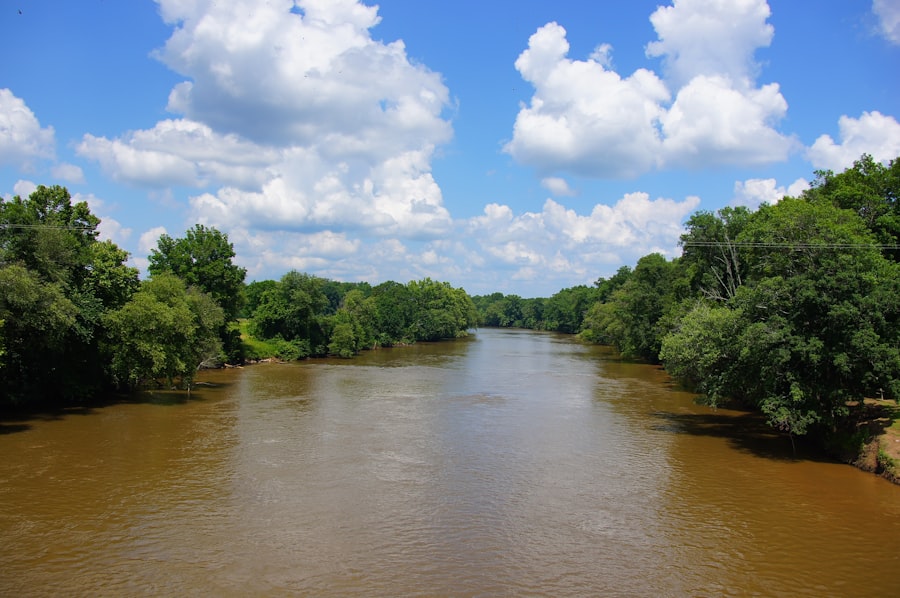
Protecting the Mississippi River water supply requires a multi-faceted and collaborative approach, engaging various stakeholders from individual landowners to federal agencies.
Best Management Practices in Agriculture
Addressing agricultural runoff is critical. This involves promoting and incentivizing the adoption of best management practices (BMPs) such as nutrient management plans, conservation tillage, cover cropping, and the restoration of riparian buffers. These practices aim to reduce the amount of nutrients and sediment entering waterways by optimizing fertilizer use, reducing soil erosion, and creating natural filtration systems. Educational outreach and financial assistance for farmers are crucial components of widespread BMP implementation. Such practices are the individual bricks in the wall of river protection, each contributing to a stronger defense.
Improved Wastewater Infrastructure and Regulation
Continued investment in modernizing municipal wastewater treatment plants is essential to ensure they can effectively remove traditional and emerging contaminants. Stricter regulations and enforcement for industrial discharges are also necessary, encouraging industries to adopt cleaner production processes and innovative treatment technologies. Monitoring programs need to be enhanced to track emerging contaminants and assess their ecological and human health risks. A robust regulatory framework acts as a safeguard, setting the boundaries for responsible water use.
Wetland Restoration and Conservation
Restoring and conserving wetlands along the Mississippi River and its tributaries is a highly effective natural strategy for water purification. Wetlands act as natural sponges, absorbing excess nutrients, trapping sediments, and filtering pollutants before they reach the main river channel. They also provide critical flood attenuation and wildlife habitat. Projects focused on “natural infrastructure” solutions, such as reconnecting floodplains, are vital for enhancing the river’s resilience. These natural systems are the river’s own purification laboratories, constantly working to maintain its cleanliness.
Collaborative Governance and Policy
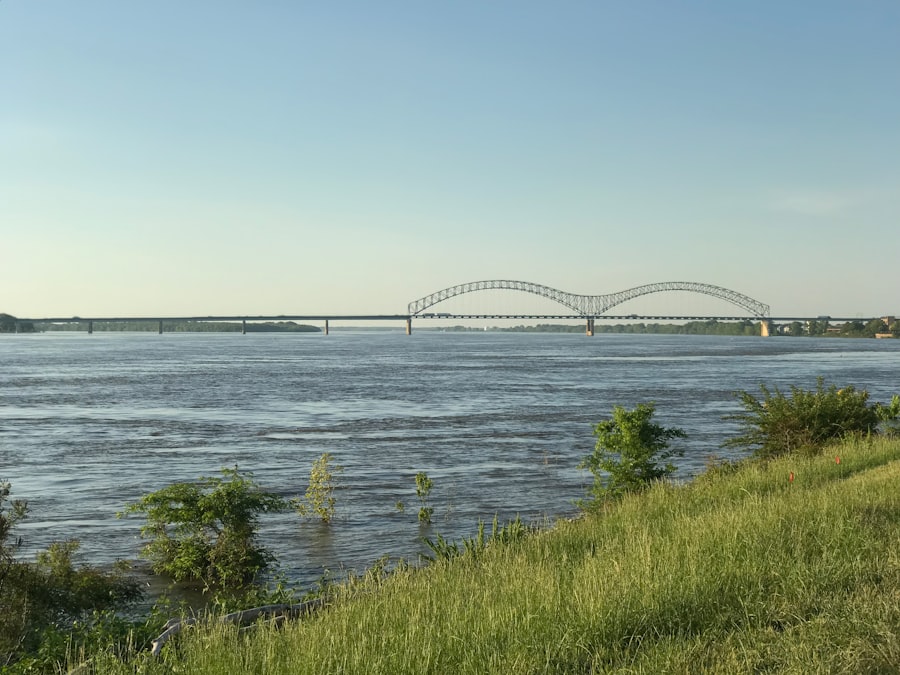
Effective protection of the Mississippi River requires a unified vision and coordinated action across a vast geographical and political landscape.
Interstate and Federal Partnerships
Given the multi-state nature of the Mississippi River Basin, robust interstate and federal partnerships are indispensable. Organizations like the Mississippi River/Gulf of Mexico Hypoxia Task Force facilitate collaboration among state and federal agencies to address issues like nutrient pollution. Comprehensive policy frameworks and coordinated research initiatives are necessary to create a cohesive strategy for the entire basin. Shared responsibility is the bedrock of successful river management.
Public Engagement and Education
Informing and engaging the public about the importance of the Mississippi River and the challenges it faces is fundamental. Educating citizens about their role in water conservation, mindful use of fertilizers, and proper disposal of waste can lead to widespread behavioral changes that collectively contribute to river health. Citizen science initiatives can empower individuals to monitor local water quality and advocate for protective measures. An informed citizenry is a vigilant guardian of the river.
Ensuring the security of intake water from the Mississippi River is crucial for the surrounding communities and ecosystems. A recent article discusses various strategies to enhance water quality and protect against contamination, highlighting the importance of sustainable practices. For more insights on this topic, you can read the full article here. This information is vital for understanding the challenges and solutions related to water security in this vital region.
Financial Investments and Economic Incentives
| Metric | Value | Unit | Description |
|---|---|---|---|
| Average Daily Intake Volume | 500 | Million Gallons per Day (MGD) | Average volume of water drawn from the Mississippi River for municipal use |
| Water Quality Index | 78 | Score (0-100) | Overall water quality rating based on chemical, physical, and biological parameters |
| Contaminant Level – Nitrates | 3.2 | mg/L | Concentration of nitrates in intake water, important for health safety |
| Contaminant Level – Lead | 0.005 | mg/L | Lead concentration in intake water, must be below EPA limits |
| Intake Security Incidents (Last Year) | 2 | Incidents | Number of reported security breaches or contamination events at intake points |
| Water Treatment Capacity | 600 | MGD | Maximum volume of water that can be treated from the intake source |
| Backup Intake Sources | 3 | Count | Number of alternative water intake points available for emergency use |
| Security Personnel Assigned | 15 | Personnel | Number of security staff dedicated to protecting intake infrastructure |
| Monitoring Frequency | 24 | Hours | Interval at which water quality and security systems are checked |
Protecting the Mississippi River water supply is not without cost, but addressing these challenges proactively offers long-term economic benefits far outweighing the expenses of inaction.
Funding for Infrastructure and Conservation
Significant financial investment is required for upgrading wastewater treatment plants, implementing agricultural BMPs, and undertaking large-scale wetland restoration projects. Federal and state funding mechanisms, grants, and private sector partnerships are crucial to mobilizing the necessary resources. Investing in these areas is an investment in the foundational infrastructure of well-being.
Economic Benefits of a Healthy River
Maintaining a healthy Mississippi River provides substantial economic benefits. These include reduced water treatment costs, sustained agricultural productivity, thriving recreational and tourism industries (e.g., fishing, boating), and preserved ecological services. Conversely, a degraded river leads to increased remediation expenses, economic losses in affected sectors, and potential public health crises. A healthy river is a prosperous river, a generator of wealth and well-being.
Protecting the Mississippi River water supply is an ongoing journey, a collective endeavor requiring sustained commitment and adaptive management. The river, a living testament to the nation’s history and a lifeline for its future, demands continuous vigilance. By addressing the multifaceted threats with coordinated strategies, robust policies, and consistent financial investment, humanity can ensure that this majestic waterway continues to nourish, sustain, and inspire for generations to come. The Mississippi River is more than just a body of water; it is a shared inheritance, a legacy to be cherished and defended.
WATCH THIS! 🚨CRACKING: Why America’s $5 Trillion Dam is Failing Right Now
FAQs
What is the Mississippi River intake water security?
Mississippi River intake water security refers to the measures and protocols implemented to protect the water intake systems that draw water from the Mississippi River. These systems supply water for municipal, industrial, and agricultural use, and securing them ensures safe and reliable access to clean water.
Why is water intake security important for the Mississippi River?
Water intake security is crucial because the Mississippi River is a major source of drinking water and industrial water for millions of people. Protecting intake points helps prevent contamination, sabotage, or disruptions that could impact public health, safety, and economic activities.
What are common threats to Mississippi River water intake systems?
Common threats include natural contamination (such as floods or sediment), accidental pollution (chemical spills or runoff), intentional contamination (terrorism or vandalism), and infrastructure failures. These threats can compromise water quality and supply.
How is the security of water intake systems maintained?
Security is maintained through physical barriers, surveillance systems, regular inspections, water quality monitoring, emergency response planning, and coordination with local, state, and federal agencies to detect and respond to potential threats.
Who is responsible for the security of Mississippi River water intakes?
Responsibility typically lies with local water utilities, municipal governments, and water management authorities, often in collaboration with state environmental agencies and federal organizations such as the Environmental Protection Agency (EPA) and the Department of Homeland Security (DHS).
Are there regulations governing the security of water intake systems on the Mississippi River?
Yes, there are federal and state regulations that require water utilities to implement security measures. The EPA’s regulations under the Safe Drinking Water Act and the America’s Water Infrastructure Act (AWIA) include provisions for risk assessments and emergency response planning for water systems.
What technologies are used to enhance water intake security?
Technologies include remote monitoring sensors, video surveillance, intrusion detection systems, water quality sensors, and automated alert systems. These tools help detect unauthorized access or contamination events quickly.
How can communities help protect Mississippi River water intake security?
Communities can support security by reporting suspicious activities near water intake facilities, participating in public awareness programs, and supporting local water authorities in implementing security measures and emergency preparedness plans.
What happens if a water intake system on the Mississippi River is compromised?
If compromised, water utilities may shut down the intake temporarily, switch to alternative water sources, issue boil water advisories, and initiate emergency response protocols to mitigate contamination and restore safe water supply.
Is climate change affecting the security of Mississippi River water intakes?
Yes, climate change can increase risks such as flooding, droughts, and extreme weather events, which may impact the physical infrastructure and water quality at intake points, necessitating enhanced security and resilience measures.