
The Darién Gap, a dense and largely uninhabited stretch of rainforest located between Panama and Colombia, holds immense ecological and cultural significance. This unique region serves as a critical biodiversity hotspot, home to countless species of flora and fauna, many of which are endemic and found nowhere else on Earth. The Gap’s intricate ecosystems play a vital role in regulating climate patterns and maintaining the health of the planet.
Its dense jungles and wetlands act as natural carbon sinks, absorbing carbon dioxide and helping to mitigate the effects of climate change. The importance of the Darién Gap extends beyond its environmental contributions; it is also a crucial corridor for wildlife migration, allowing various species to thrive and adapt in an ever-changing world. Moreover, the Darién Gap is steeped in cultural heritage, inhabited by several Indigenous communities that have lived in harmony with the land for centuries.
These communities possess invaluable traditional knowledge about sustainable practices and the intricate relationships between humans and nature. Their way of life is deeply intertwined with the region’s ecosystems, making their preservation essential not only for biodiversity but also for cultural diversity. The Darién Gap stands as a testament to the resilience of both nature and human culture, highlighting the need for concerted efforts to protect this irreplaceable area from the myriad threats it faces.
Key Takeaways
- The Darién Gap is a critical ecological region with rich biodiversity and cultural significance.
- It faces severe environmental threats, including deforestation and habitat loss.
- Conservation efforts involve wildlife protection, sustainable development, and support for indigenous communities.
- International collaboration and ecotourism are key strategies to promote preservation and awareness.
- Ongoing challenges require urgent, coordinated action to ensure the Darién Gap’s future sustainability.
Environmental Threats to the Darién Gap
The Darién Gap is not immune to the environmental threats that plague many natural habitats around the globe. One of the most pressing issues is deforestation, driven primarily by agricultural expansion, logging, and infrastructure development. As demand for land increases, vast swathes of forest are cleared, leading to habitat loss for countless species and disrupting the delicate balance of the ecosystem.
The construction of roads and highways through this pristine area poses significant risks, as it opens up previously inaccessible regions to exploitation and encroachment. In addition to deforestation, climate change presents a formidable challenge to the Darién Gap’s ecosystems. Rising temperatures and shifting rainfall patterns can alter the delicate balance of species interactions, potentially leading to declines in biodiversity.
The region’s unique flora and fauna may struggle to adapt to these rapid changes, resulting in increased vulnerability to extinction. Furthermore, pollution from agricultural runoff and industrial activities threatens water quality and soil health, compounding the challenges faced by this vital region.
Efforts to Protect the Darién Gap
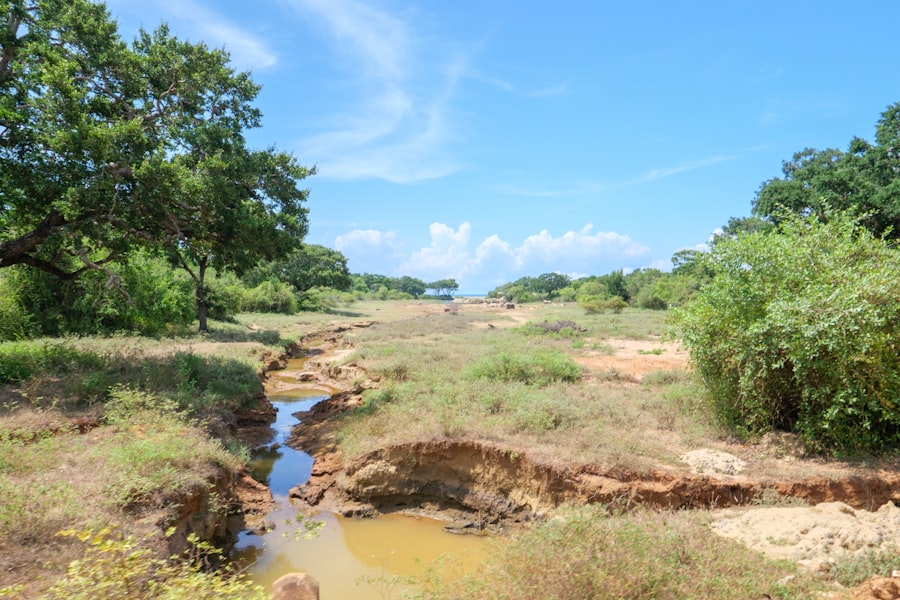
Recognizing the critical importance of the Darién Gap, various organizations and governments have initiated efforts to protect this unique region. Conservation programs aimed at preserving its biodiversity have been established, focusing on habitat restoration, sustainable land management practices, and community engagement. These initiatives often involve collaboration with local Indigenous communities, who possess invaluable knowledge about the land and its ecosystems.
By integrating traditional ecological practices with modern conservation strategies, these efforts aim to create a holistic approach to protecting the Darién Gap. In addition to grassroots initiatives, international organizations have also played a pivotal role in raising awareness about the importance of conserving the Darién Gap. Through funding, research, and advocacy, these organizations work to highlight the region’s ecological significance on a global scale.
They strive to mobilize resources and support for conservation projects while fostering partnerships between governments, NGOs, and local communities. By amplifying the voices of those who depend on the land for their livelihoods, these efforts seek to ensure that the Darién Gap remains a thriving ecosystem for generations to come.
Deforestation in the Darién Gap
Deforestation remains one of the most significant threats facing the Darién Gap today. The relentless push for agricultural development has led to extensive clearing of forests for crops such as palm oil and cattle ranching. This not only results in habitat destruction but also contributes to soil erosion and degradation, further exacerbating environmental challenges in the region.
The loss of trees disrupts local water cycles, leading to altered rainfall patterns that can have far-reaching consequences for both wildlife and human populations. Moreover, illegal logging activities pose an additional threat to the integrity of the Darién Gap’s forests. Unscrupulous logging operations often exploit weak enforcement of environmental regulations, leading to unsustainable practices that decimate large areas of forest.
The consequences of deforestation extend beyond immediate habitat loss; they also contribute to climate change by releasing stored carbon dioxide back into the atmosphere. As deforestation continues unchecked, it becomes increasingly clear that urgent action is needed to halt this destructive trend and protect one of the world’s last remaining tropical wildernesses.
Wildlife Conservation in the Darién Gap
| Metric | Value | Unit | Description |
|---|---|---|---|
| Protected Area Coverage | 5,790 | km² | Area under environmental protection in the Darién Gap region |
| Reforestation Rate | 150 | hectares/year | Annual area reforested to mitigate deforestation impacts |
| Endangered Species Monitored | 25 | species | Number of endangered species under active conservation programs |
| Illegal Logging Reduction | 40 | percent | Decrease in illegal logging activities due to mitigation efforts |
| Community Engagement | 12 | communities | Number of local communities involved in environmental programs |
| Environmental Education Sessions | 30 | sessions/year | Annual educational sessions conducted to raise awareness |
| Carbon Sequestration | 20,000 | tons CO₂/year | Estimated carbon dioxide absorbed annually by reforested areas |
The wildlife of the Darién Gap is as diverse as it is unique, with numerous species relying on its rich ecosystems for survival. From elusive jaguars to vibrant poison dart frogs, this region is home to an array of animals that play crucial roles in maintaining ecological balance. However, many of these species are threatened by habitat loss and poaching, making wildlife conservation efforts essential for their survival.
Conservationists are working tirelessly to implement strategies that protect these animals while also addressing the root causes of their decline. One effective approach has been the establishment of protected areas within the Darién Gap. These reserves serve as safe havens for wildlife, allowing populations to recover and thrive without the pressures of human encroachment.
Additionally, education programs aimed at local communities help raise awareness about the importance of wildlife conservation and promote sustainable practices that benefit both people and nature. By fostering a sense of stewardship among residents, these initiatives aim to create a culture of conservation that prioritizes the protection of biodiversity in the Darién Gap.
Sustainable Development in the Darién Gap
Sustainable development presents a viable pathway for balancing economic growth with environmental protection in the Darién Gap. By promoting practices that prioritize ecological integrity while providing economic opportunities for local communities, stakeholders can work towards a more harmonious relationship between people and nature. Initiatives such as agroforestry and ecotourism offer promising alternatives to traditional land-use practices that often lead to deforestation and habitat degradation.
This approach not only helps preserve biodiversity but also contributes to food security by diversifying agricultural outputs. Similarly, ecotourism has emerged as a powerful tool for promoting conservation while generating revenue for local communities.
By attracting visitors interested in experiencing the natural beauty and cultural richness of the Darién Gap, ecotourism can provide financial incentives for preserving this unique environment.
Indigenous Communities and the Darién Gap
Indigenous communities play a vital role in the stewardship of the Darién Gap’s ecosystems. Their deep-rooted connections to the land are reflected in their traditional practices that prioritize sustainability and respect for nature. These communities possess invaluable knowledge about local flora and fauna, as well as time-tested methods for managing resources responsibly.
Recognizing their contributions is essential for effective conservation efforts in the region. Empowering Indigenous communities through land rights and participation in decision-making processes is crucial for ensuring their voices are heard in conservation initiatives. Collaborative approaches that involve these communities can lead to more effective management strategies that align with their cultural values and traditional knowledge.
By fostering partnerships between Indigenous peoples and conservation organizations, stakeholders can work together towards a shared vision of protecting the Darién Gap while respecting its rich cultural heritage.
International Collaboration for Darién Gap Protection
The protection of the Darién Gap requires concerted efforts at both national and international levels. Collaboration among governments, NGOs, researchers, and local communities is essential for addressing the complex challenges facing this region. International partnerships can facilitate knowledge sharing, resource mobilization, and capacity building among stakeholders working towards conservation goals.
Organizations such as UNESCO have recognized the significance of the Darién Gap as a World Heritage site, highlighting its global importance for biodiversity conservation. By fostering international cooperation, stakeholders can leverage resources and expertise from around the world to implement effective conservation strategies. Collaborative initiatives can also raise awareness about the threats facing this unique region on a global scale, mobilizing support for protective measures that transcend national borders.
Ecotourism in the Darién Gap
Ecotourism has emerged as a promising avenue for promoting conservation while providing economic opportunities for local communities in the Darién Gap. By attracting visitors interested in experiencing its rich biodiversity and cultural heritage, ecotourism can generate revenue that supports conservation efforts and sustainable development initiatives. This approach not only benefits local economies but also fosters a greater appreciation for the natural environment among tourists.
However, it is essential that ecotourism is developed responsibly to minimize its impact on fragile ecosystems. Sustainable practices should be prioritized to ensure that tourism activities do not contribute to habitat degradation or disrupt wildlife populations. Engaging local communities in ecotourism ventures empowers them to take an active role in protecting their environment while benefiting economically from its preservation.
Challenges and Obstacles in Protecting the Darién Gap
Despite ongoing efforts to protect the Darién Gap, numerous challenges persist that hinder effective conservation initiatives. One significant obstacle is political instability in the region, which can complicate governance structures and impede collaboration among stakeholders. Corruption and lack of enforcement of environmental regulations further exacerbate these challenges, allowing illegal activities such as logging and poaching to flourish unchecked.
Additionally, competing interests from industries such as agriculture and mining often clash with conservation goals, creating tensions between economic development and environmental protection. Balancing these interests requires careful negotiation and collaboration among diverse stakeholders to find common ground that prioritizes both human well-being and ecological integrity.
The Future of the Darién Gap: A Call to Action
The future of the Darién Gap hangs in a delicate balance between conservation efforts and ongoing threats from human activities. As awareness grows about its ecological significance and cultural heritage, there is an urgent need for collective action to safeguard this irreplaceable region. Stakeholders must come together—governments, NGOs, Indigenous communities, researchers, and individuals—to advocate for policies that prioritize sustainable development while protecting biodiversity.
A call to action is necessary not only at local levels but also on international platforms where global cooperation can be fostered. By raising awareness about the importance of preserving the Darién Gap’s unique ecosystems and cultural heritage, individuals can contribute to a broader movement advocating for its protection. The time has come for concerted efforts that transcend borders—ensuring that future generations inherit a thriving Darién Gap rich in biodiversity and cultural diversity.
The Darién Gap, a critical region in Central America, faces significant environmental challenges due to deforestation and infrastructure development. To address these issues, various mitigation strategies are being explored. For a deeper understanding of the environmental impacts and potential solutions in this area, you can read the related article on environmental mitigation efforts in the Darién Gap here.
FAQs
What is the Darién Gap?
The Darién Gap is a dense, undeveloped swath of rainforest and swampland located between Panama and Colombia. It is known for its challenging terrain and is the only break in the Pan-American Highway, making it a significant ecological and geographical region.
Why is environmental mitigation important in the Darién Gap?
Environmental mitigation is crucial in the Darién Gap to preserve its unique biodiversity, protect indigenous communities, and prevent deforestation and habitat destruction caused by infrastructure development and human activities.
What are the main environmental concerns in the Darién Gap?
The primary concerns include deforestation, loss of biodiversity, disruption of indigenous lands, soil erosion, and the potential introduction of invasive species. These issues threaten the ecological balance and cultural heritage of the region.
What strategies are used for environmental mitigation in the Darién Gap?
Strategies include creating protected areas, implementing sustainable land-use practices, conducting environmental impact assessments before development, promoting reforestation projects, and involving local communities in conservation efforts.
How do local communities participate in environmental mitigation?
Indigenous and local communities participate by sharing traditional ecological knowledge, engaging in sustainable resource management, collaborating with conservation organizations, and advocating for their land rights and environmental protection.
Are there any international efforts to support environmental mitigation in the Darién Gap?
Yes, various international organizations and governments collaborate to fund conservation projects, support sustainable development initiatives, and promote cross-border cooperation to protect the Darién Gap’s environment.
What role does biodiversity play in the importance of the Darién Gap?
The Darién Gap is home to a vast array of plant and animal species, many of which are endemic or endangered. Its biodiversity is vital for ecological stability, scientific research, and maintaining global environmental health.
Can infrastructure development be balanced with environmental protection in the Darién Gap?
Balancing development and environmental protection requires careful planning, strict environmental regulations, use of eco-friendly technologies, and ongoing monitoring to minimize ecological impact while addressing human needs.
What are the potential consequences of failing to mitigate environmental damage in the Darién Gap?
Failure to mitigate environmental damage could lead to irreversible loss of biodiversity, disruption of indigenous cultures, increased carbon emissions, soil degradation, and negative impacts on regional climate and water cycles.
How can individuals contribute to the environmental mitigation efforts in the Darién Gap?
Individuals can support by raising awareness, donating to conservation organizations, advocating for sustainable policies, and promoting responsible tourism that respects the natural and cultural integrity of the Darién Gap.