
Flooding poses a significant threat to communities worldwide, often resulting in devastating consequences for both people and property. The risks associated with flooding are multifaceted, encompassing not only the immediate dangers of rising water levels but also the long-term impacts on infrastructure, ecosystems, and economies. As climate change continues to alter weather patterns, the frequency and intensity of flooding events are expected to increase, making it imperative for communities to understand these risks comprehensively.
Floods can arise from various sources, including heavy rainfall, storm surges, and the rapid melting of snow, each presenting unique challenges for preparedness and response. Moreover, the consequences of flooding extend beyond physical damage. The psychological toll on affected individuals can be profound, leading to increased stress and anxiety in the aftermath of a flood event.
Communities may face prolonged disruptions to their daily lives, with schools, businesses, and essential services rendered inoperable. Understanding these risks is crucial for developing effective flood management strategies that not only address immediate threats but also foster resilience in the face of future challenges.
Key Takeaways
- Flood prevention requires a combination of strong infrastructure, sustainable land use, and natural floodplain restoration.
- Early warning systems and community education are critical for preparedness and reducing flood impact.
- Collaboration with upstream communities enhances overall flood management effectiveness.
- Green infrastructure offers environmentally friendly solutions for controlling floods.
- Adequate funding is essential to implement and maintain comprehensive flood prevention strategies.
Importance of Flood Prevention Measures
Flood prevention measures are essential for safeguarding lives and property from the devastating impacts of flooding. These measures encompass a wide range of strategies, from structural solutions like levees and floodwalls to non-structural approaches such as land use planning and community education. By investing in flood prevention, communities can significantly reduce their vulnerability to flooding events and mitigate the associated economic losses.
The importance of these measures cannot be overstated; they serve as a proactive approach to managing risks rather than merely reacting to disasters after they occur. In addition to protecting physical assets, flood prevention measures also play a critical role in preserving the environment. Healthy ecosystems can act as natural buffers against flooding, absorbing excess water and reducing runoff.
By prioritizing flood prevention, communities can enhance their resilience while simultaneously promoting environmental sustainability. This dual benefit underscores the necessity of integrating flood prevention into broader planning efforts, ensuring that communities are better equipped to handle the challenges posed by climate change and extreme weather events.
Building Stronger Infrastructure
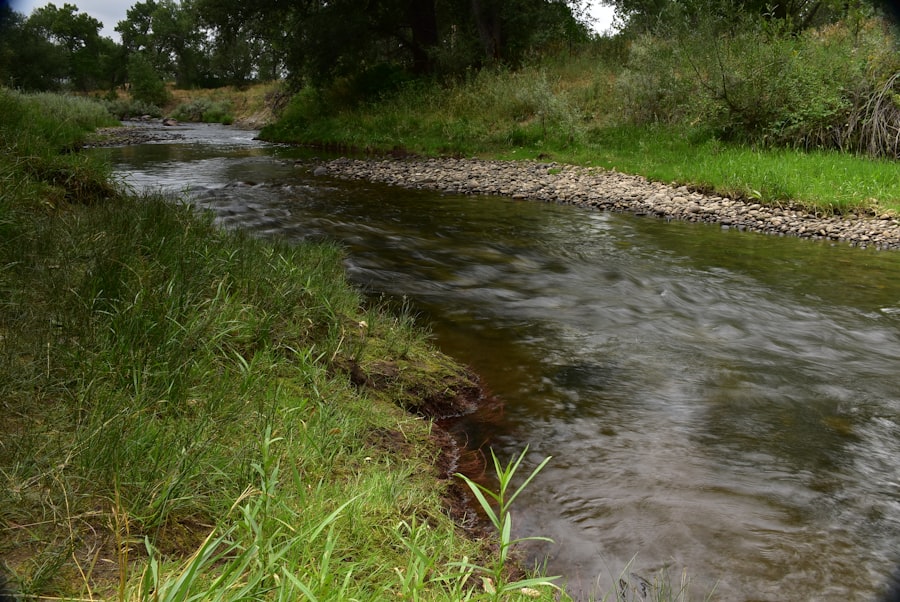
The foundation of effective flood management lies in building stronger infrastructure capable of withstanding the forces of nature. This involves not only reinforcing existing structures but also designing new ones with resilience in mind. Engineers and urban planners must collaborate to create infrastructure that can adapt to changing conditions, such as increased rainfall or rising sea levels.
This may include elevating buildings in flood-prone areas, constructing permeable surfaces to facilitate water absorption, and improving drainage systems to prevent overflow during heavy storms. Investing in stronger infrastructure is not merely a matter of enhancing physical structures; it also involves fostering community trust and engagement. When residents see tangible improvements in their environment, they are more likely to support ongoing efforts to enhance resilience.
Furthermore, strong infrastructure can serve as a catalyst for economic growth, attracting businesses and residents alike.
Implementing Sustainable Land Use Planning
| Metric | Description | Unit | Target | Current Value | Source |
|---|---|---|---|---|---|
| Percentage of Land Under Sustainable Management | Proportion of total land area managed using sustainable practices | % | 75% | 48% | National Land Use Survey 2023 |
| Soil Erosion Rate | Average annual soil loss due to erosion | tons/hectare/year | <2 | 3.5 | Environmental Monitoring Report 2023 |
| Forest Cover Change | Annual percentage change in forested land area | % per year | 0 (no net loss) | -1.2 | Forestry Department 2023 |
| Urban Green Space per Capita | Area of green space available per urban resident | m²/person | 15 | 9 | City Planning Office 2023 |
| Water Runoff Reduction | Reduction in surface water runoff due to land use planning | % reduction | 20% | 12% | Hydrology Study 2023 |
| Protected Areas Coverage | Percentage of land designated as protected areas | % | 30% | 25% | Conservation Authority 2023 |
| Community Participation Rate | Percentage of local communities involved in land use planning | % | 80% | 65% | Stakeholder Engagement Report 2023 |
Sustainable land use planning is a critical component of effective flood management strategies. By carefully considering how land is developed and utilized, communities can minimize their exposure to flooding risks. This involves zoning regulations that restrict development in flood-prone areas, promoting green spaces that absorb excess water, and encouraging the use of permeable materials in construction.
Sustainable land use planning not only reduces vulnerability but also enhances the overall quality of life for residents by preserving natural landscapes and promoting biodiversity. Moreover, engaging stakeholders in the planning process is essential for ensuring that land use decisions reflect the needs and values of the community. Public participation fosters a sense of ownership and accountability among residents, leading to more effective implementation of flood management strategies.
By prioritizing sustainable land use planning, communities can create resilient environments that are better equipped to withstand the challenges posed by flooding and climate change.
Creating Natural Floodplains
Natural floodplains serve as vital ecosystems that can absorb excess water during flooding events, reducing the impact on surrounding areas. By restoring and preserving these natural landscapes, communities can enhance their resilience to flooding while simultaneously promoting biodiversity and improving water quality. The creation of natural floodplains involves reestablishing wetlands, restoring riverbanks, and implementing conservation practices that allow ecosystems to function effectively.
In addition to their ecological benefits, natural floodplains provide recreational opportunities for residents and contribute to the overall aesthetic value of a community. They can serve as vital habitats for wildlife while offering spaces for outdoor activities such as hiking, fishing, and birdwatching. By investing in the creation and restoration of natural floodplains, communities can foster a deeper connection between residents and their environment while enhancing their capacity to manage flooding risks.
Investing in Early Warning Systems
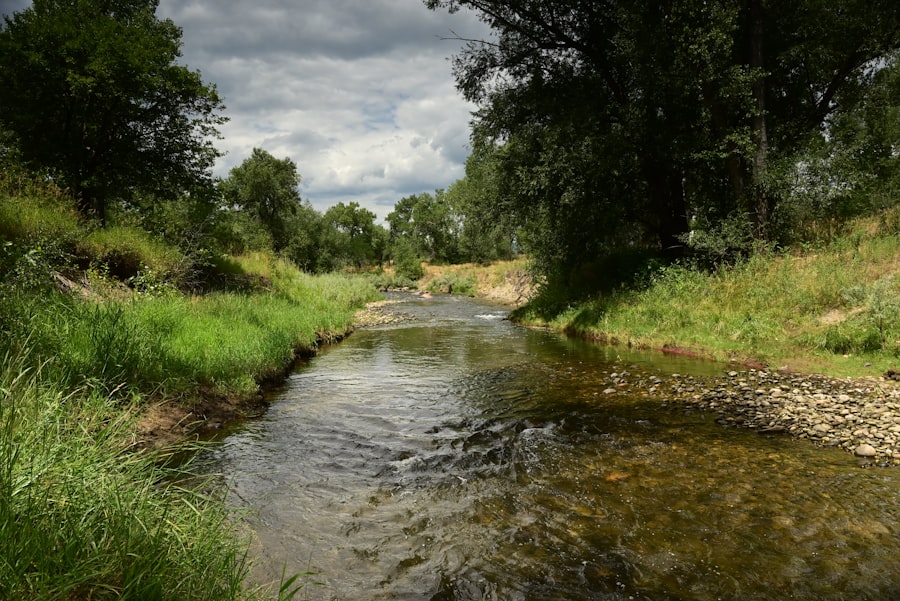
Early warning systems are crucial for effective flood management, providing timely information that enables communities to prepare for impending flood events. These systems utilize advanced technology to monitor weather patterns, river levels, and other relevant data, allowing authorities to issue alerts when conditions indicate a potential flood.
The effectiveness of early warning systems relies on clear communication and public awareness. Communities must ensure that residents understand how to respond to alerts and what actions to take during a flood event. This may involve conducting regular drills, providing educational materials, and utilizing multiple communication channels to reach diverse populations.
By prioritizing early warning systems as part of their flood management strategy, communities can enhance their preparedness and resilience in the face of natural disasters.
Promoting Community Education and Preparedness
Community education plays a pivotal role in fostering resilience against flooding. By equipping residents with knowledge about flood risks and preparedness strategies, communities can empower individuals to take proactive measures to protect themselves and their property. Educational initiatives may include workshops on emergency preparedness, distribution of informational materials about local flood risks, and training sessions on how to respond during a flood event.
Moreover, promoting community preparedness extends beyond individual actions; it involves building social networks that enhance collective resilience. When neighbors collaborate on preparedness efforts—such as creating emergency plans or establishing communication channels—they strengthen their community’s ability to respond effectively during crises. By prioritizing community education and preparedness initiatives, communities can cultivate a culture of resilience that empowers residents to navigate the challenges posed by flooding.
Enhancing Emergency Response and Recovery Plans
Effective emergency response and recovery plans are essential for minimizing the impacts of flooding on communities. These plans should outline clear protocols for evacuation, sheltering displaced individuals, and coordinating resources during a flood event. Additionally, recovery plans must address long-term rebuilding efforts, ensuring that communities can recover swiftly while incorporating lessons learned from past experiences.
Collaboration among various stakeholders is crucial for enhancing emergency response capabilities. Local governments, emergency services, non-profit organizations, and community members must work together to develop comprehensive plans that address the unique needs of their community. Regular training exercises and simulations can help ensure that all parties are prepared to respond effectively when disaster strikes.
By prioritizing emergency response and recovery planning, communities can build resilience against flooding while fostering a sense of security among residents.
Collaborating with Upstream Communities
Flooding is often a regional issue that transcends local boundaries; therefore, collaboration with upstream communities is essential for effective flood management. Water flows through interconnected systems, meaning that actions taken in one area can significantly impact downstream regions. By fostering partnerships with neighboring communities, local governments can develop coordinated strategies that address shared flooding risks.
Such collaboration may involve joint investments in infrastructure improvements, shared data collection efforts for better monitoring of water levels, or coordinated emergency response plans that account for regional dynamics. Engaging upstream communities in discussions about land use practices can also lead to more sustainable approaches that mitigate flooding risks across larger areas. By prioritizing collaboration with upstream communities, local governments can enhance their overall resilience while fostering a sense of shared responsibility for managing flooding challenges.
Utilizing Green Infrastructure for Flood Control
Green infrastructure offers innovative solutions for managing stormwater runoff and mitigating flooding risks. This approach emphasizes the use of natural systems—such as green roofs, rain gardens, permeable pavements, and urban forests—to absorb excess rainwater and reduce surface runoff. By integrating green infrastructure into urban planning efforts, communities can enhance their resilience while promoting environmental sustainability.
The benefits of green infrastructure extend beyond flood control; it also contributes to improved air quality, increased biodiversity, and enhanced urban aesthetics. Communities that prioritize green infrastructure create healthier living environments for residents while addressing pressing challenges related to climate change. By investing in these sustainable solutions, local governments can foster a more resilient future that balances development needs with environmental stewardship.
Ensuring Adequate Funding for Flood Prevention Measures
Securing adequate funding for flood prevention measures is paramount for effective implementation of strategies aimed at mitigating flooding risks. Governments at all levels must prioritize budget allocations for infrastructure improvements, community education initiatives, and emergency response planning efforts. Additionally, exploring diverse funding sources—such as grants from federal agencies or partnerships with private organizations—can help bolster financial resources dedicated to flood management.
Moreover, engaging the community in discussions about funding priorities fosters transparency and accountability in decision-making processes. When residents understand how funds are allocated and the rationale behind specific investments, they are more likely to support ongoing efforts aimed at enhancing resilience against flooding. By ensuring adequate funding for flood prevention measures, communities can build a solid foundation for long-term sustainability while safeguarding lives and property from the impacts of flooding events.
To effectively protect communities downstream from potential environmental hazards, it is crucial to implement comprehensive strategies that address water management and pollution control. A related article that delves into these strategies can be found here: Protecting Communities Downstream. This resource provides valuable insights into best practices and innovative solutions aimed at safeguarding the health and safety of populations living near water bodies.
WATCH THIS! The $50 Billion Lie: America’s Dams Are About to Fail (60-Minute Documentary)
FAQs
What does “protecting communities downstream” mean?
Protecting communities downstream refers to efforts and measures taken to safeguard populations living along rivers, lakes, or other water bodies from potential hazards such as flooding, pollution, or water scarcity caused by activities upstream.
Why is it important to protect communities downstream?
It is important because actions taken upstream—such as dam construction, deforestation, or industrial discharge—can significantly impact water quality, availability, and flood risks downstream, affecting the health, safety, and livelihoods of those communities.
What are common threats faced by downstream communities?
Common threats include flooding, water pollution, sedimentation, reduced water flow, and ecosystem degradation, all of which can result from upstream land use changes, infrastructure projects, or climate change.
How can upstream activities impact downstream communities?
Upstream activities can alter water flow patterns, increase sediment or pollutant loads, reduce water availability, and disrupt natural ecosystems, leading to increased flood risk, water contamination, and loss of biodiversity downstream.
What strategies are used to protect downstream communities?
Strategies include integrated watershed management, sustainable land use planning, construction of flood control infrastructure, pollution control measures, early warning systems, and community engagement in decision-making processes.
Who is responsible for protecting communities downstream?
Responsibility is shared among government agencies, local authorities, environmental organizations, upstream landowners, and the communities themselves, often requiring coordinated efforts across regions and sectors.
How does climate change affect downstream communities?
Climate change can increase the frequency and severity of extreme weather events like floods and droughts, alter water availability, and exacerbate existing vulnerabilities in downstream communities.
Can technology help in protecting downstream communities?
Yes, technologies such as remote sensing, hydrological modeling, early warning systems, and water quality monitoring can improve risk assessment, preparedness, and response to threats facing downstream communities.
What role do local communities play in protecting themselves downstream?
Local communities contribute by participating in planning and management, adopting sustainable practices, maintaining natural buffers like wetlands, and responding effectively to early warnings and emergency situations.
Are there international examples of protecting downstream communities?
Yes, many transboundary river basin organizations and international agreements focus on cooperative water management to protect downstream communities, such as the Mekong River Commission and the Nile Basin Initiative.