
Reefer cargo spoilage is a significant concern in the transportation of perishable goods, and understanding its causes is crucial for stakeholders in the supply chain. Various factors contribute to spoilage, including temperature fluctuations, humidity levels, and improper handling. Temperature control is paramount; even minor deviations from the required temperature range can lead to rapid deterioration of sensitive products such as fruits, vegetables, and pharmaceuticals.
For instance, a sudden increase in temperature can accelerate the ripening process of fruits, leading to spoilage before they reach their destination. Moreover, humidity plays a critical role in the preservation of perishable goods. Excess moisture can lead to mold growth and decay, while insufficient humidity can cause dehydration and loss of quality.
Additionally, human error during loading and unloading processes can introduce risks, such as contamination or physical damage to the cargo. Understanding these causes allows stakeholders to implement preventive measures that can significantly reduce the risk of spoilage during transit.
Key Takeaways
- Identifying and managing causes of spoilage is crucial for preserving reefer cargo quality.
- Maintaining optimal temperature, humidity, and ventilation prevents cargo deterioration.
- Regular container maintenance and pre-trip inspections ensure reliable refrigeration performance.
- Proper packaging, handling, and selecting suitable transport modes reduce spoilage risks.
- Training personnel and using advanced monitoring technology enhance cargo safety and tracking.
Proper Temperature Management
Effective temperature management is the cornerstone of preserving reefer cargo. Maintaining a consistent temperature throughout the transportation process is essential for preventing spoilage. This involves not only setting the correct temperature on the reefer unit but also ensuring that it remains stable during transit.
Fluctuations can occur due to various reasons, including door openings, inadequate insulation, or malfunctioning equipment. Therefore, it is vital to monitor temperatures continuously and make adjustments as necessary. In addition to monitoring, proper loading techniques can enhance temperature management.
For example, ensuring that cargo is evenly distributed within the container allows for better airflow and temperature consistency. It is also important to avoid overloading the container, as this can obstruct air circulation and create hot spots. By prioritizing proper temperature management practices, stakeholders can significantly reduce the risk of cargo spoilage and ensure that products arrive in optimal condition.
Regular Maintenance of Reefer Containers
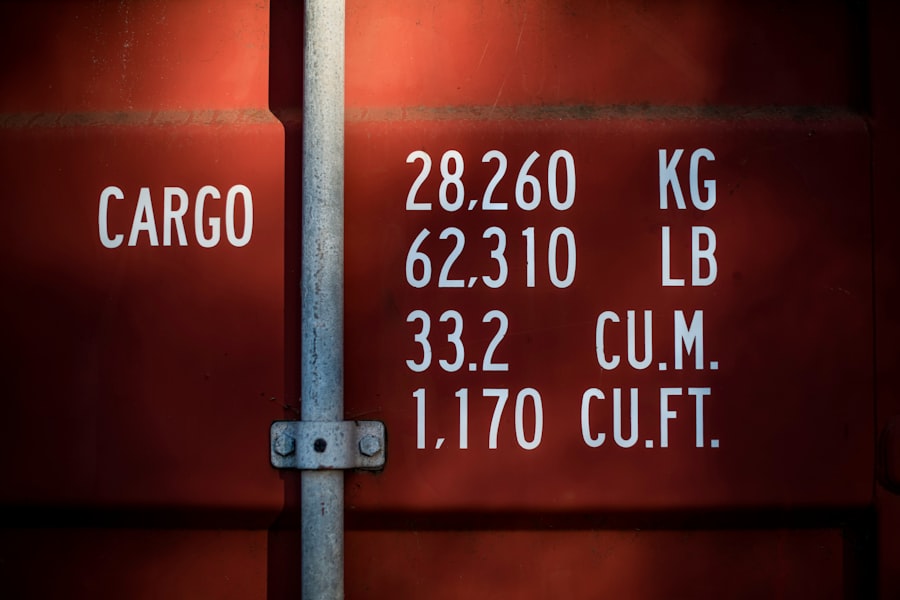
Regular maintenance of reefer containers is essential for ensuring their optimal performance and longevity. Just like any other piece of equipment, reefer units require routine checks and servicing to function effectively. This includes inspecting refrigeration systems, checking for leaks, and ensuring that all components are in good working order.
Neglecting maintenance can lead to equipment failure during transit, resulting in costly spoilage and loss of product integrity. Furthermore, regular maintenance extends beyond mechanical checks; it also involves cleaning the interior of the containers to prevent contamination. Residual odors or residues from previous shipments can affect the quality of new cargo.
By implementing a strict maintenance schedule, operators can ensure that their reefer containers are always ready for use and capable of maintaining the required conditions for perishable goods.
Monitoring and Controlling Humidity Levels
Humidity control is another critical aspect of preserving reefer cargo. High humidity levels can create an environment conducive to mold growth and decay, while low humidity can lead to dehydration and loss of freshness in products like fruits and vegetables. Therefore, it is essential to monitor humidity levels throughout the transportation process actively.
Many modern reefer units come equipped with humidity control systems that allow operators to set specific humidity levels based on the type of cargo being transported. In addition to using technology for monitoring, stakeholders should also consider the nature of the cargo when determining humidity levels. For instance, leafy greens may require higher humidity levels to maintain freshness, while dry goods may need lower humidity to prevent spoilage.
Ensuring Proper Ventilation
| Metric | Description | Typical Value / Range | Unit |
|---|---|---|---|
| Average Spoilage Rate | Percentage of reefer cargo lost due to spoilage during transit | 2% – 5% | % |
| Temperature Deviation | Average deviation from optimal temperature settings in reefer containers | ±1 to ±3 | °C |
| Transit Time | Average duration of reefer cargo shipment | 7 – 30 | Days |
| Humidity Level | Relative humidity maintained inside reefer containers | 85% – 95% | % RH |
| Power Failure Incidents | Number of power outages affecting reefer containers per 1000 shipments | 1 – 3 | Incidents |
| Pre-cooling Time | Time taken to pre-cool reefer containers before loading cargo | 2 – 4 | Hours |
| Percentage of Cargo Rejected | Proportion of cargo rejected at destination due to spoilage | 1% – 3% | % |
Proper ventilation within reefer containers is crucial for maintaining an even temperature and preventing spoilage. Adequate airflow helps distribute cold air throughout the cargo space, reducing the risk of hot spots that can lead to uneven cooling. Additionally, ventilation helps remove excess moisture from the container, which is particularly important for products that are sensitive to humidity.
To ensure proper ventilation, operators should avoid blocking air vents with cargo or packing materials. It is also advisable to use pallets or other methods to elevate cargo off the floor of the container, allowing air to circulate freely around all sides of the products. By prioritizing ventilation in their loading practices, stakeholders can create an environment that supports the preservation of perishable goods during transit.
Using Quality Packaging Materials

The choice of packaging materials plays a significant role in protecting reefer cargo from spoilage. High-quality packaging not only provides physical protection but also helps regulate temperature and humidity levels within the container. For instance, insulated packaging materials can help maintain a stable temperature during transit, while breathable films can allow moisture to escape without compromising product integrity.
Moreover, using appropriate packaging materials tailored to specific types of cargo can enhance preservation efforts. For example, ethylene-absorbing materials can be beneficial for fruits that are sensitive to this natural ripening gas. By investing in quality packaging solutions, stakeholders can significantly reduce the risk of spoilage and ensure that their products arrive at their destination in optimal condition.
Implementing Good Handling Practices
Good handling practices are essential for minimizing the risk of reefer cargo spoilage during loading, unloading, and transportation processes. Proper training for personnel involved in these operations is crucial; they must understand how to handle perishable goods safely and efficiently. This includes knowing how to load cargo without damaging it and how to monitor conditions within the reefer unit throughout transit.
Additionally, implementing standardized procedures for handling perishable goods can help streamline operations and reduce errors. For example, establishing protocols for checking temperatures upon loading and unloading ensures that any deviations are addressed immediately. By fostering a culture of care and attention among personnel, stakeholders can significantly enhance their ability to prevent spoilage and maintain product quality.
Choosing the Right Transportation Mode
Selecting the appropriate transportation mode is a critical decision that impacts the preservation of reefer cargo.
For instance, air freight may provide faster delivery times but often at a higher cost compared to sea freight.
However, sea freight may expose cargo to longer transit times and potential temperature fluctuations if not managed properly. When choosing a transportation mode, stakeholders must consider factors such as delivery timelines, cost-effectiveness, and the specific requirements of the cargo being transported. For highly perishable items that require strict temperature control, air freight may be more suitable despite its higher costs.
Conversely, for less time-sensitive goods, sea freight may be a viable option if proper precautions are taken to ensure temperature stability throughout transit.
Conducting Pre-Trip Inspections
Conducting thorough pre-trip inspections is a vital step in ensuring that reefer containers are ready for transporting perishable goods. These inspections should include checking refrigeration units for functionality, verifying that insulation is intact, and ensuring that all seals are secure to prevent temperature loss during transit. Any issues identified during these inspections should be addressed immediately to avoid potential spoilage.
In addition to mechanical checks, pre-trip inspections should also involve assessing cleanliness within the container. Residues from previous shipments can contaminate new cargo if not properly cleaned out beforehand. By implementing a rigorous pre-trip inspection protocol, operators can significantly reduce the risk of spoilage and ensure that their reefer containers are fully prepared for safe transport.
Training and Educating Personnel
Training and educating personnel involved in handling reefer cargo is essential for minimizing spoilage risks throughout the supply chain. Employees must be well-versed in best practices for loading and unloading perishable goods, as well as understanding how temperature and humidity affect product quality. Regular training sessions can help reinforce these concepts and keep staff updated on any new technologies or procedures.
Moreover, fostering a culture of awareness regarding spoilage risks among personnel can lead to more conscientious handling practices. Encouraging employees to report any concerns or irregularities they observe during operations can help identify potential issues before they escalate into significant problems. By investing in personnel training and education, stakeholders can create a more resilient supply chain capable of effectively managing perishable goods.
Utilizing Technology for Monitoring and Tracking
The integration of technology into reefer cargo management has revolutionized how stakeholders monitor and track conditions during transit. Advanced monitoring systems equipped with sensors allow real-time tracking of temperature and humidity levels within containers. This data can be accessed remotely by operators, enabling them to make informed decisions quickly if any deviations occur.
Additionally, utilizing GPS tracking technology provides visibility into the location of shipments throughout their journey. This information allows stakeholders to anticipate potential delays or disruptions that could impact product quality. By leveraging technology for monitoring and tracking purposes, stakeholders can enhance their ability to prevent spoilage and ensure that perishable goods arrive at their destination in optimal condition.
In conclusion, managing reefer cargo effectively requires a multifaceted approach that encompasses understanding spoilage causes, implementing proper temperature management practices, maintaining equipment regularly, controlling humidity levels, ensuring ventilation, using quality packaging materials, adopting good handling practices, selecting appropriate transportation modes, conducting pre-trip inspections, training personnel adequately, and utilizing technology for monitoring purposes. By addressing each of these areas diligently, stakeholders in the supply chain can significantly reduce the risk of spoilage and maintain product integrity throughout transit.
Reefer cargo spoilage is a critical issue in the shipping industry, as it can lead to significant financial losses and food safety concerns. For a deeper understanding of the factors contributing to this problem, you can read the article on this topic at this link. It provides valuable insights into the best practices for maintaining the integrity of temperature-sensitive shipments.
WATCH THIS! 🌍 THE $15 TRILLION GAMBLE: What Happens If The Strait of Malacca Closes For One Week?
FAQs
What is reefer cargo spoilage?
Reefer cargo spoilage refers to the deterioration or damage of perishable goods transported in refrigerated containers (reefers) due to temperature fluctuations, equipment failure, or improper handling during transit.
What types of goods are typically transported in reefer containers?
Reefer containers are used to transport perishable goods such as fruits, vegetables, dairy products, meat, seafood, pharmaceuticals, and other temperature-sensitive items.
What causes reefer cargo spoilage?
Common causes include malfunctioning refrigeration units, power outages, incorrect temperature settings, delays during transit, improper packaging, and exposure to external temperature variations.
How can reefer cargo spoilage be prevented?
Prevention measures include regular maintenance and inspection of refrigeration units, proper temperature monitoring, using appropriate packaging materials, ensuring timely transit, and training personnel in handling perishable goods.
What are the signs of reefer cargo spoilage?
Signs include unpleasant odors, discoloration, texture changes, visible mold or decay, and in some cases, temperature logs indicating deviations from the required range.
Who is responsible for reefer cargo spoilage during shipping?
Responsibility can vary depending on the terms of the shipping contract, but generally, the carrier is responsible for maintaining the refrigeration system, while the shipper must ensure proper packaging and documentation.
What should be done if reefer cargo spoilage is suspected upon delivery?
The consignee should document the condition of the cargo immediately, notify the carrier and insurer, and follow the claims procedure as outlined in the shipping agreement.
Are there insurance options for reefer cargo spoilage?
Yes, cargo insurance policies often cover losses due to spoilage, but coverage depends on the specific terms and conditions of the policy.
How is temperature monitored in reefer containers?
Temperature is monitored using built-in sensors and data loggers that record temperature throughout the journey, allowing for real-time tracking and post-shipment analysis.
Can reefer cargo spoilage occur during storage as well as transit?
Yes, spoilage can occur during storage if refrigeration conditions are not properly maintained, making it important to monitor temperature both during transit and at storage facilities.