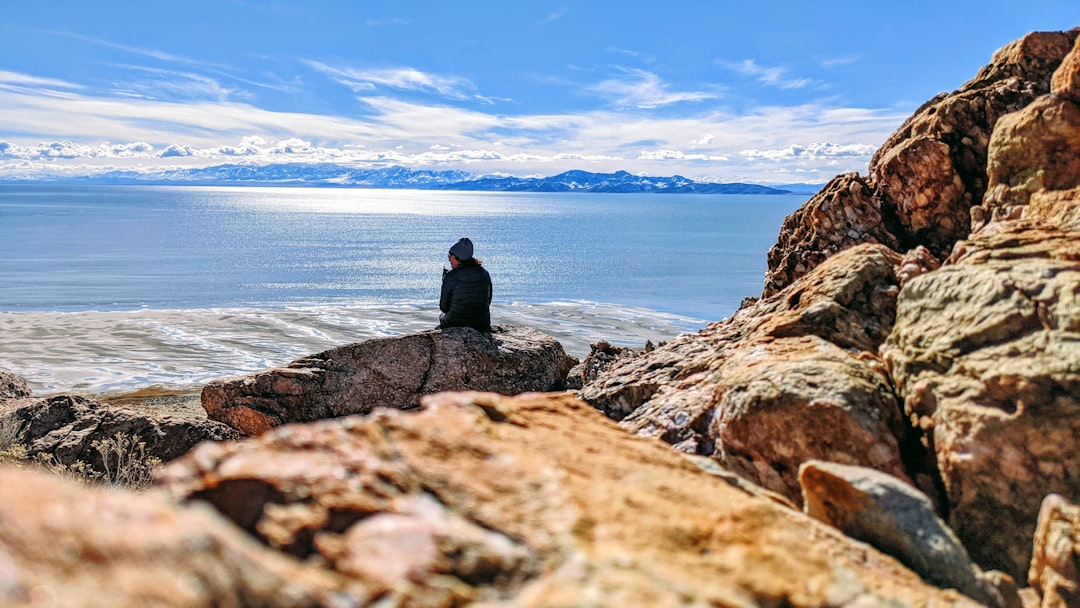
The Great Salt Lake, a saline inland sea cradled in the heart of Utah, stands as an ecological and economic linchpin. Its vast expanse, though fluctuating, has historically supported a unique ecosystem and a robust economy based on mineral extraction and brine shrimp fisheries. However, in recent decades, the lake has faced a precipitous decline, its surface area shrinking and its salinity increasing to critical levels. This drying is not merely an aesthetic concern; it represents an existential threat to the myriad species that depend on its waters, the air we breathe, and the industries that call it home. Understanding the causes of this Great Salt Lake crisis and implementing tangible solutions are paramount for its preservation.
The precipitous decline of the Great Salt Lake is a complex ecological challenge, akin to a mighty river being slowly choked of its lifeblood. The primary culprit is a deficit in water inflow, a consequence of human demand and climate change. For decades, the lake has received significantly less water than it loses through evaporation, leading to a persistent drawdown. This imbalance is not a recent phenomenon; it’s the cumulative effect of a long-term trend, a slow burn that has brought the lake to a precarious tipping point.
Understanding the Water Balance: The Lake’s Lifeline
The Great Salt Lake’s health is intrinsically tied to its water balance, a delicate equilibrium between inflow and outflow, evaporation and precipitation. This balance is not a static ledger but a dynamic system influenced by a multitude of factors, many of which are increasingly being tipped against the lake.
The Role of Precipitation and Snowpack
Precipitation, particularly in the form of snow in the surrounding Wasatch Mountains, is the primary source of freshwater feeding the Great Salt Lake. The annual snowpack acts as a natural reservoir, storing water during the winter months and releasing it gradually during the spring and summer melt. A robust snowpack translates to significant inflow, replenishing the lake and mitigating evaporation losses. Conversely, prolonged droughts and warmer temperatures, which lead to earlier snowmelt or a greater proportion of precipitation falling as rain, directly reduce the amount of water that ultimately reaches the lake. This is a critical piece of the puzzle; a diminished snowpack is like a weakened pulse for the lake.
Evaporation: The Unseen Drain
Evaporation is the silent thief of the Great Salt Lake’s volume. Under the arid conditions of the Great Basin, the lake’s surface is constantly losing water to the atmosphere. The rate of evaporation is influenced by factors such as air temperature, humidity, wind speed, and the surface area of the lake itself. As the lake shrinks, its surface area decreases, which might seem counterintuitive to increased evaporation. However, the remaining water becomes more saline, which can slightly impede evaporation. Still, the overwhelming effect of higher temperatures and persistent dryness means evaporation remains a significant contributor to the lake’s decline. Think of the lake as a parched mouth, constantly losing moisture to the dry air.
To understand the critical measures needed to save the Great Salt Lake from drying up, you can explore a related article that discusses innovative solutions and community efforts aimed at preserving this vital ecosystem. The article highlights various strategies, including water conservation techniques and policy changes, that can help mitigate the lake’s declining water levels. For more insights, visit this article.
Human Impact: Diverting the Flow
While natural factors play a role, human activity is the most significant driver of the Great Salt Lake’s shrinking basin. The diversion and consumption of water that would otherwise flow into the lake has created a gaping hole in its essential water supply.
Agricultural Water Use
Agriculture, particularly irrigation for crops and livestock, represents the largest single consumptive use of water in the Great Salt Lake basin. Vast quantities of water are drawn from rivers and groundwater sources that historically fed the lake, including the Bear, Weber, and Jordan Rivers. While essential for food production, these diversions significantly reduce the volume of freshwater reaching the lake, especially during drier periods. This is akin to diverting tributaries from a mighty river; each diversion, however small, contributes to the overall reduction of flow downstream.
Municipal and Industrial Demand
Urbanization and industrial activities within the basin also contribute to water demand. Cities and industries require water for domestic use, power generation, and various manufacturing processes. While these demands are typically smaller in aggregate than agricultural use, they further contribute to the overall water deficit. As populations grow, so does the pressure on finite water resources.
Reservoir Storage and Management
The construction and management of reservoirs on rivers feeding the Great Salt Lake further impact natural inflow. While reservoirs are crucial for water storage and flood control, their operation can alter the timing and volume of water released downstream. In dry years, prioritizing downstream human needs can lead to reduced releases into the lake, exacerbating the problem.
The Ecological Cascade: A Ripple Effect of Decline
The shrinking of the Great Salt Lake triggers a domino effect across its delicate ecosystem, impacting not only the lake’s unique inhabitants but also the broader environment of the region.
Impact on Migratory Birds
The Great Salt Lake is a vital stopover point for millions of migratory birds along the Pacific Flyway. The lake and its surrounding wetlands provide crucial feeding and resting grounds for numerous species, including shorebirds, waterfowl, and various wading birds. The dwindling lake levels reduce the available habitat and food sources, threatening the survival of these populations. The loss of the lake is like losing a critical refueling station on a long and arduous journey; birds find themselves stranded with dwindling resources.
Brine Shrimp and Their Predators
The high salinity of the Great Salt Lake supports a unique food web, with brine shrimp (Artemia franciscana) and brine flies (Ephydra spp.) forming the base. These small invertebrates are a critical food source for the plethora of migratory birds that depend on the lake. As the lake becomes more saline, the habitat for brine shrimp and brine flies can become inhospitable or shift, impacting the entire food chain. This is a precarious foundation; if the base of the food web crumbles, everything above it is at risk.
Salinity Levels and Species Viability
As water evaporates and inflow diminishes, the concentration of salt in the Great Salt Lake increases. While the lake is naturally saline, reaching extreme levels can become toxic to many of its endemic species. This increased salinity can impact the reproduction and survival rates of brine shrimp and flies, with profound consequences for the bird populations that rely on them.
The Dust Threat: A Hidden Danger
One of the most concerning consequences of the Great Salt Lake drying is the exposure of its lakebed, unleashing potentially hazardous dust into the atmosphere.
Dust Storms and Hazardous Materials
As the lake recedes, vast expanses of its exposed playa, rich in minerals and historical pollutants from surrounding industries and human activities, become susceptible to wind erosion. These dry, exposed sediments can be whipped up into dust storms, carrying potentially harmful elements such as arsenic, heavy metals, and pesticides across populated areas. This is not mere dust; it’s a toxic legacy waiting to be airborne.
Public Health Implications
The inhalation of dust containing these hazardous materials poses significant public health risks. Concerns include respiratory problems, cardiovascular issues, and long-term exposure to carcinogens. The air quality in communities surrounding the Great Salt Lake could be severely impacted, affecting the health and well-being of residents.
Economic and Recreational Impact
Beyond health concerns, the exposed lakebed and the associated dust storms can negatively impact the region’s economy and recreational opportunities. Industries reliant on the lake, such as mineral extraction and tourism, face diminished prospects. The unpleasant air quality can deter visitors and diminish the quality of life for local residents.
Efforts to save the Great Salt Lake from drying up have become increasingly urgent, as the ecological and economic impacts of its decline are felt across the region. A recent article discusses various strategies that can be implemented to address this critical issue, highlighting the importance of water conservation and sustainable management practices. For more insights on this topic, you can read the full article here. By raising awareness and taking action, we can work together to protect this vital natural resource for future generations.
Preserving the Great Salt Lake: Actionable Strategies
Addressing the Great Salt Lake crisis requires a multi-faceted approach, encompassing policy changes, technological innovation, and shifts in public perception and behavior. The preservation of this vital resource is not a passive endeavor; it demands active participation and strategic interventions.
Water Conservation Measures Across Sectors
Water conservation is not a suggestion; it’s a necessity. Implementing comprehensive conservation strategies across all sectors is fundamental to stemming the tide of decline.
Agricultural Water Efficiency
Reducing water use in agriculture, the largest consumer, is paramount. This includes promoting drought-tolerant crops, improving irrigation techniques (e.g., drip irrigation, precision irrigation), and incentivizing water-efficient farming practices. Investing in infrastructure to reduce water loss during transport is also crucial. This is like patching leaks in a vast water system; every drop saved makes a difference.
Urban and Suburban Water Conservation
In urban and suburban areas, promoting water-wise landscaping, encouraging the use of low-flow fixtures, and implementing tiered water pricing structures can significantly reduce municipal water demand. Public awareness campaigns educating residents about the importance of water conservation are also vital.
Industrial Water Use Optimization
Industries can play a significant role by adopting water recycling and reuse technologies, optimizing industrial processes, and investing in water-efficient equipment.
Policy and Regulatory Interventions
Effective policy and regulatory frameworks are essential to guide water management and incentivize conservation.
Water Rights Reform and Management
Revisiting and reforming water rights structures to better account for environmental needs and promote efficiency is a critical step. This may involve mechanisms for temporary water transfers or allowing for fallowing of agricultural lands in exchange for water savings that can be diverted to the lake.
Incentives for Water Conservation
Governments and water management agencies can offer financial incentives, grants, and tax breaks to individuals and entities that implement water-saving technologies and practices.
Drought Contingency Planning
Developing robust drought contingency plans that clearly outline actions to be taken during periods of low water availability is essential. This includes provisions for water allocation and potential restrictions.
Investment in Infrastructure and Technology
Modernizing water infrastructure and embracing innovative technologies can significantly enhance water management and conservation efforts.
Water Reuse and Recycling Systems
Expanding the capacity and implementation of water reuse and recycling systems for both potable and non-potable uses can reduce the demand on freshwater sources.
Innovative Irrigation Technologies
Investing in and promoting the adoption of advanced irrigation technologies that deliver water precisely where and when it’s needed can drastically reduce agricultural water consumption.
Dust Mitigation Technologies
Research and development into effective dust mitigation strategies for the exposed lakebed are crucial to address the public health and environmental risks. This could involve revegetation efforts, soil stabilization techniques, or other innovative approaches.
Public Awareness and Engagement
Fostering a sense of shared responsibility and promoting public understanding of the Great Salt Lake’s importance is fundamental to long-term preservation.
Educational Campaigns
Launching comprehensive educational campaigns to inform the public about the causes and consequences of the lake’s decline, and highlighting the importance of individual and collective action, is essential.
Community Involvement
Encouraging community involvement through volunteer programs, citizen science initiatives, and public forums can foster a sense of ownership and commitment to the lake’s preservation.
Conclusion
The plight of the Great Salt Lake is a stark reminder that our environment and economy are intricately linked. The drying of this magnificent body of water is not an abstract ecological concern; it is a tangible threat with far-reaching consequences for public health, biodiversity, and economic prosperity. The solutions, while challenging, are within our reach. By embracing water conservation, enacting forward-thinking policies, investing in innovation, and fostering a collective commitment to preservation, we can work to ensure that the Great Salt Lake, a jewel of the West, continues to sustain life and enrich our world for generations to come. The lake is a vital organ of our region; its health is our health, and its future rests in our hands.
FAQs
What are the main causes of the Great Salt Lake drying up?
The primary causes include prolonged drought, increased water diversion for agriculture and urban use, and climate change, which reduces inflow and increases evaporation rates.
Why is it important to save the Great Salt Lake?
The Great Salt Lake is vital for regional biodiversity, supports migratory bird populations, contributes to the local economy through mineral extraction and tourism, and helps regulate the local climate.
What measures can be taken to reduce water diversion from the Great Salt Lake?
Measures include improving water use efficiency in agriculture, implementing water conservation policies, promoting sustainable urban water use, and restoring natural water inflows from rivers and streams.
How does climate change affect the Great Salt Lake?
Climate change leads to higher temperatures and altered precipitation patterns, which increase evaporation rates and reduce the amount of water flowing into the lake, accelerating its drying process.
Are there any ongoing projects or initiatives to save the Great Salt Lake?
Yes, various state and local agencies, environmental organizations, and community groups are working on conservation efforts, water management reforms, habitat restoration, and public awareness campaigns to protect and restore the lake.