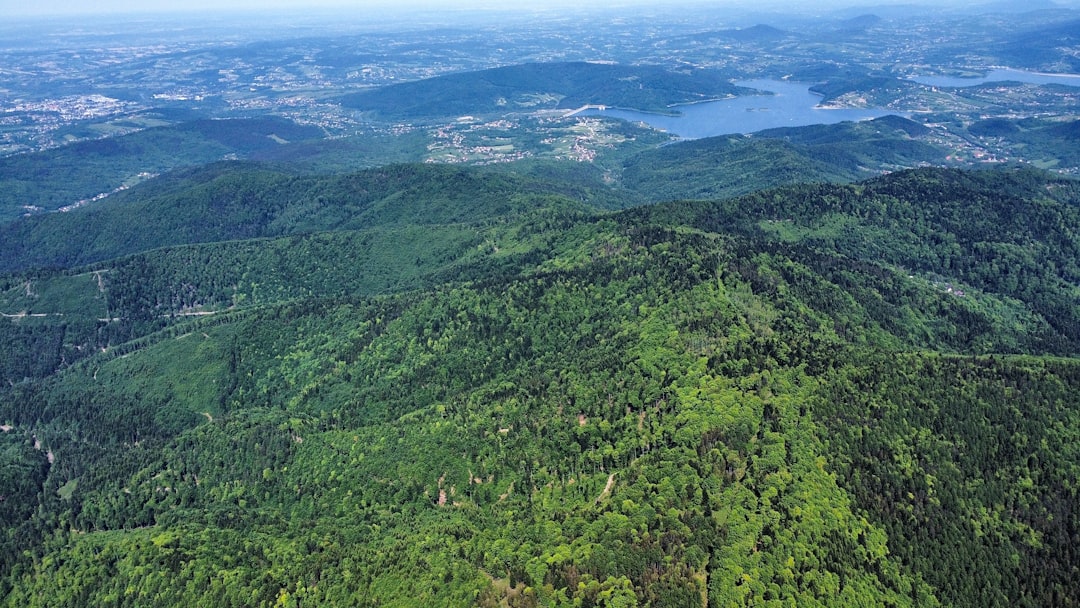
The Darién Gap, a dense and largely uninhabited stretch of rainforest located between Panama and Colombia, stands as one of the most enigmatic and biodiverse regions on the planet. Spanning approximately 100 miles, this area is characterized by its rugged terrain, rich flora and fauna, and a complex web of ecosystems that have evolved over millennia. The Gap serves as a natural barrier, preventing the construction of a continuous road between North and South America, which has contributed to its preservation but also to its vulnerability.
The region is home to numerous indigenous communities, unique wildlife, and a variety of plant species, many of which are endemic to the area. Despite its ecological significance, the Darién Gap faces numerous challenges that threaten its delicate balance. The intersection of human activity, illegal trade, and environmental degradation poses a significant risk to this vital ecosystem.
As global awareness of climate change and biodiversity loss grows, the Darién Gap has emerged as a focal point for conservation efforts aimed at protecting its unique environment. Understanding the threats it faces and the importance of preserving this region is crucial for ensuring its survival for future generations.
Key Takeaways
- The Darién Gap is a critical and biodiverse region facing significant environmental threats.
- Conservation efforts involve collaboration between governments, indigenous communities, and environmental organizations.
- Sustainable development and ecotourism are key strategies to balance human activity with environmental protection.
- Indigenous peoples play a vital role in preserving the Darién Gap’s ecosystems and cultural heritage.
- Ongoing challenges require global awareness and individual support to ensure the future of the Darién Gap’s environment.
Threats to the Darién Gap’s Environment
The environment of the Darién Gap is under siege from various threats that stem from both local and global pressures. Deforestation is one of the most pressing issues, driven primarily by agricultural expansion, logging, and infrastructure development. As farmers seek to cultivate land for crops or livestock, vast areas of forest are cleared, leading to habitat loss for countless species.
This deforestation not only disrupts local ecosystems but also contributes to climate change by releasing stored carbon dioxide into the atmosphere. In addition to deforestation, illegal activities such as drug trafficking and poaching further exacerbate the environmental crisis in the Darién Gap. The region’s remote location makes it an attractive route for drug smugglers, who often clear land for clandestine airstrips or cultivation of coca plants.
This illicit activity not only harms the environment but also poses significant risks to local communities and wildlife. Furthermore, poaching threatens endangered species that inhabit the area, pushing them closer to extinction and disrupting the ecological balance.
Conservation Efforts in the Darién Gap

In response to the myriad threats facing the Darién Gap, various conservation efforts have been initiated by governments, non-governmental organizations (NGOs), and local communities. These initiatives aim to protect the region’s biodiversity while promoting sustainable practices that benefit both people and nature. One notable effort is the establishment of protected areas, such as national parks and reserves, which serve as sanctuaries for wildlife and help preserve critical habitats.
These protected zones are essential for maintaining ecological integrity and providing refuge for endangered species. Moreover, conservation organizations are working to raise awareness about the importance of the Darién Gap’s ecosystems. Educational programs targeting local communities emphasize sustainable land use practices and the value of biodiversity.
By fostering a sense of stewardship among residents, these initiatives aim to empower individuals to take an active role in protecting their environment. Collaborative projects that involve reforestation, wildlife monitoring, and habitat restoration are also gaining traction, showcasing the potential for community-driven conservation efforts.
Importance of Preserving the Darién Gap
Preserving the Darién Gap is not merely an environmental concern; it holds profound implications for global biodiversity and climate stability. The region is recognized as one of the most biodiverse areas on Earth, housing countless species of plants and animals, many of which are found nowhere else. Protecting this unique ecosystem is vital for maintaining genetic diversity, which is essential for resilience against diseases and environmental changes.
Furthermore, the Darién Gap plays a crucial role in regulating regional climate patterns. The dense forests act as carbon sinks, absorbing carbon dioxide from the atmosphere and helping mitigate climate change. By preserving these forests, not only is biodiversity safeguarded, but also the broader climate stability that benefits communities far beyond the region.
The ecological services provided by the Darién Gap underscore its importance on a global scale, making its preservation a priority for environmental advocates worldwide.
Collaborative Conservation Initiatives
| Metric | Value | Unit | Notes |
|---|---|---|---|
| Protected Area Coverage | 5,790 | km² | Area covered by Darién National Park, a UNESCO World Heritage Site |
| Number of Endangered Species | 50+ | species | Includes jaguars, harpy eagles, and various amphibians |
| Forest Cover Loss Rate | 0.3 | % per year | Estimated annual deforestation rate in the Darién Gap region |
| Conservation Projects | 12 | projects | Active environmental protection and community engagement initiatives |
| Indigenous Communities Involved | 7 | communities | Local groups participating in sustainable management and protection |
| Annual Rainfall | 3,000 | mm | Average precipitation supporting the rainforest ecosystem |
| Carbon Sequestration | 1.2 | million tons CO₂/year | Estimated carbon captured by the Darién Gap forests annually |
Collaboration among various stakeholders is key to effective conservation in the Darién Gap. Governments, NGOs, indigenous groups, and local communities are increasingly recognizing that working together can yield more significant results than isolated efforts. Collaborative initiatives often focus on shared goals such as habitat protection, sustainable resource management, and community development.
By pooling resources and expertise, these partnerships can address complex challenges more effectively. One successful example of collaboration in the Darién Gap is the establishment of multi-stakeholder platforms that bring together diverse voices in conservation planning. These platforms facilitate dialogue among different groups, allowing for a more comprehensive understanding of local needs and priorities.
By incorporating traditional ecological knowledge from indigenous communities alongside scientific research, these initiatives can create more holistic conservation strategies that respect cultural heritage while promoting environmental sustainability.
Indigenous Involvement in Environmental Protection

Indigenous communities play a pivotal role in the conservation of the Darién Gap due to their deep-rooted connection to the land and extensive knowledge of local ecosystems. For generations, these communities have practiced sustainable land management techniques that have allowed them to coexist harmoniously with nature. Their traditional practices often prioritize biodiversity conservation and resource sustainability, making them invaluable partners in contemporary conservation efforts.
Recognizing this importance, many conservation initiatives now actively involve indigenous groups in decision-making processes related to land use and resource management. By empowering these communities to take charge of their territories, conservationists can leverage their expertise while ensuring that their rights are respected. This collaborative approach not only enhances conservation outcomes but also strengthens cultural identity and resilience among indigenous populations.
Sustainable Development in the Darién Gap
Sustainable development is essential for balancing economic growth with environmental protection in the Darién Gap. As pressures from agriculture and infrastructure development continue to mount, finding ways to promote livelihoods without compromising ecological integrity becomes increasingly critical. Sustainable practices such as agroforestry, ecotourism, and organic farming can provide economic opportunities while preserving natural resources.
Agroforestry systems that integrate trees with crops or livestock can enhance soil health, increase biodiversity, and provide additional income streams for local farmers. Similarly, ecotourism offers a viable alternative to destructive practices by attracting visitors interested in experiencing the region’s natural beauty while supporting local economies. By prioritizing sustainable development strategies that align with conservation goals, stakeholders can create a more resilient future for both people and nature in the Darién Gap.
Ecotourism as a Tool for Conservation
Ecotourism has emerged as a powerful tool for promoting conservation in the Darién Gap by generating revenue while fostering appreciation for its unique ecosystems. This form of tourism emphasizes responsible travel practices that minimize environmental impact and support local communities. By attracting visitors who are interested in wildlife observation, hiking, and cultural experiences, ecotourism can provide financial incentives for preserving natural habitats.
Tourists are encouraged to engage with local communities and learn about their traditional practices and conservation efforts. This exchange fosters a deeper understanding of the importance of protecting the Darién Gap’s biodiversity while empowering local residents through economic opportunities derived from sustainable tourism.
Challenges and Obstacles in Preserving the Darién Gap
Despite ongoing conservation efforts, numerous challenges persist in preserving the Darién Gap’s environment. One significant obstacle is inadequate funding for conservation initiatives, which limits the scope and effectiveness of projects aimed at protecting biodiversity. Many organizations rely on external grants or donations that may not be consistent or sufficient to sustain long-term efforts.
Additionally, political instability in the region can hinder progress toward effective environmental governance. Corruption and lack of enforcement of environmental regulations often exacerbate illegal activities such as logging and poaching. Addressing these systemic issues requires coordinated action among governments, NGOs, and local communities to create a more conducive environment for conservation.
Future of Environmental Protection in the Darién Gap
The future of environmental protection in the Darién Gap hinges on continued collaboration among stakeholders committed to safeguarding this vital ecosystem. As awareness of global environmental issues grows, there is potential for increased support for conservation initiatives in this region. Innovative approaches that integrate technology with traditional knowledge can enhance monitoring efforts and improve resource management practices.
Furthermore, fostering a culture of sustainability within local communities will be essential for ensuring long-term success in conservation efforts. By promoting education and awareness about environmental issues among younger generations, stakeholders can cultivate a sense of responsibility toward protecting their natural heritage.
How Individuals Can Support Conservation Efforts in the Darién Gap
Individuals can play a crucial role in supporting conservation efforts in the Darién Gap through various means. One effective way is by choosing to support organizations dedicated to protecting this unique ecosystem through donations or volunteer work. Engaging with these organizations allows individuals to contribute directly to on-the-ground initiatives aimed at preserving biodiversity.
Additionally, raising awareness about the importance of the Darién Gap through social media or community events can help garner support for conservation efforts. By sharing information about the region’s ecological significance and ongoing challenges, individuals can inspire others to take action and advocate for sustainable practices both locally and globally. In conclusion, preserving the Darién Gap requires a multifaceted approach that encompasses collaboration among diverse stakeholders, sustainable development practices, and active involvement from indigenous communities.
As awareness grows about this critical region’s ecological importance, there lies an opportunity for collective action that ensures its protection for generations to come.
The Darién Gap, a critical region for biodiversity, faces significant environmental challenges due to deforestation and illegal activities. To understand the importance of protecting this unique ecosystem, you can read more about ongoing conservation efforts in the article on MyGeoQuest. For further insights, check out this related article on environmental protection in the Darién Gap: MyGeoQuest.
FAQs
What is the Darién Gap?
The Darién Gap is a dense, undeveloped swath of rainforest and swampland located between Panama and Colombia. It is known for its challenging terrain and is the only break in the Pan-American Highway.
Why is the Darién Gap important for environmental protection?
The Darién Gap is a critical biodiversity hotspot, home to numerous unique plant and animal species. Its forests act as a vital carbon sink, helping to mitigate climate change, and it supports indigenous communities who rely on its natural resources.
What are the main environmental threats facing the Darién Gap?
The primary threats include deforestation due to illegal logging, agricultural expansion, mining activities, and infrastructure development. Additionally, increased human migration and associated activities can lead to habitat degradation.
What measures are being taken to protect the Darién Gap?
Conservation efforts include establishing protected areas, promoting sustainable land use practices, supporting indigenous land rights, and international cooperation between Panama and Colombia to monitor and manage the region responsibly.
How does the Darién Gap affect local indigenous communities?
Indigenous communities depend on the Darién Gap for their livelihoods, culture, and traditions. Environmental protection efforts aim to preserve their land rights and ensure sustainable use of natural resources to maintain their way of life.
Is it possible to travel through the Darién Gap?
Travel through the Darién Gap is extremely difficult and dangerous due to its dense jungle, lack of roads, and presence of wildlife and armed groups. It is generally avoided by travelers and is not recommended without expert guidance.
What role does the Darién Gap play in global climate regulation?
As a large tropical rainforest, the Darién Gap sequesters significant amounts of carbon dioxide, helping to regulate the global climate. Protecting this area helps maintain its function as a carbon sink.
Are there any international organizations involved in protecting the Darién Gap?
Yes, various international environmental organizations collaborate with local governments and communities to promote conservation, research, and sustainable development in the Darién Gap region.