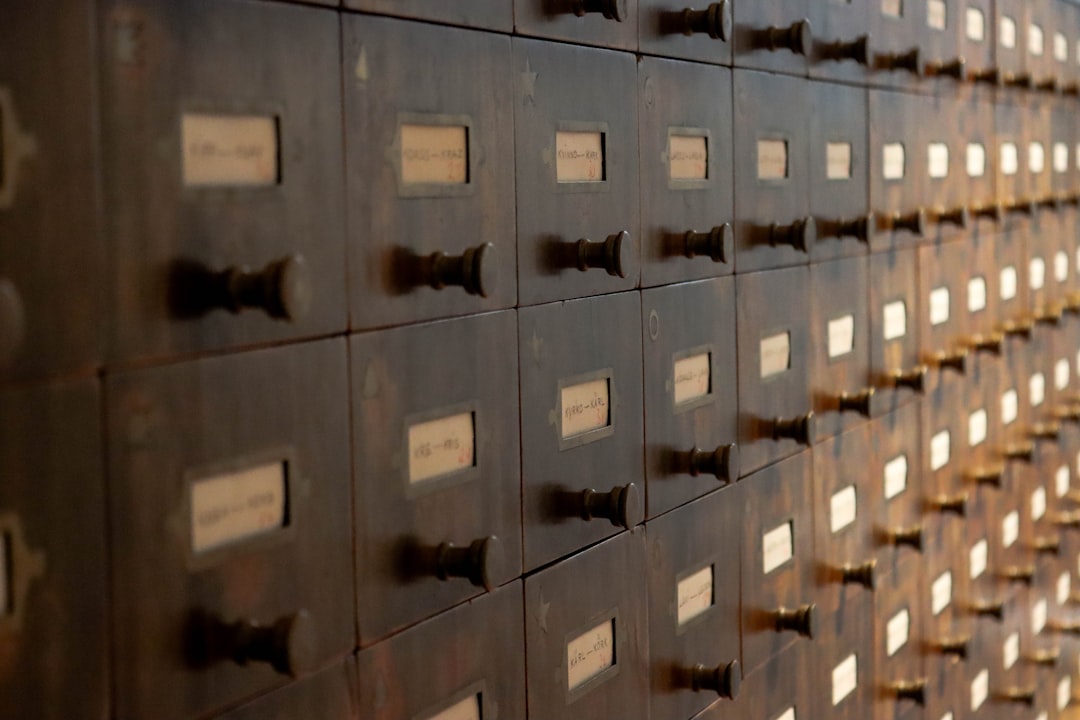
Preserving historical documents is a vital endeavor that transcends mere archival work; it is a commitment to safeguarding the collective memory of humanity. These documents, ranging from ancient manuscripts to modern records, serve as windows into the past, offering insights into cultural, social, and political developments throughout history. They are not just artifacts; they are the narratives that shape identities and inform future generations.
The loss of such documents can lead to a significant gap in understanding the evolution of societies, making preservation efforts crucial for historians, researchers, and the general public alike. Moreover, the preservation of historical documents plays a pivotal role in fostering a sense of continuity and belonging within communities. By maintaining access to these records, societies can honor their heritage and ensure that the stories of their ancestors are not forgotten.
This connection to the past can inspire pride and a deeper understanding of one’s roots, which is essential in an increasingly globalized world. As technology advances and the methods of documentation evolve, the challenge remains to protect these invaluable resources from deterioration, obsolescence, and loss.
Key Takeaways
- Salt mines offer stable, dry, and secure environments ideal for preserving historical documents.
- Using salt mines for archive storage helps protect valuable records from environmental damage and decay.
- The history of salt mine storage dates back decades, showcasing successful long-term preservation efforts.
- Despite challenges, salt mine archives provide significant environmental and economic benefits.
- Salt mine archive storage plays a crucial role in safeguarding cultural heritage for future generations.
The Role of Salt Mines in Archive Storage
Salt mines have emerged as unconventional yet highly effective venues for archive storage, providing unique conditions that are conducive to the preservation of historical documents.
As such, salt mines have become increasingly recognized for their potential to serve as long-term storage solutions for valuable documents.
In addition to their environmental advantages, salt mines also offer a level of security that is difficult to replicate in traditional archive facilities. The remote locations and robust structures of these mines provide a natural barrier against theft, vandalism, and natural disasters. This combination of environmental stability and security makes salt mines an attractive option for institutions looking to safeguard their historical collections.
As awareness of these benefits grows, more organizations are exploring the possibility of utilizing salt mines for their archival needs.
How Salt Mines Provide Ideal Conditions for Preservation
The unique geological properties of salt mines contribute significantly to their effectiveness as storage facilities for historical documents. Salt itself is a natural desiccant, meaning it absorbs moisture from the surrounding environment. This characteristic helps maintain low humidity levels within the mine, which is essential for preventing mold growth and paper deterioration.
Additionally, the consistent temperature found deep within salt mines minimizes the risk of thermal expansion and contraction that can damage fragile materials. Furthermore, the air quality in salt mines is often purer than that found in above-ground facilities. The absence of pollutants and contaminants reduces the likelihood of chemical reactions that could harm archival materials.
The natural insulation provided by thick layers of rock also protects against external environmental changes, ensuring that the conditions remain stable over time. These factors combine to create an ideal environment for preserving historical documents, making salt mines a compelling choice for long-term storage solutions.
The Process of Storing and Organizing Documents in Salt Mines
| Metric | Description | Typical Value/Range | Notes |
|---|---|---|---|
| Storage Temperature | Average ambient temperature inside salt mine storage areas | 12°C to 15°C (54°F to 59°F) | Stable temperature helps preserve documents |
| Humidity Level | Relative humidity maintained to prevent document degradation | 30% to 40% | Salt mines naturally maintain low humidity |
| Storage Capacity | Volume of documents stored per cubic meter | Up to 100,000 documents/m³ | Depends on document size and packaging |
| Document Retrieval Time | Average time to locate and retrieve a document | 5 to 15 minutes | Efficient cataloging systems reduce retrieval time |
| Security Level | Measures to protect documents from unauthorized access | High | Includes physical barriers and surveillance |
| Document Preservation Duration | Estimated lifespan of documents stored in salt mines | Up to 100+ years | Salt environment slows degradation |
| Organizational Method | System used to catalog and arrange documents | Alphanumeric indexing and barcode tagging | Facilitates quick access and inventory management |
Storing and organizing documents in salt mines involves a meticulous process designed to maximize preservation while ensuring accessibility. Initially, documents must be carefully assessed for their condition and significance before being transported to the mine. This assessment often includes cleaning, repairing, and digitizing materials to create backups that can be accessed without handling the originals.
Once prepared, documents are packed in acid-free containers that provide additional protection against environmental factors. Upon arrival at the salt mine, documents are organized according to a systematic cataloging system that facilitates easy retrieval. This organization may involve categorizing materials by type, date, or subject matter, depending on the needs of the institution.
The use of climate-controlled storage areas within the mine further enhances preservation efforts by allowing for specific environmental conditions tailored to different types of materials. This careful planning ensures that even as time passes, the integrity of the documents remains intact.
The History of Salt Mine Archive Storage
The practice of utilizing salt mines for archive storage has its roots in historical precedents where natural caves and underground spaces were used to protect valuable items from external threats. However, it was not until the late 20th century that salt mines began to be recognized specifically for their archival potential. As concerns about climate change and natural disasters grew, institutions started exploring innovative solutions for preserving their collections.
One notable example is the National Archives in Poland, which has utilized salt mines since the 1990s to store important historical documents. This pioneering effort demonstrated the viability of salt mines as archival facilities and inspired other countries to consider similar approaches. Over time, more organizations have followed suit, leading to a growing network of salt mine archive storage facilities around the world.
The Advantages of Using Salt Mines for Archive Storage

The advantages of using salt mines for archive storage extend beyond environmental stability and security. One significant benefit is cost-effectiveness; many salt mines are already established infrastructure with minimal need for extensive renovations or modifications. This can result in lower operational costs compared to building new facilities from scratch.
Additionally, the long-term nature of salt mine storage means that institutions can invest in a solution that will serve them well for decades or even centuries. Another advantage lies in the unique ability of salt mines to accommodate large volumes of materials without compromising preservation standards. Their expansive underground spaces allow for efficient use of available area while maintaining optimal conditions for document storage.
This scalability makes salt mines an attractive option for both small archives and large institutions with extensive collections.
Challenges and Considerations in Salt Mine Archive Storage
Despite their many advantages, there are challenges associated with using salt mines for archive storage that must be carefully considered. One primary concern is accessibility; while remote locations provide security, they can also make it difficult for researchers and archivists to access materials when needed. Institutions must develop strategies to balance security with accessibility, ensuring that valuable documents can be retrieved without undue delay.
Additionally, there are logistical challenges related to transporting materials to and from salt mines. The process requires careful planning and coordination to ensure that documents are handled safely and securely during transit. Furthermore, ongoing maintenance is necessary to monitor environmental conditions within the mine and address any potential issues that may arise over time.
These considerations highlight the importance of thorough planning and resource allocation when establishing a salt mine archive storage facility.
Examples of Successful Salt Mine Archive Storage Facilities
Several successful examples of salt mine archive storage facilities illustrate the effectiveness of this approach in preserving historical documents. One prominent case is the “Salzbergwerk Berchtesgaden” in Germany, which has been repurposed as an archive for various cultural artifacts and documents.
Another notable example is the “Wieliczka Salt Mine” in Poland, which has been utilized for archival purposes since its inception as a mining operation centuries ago. The mine’s unique conditions have made it an ideal location for preserving both documents and artifacts from Poland’s rich history. These successful implementations serve as models for other institutions considering similar strategies for archival preservation.
The Future of Salt Mine Archive Storage
The future of salt mine archive storage appears promising as more institutions recognize its potential benefits. As climate change continues to pose threats to traditional archival facilities through increased flooding and temperature fluctuations, the stability offered by salt mines becomes increasingly appealing. Innovations in technology may also enhance the capabilities of these facilities, allowing for improved monitoring systems and more efficient organization methods.
Moreover, as awareness grows regarding the importance of preserving historical documents, there may be increased investment in developing new salt mine archive facilities worldwide. Collaborative efforts between governments, cultural institutions, and private organizations could lead to expanded networks of secure storage options that prioritize both preservation and accessibility.
Environmental and Economic Benefits of Salt Mine Archive Storage
The environmental benefits of using salt mines for archive storage are significant. By repurposing existing underground spaces rather than constructing new buildings, institutions can reduce their carbon footprint and minimize resource consumption associated with new construction projects. Additionally, the natural properties of salt help maintain low humidity levels without relying on energy-intensive climate control systems.
Economically, utilizing salt mines can lead to cost savings over time due to lower operational expenses compared to traditional archive facilities. The long-term nature of these solutions allows institutions to allocate resources more effectively while ensuring that valuable historical documents remain protected for future generations.
The Impact of Salt Mine Archive Storage on Historical Preservation
The impact of salt mine archive storage on historical preservation cannot be overstated. By providing secure environments conducive to long-term preservation, these facilities play a crucial role in ensuring that important documents remain accessible for research and education. As more institutions adopt this innovative approach, they contribute to a broader movement focused on safeguarding cultural heritage.
Ultimately, the use of salt mines for archive storage represents a forward-thinking solution that addresses contemporary challenges in historical preservation. By combining environmental stability with security and cost-effectiveness, these facilities offer a promising avenue for protecting humanity’s collective memory against the ravages of time and neglect. As society continues to grapple with issues related to climate change and resource management, the role of salt mines in preserving history will likely become even more significant in the years ahead.
Salt mine archive storage is an innovative solution for preserving important documents and data, leveraging the natural stability and low humidity of salt mines to protect against environmental threats. For more insights on this topic, you can read a related article on MyGeoQuest, which discusses various geological storage methods and their applications. Check it out here: MyGeoQuest.
WATCH THIS! The Map You Can’t See: America’s $50 Billion Secret Underground City
FAQs
What is salt mine archive storage?
Salt mine archive storage refers to the practice of storing documents, data, or other archival materials in underground salt mines. These mines provide a stable environment with consistent temperature and humidity, which helps preserve sensitive materials over long periods.
Why are salt mines used for archive storage?
Salt mines offer natural protection against environmental factors such as moisture, temperature fluctuations, and radiation. The stable conditions inside salt formations reduce the risk of deterioration, making them ideal for long-term preservation of archives.
How does the environment inside a salt mine benefit stored archives?
The environment inside a salt mine is typically cool, dry, and stable, with minimal exposure to light and external contaminants. These conditions slow down chemical reactions and biological activity that can damage paper, film, and digital media.
Are salt mine archives safe from natural disasters?
Yes, salt mines are generally well-protected from natural disasters like floods, fires, and earthquakes due to their underground location and the structural integrity of salt formations.
What types of materials can be stored in salt mine archives?
Salt mine archives can store a variety of materials including paper documents, microfilm, photographic negatives, digital storage media, and other archival items that require controlled environmental conditions.
Is salt mine archive storage expensive?
While initial setup and maintenance costs can be significant, the long-term preservation benefits and reduced need for active climate control can make salt mine storage cost-effective compared to traditional archival methods.
Are there any well-known salt mine archive storage facilities?
Yes, several countries use salt mines for archival storage. For example, the United States has used salt mines for storing government documents, and Germany has facilities that store cultural and historical archives in salt mines.
How accessible are archives stored in salt mines?
Access to archives in salt mines is generally controlled and may require special arrangements. While retrieval is possible, it may take longer than accessing traditional storage facilities due to the underground location.
Can digital data be stored in salt mine archives?
Yes, digital data can be stored on physical media such as hard drives, tapes, or optical discs within salt mine archives. The stable environment helps preserve the integrity of these storage media over time.
What are the environmental impacts of using salt mines for archive storage?
Using existing salt mines for archive storage typically has minimal environmental impact since it repurposes existing underground spaces without significant additional excavation or energy consumption.