
The Darién Gap is a 66-mile stretch of undeveloped swampland and forest located between Panama and Colombia that interrupts the Pan-American Highway. This region encompasses approximately 5,000 square miles of tropical rainforest and wetlands, supporting high levels of biodiversity and serving as habitat for numerous endemic species. The area is inhabited by several indigenous groups, primarily the Embera, Wounaan, and Kuna peoples, who have maintained traditional lifestyles and governance systems for generations.
These indigenous communities practice subsistence agriculture, fishing, and hunting while maintaining traditional crafts and cultural practices. The Embera and Wounaan peoples primarily inhabit riverside settlements along the Chucunaque, Tuira, and Balsas rivers, while Kuna communities are found in both coastal and inland areas. These groups have established territorial boundaries and maintain customary land management practices that have contributed to forest conservation in the region.
The Darién Gap faces multiple contemporary challenges including deforestation, illegal armed groups, drug trafficking, and increased migration flows. Development pressures from infrastructure projects, mining concessions, and agricultural expansion threaten traditional territories and ecosystems. Climate change impacts, including altered precipitation patterns and rising sea levels, additionally affect indigenous communities’ access to natural resources and traditional food sources.
Government policies regarding land titling, resource extraction rights, and border security directly impact indigenous territorial autonomy and cultural preservation efforts.
Key Takeaways
- The Darién Gap is home to diverse indigenous communities with rich historical and cultural significance.
- Indigenous territories in the Darién face threats from deforestation, illegal mining, and infrastructure projects.
- Preserving these territories is crucial for biodiversity conservation and maintaining indigenous cultural heritage.
- Indigenous peoples play a central role in protecting and sustainably managing the Darién Gap environment.
- International cooperation and sustainable development initiatives are key to overcoming challenges and securing the future of Darién Gap indigenous lands.
History of Darién Gap Indigenous Communities
The history of the indigenous communities in the Darién Gap is rich and multifaceted, marked by resilience in the face of external pressures. For centuries, these groups have inhabited the region, developing intricate social structures, languages, and traditions that reflect their deep connection to the land. The Embera and Wounaan peoples, for instance, have maintained their cultural practices through oral traditions, art, and communal rituals that celebrate their relationship with nature.
Their knowledge of medicinal plants and sustainable farming techniques has been passed down through generations, showcasing their profound understanding of the ecosystem. Colonial encounters in the 16th century brought significant upheaval to these communities. European colonizers sought to exploit the region’s resources, leading to conflicts that disrupted traditional ways of life.
Despite these challenges, many indigenous groups managed to preserve their cultural identities and resist assimilation. The establishment of legal frameworks recognizing indigenous rights in the late 20th century marked a turning point for these communities, allowing them to reclaim some autonomy over their lands. However, the struggle for recognition and respect for their rights continues as external pressures mount.
Threats to Darién Gap Indigenous Territories
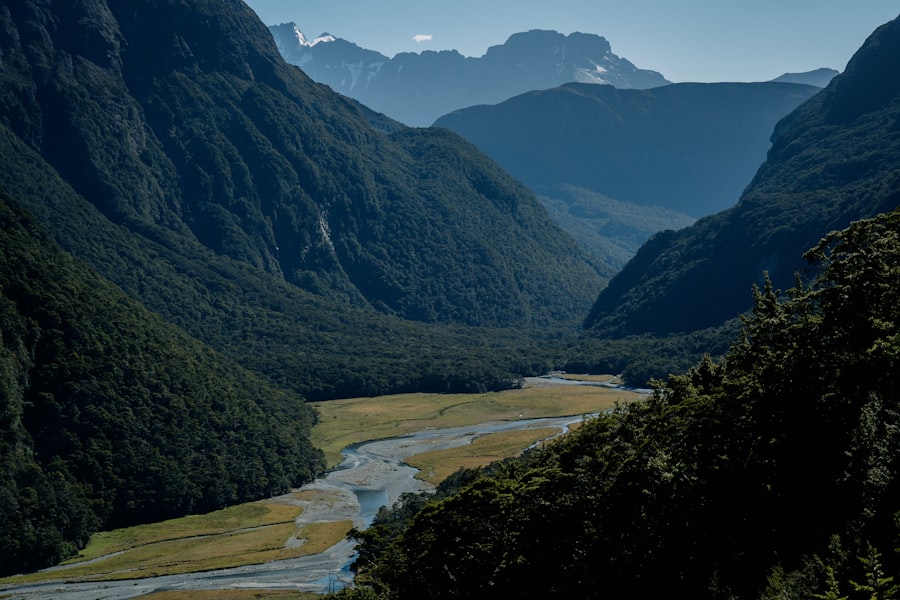
The indigenous territories within the Darién Gap are increasingly threatened by various factors that jeopardize both their cultural heritage and environmental integrity. One of the most pressing issues is deforestation driven by illegal logging and agricultural expansion. As demand for timber and arable land grows, vast areas of rainforest are being cleared, disrupting ecosystems and displacing wildlife.
This not only threatens biodiversity but also undermines the traditional livelihoods of indigenous communities who rely on these resources for sustenance. In addition to environmental degradation, indigenous communities face socio-economic challenges exacerbated by external influences. The encroachment of multinational corporations seeking to exploit natural resources has led to land disputes and conflicts over territory.
Many indigenous peoples find themselves marginalized in decision-making processes that affect their lives and lands. Furthermore, the influx of settlers into the region has resulted in cultural dilution and loss of traditional practices as younger generations are drawn away from their ancestral ways of life in search of economic opportunities.
Importance of Preserving Darién Gap Indigenous Territories
Preserving the indigenous territories of the Darién Gap is not only crucial for safeguarding cultural heritage but also for maintaining ecological balance. The region is one of the most biodiverse areas on the planet, home to countless species of flora and fauna that are integral to global ecological health. Indigenous communities play a vital role in conservation efforts through their traditional knowledge and sustainable practices that have evolved over centuries.
By protecting these territories, society can ensure the survival of unique ecosystems that contribute to climate regulation and biodiversity. Moreover, preserving these territories is essential for upholding the rights and dignity of indigenous peoples. Their connection to the land is deeply rooted in their identity, spirituality, and way of life.
Displacement or degradation of their territories can lead to cultural erosion and loss of language, traditions, and social cohesion. Recognizing and respecting indigenous rights is not only a moral imperative but also a legal obligation under international frameworks such as the United Nations Declaration on the Rights of Indigenous Peoples (UNDRIP). By advocating for the preservation of these territories, society acknowledges the invaluable contributions that indigenous cultures make to humanity as a whole.
Efforts to Preserve Darién Gap Indigenous Territories
| Indigenous Group | Territory Location | Approximate Area (sq km) | Population Estimate | Main Language | Primary Economic Activities |
|---|---|---|---|---|---|
| Emberá | Panama side of Darién Gap | 4,000 | 15,000 | Emberá | Hunting, fishing, small-scale agriculture |
| Wounaan | Panama side of Darién Gap | 2,500 | 7,000 | Wounaan | Fishing, agriculture, craftwork |
| Guna (Kuna) | Eastern Darién, Panama | 3,000 | 10,000 | Guna | Fishing, agriculture, trade |
| Ngäbe-Buglé | Western Darién, Panama | 5,000 | 20,000 | Ngäbere | Agriculture, hunting, crafts |
In response to the myriad threats facing their territories, indigenous communities in the Darién Gap have mobilized to advocate for their rights and protect their lands. Grassroots organizations have emerged to empower local populations through education and awareness campaigns that highlight the importance of preserving their cultural heritage and natural resources. These initiatives often involve collaboration with environmental NGOs and academic institutions to document traditional knowledge and promote sustainable practices.
Legal battles have also been a significant aspect of preservation efforts. Indigenous groups have sought recognition of their land rights through legal frameworks established by national governments and international bodies. While progress has been made in some areas, challenges remain as bureaucratic hurdles and political resistance can impede meaningful change.
Nevertheless, these efforts reflect a growing awareness among indigenous peoples of their rights and responsibilities as stewards of their ancestral lands.
Role of Indigenous Peoples in Preserving Darién Gap
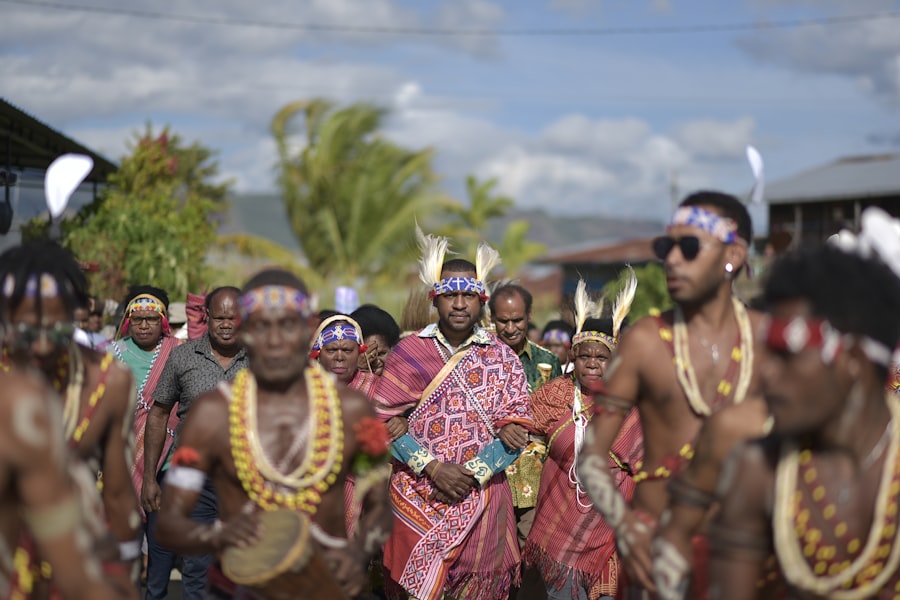
Indigenous peoples are not merely passive victims of external pressures; they are active agents in preserving their territories and promoting sustainable development practices. Their deep-rooted knowledge of local ecosystems equips them with unique insights into biodiversity conservation. Traditional ecological knowledge encompasses practices such as agroforestry, rotational farming, and medicinal plant use that have been honed over generations.
By integrating these practices into modern conservation strategies, indigenous communities can contribute significantly to environmental sustainability. Furthermore, indigenous leadership plays a crucial role in advocating for policy changes that protect their rights and territories. Many indigenous leaders have emerged as vocal advocates on national and international platforms, raising awareness about the challenges they face while promoting solutions rooted in traditional knowledge.
Their voices are essential in shaping policies that respect indigenous rights and prioritize sustainable development approaches that benefit both local communities and broader society.
International Support for Preserving Darién Gap Indigenous Territories
International support has become increasingly vital in efforts to preserve the indigenous territories of the Darién Gap. Various organizations, including NGOs and intergovernmental bodies, have recognized the importance of protecting indigenous rights as part of broader environmental conservation initiatives.
Moreover, international legal frameworks such as UNDRIP serve as powerful tools for advocacy. These instruments provide a platform for indigenous peoples to assert their rights on a global stage while holding governments accountable for upholding those rights. Collaborative partnerships between indigenous communities and international organizations can amplify voices that might otherwise go unheard, fostering solidarity in the fight against environmental degradation and cultural erosion.
Challenges in Preserving Darién Gap Indigenous Territories
Despite ongoing efforts to preserve the Darién Gap’s indigenous territories, numerous challenges persist that hinder progress. One significant obstacle is the lack of political will among national governments to prioritize indigenous rights over economic interests. In many cases, development projects take precedence over environmental protection or community consent, leading to conflicts between indigenous groups and state authorities.
Differing opinions on land use or development strategies may arise among community members, leading to tensions that can undermine collective action. Addressing these internal dynamics requires fostering dialogue and consensus-building processes that empower all voices within the community while ensuring that traditional knowledge remains central to decision-making.
Sustainable Development in Darién Gap Indigenous Territories
Sustainable development presents an opportunity for balancing economic growth with environmental conservation in the Darién Gap’s indigenous territories. By promoting ecotourism initiatives that highlight the region’s natural beauty while respecting local cultures, communities can generate income without compromising their values or ecosystems. Such initiatives can provide employment opportunities while fostering appreciation for indigenous traditions among visitors.
Furthermore, sustainable agriculture practices rooted in traditional knowledge can enhance food security while minimizing environmental impact. By integrating agroecological methods that prioritize biodiversity conservation and soil health, indigenous farmers can cultivate crops that meet both local needs and market demands. This approach not only supports community resilience but also contributes to broader efforts aimed at combating climate change through sustainable land management practices.
Indigenous Rights and Preserving Darién Gap Territories
The preservation of Darién Gap’s indigenous territories is intrinsically linked to recognizing and upholding indigenous rights. Legal frameworks must be strengthened to ensure that indigenous peoples have a voice in decisions affecting their lands and resources. This includes securing land tenure rights that protect against encroachment by external actors seeking to exploit natural resources without consent.
Moreover, education plays a pivotal role in empowering indigenous communities to advocate for their rights effectively. By providing access to information about legal protections and avenues for redress, communities can better navigate complex bureaucratic systems while asserting their claims over ancestral lands. Building alliances with civil society organizations can further amplify these efforts by providing technical support and resources necessary for successful advocacy.
Future of Darién Gap Indigenous Territories
The future of the Darién Gap’s indigenous territories hinges on collective action at local, national, and international levels. As awareness grows regarding the importance of preserving these unique ecosystems and cultures, there is potential for transformative change driven by both indigenous communities themselves and supportive allies from outside their regions. Collaborative efforts focused on sustainable development practices can pave the way for economic opportunities that align with cultural values while safeguarding environmental integrity.
Ultimately, fostering respect for indigenous rights will be crucial in shaping a future where these communities can thrive alongside their natural surroundings. By prioritizing dialogue between governments, NGOs, and indigenous leaders, society can work towards solutions that honor traditional knowledge while addressing contemporary challenges faced by these resilient populations. The preservation of Darién Gap’s indigenous territories is not just an issue confined to one region; it represents a broader struggle for justice, sustainability, and respect for human rights worldwide.
The Darién Gap, a dense jungle region between Panama and Colombia, is not only a geographical barrier but also a significant area for indigenous territories. These communities have lived in harmony with the land for centuries, facing challenges from external pressures such as deforestation and development. For a deeper understanding of the cultural and environmental significance of these indigenous territories, you can read more in this related article: Indigenous Cultures of the Darién Gap.
FAQs
What is the Darién Gap?
The Darién Gap is a dense and undeveloped region of rainforest and swampland located between Panama and Colombia. It is known for its challenging terrain and lack of roads, making it a significant natural barrier between Central and South America.
Who are the indigenous peoples of the Darién Gap?
The indigenous peoples of the Darién Gap include groups such as the Emberá, Wounaan, and Kuna. These communities have lived in the region for centuries and maintain traditional lifestyles closely connected to the rainforest environment.
What is the significance of indigenous territories in the Darién Gap?
Indigenous territories in the Darién Gap are legally recognized lands where indigenous communities have the right to manage and protect their ancestral lands. These territories are crucial for preserving biodiversity, cultural heritage, and the traditional ways of life of indigenous peoples.
How do indigenous communities in the Darién Gap sustain themselves?
Indigenous communities in the Darién Gap typically sustain themselves through subsistence agriculture, fishing, hunting, and gathering. They also engage in traditional crafts and sometimes participate in eco-tourism initiatives that promote sustainable development.
What challenges do indigenous territories in the Darién Gap face?
Challenges include illegal logging, mining, drug trafficking, and encroachment by settlers or armed groups. These activities threaten the environment and the safety and rights of indigenous peoples. Additionally, limited access to healthcare, education, and infrastructure poses ongoing difficulties.
Are there conservation efforts in the Darién Gap involving indigenous peoples?
Yes, many conservation efforts in the Darién Gap involve collaboration with indigenous communities. These efforts aim to protect the rainforest ecosystem while respecting indigenous land rights and promoting sustainable resource management.
Is the Darién Gap part of any protected areas?
Yes, parts of the Darién Gap are included in protected areas such as the Darién National Park in Panama, which is a UNESCO World Heritage Site. Indigenous territories often overlap with these protected zones, highlighting the importance of indigenous stewardship in conservation.
Can outsiders visit the indigenous territories in the Darién Gap?
Visiting indigenous territories in the Darién Gap typically requires permission from the local communities. Due to the region’s remoteness and security concerns, travel is often restricted and should be approached with respect for indigenous sovereignty and environmental protection.