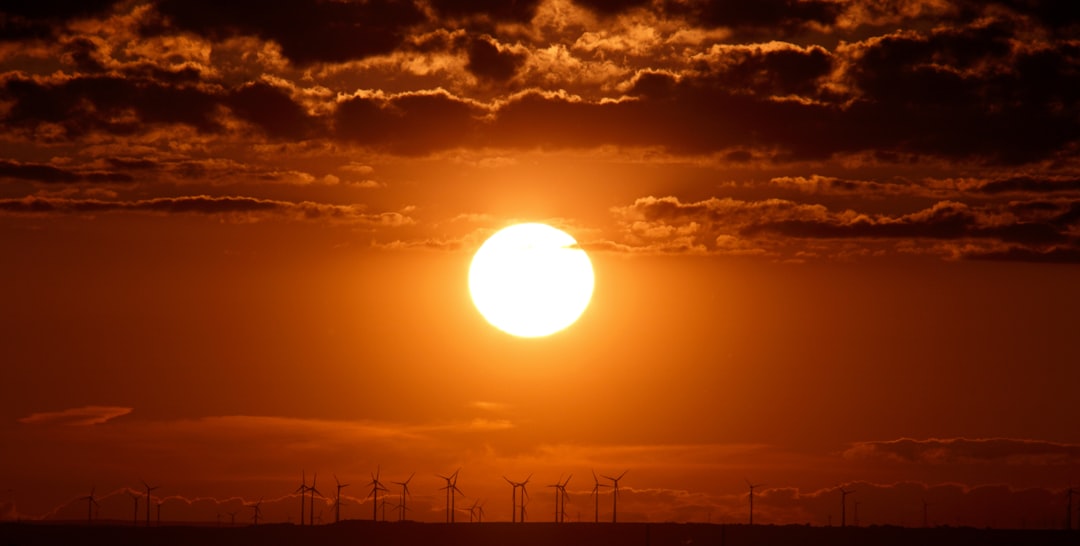
Solar flares are intense bursts of radiation emanating from the sun’s surface, resulting from the release of magnetic energy associated with sunspots. These phenomena can have significant effects on Earth, particularly when they are strong enough to disrupt the planet’s magnetic field. When a solar flare occurs, it can lead to geomagnetic storms that may cause widespread blackouts, affecting power grids and communication systems.
The potential for disruption is a growing concern as society becomes increasingly reliant on technology and electricity. Understanding the nature of solar flares and their potential impact is crucial for individuals and communities alike. The effects of solar flares can range from minor disruptions in radio communications to severe impacts on electrical infrastructure.
In extreme cases, a powerful solar flare could lead to cascading failures in power systems, resulting in prolonged blackouts. The 1989 geomagnetic storm, which caused a nine-hour blackout in Quebec, Canada, serves as a stark reminder of the vulnerabilities inherent in modern electrical grids. As scientists continue to study solar activity, it becomes increasingly important for individuals to be aware of these natural phenomena and prepare accordingly.
Key Takeaways
- Solar flares can cause blackouts, making preparedness essential.
- Stock emergency supplies and create a family emergency plan.
- Use solar-powered devices and protect electronics from flare damage.
- Stay informed about solar activity and know safe generator use.
- Learn first aid, establish communication plans, and seek expert advice.
Stocking up on Emergency Supplies
In anticipation of potential blackouts caused by solar flares, it is essential for families to stock up on emergency supplies. A well-prepared household should have a comprehensive emergency kit that includes non-perishable food items, bottled water, flashlights, batteries, and a first aid kit. These supplies can provide essential sustenance and safety during an extended power outage.
Additionally, families should consider including items such as blankets, hygiene products, and any necessary medications to ensure their comfort and well-being during emergencies. Beyond the basics, it is wise to think about additional supplies that may be needed during a blackout. For instance, portable chargers for mobile devices can be invaluable for maintaining communication with loved ones.
A battery-operated radio can also keep individuals informed about weather conditions and emergency updates. By taking the time to gather these supplies ahead of time, families can alleviate some of the stress associated with unexpected power outages and ensure they are prepared for any situation that may arise.
Creating a Family Emergency Plan
Creating a family emergency plan is a critical step in preparing for potential blackouts caused by solar flares. This plan should outline specific actions that each family member will take in the event of an emergency. It is important to designate a meeting place where family members can gather if they become separated during a blackout.
Additionally, families should establish a communication strategy that includes how they will reach each other if phone lines are down. In developing this plan, families should also consider the unique needs of each member.
For example, young children or elderly relatives may require additional assistance during an emergency.
Regularly reviewing and practicing the plan can help reinforce its importance and ensure that all family members feel confident in their ability to respond effectively.
Investing in Solar-Powered Devices
| Metric | Value | Unit | Notes |
|---|---|---|---|
| Initial Investment Cost | 1500 – 3000 | USD | Cost range for residential solar-powered devices |
| Average Lifespan | 25 – 30 | Years | Typical operational life of solar panels |
| Energy Savings | 50 – 70 | Percent | Reduction in electricity bills after installation |
| Payback Period | 5 – 8 | Years | Time to recover initial investment through savings |
| Carbon Emission Reduction | 1.5 – 3 | Metric Tons CO2/year | Estimated annual reduction per household |
| Maintenance Cost | 100 – 200 | USD/year | Annual maintenance expenses |
| Average Energy Output | 3000 – 4000 | kWh/year | Energy generated by a typical residential solar system |
Investing in solar-powered devices can be a smart move for those looking to mitigate the impact of potential blackouts caused by solar flares. Solar-powered chargers, lights, and even small appliances can provide essential functionality during power outages. These devices harness energy from the sun, allowing individuals to maintain some level of independence from the electrical grid.
As technology continues to advance, more efficient solar-powered options are becoming available, making it easier for families to incorporate renewable energy into their emergency preparedness plans. Moreover, solar-powered devices not only serve as a backup during emergencies but also promote sustainability in everyday life. By utilizing solar energy, individuals can reduce their reliance on fossil fuels and contribute to a cleaner environment.
This dual benefit makes investing in solar-powered technology an appealing option for those who are environmentally conscious as well as those preparing for potential disruptions caused by solar flares.
Protecting Electronics from Solar Flares
Protecting electronics from the potentially damaging effects of solar flares is an important consideration for anyone concerned about blackouts. Solar flares can induce electromagnetic pulses (EMPs) that may disrupt or even destroy sensitive electronic equipment. To safeguard valuable devices, individuals can take several precautionary measures.
One effective strategy is to store electronics in Faraday cages—enclosures made from conductive materials that block external electromagnetic fields. In addition to using Faraday cages, individuals should also consider investing in surge protectors designed to shield devices from voltage spikes caused by geomagnetic storms. These protective devices can help prevent damage to computers, televisions, and other electronics during a blackout.
By taking proactive steps to protect their technology, individuals can minimize the risk of losing important data or incurring costly repairs due to solar flare activity.
Staying Informed about Solar Flare Activity
Staying informed about solar flare activity is essential for effective preparedness. Various organizations, including NASA and the National Oceanic and Atmospheric Administration (NOAA), monitor solar activity and provide updates on potential flare events. By following these updates through official websites or social media channels, individuals can gain valuable insights into when solar flares are likely to occur and how they may impact Earth.
In addition to official sources, local news outlets often report on significant solar activity and its potential effects on power grids and communication systems. By remaining vigilant and informed about solar flare activity, individuals can take timely action to protect themselves and their families from potential disruptions caused by these natural phenomena.
Knowing How to Safely Use Generators
For those who wish to maintain power during blackouts caused by solar flares, knowing how to safely use generators is crucial. Generators can provide electricity for essential appliances and devices when the grid goes down; however, improper use can lead to dangerous situations such as carbon monoxide poisoning or electrical fires. It is vital for individuals to read the manufacturer’s instructions carefully and follow all safety guidelines when operating a generator.
Additionally, proper placement of generators is essential for safety. They should be located outdoors in well-ventilated areas away from windows and doors to prevent carbon monoxide buildup inside the home. Individuals should also ensure that their generators are connected correctly to avoid backfeeding into the electrical grid, which can pose risks to utility workers attempting to restore power.
By understanding how to use generators safely, individuals can enjoy the benefits of backup power while minimizing risks.
Securing Your Home for Potential Blackouts
Securing one’s home for potential blackouts involves taking proactive measures to ensure safety and comfort during emergencies. One important step is to assess the home’s electrical system and make necessary upgrades or repairs before an outage occurs. This may include checking circuit breakers, ensuring proper grounding, and installing surge protectors throughout the home.
In addition to electrical considerations, families should also evaluate their home’s physical security during potential blackouts. With streetlights out and neighborhoods plunged into darkness, homes may become more vulnerable to break-ins or vandalism. Installing motion-sensor lights or security cameras can deter criminal activity while providing peace of mind during emergencies.
By taking these steps to secure their homes, families can better protect themselves and their property during blackouts caused by solar flares.
Learning Basic First Aid and CPR
Learning basic first aid and CPR is an invaluable skill set that can prove essential during emergencies such as blackouts caused by solar flares. In situations where medical assistance may be delayed or unavailable due to power outages or communication disruptions, having knowledge of first aid techniques can make a significant difference in saving lives or providing comfort until help arrives. Families should consider enrolling in first aid courses offered by organizations like the American Red Cross or local community centers.
In addition to formal training, it is beneficial for families to keep a well-stocked first aid kit readily available at home. This kit should include essential supplies such as bandages, antiseptics, gauze pads, scissors, and any necessary medications for family members with specific health needs. Regularly reviewing first aid procedures and practicing CPR techniques can help reinforce this knowledge so that family members feel confident in their ability to respond effectively during emergencies.
Establishing Communication Plans with Loved Ones
Establishing communication plans with loved ones is vital for maintaining connections during emergencies like blackouts caused by solar flares. In today’s digital age, many people rely heavily on smartphones for communication; however, during power outages or disruptions in service, traditional methods may become necessary. Families should discuss alternative ways to reach each other if phone lines are down or if they become separated during an emergency.
One effective strategy is to designate a specific contact person outside of the immediate area who can serve as a point of communication for family members. This person can relay messages between loved ones if local communication systems are compromised. Additionally, families should establish predetermined meeting places where they can gather if they cannot communicate directly with one another.
By having these plans in place ahead of time, families can reduce anxiety during emergencies and ensure that they remain connected despite challenging circumstances.
Seeking Professional Guidance for Solar Flare Preparedness
Seeking professional guidance for solar flare preparedness can provide individuals with valuable insights into how best to protect themselves and their families from potential disruptions caused by these natural phenomena. Various organizations offer resources and training programs focused on emergency preparedness related specifically to solar activity. Engaging with experts in this field can help families develop tailored strategies that address their unique needs and circumstances.
Moreover, local emergency management agencies often provide workshops or informational sessions on disaster preparedness that include discussions about solar flares and their potential impacts on communities. By participating in these programs, individuals can gain a deeper understanding of how solar activity affects their region while learning practical steps they can take to enhance their preparedness efforts. Ultimately, seeking professional guidance empowers families to take proactive measures against potential threats posed by solar flares while fostering resilience within their communities.
In light of the increasing frequency of solar flares and their potential to disrupt communication systems, it’s essential to be prepared for possible blackouts. A related article that provides valuable insights on this topic can be found here: Solar Flare Blackout Preparedness. This resource offers practical tips and strategies to help individuals and communities mitigate the impact of solar events on their daily lives.
WATCH THIS! The $500 Billion Bet: Why America’s Biggest Dam Is Guaranteed to Fail
FAQs
What is a solar flare blackout?
A solar flare blackout occurs when intense solar activity, such as a solar flare or coronal mass ejection (CME), disrupts the Earth’s magnetic field and electrical systems, potentially causing widespread power outages and communication failures.
How do solar flares cause blackouts?
Solar flares emit bursts of electromagnetic radiation and charged particles that can induce geomagnetic storms on Earth. These storms can overload power grids, damage transformers, and interfere with satellite and radio communications, leading to blackouts.
How common are solar flare blackouts?
Severe solar flare blackouts are relatively rare but can occur during periods of high solar activity, typically every 11 years during the solar maximum. Minor disruptions happen more frequently but usually do not cause widespread outages.
What are the risks associated with solar flare blackouts?
Risks include loss of electricity, disruption of communication networks, damage to electronic devices, interruption of transportation systems, and challenges to emergency services and healthcare facilities.
How can individuals prepare for a solar flare blackout?
Preparation includes having an emergency supply kit with food, water, batteries, and a manual flashlight; keeping backup power sources like portable chargers; staying informed through NOAA space weather alerts; and having a communication plan with family and neighbors.
Can governments and utilities prevent solar flare blackouts?
While they cannot prevent solar flares, governments and utilities can mitigate impacts by hardening infrastructure, installing protective devices on power grids, developing rapid response plans, and monitoring space weather to provide early warnings.
What should I do during a solar flare blackout?
Stay calm, use emergency supplies, avoid unnecessary travel, conserve battery power, listen to battery-powered radios for updates, and follow instructions from local authorities until power and communications are restored.
Where can I find reliable information about solar flare blackouts?
Reliable information can be found from organizations such as the National Oceanic and Atmospheric Administration (NOAA), the National Aeronautics and Space Administration (NASA), and local emergency management agencies.