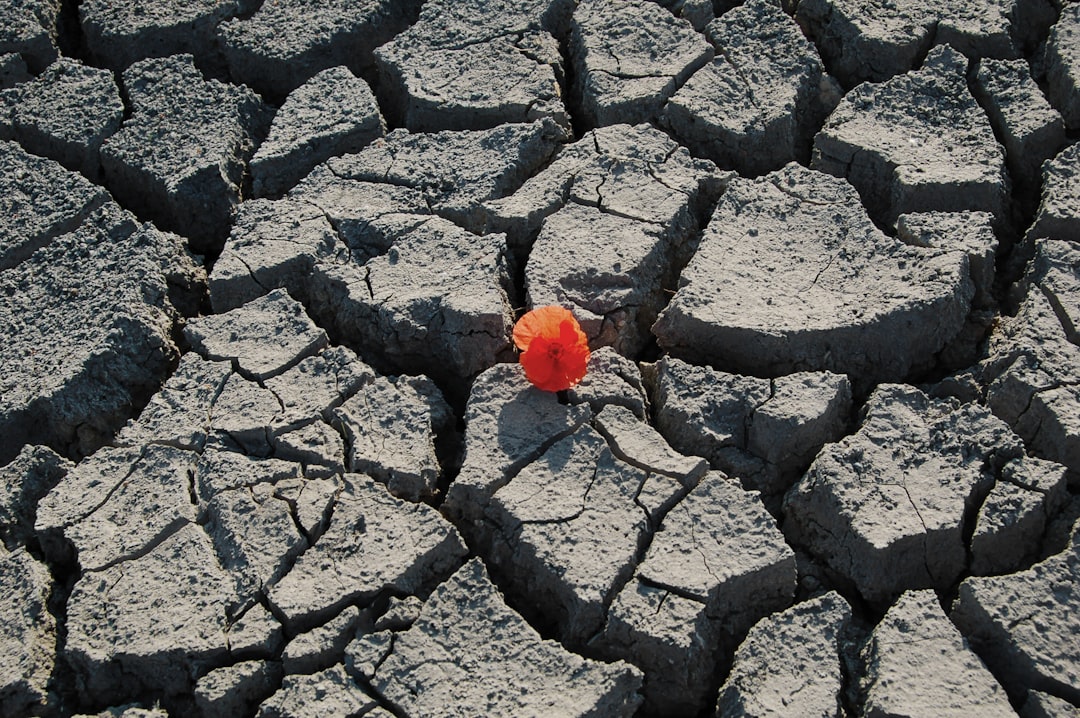
Drought is a complex phenomenon with far-reaching consequences for natural ecosystems and human societies. It occurs when a region experiences prolonged periods of abnormally low rainfall, resulting in water shortages that affect agriculture, drinking water supplies, and economic stability. Beyond water scarcity, drought can cause food insecurity, loss of livelihoods, and social instability.
As global temperatures rise and weather patterns become more unpredictable due to climate change, droughts are projected to increase in frequency and severity, making it essential for communities to fully understand their impacts. Drought produces significant ecological effects. Ecosystems dependent on consistent water availability experience reduced biodiversity as plants and animals struggle to adapt to changing conditions.
Aquatic habitats face declining water levels, which can result in fish mortality and disruption of food chains. Additionally, drought can facilitate the spread of invasive species, which often flourish in stressed environments. Comprehending these ecological impacts is necessary for developing effective strategies to reduce drought’s effects on both the environment and human populations.
Learn about the environmental impacts of lithium mining in this informative video.
Key Takeaways
- Understanding drought impacts and assessing water availability are crucial first steps in preparedness.
- Identifying vulnerable populations helps target resources and support effectively.
- Developing contingency plans and sustainable agricultural practices can mitigate drought effects.
- Collaboration with stakeholders and incorporating climate projections enhance planning accuracy.
- Public education and securing funding are essential for sustained drought preparedness efforts.
Assessing Water Resources and Availability
A comprehensive assessment of water resources is essential for effective drought management. This involves evaluating both surface water and groundwater supplies, as well as understanding the seasonal variations in water availability. By mapping out existing water resources, communities can identify potential shortages and develop strategies to address them.
This assessment should also consider the quality of water sources, as pollution can further complicate the availability of clean water during drought conditions. In addition to quantifying water resources, it is vital to analyze consumption patterns across different sectors, including agriculture, industry, and domestic use. Understanding how water is allocated and utilized can help identify areas where conservation efforts can be implemented.
For instance, agricultural practices often consume a significant portion of available water; thus, optimizing irrigation techniques could lead to substantial savings. By conducting thorough assessments, communities can create a more resilient framework for managing their water resources in times of drought.
Identifying Vulnerable Areas and Populations
Identifying vulnerable areas and populations is a critical step in drought preparedness. Certain regions may be more susceptible to drought due to geographical factors, such as arid climates or reliance on limited water sources. Additionally, socio-economic factors play a significant role in vulnerability; low-income communities may lack the resources to adapt to water shortages effectively.
By mapping these vulnerabilities, policymakers can prioritize interventions and allocate resources where they are needed most. Furthermore, vulnerable populations often include marginalized groups who may not have access to information or support systems during times of crisis. This includes rural communities that depend heavily on agriculture for their livelihoods and urban populations that may face increased competition for dwindling water supplies.
Understanding these dynamics allows for targeted outreach and education efforts that can empower these communities to take proactive measures in preparing for drought conditions.
Developing Contingency Plans for Water Conservation
Developing contingency plans for water conservation is essential for mitigating the impacts of drought. These plans should outline specific strategies for reducing water consumption across various sectors, including residential, agricultural, and industrial uses. For instance, implementing tiered pricing structures for water usage can incentivize conservation among consumers.
Additionally, promoting the use of drought-resistant landscaping and efficient irrigation systems can significantly reduce water waste in agricultural practices. Moreover, contingency plans should include provisions for emergency water supplies in case of severe shortages. This could involve establishing agreements with neighboring regions for water sharing or investing in technologies such as desalination or rainwater harvesting systems.
By having a comprehensive plan in place, communities can respond swiftly to emerging drought conditions and minimize the adverse effects on their populations and economies.
Implementing Sustainable Agricultural Practices
| Metric | Baseline Scenario Value | Unit | Description |
|---|---|---|---|
| Annual Precipitation | 450 | mm | Average yearly rainfall during drought year |
| Soil Moisture Deficit | 35 | % | Percentage reduction in soil moisture compared to normal years |
| Reservoir Storage Level | 40 | % | Water storage capacity remaining at drought year baseline |
| Crop Yield Reduction | 25 | % | Estimated decrease in crop production due to drought conditions |
| Water Demand Increase | 15 | % | Increase in water demand for irrigation and domestic use |
| Evapotranspiration Rate | 1200 | mm/year | Estimated water loss from soil and plants during drought year |
| Groundwater Level Decline | 2.5 | m | Average drop in groundwater table during drought period |
| Livestock Mortality Rate | 10 | % | Percentage of livestock lost due to water and feed shortages |
Sustainable agricultural practices are vital in addressing the challenges posed by drought. Traditional farming methods often rely heavily on irrigation and chemical inputs, which can exacerbate water scarcity issues. By adopting practices such as crop rotation, cover cropping, and reduced tillage, farmers can enhance soil health and improve water retention.
These methods not only conserve water but also promote biodiversity and resilience within agricultural systems. Additionally, integrating technology into farming practices can lead to more efficient water use.
This not only conserves water but also optimizes crop yields, ensuring food security even during periods of drought. By promoting sustainable agricultural practices, communities can build resilience against future droughts while maintaining their economic viability.
Creating Emergency Response Protocols
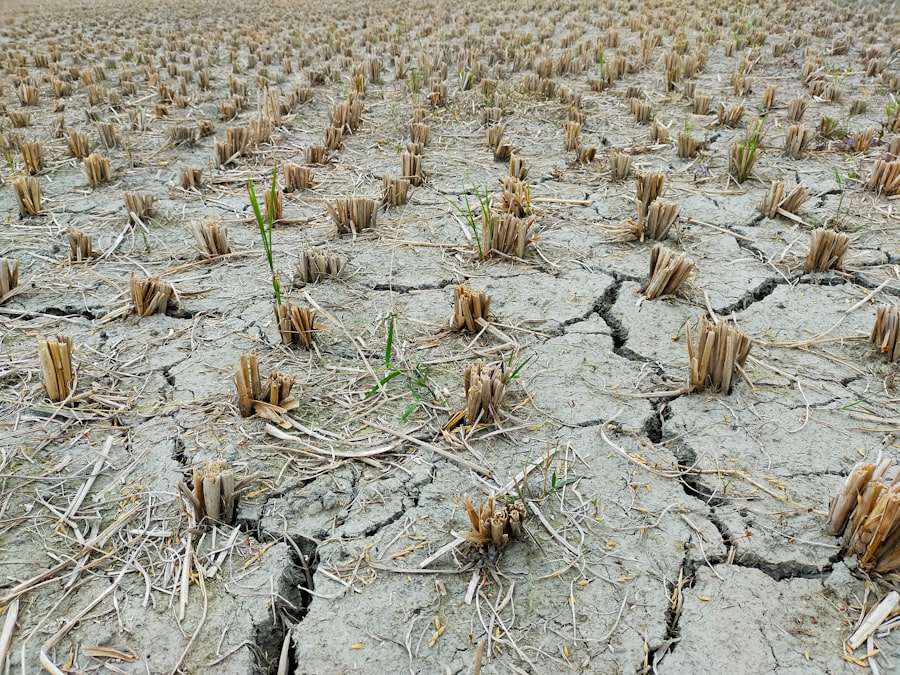
Creating emergency response protocols is crucial for effective drought management. These protocols should outline clear steps for local governments and agencies to follow when drought conditions are identified. This includes establishing communication channels to disseminate information about water conservation measures and available resources for affected populations.
Timely communication can help mitigate panic and ensure that communities are prepared to adapt to changing conditions. Moreover, emergency response protocols should include provisions for monitoring and evaluating the effectiveness of implemented measures. Regular assessments can help identify areas where adjustments are needed and ensure that resources are allocated efficiently.
By having a well-defined response plan in place, communities can navigate the challenges posed by drought more effectively and minimize its impact on public health and safety.
Collaborating with Local and Regional Stakeholders
Collaboration with local and regional stakeholders is essential for comprehensive drought preparedness efforts. Engaging various stakeholders—including government agencies, non-profit organizations, businesses, and community groups—can foster a more inclusive approach to addressing drought challenges. By bringing together diverse perspectives and expertise, communities can develop more effective strategies that consider the unique needs of different populations.
Furthermore, collaboration can facilitate resource sharing and knowledge exchange among stakeholders. For instance, agricultural organizations can work with local governments to implement best practices for water conservation while businesses can contribute funding or technology solutions. By fostering partnerships at multiple levels, communities can build a more resilient framework for managing drought impacts collectively.
Incorporating Climate Change Projections into Planning
Incorporating climate change projections into planning efforts is critical for long-term drought preparedness. As climate change continues to alter weather patterns globally, understanding these changes will help communities anticipate future drought conditions more accurately. This involves analyzing historical data alongside climate models to identify trends in precipitation patterns and temperature fluctuations.
By integrating climate projections into planning processes, communities can develop adaptive strategies that account for potential changes in water availability. For example, urban planners might consider incorporating green infrastructure that enhances stormwater management while also providing recreational spaces for residents. By proactively addressing the implications of climate change on water resources, communities can enhance their resilience against future droughts.
Monitoring and Evaluating Drought Preparedness Efforts
Monitoring and evaluating drought preparedness efforts is essential for ensuring their effectiveness over time. Establishing key performance indicators (KPIs) allows communities to track progress toward their goals and identify areas needing improvement. Regular evaluations can provide valuable insights into what strategies are working well and which ones require adjustments based on changing conditions.
Additionally, involving community members in monitoring efforts fosters a sense of ownership over local initiatives. Engaging citizens in data collection or feedback processes can enhance transparency and accountability while also building trust between stakeholders. By prioritizing ongoing evaluation, communities can adapt their approaches as needed and remain prepared for future drought challenges.
Educating the Public on Drought Preparedness
Public education plays a vital role in enhancing community resilience against droughts. Raising awareness about the causes and consequences of drought empowers individuals to take proactive measures in conserving water resources. Educational campaigns can provide practical tips on reducing household water usage or implementing sustainable landscaping practices that require less irrigation.
Moreover, schools can serve as important venues for educating young people about drought preparedness. Integrating environmental education into curricula helps instill a sense of responsibility toward natural resources from an early age. By fostering a culture of awareness and action around drought issues, communities can cultivate a more informed citizenry capable of contributing to long-term solutions.
Securing Funding for Drought Preparedness Initiatives
Securing funding for drought preparedness initiatives is crucial for implementing effective strategies at both local and regional levels. Governments may allocate resources through grants or budgetary provisions specifically aimed at addressing water scarcity issues. Additionally, partnerships with private sector entities or non-profit organizations can provide alternative funding sources that support innovative projects focused on sustainability.
Communities should actively seek out grants or financial assistance programs that align with their goals for drought preparedness. By diversifying funding sources and strategically investing in initiatives that promote resilience, communities can better equip themselves to face the challenges posed by future droughts while safeguarding their natural resources for generations to come.
In the context of drought year baseline scenario planning, it is essential to consider various strategies and insights that can help mitigate the impacts of water scarcity. A related article that delves into this topic can be found on MyGeoQuest, which discusses innovative approaches to managing water resources during drought conditions. For more information, you can read the article here: MyGeoQuest.
WATCH THIS! 🌍 “THE WATER IS GONE: Inside the Desert Killing the EV Revolution
FAQs
What is drought year baseline scenario planning?
Drought year baseline scenario planning is a strategic approach used by organizations, governments, and communities to prepare for and manage the impacts of drought conditions. It involves creating baseline scenarios that anticipate water shortages, resource constraints, and environmental stresses during drought years to guide decision-making and resource allocation.
Why is drought year baseline scenario planning important?
This planning is important because it helps mitigate the adverse effects of drought by enabling proactive measures. It supports water conservation, ensures sustainable resource management, protects ecosystems, and helps maintain economic stability during periods of reduced water availability.
What factors are considered in drought year baseline scenario planning?
Key factors include historical drought data, climate projections, water supply and demand assessments, agricultural needs, environmental impacts, infrastructure capacity, and socio-economic conditions. These elements help create realistic and effective scenarios for planning purposes.
Who typically conducts drought year baseline scenario planning?
Planning is usually conducted by water resource managers, environmental agencies, government planners, agricultural organizations, and community stakeholders. Collaboration among these groups ensures comprehensive and practical drought management strategies.
How are baseline scenarios developed for drought year planning?
Baseline scenarios are developed by analyzing past drought events, current water usage patterns, and future climate models. This analysis helps identify potential risks and vulnerabilities, which are then used to create scenarios that represent varying degrees of drought severity and duration.
What are the common outcomes of drought year baseline scenario planning?
Common outcomes include drought contingency plans, water use restrictions, infrastructure improvements, emergency response protocols, public awareness campaigns, and policies aimed at enhancing water efficiency and resilience.
How often should drought year baseline scenario planning be updated?
It is recommended to review and update drought year baseline scenarios regularly, typically every few years or after significant climate or hydrological changes, to ensure that plans remain relevant and effective in addressing current and future drought risks.
Can drought year baseline scenario planning help in climate change adaptation?
Yes, it plays a crucial role in climate change adaptation by preparing communities and ecosystems for increased drought frequency and intensity, thereby reducing vulnerability and enhancing long-term sustainability.
What tools or models are used in drought year baseline scenario planning?
Tools commonly used include hydrological models, climate simulation software, geographic information systems (GIS), water demand forecasting models, and risk assessment frameworks to analyze and visualize drought impacts and management options.
How does drought year baseline scenario planning benefit agriculture?
It helps farmers and agricultural planners anticipate water shortages, optimize irrigation practices, select drought-resistant crops, and implement soil conservation techniques, thereby minimizing crop losses and maintaining food security during drought periods.