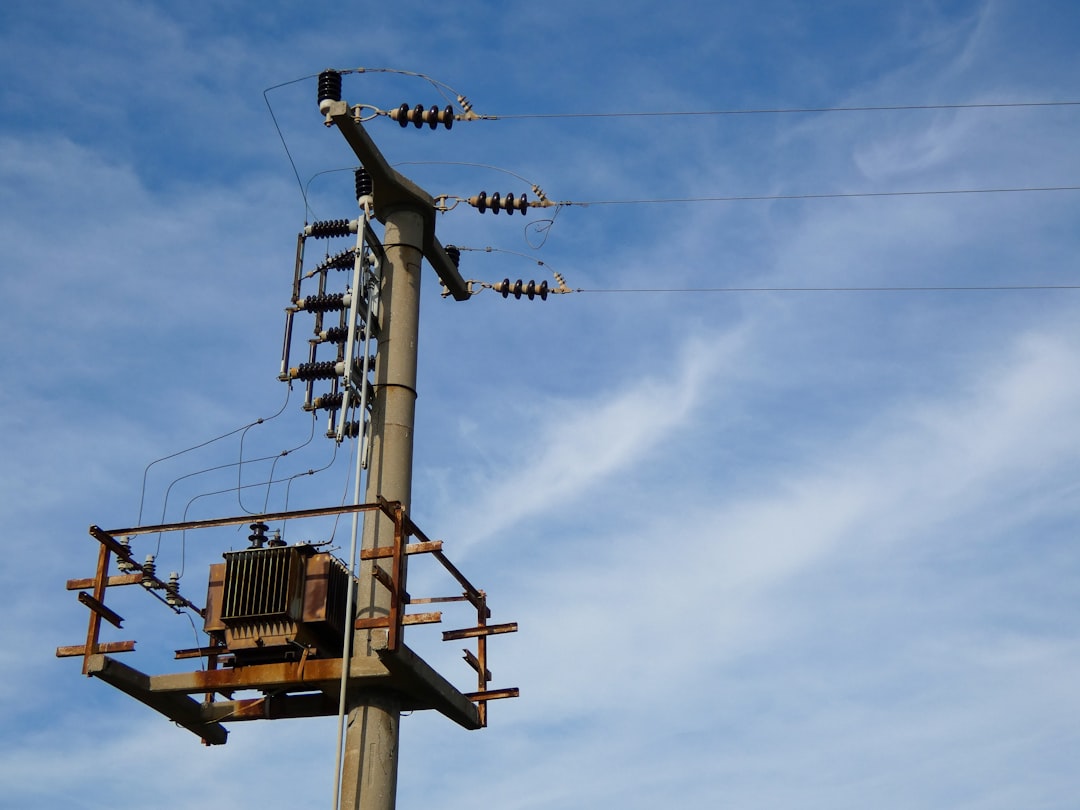
The power transformer spare shortage crisis has emerged as a significant challenge for the global energy sector, drawing attention from industry experts, policymakers, and stakeholders alike. Power transformers are critical components in electrical grids, facilitating the transmission and distribution of electricity across vast distances. As the demand for reliable and efficient energy solutions continues to rise, the availability of spare parts for these essential devices has become increasingly strained.
This shortage not only threatens the operational efficiency of power systems but also poses risks to energy security and reliability. The crisis has been exacerbated by a confluence of factors, including supply chain disruptions, increased demand for electricity, and the aging infrastructure of power systems worldwide. As utilities and energy providers grapple with these challenges, the implications of the spare shortage extend beyond mere inconvenience; they threaten to undermine the stability of power supply and hinder efforts to transition to more sustainable energy sources.
Understanding the intricacies of this crisis is crucial for developing effective strategies to mitigate its impact on the power industry.
Key Takeaways
- The power transformer spare shortage crisis is significantly disrupting maintenance and repair operations in the power industry.
- Key causes include supply chain disruptions, increased demand, and limited manufacturing capacity.
- Economic impacts are severe, leading to higher costs and potential power outages.
- Mitigation strategies focus on innovation, improved production techniques, and enhanced collaboration among stakeholders.
- Government policies and global partnerships play a crucial role in addressing and managing the crisis moving forward.
Impact on the Power Industry
The ramifications of the power transformer spare shortage crisis are profound and multifaceted, affecting various aspects of the power industry. One of the most immediate impacts is the potential for increased downtime in power generation and distribution systems. When transformers fail or require maintenance, the inability to access necessary spare parts can lead to prolonged outages, disrupting service to consumers and businesses alike.
This not only affects customer satisfaction but can also result in significant financial losses for utilities that rely on uninterrupted service. Moreover, the shortage has implications for the overall reliability of electrical grids. As transformers age and require more frequent repairs, the lack of available spares can lead to a cascading effect, where one failure triggers a series of outages across interconnected systems.
This scenario poses a serious risk to grid stability, particularly during peak demand periods or extreme weather events when electricity consumption surges. The power industry must navigate these challenges while striving to maintain a reliable supply of electricity, underscoring the urgency of addressing the spare shortage crisis.
Causes of the Spare Shortage Crisis
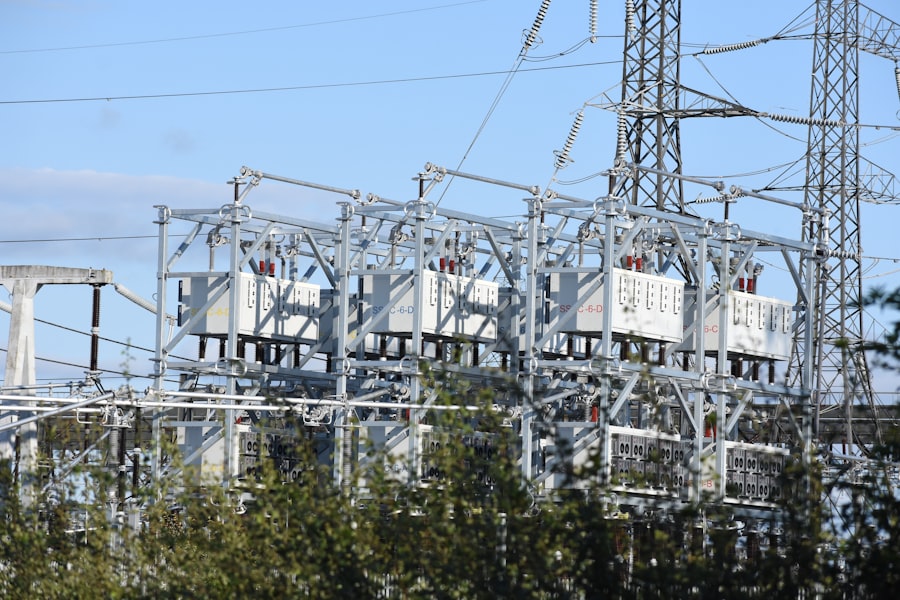
Several interrelated factors contribute to the current power transformer spare shortage crisis. One primary cause is the disruption of global supply chains, which has been exacerbated by events such as the COVID-19 pandemic. The pandemic led to factory shutdowns, labor shortages, and transportation delays, all of which have hindered the production and distribution of essential components.
As manufacturers struggled to meet demand during this period, backlogs in orders for spare parts began to accumulate, creating a ripple effect throughout the industry. In addition to supply chain issues, there is an increasing demand for electricity driven by population growth, urbanization, and technological advancements. As more devices become interconnected and reliant on electricity, the pressure on existing power infrastructure intensifies.
This surge in demand has outpaced the ability of manufacturers to produce spare parts quickly enough to keep up with maintenance needs. Furthermore, many power transformers in use today are aging and require more frequent repairs, compounding the strain on available spares and highlighting the urgent need for modernization within the industry.
Effects on Power Transformer Maintenance and Repair
| Effect | Description | Impact on Maintenance | Impact on Repair | Frequency |
|---|---|---|---|---|
| Insulation Degradation | Deterioration of insulating materials due to thermal, electrical, and environmental stresses | Requires regular insulation resistance testing and oil analysis | May necessitate rewinding or replacement of insulation components | High |
| Oil Contamination | Presence of moisture, gases, or particles in transformer oil | Periodic oil sampling and filtration to maintain dielectric strength | Oil replacement or purification; possible repair of leaks | Medium |
| Thermal Overload | Excessive heat generation causing accelerated aging | Monitoring temperature and load to prevent overheating | Replacement of damaged components such as windings or cooling systems | Medium |
| Mechanical Stress | Physical forces from short circuits or transportation | Inspection for structural integrity and tightening of connections | Repair or replacement of deformed parts or bushings | Low |
| Partial Discharge | Localized electrical discharges within insulation | Use of partial discharge detection equipment during maintenance | Targeted repair of insulation defects or replacement | Medium |
| Corrosion | Oxidation of metal parts due to moisture and environmental exposure | Regular cleaning and application of protective coatings | Replacement of corroded components | Low |
The shortage of spare parts has significant implications for power transformer maintenance and repair practices. Utilities are often forced to adopt reactive maintenance strategies rather than proactive ones due to limited access to necessary components. This shift can lead to increased operational risks as aging transformers are pushed beyond their limits without timely repairs or replacements.
Consequently, utilities may experience higher failure rates and unplanned outages, further straining their resources and complicating their maintenance schedules. Additionally, the lack of available spares can lead to extended lead times for repairs, forcing utilities to delay critical maintenance activities.
Utilities may find themselves in a position where they must prioritize repairs based on available resources rather than on criticality or risk assessment, potentially compromising safety and reliability standards. The need for a more strategic approach to maintenance is evident as utilities navigate these challenges in an increasingly complex environment.
Economic Consequences for the Power Industry
The economic consequences of the power transformer spare shortage crisis are far-reaching and can significantly impact both utilities and consumers. For utilities, increased downtime due to transformer failures can lead to substantial financial losses. The costs associated with unplanned outages include not only lost revenue from disrupted service but also expenses related to emergency repairs and overtime labor.
These financial burdens can strain utility budgets and hinder investments in infrastructure improvements or new technologies. Consumers also bear the brunt of these economic consequences. Prolonged outages can disrupt businesses, leading to lost productivity and revenue.
In some cases, consumers may face higher electricity rates as utilities seek to recover costs associated with maintaining aging infrastructure or investing in alternative solutions to mitigate outages. The ripple effects extend beyond immediate financial implications; they can also influence public perception of utility reliability and trustworthiness, potentially leading to long-term repercussions for customer relationships.
Strategies for Mitigating the Spare Shortage Crisis
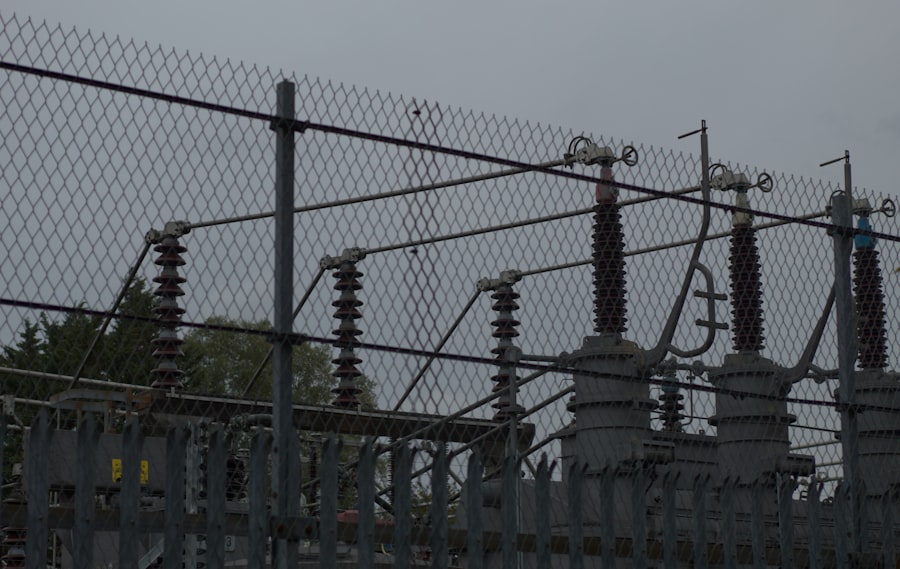
To address the power transformer spare shortage crisis effectively, utilities and industry stakeholders must adopt a multifaceted approach that encompasses both short-term solutions and long-term strategies. One immediate strategy involves enhancing inventory management practices to ensure that critical spare parts are readily available when needed. By implementing data-driven forecasting models and optimizing supply chain logistics, utilities can better anticipate demand fluctuations and maintain adequate stock levels.
In addition to improving inventory management, collaboration among industry players is essential for addressing the shortage. Utilities can benefit from sharing best practices and insights with one another, fostering a culture of cooperation that enhances overall resilience within the sector. Furthermore, engaging with manufacturers early in the procurement process can help utilities secure necessary components before shortages escalate.
By building strong relationships with suppliers and investing in strategic partnerships, utilities can create a more robust supply chain that is better equipped to withstand future disruptions.
Innovations in Power Transformer Spare Production
Innovation plays a crucial role in addressing the power transformer spare shortage crisis by enabling manufacturers to enhance production capabilities and streamline processes. Advances in technology, such as automation and additive manufacturing (3D printing), have the potential to revolutionize how spare parts are produced. These technologies allow for faster production times and greater flexibility in creating customized components tailored to specific needs.
Moreover, research into alternative materials and designs can lead to more efficient transformer components that require fewer resources or are easier to manufacture. By investing in research and development initiatives focused on innovative production methods, manufacturers can not only alleviate current shortages but also position themselves for future growth in an evolving energy landscape. Embracing innovation will be key to ensuring that spare parts are available when needed while also enhancing overall efficiency within the power transformer supply chain.
Global Perspectives on the Spare Shortage Crisis
The power transformer spare shortage crisis is not confined to any single region; it is a global issue that affects countries around the world. Different regions may experience varying degrees of impact based on their unique energy demands, infrastructure conditions, and supply chain dynamics. For instance, developing countries may face more acute challenges due to limited manufacturing capabilities and reliance on imported components, while developed nations may grapple with aging infrastructure that requires extensive upgrades.
International collaboration is essential for addressing this crisis on a global scale. By sharing knowledge and resources across borders, countries can work together to develop solutions that enhance resilience within their respective power systems. Additionally, global organizations can play a pivotal role in facilitating dialogue among stakeholders, promoting best practices, and fostering innovation that transcends national boundaries.
A coordinated approach will be vital in navigating this complex challenge effectively.
Government Policies and Regulations Addressing the Crisis
Governments play a critical role in shaping policies and regulations that can help mitigate the power transformer spare shortage crisis. By implementing supportive frameworks that encourage investment in infrastructure modernization and innovation, policymakers can create an environment conducive to addressing supply chain challenges. For example, incentives for manufacturers to expand production capabilities or invest in research and development can stimulate growth within the sector.
Furthermore, regulatory measures aimed at enhancing grid resilience can help utilities prioritize maintenance activities and ensure that critical components are readily available when needed. Governments can also facilitate collaboration between public and private sectors by establishing partnerships that promote knowledge sharing and resource allocation. By taking proactive steps through policy initiatives, governments can help alleviate some of the pressures associated with the spare shortage crisis while fostering a more sustainable energy future.
Collaboration and Partnerships in Addressing the Spare Shortage Crisis
Collaboration among various stakeholders is essential for effectively addressing the power transformer spare shortage crisis. Utilities, manufacturers, regulators, and research institutions must work together to develop comprehensive strategies that enhance resilience within the power sector. By fostering partnerships that leverage diverse expertise and resources, stakeholders can create innovative solutions that address both immediate challenges and long-term needs.
One avenue for collaboration involves establishing industry consortia or working groups focused on sharing best practices related to inventory management, maintenance strategies, and supply chain optimization. These collaborative efforts can facilitate knowledge exchange among participants while promoting a culture of continuous improvement within the sector. Additionally, engaging with academic institutions can drive research initiatives aimed at developing new technologies or materials that enhance production capabilities for spare parts.
Future Outlook for the Power Transformer Spare Shortage Crisis
The future outlook for the power transformer spare shortage crisis remains uncertain but holds potential for positive change through concerted efforts from industry stakeholders. As awareness of this issue grows, there is an increasing recognition of the need for proactive measures that address both current challenges and future demands within the power sector. By embracing innovation, fostering collaboration, and implementing supportive policies, stakeholders can work towards building a more resilient energy infrastructure capable of meeting evolving needs.
Moreover, as global energy transitions accelerate towards renewable sources such as wind and solar power, there will be opportunities for rethinking traditional approaches to transformer design and production. The integration of smart technologies into power systems may also lead to more efficient maintenance practices that reduce reliance on physical spares altogether. While challenges remain ahead, a collective commitment to addressing these issues will be crucial in shaping a sustainable future for the power transformer industry amidst ongoing changes in energy demand and technology advancements.
The ongoing power transformer spare shortage crisis has raised significant concerns within the energy sector, highlighting the need for strategic planning and resource management. For a deeper understanding of the implications and potential solutions to this issue, you can read a related article on the topic at this link.
WATCH THIS! The $500 Billion Bet: Why America’s Biggest Dam Is Guaranteed to Fail
FAQs
What is causing the power transformer spare shortage crisis?
The shortage is primarily due to increased global demand, supply chain disruptions, limited manufacturing capacity, and delays in raw material procurement.
How does a shortage of power transformer spares affect the power industry?
It can lead to extended downtime during transformer failures, increased maintenance costs, reduced grid reliability, and potential power outages.
What are power transformer spares?
Power transformer spares are replacement parts such as bushings, tap changers, cooling fans, and insulating materials used to maintain or repair power transformers.
Why are power transformers critical in the electrical grid?
They step up or step down voltage levels for efficient power transmission and distribution, ensuring electricity reaches consumers safely and reliably.
Can the shortage of spares delay power infrastructure projects?
Yes, the unavailability of essential spare parts can delay maintenance and commissioning of transformers, impacting project timelines.
What measures can utilities take to mitigate the impact of the spare shortage?
Utilities can maintain larger inventories, establish multiple supplier relationships, invest in predictive maintenance, and explore refurbishment options.
Are there any long-term solutions to prevent future spare shortages?
Long-term solutions include increasing manufacturing capacity, diversifying supply chains, adopting advanced monitoring technologies, and encouraging local production of components.
How has the COVID-19 pandemic influenced the power transformer spare shortage?
The pandemic caused factory shutdowns, logistics challenges, and labor shortages, exacerbating delays in production and delivery of spare parts.
Is the shortage crisis affecting all regions equally?
No, the impact varies by region depending on local manufacturing capabilities, supply chain robustness, and demand levels.
What role do manufacturers play in addressing the spare shortage?
Manufacturers can increase production, improve supply chain transparency, prioritize critical orders, and innovate in spare part design to enhance availability.