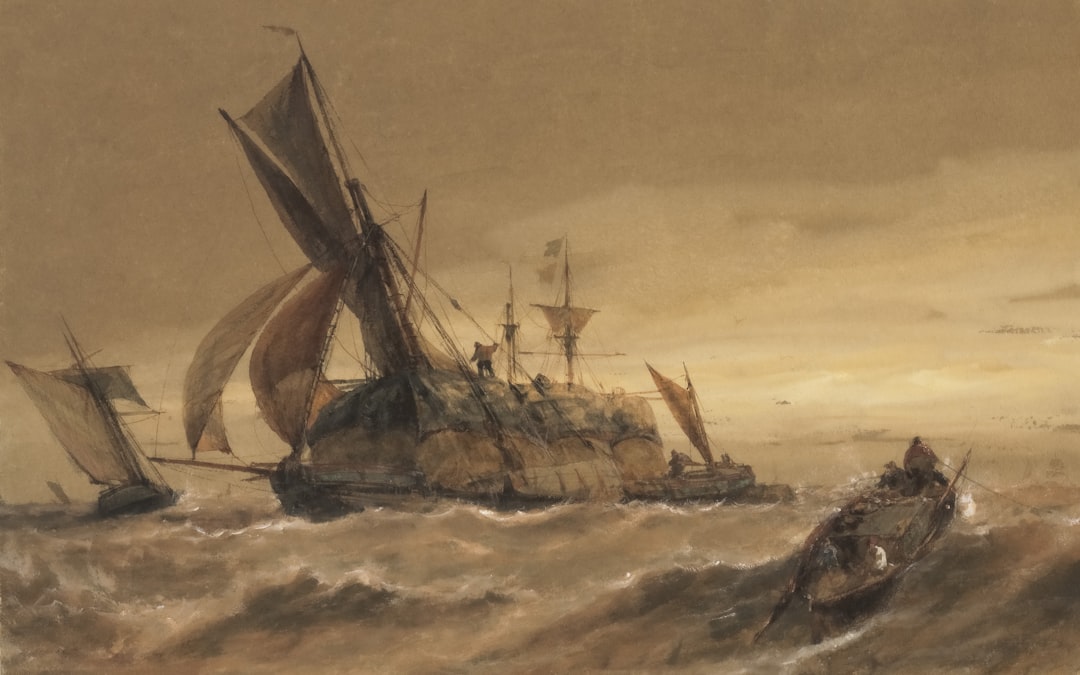
The Malacca Strait, a serpentine artery of global commerce, faces a persistent and evolving threat: piracy. This critical waterway, a chokepoint where East meets West, is a vital conduit for a significant portion of the world’s trade. However, the shadowy figures of modern-day buccaneers cast a long shadow over its maritime safety, transforming a route of prosperity into one fraught with peril.
The Malacca Strait’s very geography renders it a prime target for maritime crime. Its narrow expanse, coupled with its strategic location, creates a veritable funnel through which an immense volume of maritime traffic must pass.
A Bottleneck of Global Significance
The strait stretches approximately 500 nautical miles (930 km) and connects the Andaman Sea in the Indian Ocean with the South China Sea in the Pacific Ocean. At its narrowest point, it is only about 1.7 nautical miles (3.1 km) wide. This constricted passage means that vessels are forced into close proximity, creating opportunities for opportunistic attacks. Imagine a busy highway during rush hour; a surge in traffic inevitably leads to increased congestion and a higher potential for fender-benders, or in this case, boardings. The sheer density of vessels passing through daily – estimated to be over 100,000 annually – makes comprehensive surveillance a monumental task.
Proximity to Coastal Populations and Fishing Villages
The shores of the Malacca Strait are dotted with numerous coastal communities and fishing villages. These areas often provide refuge and a readily available source of manpower for pirate syndicates. The relatively low cost of small, fast boats, often repurposed fishing vessels, allows pirates to launch their attacks with agility and speed, disappearing into the myriad inlets and coves before naval patrols can respond effectively. The proximity to land also facilitates the swift disposal of stolen goods and the movement of perpetrators, making enforcement a complex game of cat and mouse.
Maritime piracy in the Strait of Malacca has been a significant concern for international shipping and regional security. For a deeper understanding of the complexities surrounding this issue, you can read a related article that explores the historical context and recent developments in piracy incidents in the region. This article provides valuable insights into the measures being taken to combat piracy and ensure safer navigation through one of the world’s busiest maritime routes. To learn more, visit the article [here](https://www.mygeoquest.com/sample-page/).
The Shifting Landscape of Pirate Operations
Piracy in the Malacca Strait is not a monolithic entity; it has evolved considerably over the decades, adapting to increased security measures and changing economic conditions. Understanding this evolution is crucial to developing effective countermeasures.
From ‘Small Boat Against Big Ship’ Tactics
Early forms of piracy in the strait often involved smaller, faster boats, carrying a handful of pirates armed with knives, machetes, and sometimes crude firearms. Their modus operandi was typically opportunistic: boarding slow-moving or anchored vessels, seizing readily available valuables like cash, personal belongings, and sometimes even smaller cargo items. These were akin to pickpockets on the high seas, relying on surprise and the sheer volume of traffic to achieve their aims.
The Rise of Organized Syndicates and Sophisticated Methods
Over time, piracy in the Malacca Strait has seen a significant shift towards more organized and sophisticated operations. This evolution has been driven by increased profits and the development of more organized crime networks.
Increased Sophistication in Weaponry and Tactics
Modern pirate groups are often equipped with more potent weaponry, including automatic rifles and rocket-propelled grenades. Their tactics have also become more refined, employing coordinated attacks and employing techniques to disable vessel navigation systems or communications. This elevates the threat from simple theft to a situation where the safety of the crew and the vessel itself is seriously compromised.
Target Selection and Cargo Hijacking
While petty theft still occurs, the focus has increasingly shifted towards hijacking larger vessels for their lucrative cargo. Tankers carrying oil or other valuable commodities, container ships laden with electronic goods, or vessels carrying agricultural products have become prime targets. The objective is often to seize the entire cargo, which can then be offloaded and sold on the black market, an operation requiring more planning and coordination than individual opportunistic raids.
Kidnapping for Ransom as a Lucrative Venture
A particularly disturbing trend has been the rise of kidnapping for ransom. Pirates abduct crew members and hold them hostage until a substantial ransom is paid. This tactic has proven to be highly profitable, as shipping companies are often willing to pay to ensure the safe return of their personnel. This adds a deeply human cost to the piracy threat, turning seafarers into commodities.
The Economic Ramifications of Maritime Piracy
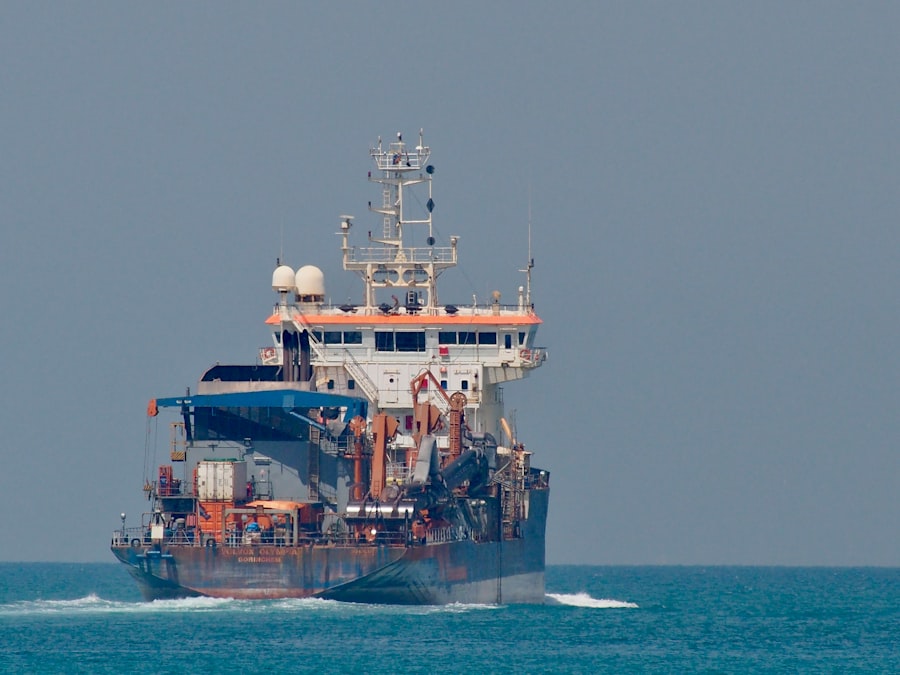
The impact of piracy on the Malacca Strait extends far beyond the immediate losses incurred by individual shipping companies. It creates a ripple effect that impacts global trade, insurance costs, and regional stability.
Increased Operational Costs for Shipping Companies
The omnipresent threat of piracy forces shipping companies to incur significant additional costs. These include the expense of hiring private armed guards for vessels, the installation of advanced anti-piracy security systems, and the implementation of more stringent voyage planning and reporting procedures. These costs are inevitably passed on to consumers in the form of higher shipping rates, contributing to inflation. The Strait, once a relatively economical route, is becoming a more expensive conduit for commerce.
The Burden of Increased Insurance Premiums
Insurance companies, faced with a higher risk environment, have consequently increased premiums for vessels transiting the Malacca Strait. This financial burden further exacerbates the operational costs for shipping companies. The risk premium associated with this waterway has climbed like an unwelcome tide, adding to the overall cost of doing business.
Disruption to Trade Flows and Supply Chains
Pirate attacks can lead to significant delays in shipments, rerouting of vessels, and, in severe cases, the complete disruption of trade flows. This can have cascading effects on global supply chains, impacting the availability of goods and the timely delivery of essential commodities. The smooth, predictable rhythm of global commerce can be thrown into disarray by the unpredictable storm of piracy.
Counter-Piracy Efforts and Their Effectiveness
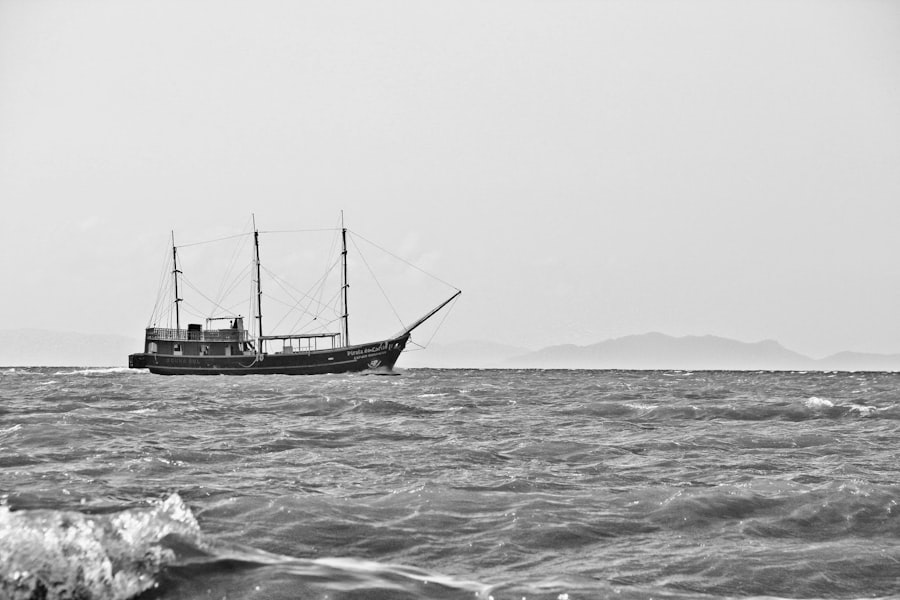
Numerous efforts have been undertaken by littoral states, international organizations, and private entities to combat piracy in the Malacca Strait. However, the effectiveness of these measures has been met with varying degrees of success.
Naval Patrols and International Cooperation
The presence of naval patrols from littoral states (Malaysia, Singapore, and Indonesia) and international naval forces has been a cornerstone of counter-piracy efforts. Coordinated patrols, information sharing, and joint exercises aim to deter pirates and respond to attacks. However, the vastness of the strait and the speed of pirate vessels often make it challenging for patrols to provide immediate protection to every vessel. It’s like trying to guard every single car on a sprawling highway with a limited number of police cars.
Legal Frameworks and Prosecution Challenges
International laws and conventions provide a framework for prosecuting pirates, but challenges remain. Identifying and apprehending pirates in international waters, gathering sufficient evidence for prosecution, and ensuring consistent sentencing across different jurisdictions can be complex. Bringing perpetrators to justice is crucial for deterrence, but the legal pathways can be as tangled as a fishing net.
The Role of the International Maritime Organization (IMO)
The IMO plays a vital role in developing and disseminating best practices for maritime security, including piracy prevention. It facilitates international cooperation, provides guidance on best management practices (BMPs) for protecting ships against piracy, and organizes forums for stakeholders to discuss and address the threat. The IMO acts as a central nervous system, coordinating global responses.
Private Security Measures and Armed Guards
In recent years, the use of private armed guards on board vessels has become increasingly common. These trained professionals provide a deterrent and a means of defense against pirate attacks. While effective in many cases, this has also raised questions about the regulation and authorization of armed private security at sea. The addition of private defense forces on vessels has been a significant development, shifting the balance of power in some encounters.
Maritime piracy remains a significant concern in the Strait of Malacca, a crucial shipping route that connects the Indian Ocean to the South China Sea. Recent reports highlight the increasing frequency of attacks, prompting discussions about the need for enhanced security measures in the region. For a deeper understanding of the factors contributing to this issue, you can read a related article that explores the complexities of piracy in this vital waterway. The article provides insights into the socio-economic conditions that fuel such criminal activities and the international efforts to combat them. To learn more about this pressing topic, visit this article.
The Evolving Threat: Looking Towards the Future
| Year | Number of Incidents | Reported Attacks | Successful Hijackings | Arrests Made | Major Affected Vessel Types |
|---|---|---|---|---|---|
| 2020 | 34 | 28 | 3 | 15 | Cargo Ships, Tankers |
| 2021 | 29 | 25 | 2 | 18 | Cargo Ships, Fishing Vessels |
| 2022 | 22 | 20 | 1 | 20 | Cargo Ships, Tankers |
| 2023 | 18 | 15 | 1 | 22 | Cargo Ships, Container Ships |
The fight against piracy in the Malacca Strait is an ongoing battle, and the threat continues to adapt. Understanding future trends and potential challenges is essential for maintaining maritime safety.
The Impact of Economic Instability
Economic downturns and instability in the region can create fertile ground for piracy. When legitimate employment opportunities dwindle, individuals may turn to piracy as a means of survival or to achieve quick financial gains. The economic currents of fortune can inadvertently fuel the engines of piracy.
Technological Advancements and Counter-Measures
As pirates adopt new technologies to facilitate their attacks, security forces and maritime industries must continually innovate and implement advanced counter-measures. This includes enhanced surveillance systems, improved communication protocols, and more effective defensive technologies. The arms race at sea is a constant reality, with vigilance and technological evolution being key.
The Importance of Regional Cooperation and Sustainable Solutions
Ultimately, the long-term solution to piracy in the Malacca Strait lies in sustained regional cooperation, addressing the root causes of piracy, and promoting economic development in coastal communities. This includes strengthening law enforcement capabilities, providing alternative livelihood opportunities, and fostering greater understanding and collaboration among all stakeholders. The Strait, as a shared resource and a vital artery, necessitates a collective and enduring commitment to its safety and security. Without a holistic approach, the specter of piracy will continue to loom, a persistent shadow over this critical maritime highway.

WATCH NOW ▶️ SHOCKING: Malacca: The $10 Trillion Lie Revealed
FAQs
What is maritime piracy in the Strait of Malacca?
Maritime piracy in the Strait of Malacca refers to criminal acts such as hijacking, robbery, and attacks on ships passing through this narrow and busy waterway located between the Malay Peninsula and the Indonesian island of Sumatra.
Why is the Strait of Malacca a hotspot for piracy?
The Strait of Malacca is a major global shipping route with heavy maritime traffic, making it a lucrative target for pirates. Its narrow channels, numerous small islands, and limited naval patrols in some areas contribute to the vulnerability of vessels.
What types of attacks are commonly carried out by pirates in the Strait of Malacca?
Common pirate attacks include armed robbery, hijacking of vessels, kidnapping of crew for ransom, and theft of cargo. Pirates often use small, fast boats to approach and board ships.
What measures have been taken to combat piracy in the Strait of Malacca?
Countries bordering the strait, including Malaysia, Indonesia, and Singapore, have increased naval patrols, established coordinated maritime security operations, and implemented information-sharing mechanisms. International cooperation and the use of technology like radar and surveillance systems have also helped reduce piracy incidents.
How has piracy in the Strait of Malacca impacted global trade?
Piracy in the Strait of Malacca has posed risks to the safety of crew and vessels, increased shipping costs due to higher insurance premiums and security measures, and occasionally caused delays in the delivery of goods, affecting global supply chains.