
The pharmaceutical supply chain is a complex network that plays a crucial role in ensuring the availability of medications and healthcare products to patients worldwide. This intricate system encompasses various stages, from the initial research and development of drugs to their eventual delivery to healthcare providers and patients. The efficiency and effectiveness of this supply chain are vital, as they directly impact public health outcomes.
As the global demand for pharmaceuticals continues to rise, understanding the dynamics of this supply chain becomes increasingly important. In recent years, the pharmaceutical supply chain has faced numerous challenges, including increased regulatory scrutiny, rising production costs, and the need for greater transparency. These factors have prompted stakeholders to reevaluate their strategies and operations to ensure that they can meet the demands of a rapidly changing healthcare landscape.
As the industry evolves, it is essential to explore the key players involved, the vulnerabilities present, and the strategies that can be employed to strengthen this critical supply chain.
Key Takeaways
- The pharmaceutical supply chain involves multiple key players and is vulnerable to disruptions and cybersecurity threats.
- Globalization has increased complexity and regulatory challenges within the pharmaceutical supply chain.
- Counterfeit drugs pose significant risks, necessitating robust verification and tracking systems.
- Effective resilience and risk management strategies are critical to mitigating supply chain disruptions.
- Future outlook emphasizes strengthening supply chain security, regulatory compliance, and technological innovation.
Key Players in the Pharmaceutical Supply Chain
The pharmaceutical supply chain consists of several key players, each contributing to the overall process of bringing medications to market. Manufacturers are at the forefront, responsible for producing drugs in compliance with stringent regulatory standards. These manufacturers can range from large multinational corporations to smaller biotech firms, each with its own unique capabilities and specialties.
Their role is pivotal, as they must ensure that products are not only effective but also safe for consumption. Distributors and wholesalers serve as intermediaries between manufacturers and healthcare providers. They play a vital role in managing inventory, ensuring timely delivery, and maintaining the integrity of products throughout the distribution process.
Additionally, regulatory agencies oversee the entire supply chain, enforcing compliance with laws and regulations to safeguard public health.
Vulnerabilities in the Pharmaceutical Supply Chain
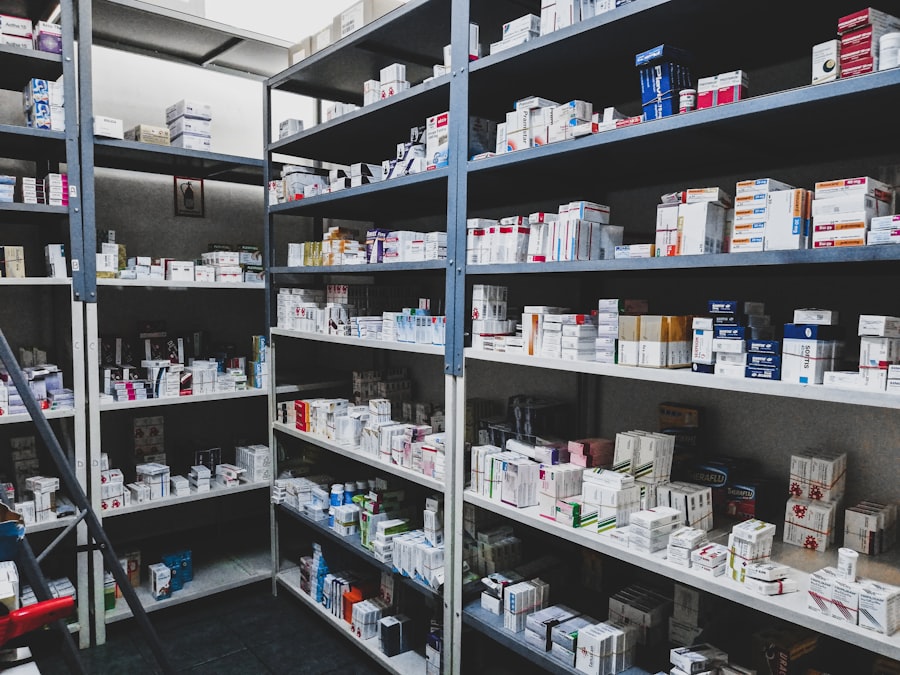
Despite its critical importance, the pharmaceutical supply chain is not without vulnerabilities. One significant concern is the reliance on a limited number of suppliers for raw materials and active pharmaceutical ingredients (APIs). This concentration can lead to disruptions if a supplier faces operational challenges or if geopolitical tensions arise.
Such dependencies can create bottlenecks that delay production and ultimately affect patient access to essential medications. Another vulnerability lies in the complexity of the supply chain itself. With multiple stakeholders involved, communication breakdowns can occur, leading to inefficiencies and errors.
Additionally, the global nature of the supply chain exposes it to various risks, including natural disasters, political instability, and pandemics. These factors can disrupt logistics and transportation networks, further complicating the timely delivery of pharmaceuticals.
Impact of Globalization on Pharmaceutical Supply Chain
Globalization has significantly transformed the pharmaceutical supply chain, enabling companies to source materials and manufacture products across borders. This interconnectedness has led to increased efficiency and cost savings for many organizations. However, it has also introduced new challenges that must be navigated carefully.
The COVID-19 pandemic highlighted these challenges as countries implemented restrictions on exports and imports, leading to shortages of critical medications and vaccines. The reliance on global supply chains became a double-edged sword; while it provided access to diverse resources, it also underscored the fragility of these networks in times of crisis.
As a result, many companies are now reconsidering their global strategies and exploring options for localizing production to mitigate risks.
Regulatory Challenges in the Pharmaceutical Supply Chain
| Vulnerability | Description | Impact on Supply Chain | Mitigation Strategies |
|---|---|---|---|
| Raw Material Shortages | Limited availability of active pharmaceutical ingredients (APIs) and excipients. | Production delays, increased costs, and potential drug shortages. | Diversify suppliers, maintain safety stock, and develop alternative sourcing. |
| Regulatory Compliance Risks | Changes in regulations or failure to meet quality standards. | Product recalls, shipment delays, and legal penalties. | Continuous monitoring of regulations, staff training, and quality audits. |
| Transportation Disruptions | Delays or interruptions in shipping due to natural disasters, strikes, or geopolitical issues. | Delayed deliveries, increased lead times, and stockouts. | Use multiple transportation modes, establish contingency plans, and real-time tracking. |
| Counterfeit Products | Introduction of fake or substandard medicines into the supply chain. | Patient safety risks, brand damage, and regulatory actions. | Implement serialization, track-and-trace systems, and supplier verification. |
| Cybersecurity Threats | Hacking or data breaches affecting supply chain management systems. | Operational disruptions, data loss, and compromised intellectual property. | Invest in cybersecurity infrastructure, employee training, and regular audits. |
| Demand Forecasting Errors | Inaccurate predictions of drug demand leading to overstock or shortages. | Wasted inventory or inability to meet patient needs. | Use advanced analytics, integrate real-time data, and collaborate with stakeholders. |
Regulatory compliance is a cornerstone of the pharmaceutical supply chain, ensuring that products meet safety and efficacy standards before reaching consumers. However, navigating the complex web of regulations can be daunting for companies operating in multiple jurisdictions. Each country has its own set of rules governing drug approval, manufacturing practices, and distribution protocols, which can lead to inconsistencies and delays.
Moreover, regulatory agencies are continuously evolving their requirements in response to emerging trends and technologies. For instance, the rise of personalized medicine and biologics has prompted regulators to adapt their frameworks to accommodate these innovations. Companies must remain vigilant and proactive in understanding these changes to avoid potential pitfalls that could disrupt their operations or lead to costly penalties.
Cybersecurity Threats in the Pharmaceutical Supply Chain
As technology becomes increasingly integrated into the pharmaceutical supply chain, cybersecurity threats have emerged as a significant concern. The digitization of processes has improved efficiency but has also created vulnerabilities that malicious actors can exploit. Cyberattacks targeting pharmaceutical companies can result in data breaches, intellectual property theft, and disruptions to manufacturing processes.
The consequences of such attacks can be severe, impacting not only a company’s bottom line but also patient safety. For example, if production systems are compromised, it could lead to delays in drug availability or even the distribution of unsafe products. As a result, pharmaceutical companies must prioritize cybersecurity measures and invest in robust systems to protect their operations from potential threats.
Counterfeit Drugs and the Pharmaceutical Supply Chain
Counterfeit drugs pose a significant threat to the integrity of the pharmaceutical supply chain. These fraudulent products can enter legitimate distribution channels through various means, including online sales and unregulated markets. The proliferation of counterfeit medications not only jeopardizes patient safety but also undermines public trust in healthcare systems.
To combat this issue, stakeholders across the supply chain must collaborate to implement stringent tracking and verification systems. Technologies such as blockchain have emerged as potential solutions for enhancing transparency and traceability within the supply chain. By ensuring that every product can be traced back to its source, companies can better protect consumers from counterfeit drugs and maintain the integrity of their brands.
Resilience and Risk Management in the Pharmaceutical Supply Chain
Building resilience within the pharmaceutical supply chain is essential for mitigating risks associated with disruptions. Companies must adopt comprehensive risk management strategies that encompass various scenarios, from natural disasters to geopolitical tensions. This proactive approach involves identifying potential vulnerabilities and developing contingency plans to address them effectively.
One key aspect of resilience is fostering strong relationships with suppliers and partners throughout the supply chain. By establishing open lines of communication and collaboration, companies can better navigate challenges as they arise. Additionally, investing in technology that enhances visibility across the supply chain can enable organizations to respond more swiftly to disruptions and minimize their impact on operations.
Supply Chain Disruptions and their Impact on Pharmaceutical Industry
Supply chain disruptions can have far-reaching consequences for the pharmaceutical industry. When production is halted or logistics are delayed, patients may face shortages of critical medications, leading to adverse health outcomes. The ripple effects of such disruptions can extend beyond individual companies; they can impact healthcare providers’ ability to deliver care effectively.
The COVID-19 pandemic served as a stark reminder of how quickly disruptions can occur and how unprepared many organizations were to handle them. As a result, there has been a growing emphasis on developing agile supply chains that can adapt to changing circumstances. Companies are increasingly investing in technologies that enhance forecasting capabilities and improve inventory management to better anticipate demand fluctuations.
Strategies for Strengthening the Pharmaceutical Supply Chain
To strengthen the pharmaceutical supply chain, organizations must adopt a multifaceted approach that addresses both current challenges and future uncertainties. One effective strategy is diversifying suppliers to reduce reliance on single sources for critical materials. By establishing relationships with multiple suppliers across different regions, companies can mitigate risks associated with disruptions in any one area.
Additionally, investing in advanced technologies such as artificial intelligence (AI) and machine learning can enhance decision-making processes within the supply chain. These tools can analyze vast amounts of data to identify trends and optimize inventory levels, ultimately improving efficiency and reducing costs. Furthermore, fostering a culture of collaboration among stakeholders can lead to innovative solutions that enhance overall supply chain performance.
Future Outlook for the Pharmaceutical Supply Chain
The future of the pharmaceutical supply chain is poised for transformation as companies adapt to an ever-evolving landscape. Emerging technologies such as blockchain, AI, and automation will play pivotal roles in enhancing transparency, efficiency, and security within the supply chain. As organizations embrace digital transformation, they will be better equipped to respond to challenges and seize opportunities in a rapidly changing environment.
Moreover, there will likely be an increased focus on sustainability within the pharmaceutical supply chain. As consumers become more environmentally conscious, companies will need to consider their environmental impact throughout their operations. This shift toward sustainability will not only benefit public perception but may also lead to cost savings through more efficient resource management.
In conclusion, while the pharmaceutical supply chain faces numerous challenges ranging from regulatory hurdles to cybersecurity threats, there are ample opportunities for improvement and innovation. By prioritizing resilience, collaboration, and technological advancement, stakeholders can work together to create a more robust supply chain that ultimately benefits patients worldwide.
Pharmaceutical supply chain vulnerabilities have become a critical concern in recent years, particularly highlighted by the disruptions caused by global events. For a deeper understanding of these challenges and potential solutions, you can read the article on this topic at this link. This article explores the various factors contributing to supply chain weaknesses and discusses strategies to enhance resilience in the pharmaceutical industry.
WATCH THIS! The $10 Trillion Secret: What Happens If The Strait of Gibraltar Closes For Good
FAQs
What is the pharmaceutical supply chain?
The pharmaceutical supply chain refers to the entire process of producing and delivering medications, from raw material sourcing and manufacturing to distribution and dispensing to patients.
What are common vulnerabilities in the pharmaceutical supply chain?
Common vulnerabilities include dependence on limited suppliers, lack of transparency, regulatory challenges, quality control issues, and disruptions caused by natural disasters, geopolitical events, or pandemics.
Why is the pharmaceutical supply chain vulnerable?
The supply chain is vulnerable due to its complexity, global interdependencies, reliance on specific raw materials or manufacturing sites, and the critical need for stringent quality and safety standards.
How do supply chain disruptions affect medication availability?
Disruptions can lead to shortages of essential drugs, delayed treatments, increased costs, and compromised patient care, potentially impacting public health outcomes.
What measures can improve pharmaceutical supply chain resilience?
Measures include diversifying suppliers, increasing transparency, implementing advanced tracking technologies, strengthening regulatory oversight, and developing contingency plans for emergencies.
How has the COVID-19 pandemic impacted pharmaceutical supply chains?
The pandemic exposed weaknesses such as overreliance on certain countries for raw materials, manufacturing delays, and logistical challenges, prompting calls for more robust and flexible supply chains.
What role do regulations play in pharmaceutical supply chain security?
Regulations ensure product quality, safety, and traceability, helping to prevent counterfeit drugs and maintain consistent supply, but they can also add complexity to the supply chain.
Can technology help address pharmaceutical supply chain vulnerabilities?
Yes, technologies like blockchain, AI, and IoT can enhance transparency, improve tracking, predict disruptions, and optimize inventory management within the supply chain.
What is the impact of counterfeit drugs on the pharmaceutical supply chain?
Counterfeit drugs undermine patient safety, damage trust in healthcare systems, and create financial losses, highlighting the need for secure and transparent supply chains.
How do geopolitical factors influence pharmaceutical supply chains?
Trade restrictions, political instability, and international relations can disrupt supply routes, affect raw material availability, and complicate regulatory compliance, impacting the supply chain’s stability.