
The pharmaceutical industry relies on a global supply chain network to manufacture and distribute medications to patients. This supply chain faces regular disruptions from multiple sources, including natural disasters, geopolitical conflicts, manufacturing issues, and pandemic-related restrictions. The COVID-19 pandemic demonstrated significant vulnerabilities in pharmaceutical supply chains, revealing dependencies on single-source suppliers and geographically concentrated manufacturing facilities.
Supply chain disruptions directly impact medication availability, leading to drug shortages that can compromise patient care and treatment outcomes. These shortages affect critical medications across therapeutic areas, from antibiotics and cancer treatments to chronic disease medications. The frequency and severity of pharmaceutical supply disruptions have increased over the past decade, with the FDA reporting over 200 drug shortages annually in recent years.
Key factors contributing to supply chain vulnerability include limited manufacturing capacity, regulatory compliance challenges, quality control issues, and insufficient inventory buffers. Geographic concentration of active pharmaceutical ingredient (API) production, particularly in Asia, creates additional risk points. Transportation delays, raw material shortages, and facility shutdowns can cascade through the supply network, affecting multiple products and markets simultaneously.
Key Takeaways
- Pharmaceutical supply chain disruptions significantly impact drug availability and industry stability.
- Key causes include raw material shortages, manufacturing delays, and geopolitical factors.
- Challenges involve maintaining quality, meeting regulatory requirements, and managing costs.
- Technology, collaboration, and communication are critical for effective disruption mitigation.
- Future trends focus on innovation, enhanced supply chain visibility, and stronger regulatory compliance.
The Impact of Supply Chain Disruption on Pharmaceutical Industry
The ramifications of supply chain disruptions in the pharmaceutical sector are profound and multifaceted. When disruptions occur, they can lead to significant delays in the production and distribution of medications, resulting in shortages that directly affect patient care. For instance, when critical drugs are unavailable, healthcare providers may be forced to seek alternatives that may not be as effective or suitable for certain patients.
This can lead to adverse health outcomes, increased hospitalizations, and a general decline in public health. Moreover, the financial implications of supply chain disruptions can be staggering for pharmaceutical companies. The costs associated with expedited shipping, sourcing alternative suppliers, and managing inventory shortages can quickly accumulate.
Additionally, companies may face reputational damage if they are unable to meet the needs of healthcare providers and patients. This erosion of trust can have long-lasting effects on a company’s market position and its relationships with stakeholders, including healthcare professionals, regulatory bodies, and patients themselves.
Causes of Supply Chain Disruption in the Pharmaceutical Industry
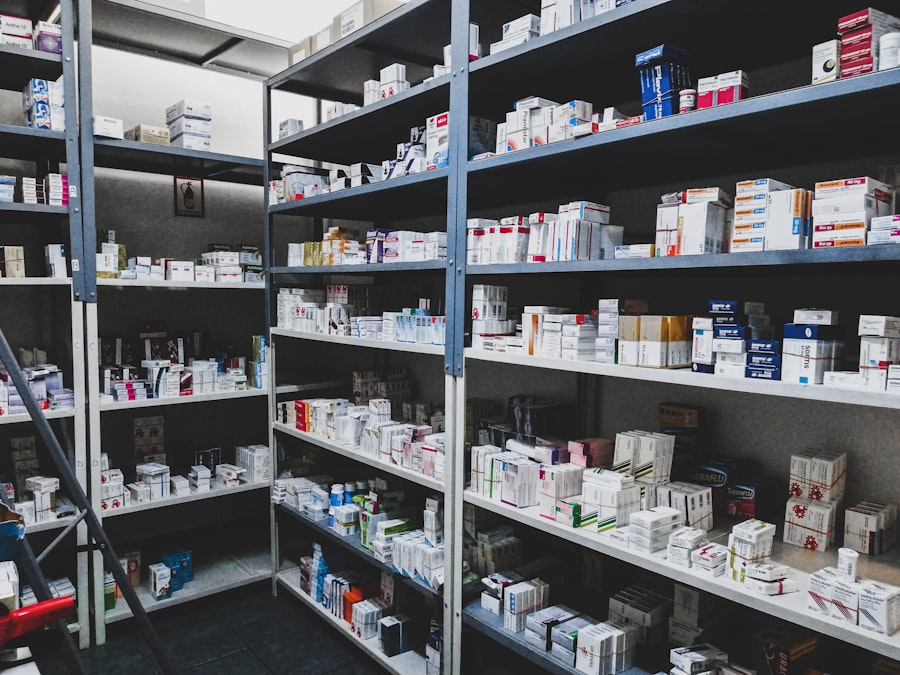
Several factors contribute to supply chain disruptions within the pharmaceutical industry. One significant cause is the reliance on global suppliers for raw materials and active pharmaceutical ingredients (APIs). Many pharmaceutical companies source these critical components from regions that may be politically unstable or prone to natural disasters.
When such events occur, they can halt production and disrupt the entire supply chain. Another contributing factor is regulatory changes that can impact manufacturing processes and distribution channels. Compliance with varying regulations across different countries can create bottlenecks in the supply chain, particularly when companies must adapt their operations to meet new standards.
Additionally, unforeseen events such as pandemics can lead to sudden spikes in demand for certain medications, further straining an already fragile supply chain.
Challenges Faced by Pharmaceutical Companies Due to Supply Chain Disruption
Pharmaceutical companies face numerous challenges as they navigate supply chain disruptions. One of the most pressing issues is maintaining adequate inventory levels while ensuring compliance with regulatory requirements. Striking a balance between having enough stock to meet demand and avoiding excess inventory that could lead to waste is a delicate task that requires careful planning and forecasting.
Furthermore, companies must contend with increased competition for limited resources during times of disruption. As multiple organizations vie for the same raw materials or manufacturing capabilities, prices can escalate, further complicating supply chain management. This competitive pressure can lead to hasty decision-making that may not align with long-term strategic goals, ultimately jeopardizing a company’s sustainability.
Solutions to Mitigate Supply Chain Disruption in the Pharmaceutical Industry
| Metric | Description | Impact | Example Data |
|---|---|---|---|
| Lead Time Increase | Additional time required to receive pharmaceutical raw materials or finished products | Delays in production and distribution | Average lead time increased from 15 days to 35 days (2020-2023) |
| Stockout Rate | Percentage of times a drug is unavailable when needed | Reduced patient access to essential medicines | Stockout rate rose from 5% to 18% during peak disruption periods |
| Supplier Diversification | Number of alternative suppliers used to mitigate risk | Improved resilience but increased complexity | Average suppliers per product increased from 2 to 4 |
| Transportation Delays | Delays in shipping and logistics affecting delivery times | Extended delivery schedules and increased costs | Average shipping delay increased by 40% |
| Inventory Levels | Quantity of stock held to buffer against disruptions | Higher inventory reduces risk but increases holding costs | Inventory levels increased by 25% on average |
| Regulatory Approval Delays | Time taken for regulatory bodies to approve new suppliers or drugs | Slower introduction of alternative sources and products | Approval times increased from 90 to 130 days |
To address the challenges posed by supply chain disruptions, pharmaceutical companies must adopt proactive strategies aimed at enhancing resilience. One effective approach is diversifying suppliers and sourcing materials from multiple regions. By reducing reliance on a single supplier or geographic area, companies can mitigate risks associated with localized disruptions.
Additionally, investing in robust inventory management systems can help companies better anticipate demand fluctuations and optimize stock levels. Advanced analytics and forecasting tools can provide valuable insights into market trends, enabling companies to make informed decisions about production schedules and inventory replenishment. Implementing these solutions not only enhances operational efficiency but also strengthens a company’s ability to respond swiftly to unexpected challenges.
The Role of Technology in Addressing Supply Chain Disruption

Technology plays a pivotal role in modernizing pharmaceutical supply chains and addressing disruptions effectively. The integration of digital tools such as blockchain technology can enhance transparency and traceability throughout the supply chain. By providing real-time visibility into the movement of products and materials, companies can quickly identify potential bottlenecks or delays and take corrective action before they escalate into larger issues.
Moreover, automation and artificial intelligence (AI) are transforming how pharmaceutical companies manage their supply chains. AI-driven algorithms can analyze vast amounts of data to predict demand patterns and optimize inventory levels. Automation in manufacturing processes can also increase efficiency and reduce human error, further minimizing the risk of disruptions.
Embracing these technological advancements allows companies to build more resilient supply chains capable of adapting to changing circumstances.
Importance of Collaboration and Communication in the Pharmaceutical Supply Chain
Collaboration and communication among stakeholders are essential components of an effective pharmaceutical supply chain strategy.
Open lines of communication enable stakeholders to share critical information regarding potential risks or changes in demand, allowing for more agile decision-making.
Furthermore, collaborative efforts can lead to shared resources and knowledge that enhance overall supply chain resilience. For instance, joint initiatives between pharmaceutical companies and logistics providers can streamline distribution processes and improve delivery times during times of crisis. By working together towards common goals, stakeholders can create a more robust supply chain that benefits all parties involved.
Regulatory and Compliance Considerations in Addressing Supply Chain Disruption
Navigating regulatory and compliance considerations is a crucial aspect of managing supply chain disruptions in the pharmaceutical industry. Companies must remain vigilant in adhering to local and international regulations governing drug manufacturing, distribution, and quality control. Failure to comply with these regulations can result in severe penalties, including fines and product recalls.
To effectively address supply chain disruptions while maintaining compliance, pharmaceutical companies should invest in comprehensive training programs for their employees. Ensuring that staff members are well-versed in regulatory requirements will help minimize risks associated with non-compliance during times of crisis. Additionally, establishing strong relationships with regulatory agencies can facilitate smoother communication and collaboration when addressing potential disruptions.
Case Studies of Successful Supply Chain Management in the Pharmaceutical Industry
Examining case studies of successful supply chain management within the pharmaceutical industry provides valuable insights into best practices that can be adopted by other organizations. For instance, during the COVID-19 pandemic, several pharmaceutical companies demonstrated remarkable agility by rapidly scaling up production capabilities for vaccines and treatments. These companies leveraged existing partnerships with contract manufacturers and utilized advanced analytics to optimize their supply chains effectively.
Another notable example is a leading global pharmaceutical company that implemented a comprehensive risk management framework within its supply chain operations. By conducting regular assessments of potential vulnerabilities and developing contingency plans for various scenarios, this company was able to maintain continuity during periods of disruption while ensuring compliance with regulatory standards.
Future Trends and Innovations in Pharmaceutical Supply Chain Management
As the pharmaceutical industry continues to evolve, several trends and innovations are shaping the future of supply chain management. One significant trend is the increasing adoption of digital technologies such as artificial intelligence (AI) and machine learning (ML) for predictive analytics. These technologies enable companies to forecast demand more accurately and optimize their inventory management processes.
Additionally, sustainability is becoming a key focus within pharmaceutical supply chains. Companies are exploring eco-friendly packaging solutions and sustainable sourcing practices to reduce their environmental impact while meeting consumer demand for responsible business practices.
Conclusion and Recommendations for Pharmaceutical Companies to Address Supply Chain Disruption
In conclusion, addressing supply chain disruptions within the pharmaceutical industry requires a multifaceted approach that encompasses risk management strategies, technological advancements, collaboration among stakeholders, and adherence to regulatory standards. By diversifying suppliers, investing in technology-driven solutions, and fostering open communication channels, pharmaceutical companies can enhance their resilience against future disruptions. Furthermore, it is essential for organizations to remain proactive in monitoring market trends and regulatory changes that may impact their supply chains.
By staying informed and adaptable, pharmaceutical companies can not only navigate challenges effectively but also position themselves for long-term success in an increasingly complex global landscape. Ultimately, prioritizing supply chain resilience will ensure that patients continue to receive the medications they need when they need them most.
Pharmaceutical supply chain disruptions have become a pressing issue, impacting the availability of essential medications worldwide. A related article that delves into the complexities of this topic can be found at